
Test drive – Volkswagen ID. Buzz GTX : The Combi Van That Decided to Play in a Different League
 Jean-Pierre Ndu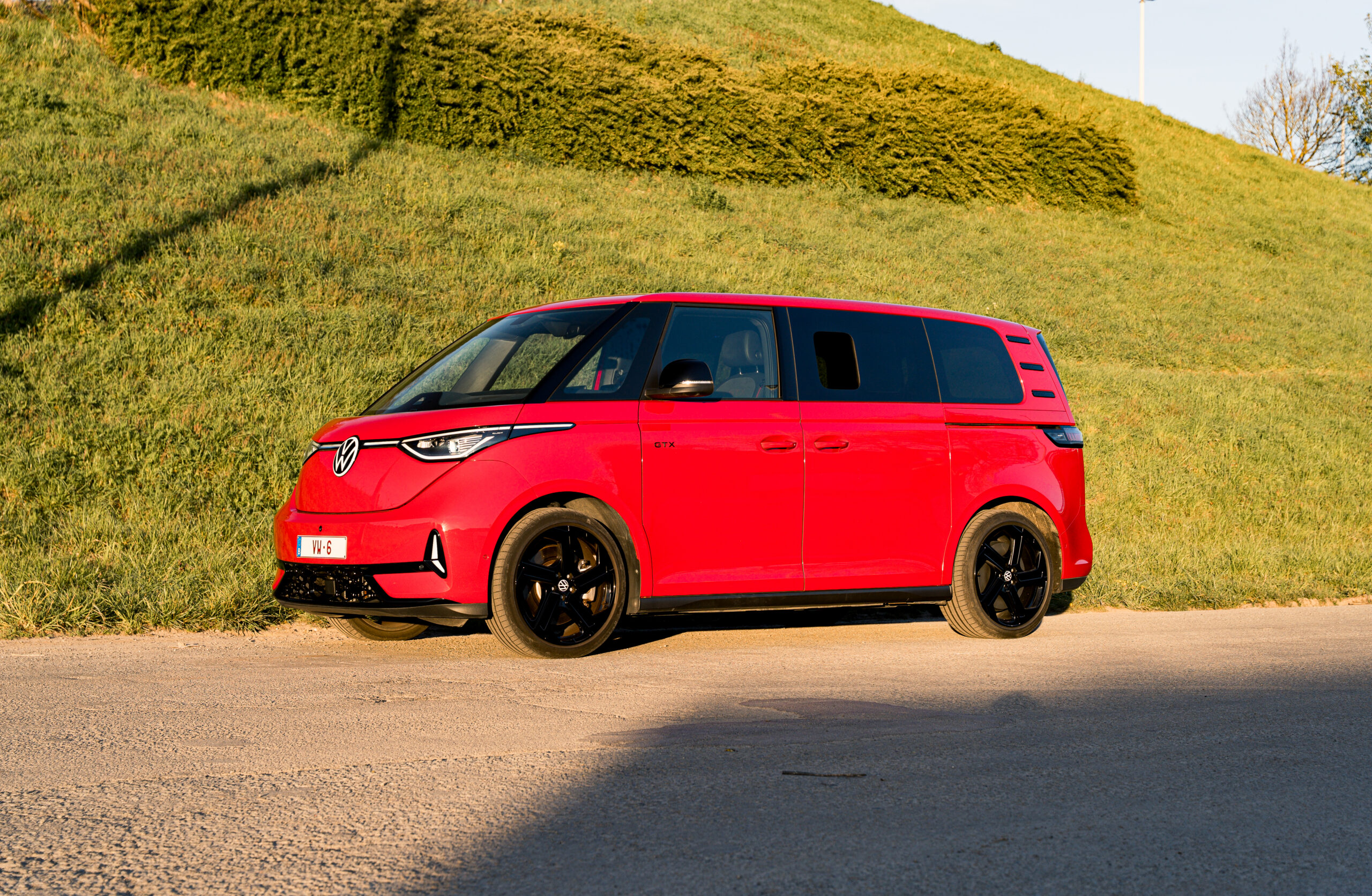
A few weeks ago we had the pleasure of testing the ID. Buzz in its Pro trim, a charming, generous vehicle with an almost poetic relationship with the open road. So when we came face to face with the GTX, we could immediately feel the shift in tone. Gone is the laid-back electric nomad: here is the Combi that traded its flower stickers for boomerang LED daytime running lights and a genuine hunger for performance. Does it make sense? Does it still deliver as an everyday companion? We spent several days behind the wheel to find out.
When the combi puts its foot down
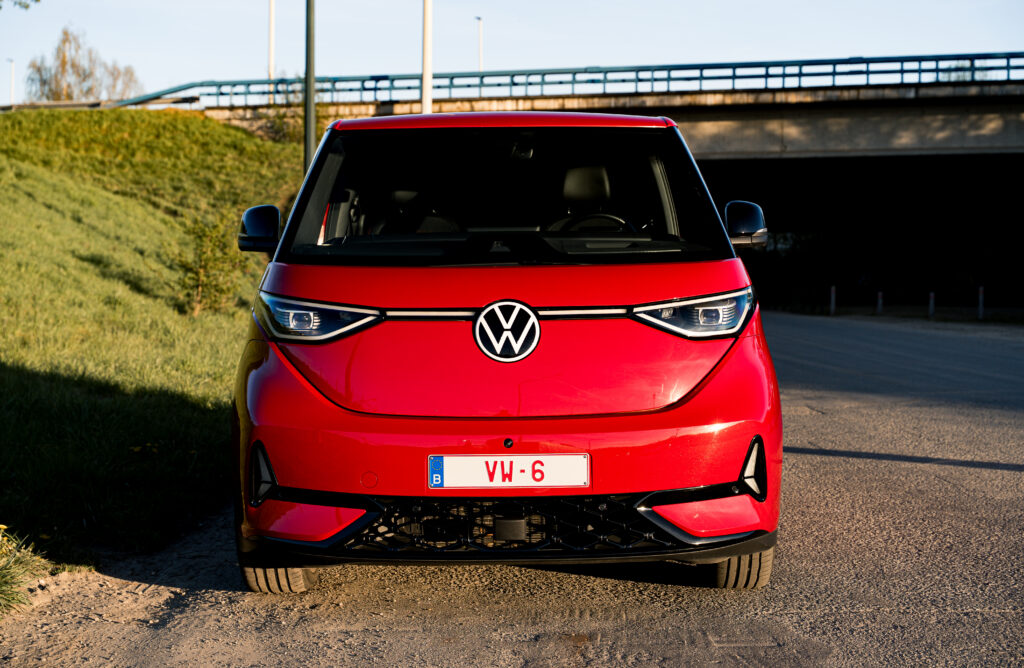
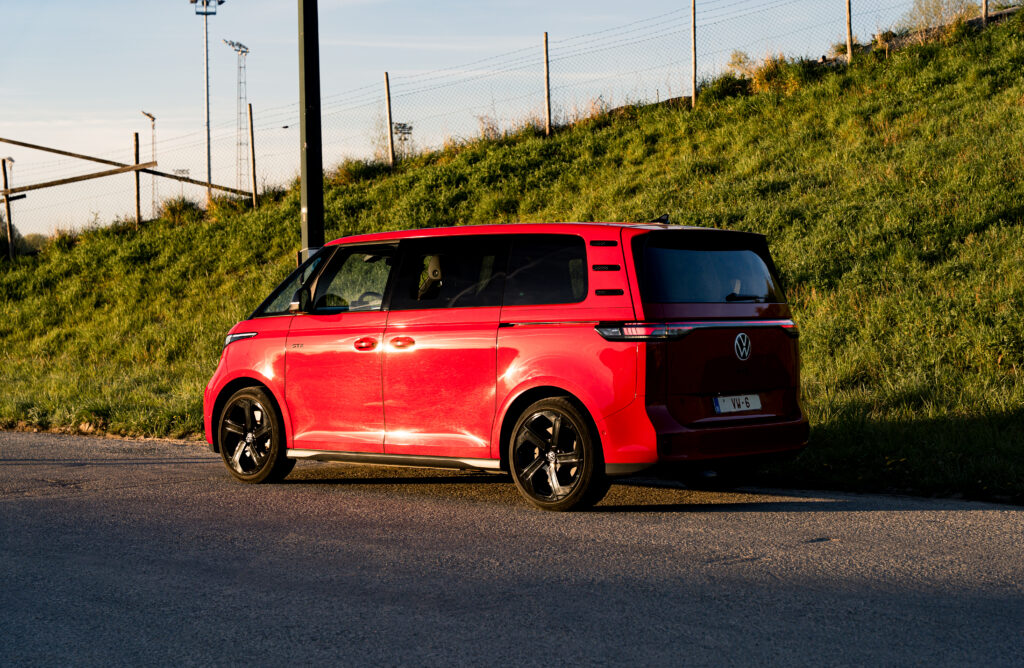
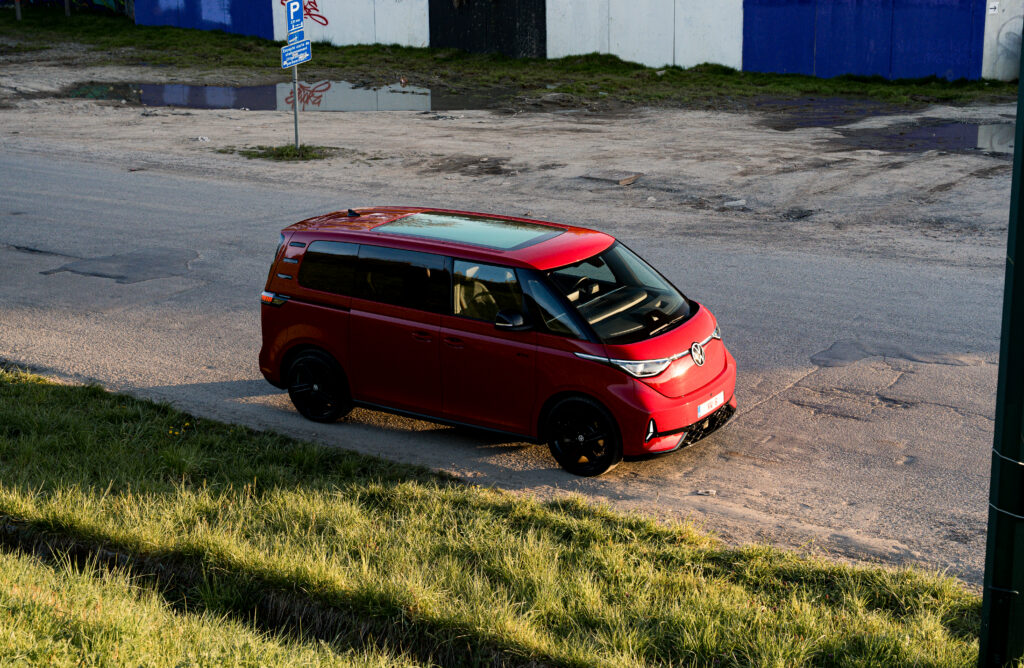
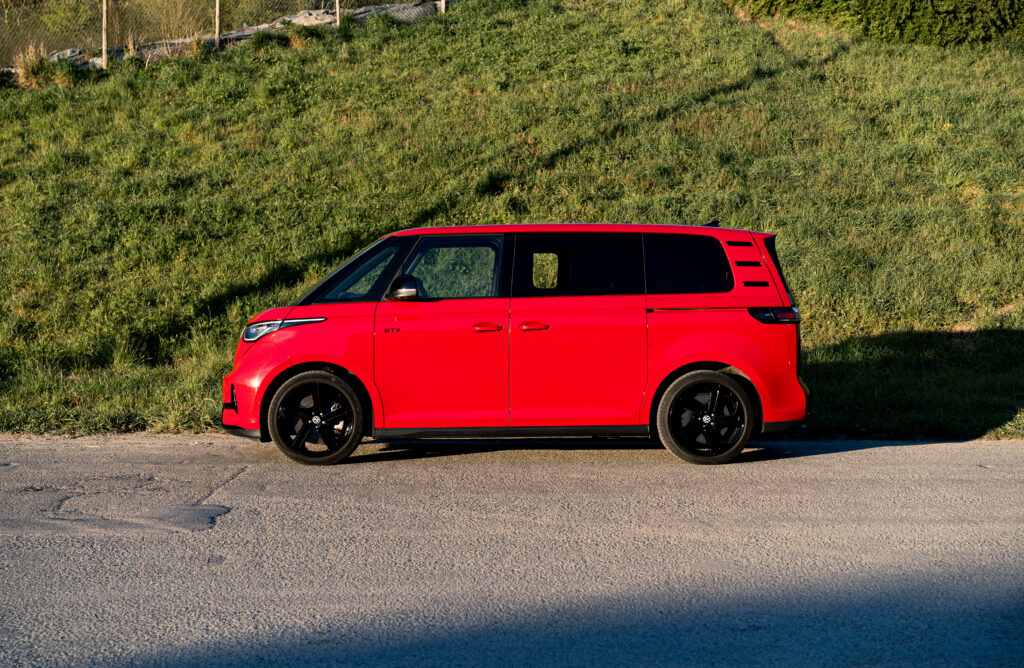
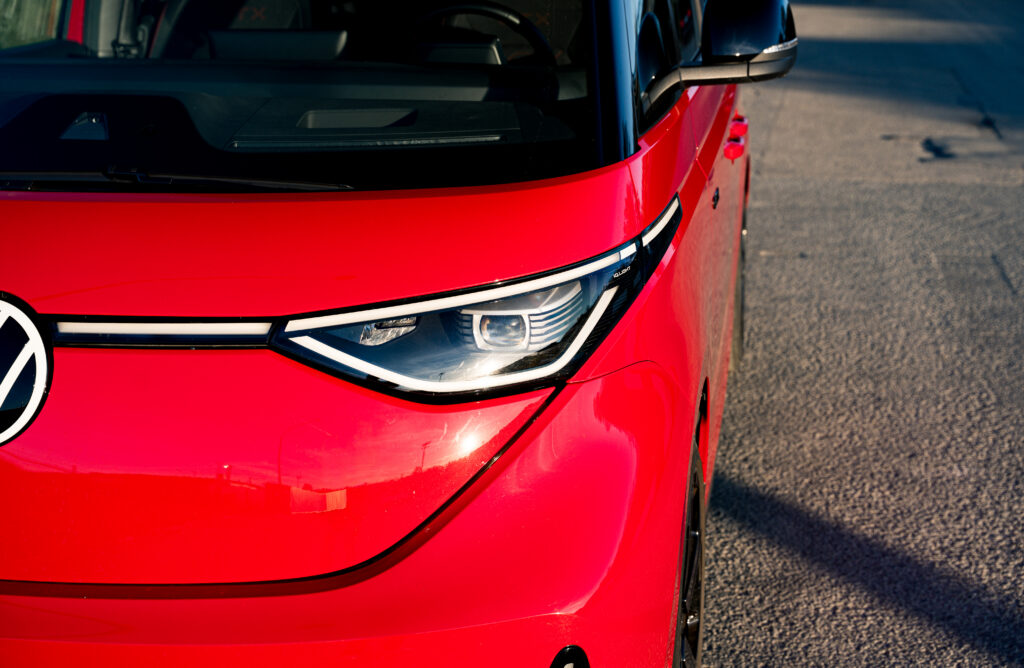
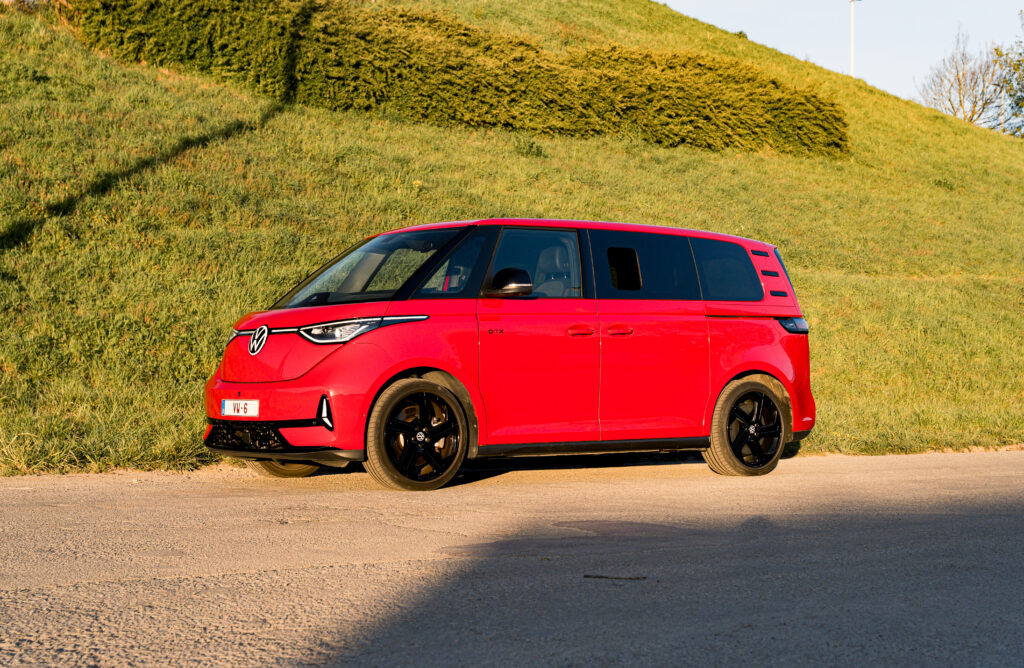
The Volkswagen ID. Buzz GTX remains unmistakable on the road, and it would be a shame to lose those generous, rounded proportions that give it such a unique identity. But the GTX makes its entrance with a revised front end: a more assertive bumper, a diamond-pattern grille finished in gloss black and those signature boomerang-shaped daytime running lights sweeping across each corner. The overall impression is darker, more muscular, less naive. It will appeal to those who found the Pro version just a touch too understated.
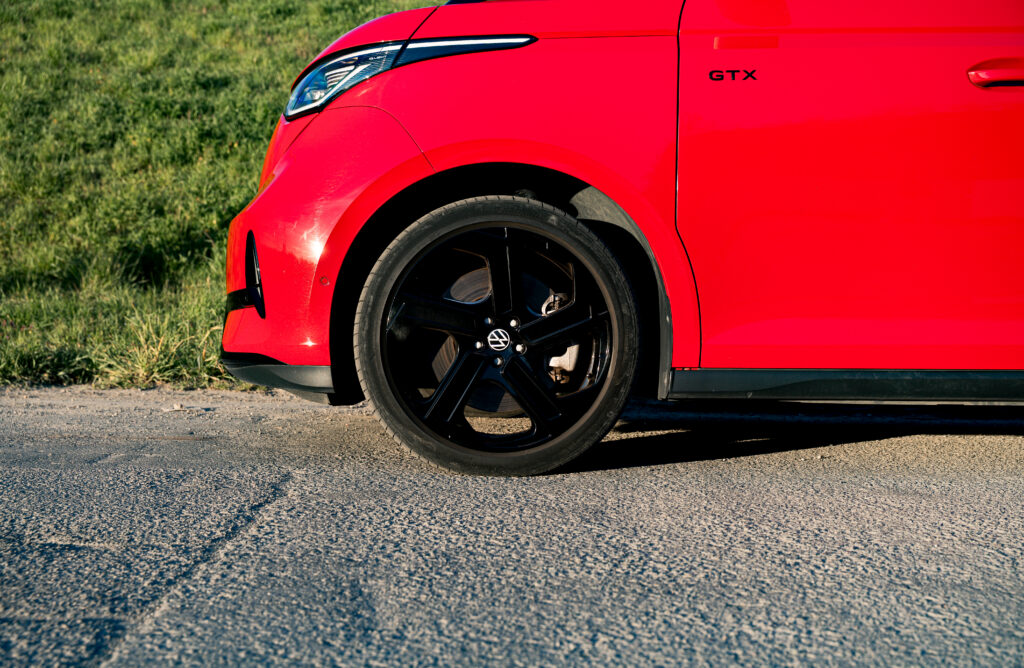
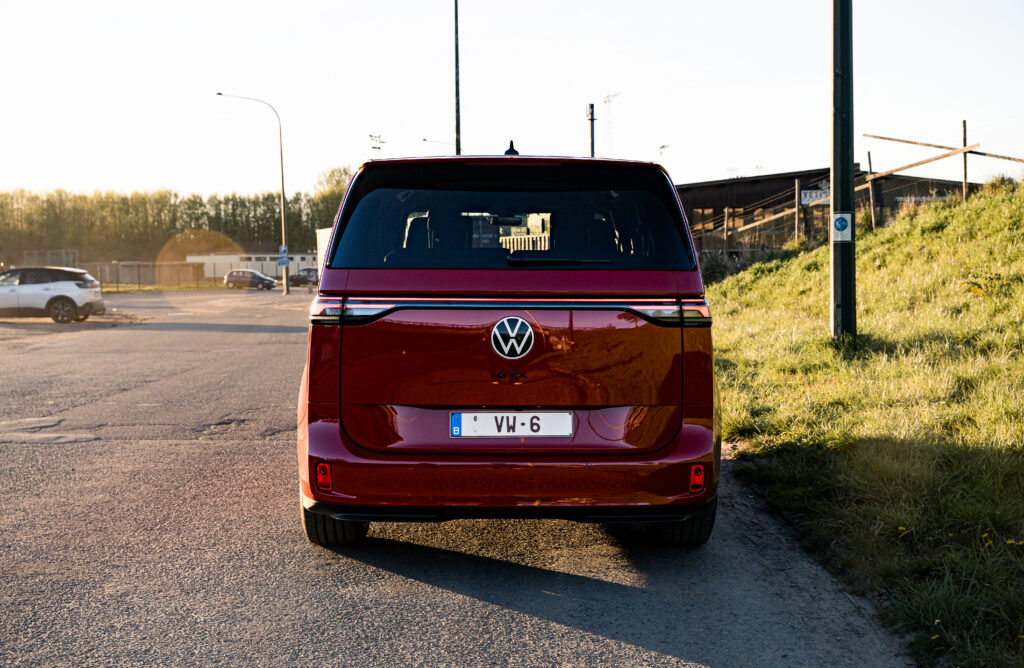
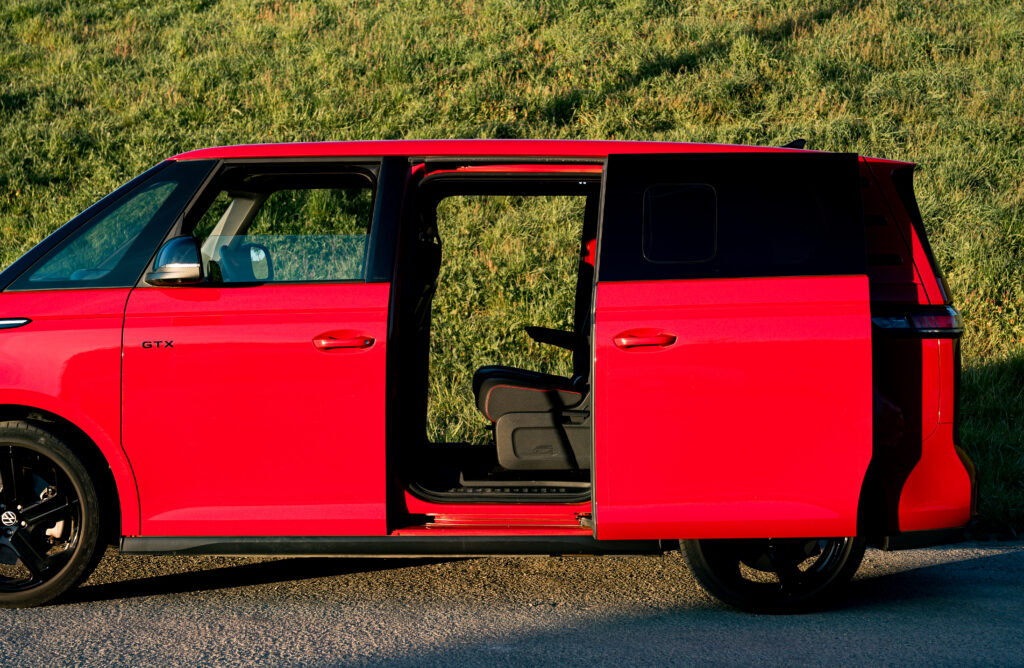
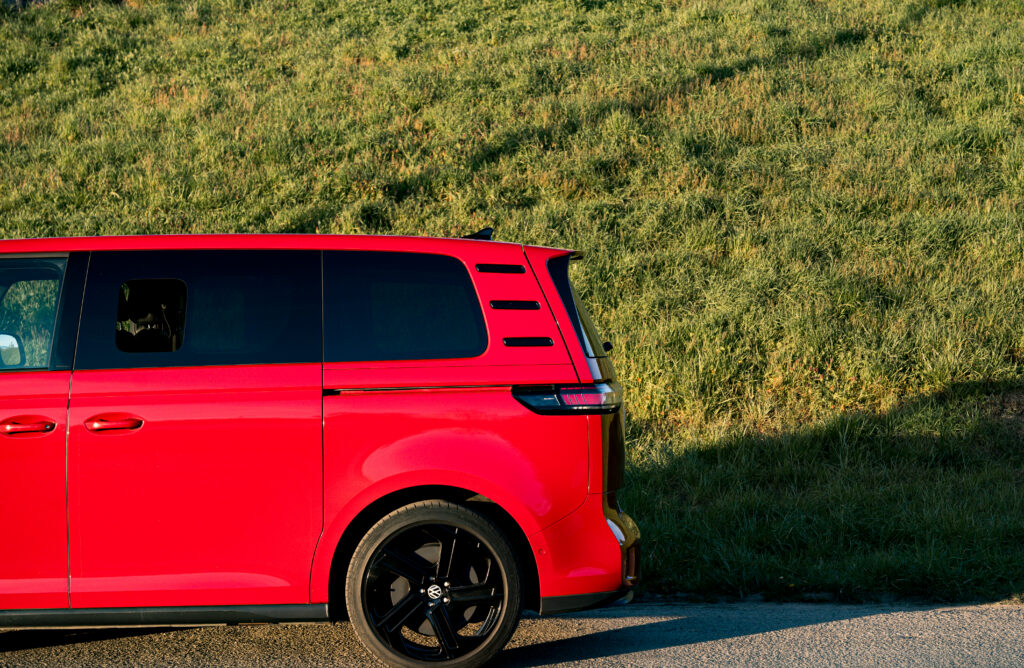
For this test we chose the long-wheelbase version, the LWB, which stretches to just under five metres in length. That imposing silhouette owes nothing to ungainly overhangs: it is the wheelbase itself that gains 25 centimetres over the standard model, preserving the balanced proportions while keeping the turning circle manageable at 11.80 metres, tight enough for city driving and supermarket car parks. The sliding side doors, also extended by 19 cm, make life noticeably easier with children and luggage. The 21-inch alloys complete the athletic look. Compared with the Pro version we drove a few weeks earlier, the switch to GTX is felt immediately in the vehicle’s visual attitude: it reads as more grown-up, more assertive, clearly aimed at a different mindset.
A serious cabin, perhaps too serious
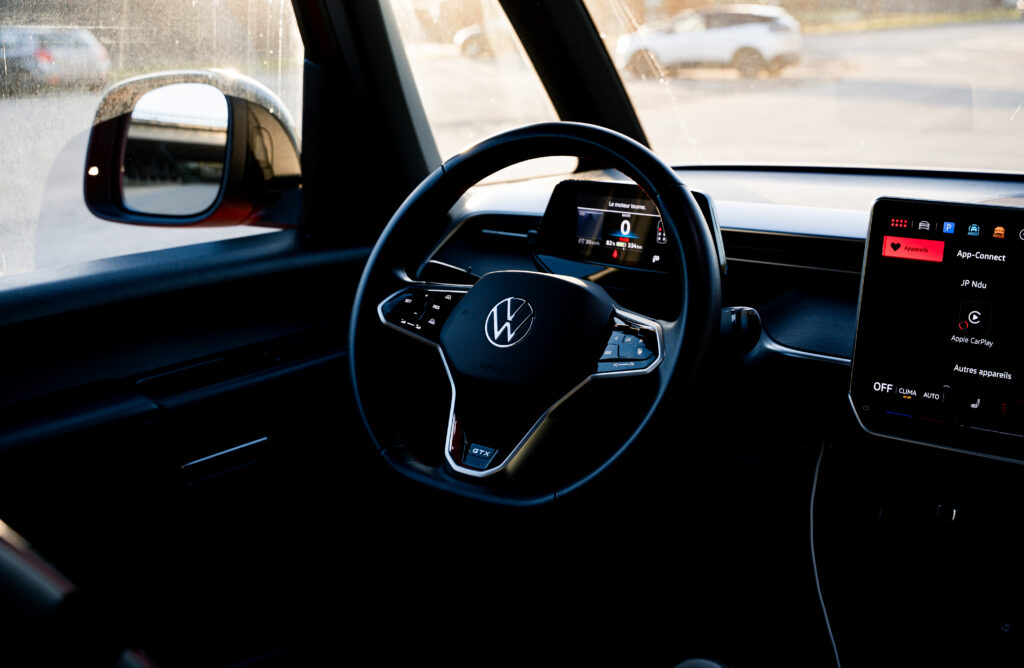
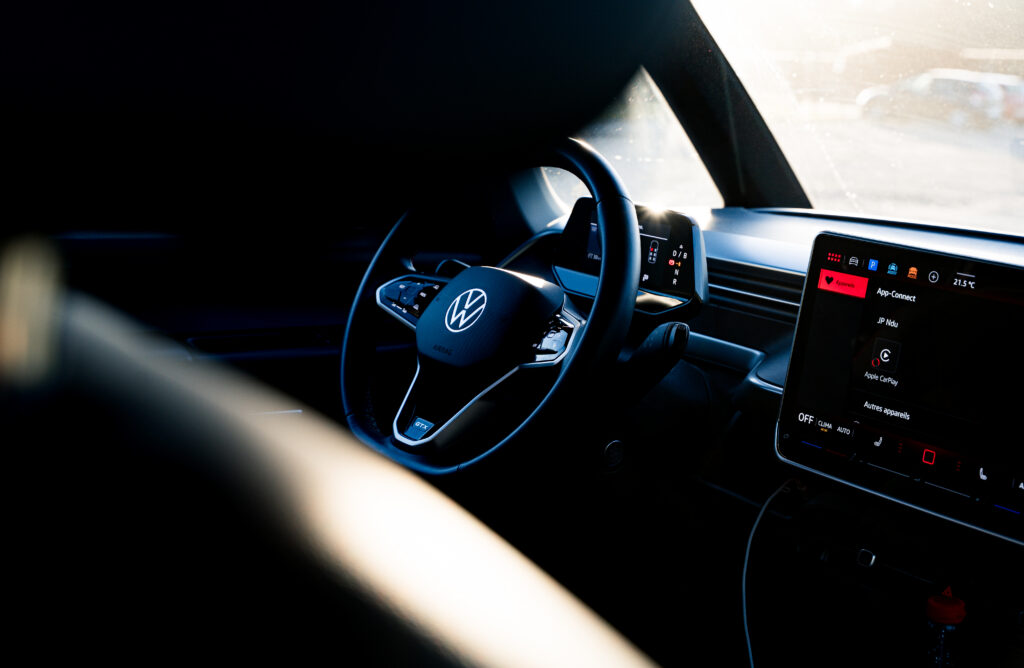
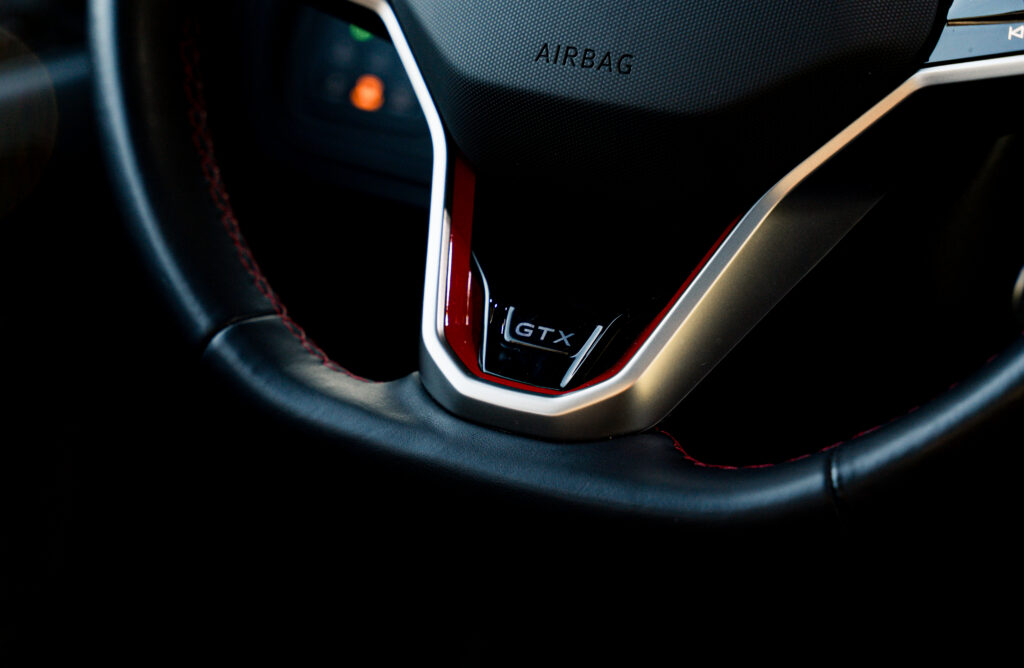
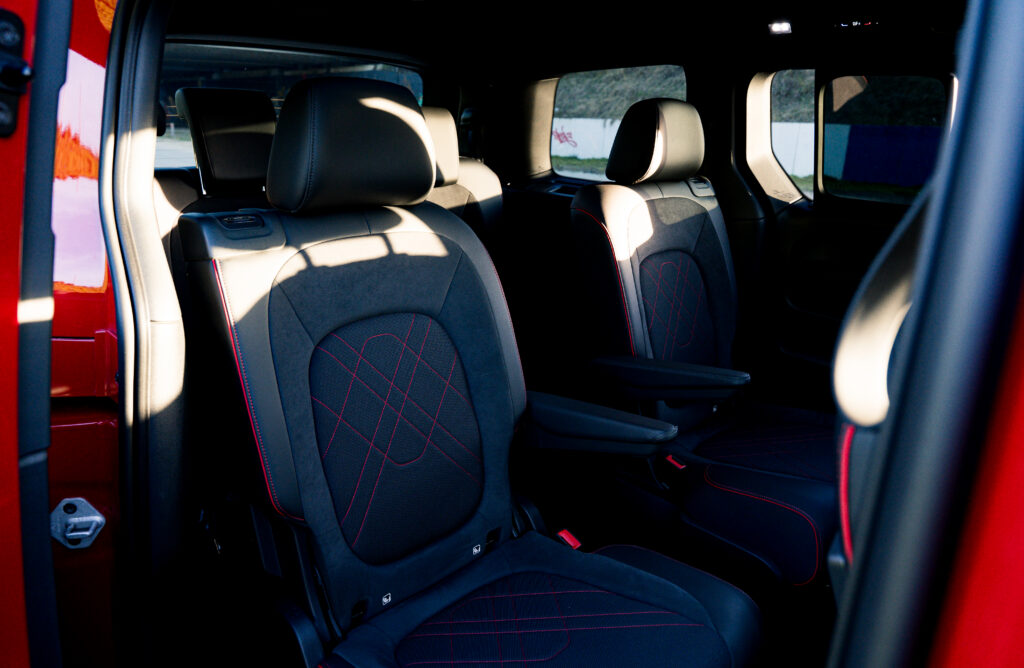
While the Pro version of the ID. Buzz leans into conviviality with its bright colours and almost festive atmosphere, the GTX takes a very different approach. Black dominates. Dark upholstery, anthracite headliner, faux-leather and microfibre seats with red contrast stitching as the sole concession to colour: the interior is sober, almost austere. The front seats are electrically adjustable with a memory function, and their lateral support is a clear step up from what the Pro version offered. They are comfortable on long motorway runs yet encourage you to push just a little harder through the bends.
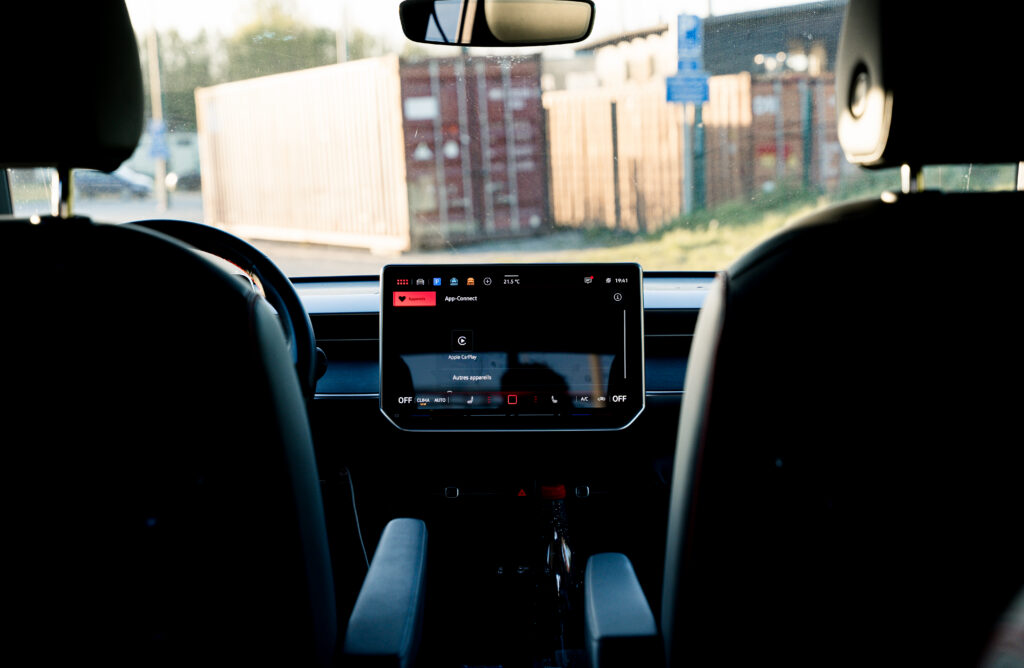
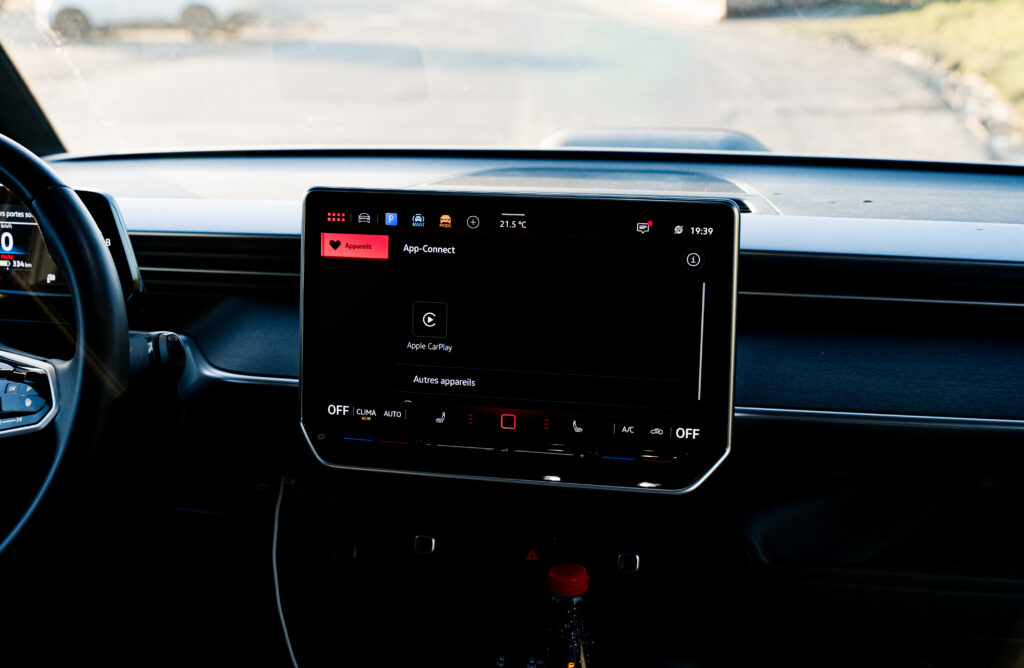
The 12.9-inch central screen is marginally larger than on previous generations, now hosting an updated infotainment system that is more intuitive to navigate. It also integrates the IDA voice assistant powered by ChatGPT, activated with a simple “Hello ID”. That said, the temperature and volume controls remain touch-sensitive sliders rather than physical rotary dials, which is less than ideal while driving. It was a criticism we levelled at the Pro version during our earlier test, and the GTX has not resolved it. Our test car was also fitted with a head-up display, and honestly, once you have experienced one, it is hard to go back.
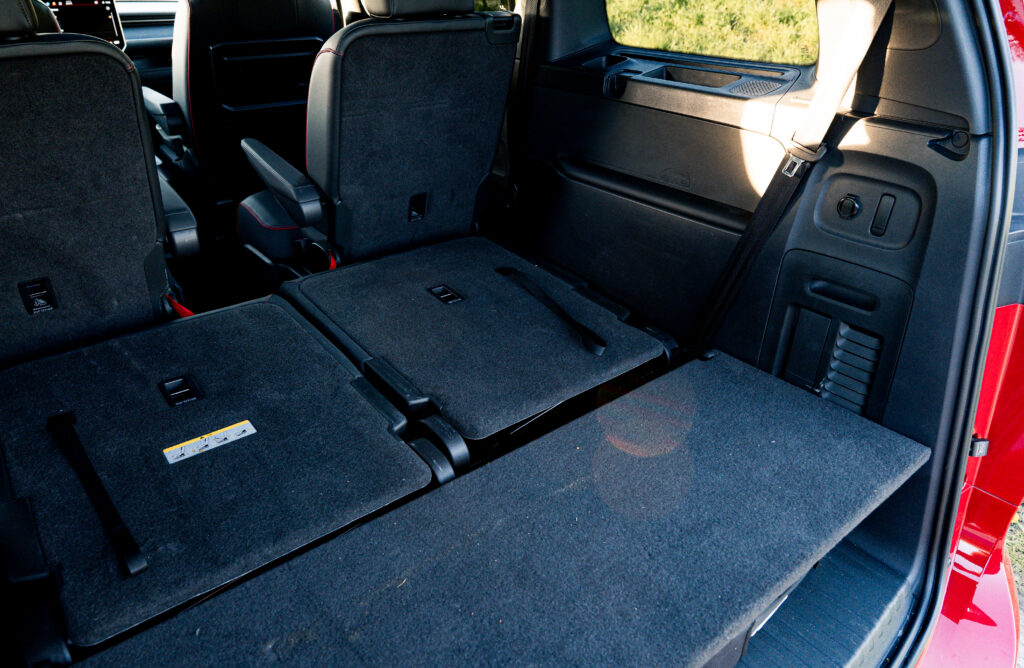
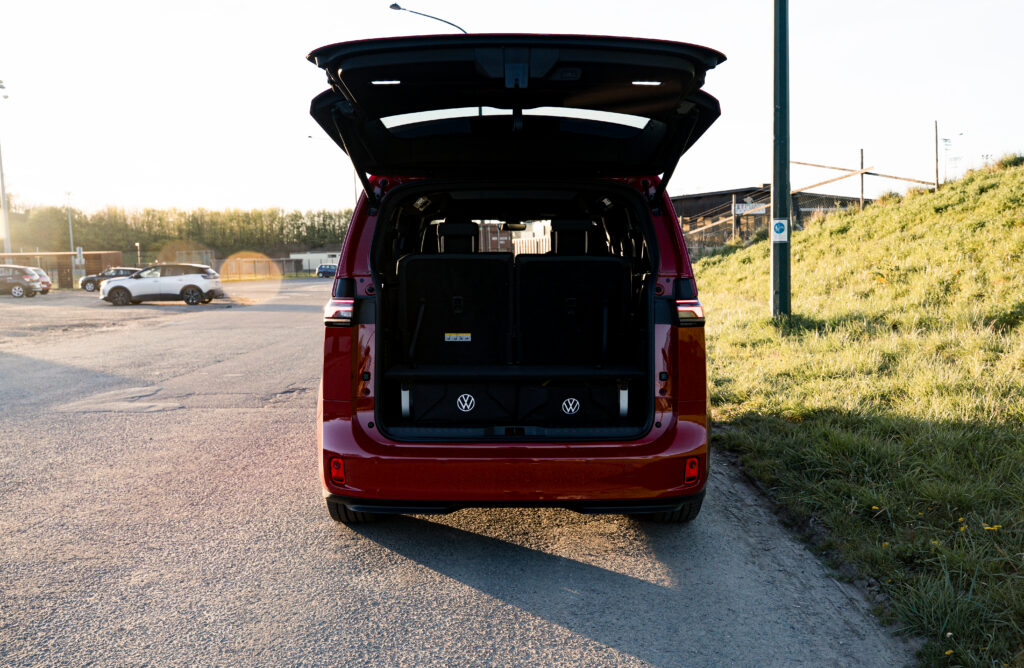
In terms of space, the long-wheelbase shines. Available in six- or seven-seat configuration, it comfortably accommodates three rows of adults. The second-row Captain Chairs are genuinely pleasant to sit in and can slide laterally by 20 cm to fine-tune the space balance. The third row folds flat, and can be removed entirely, to unlock up to 2,469 litres of boot volume. In full seven-seat mode, you are down to 306 litres, which is snug but manageable for a family day out.
Two motors and a real philosophy
This is where the GTX fundamentally sets itself apart from the rest of the ID. Buzz family. Where the Pro relies on a single rear motor producing 210 or 230 hp, the GTX receives two electric units: 286 hp at the rear axle and 109 hp up front, for a combined output of 340 hp and 560 Nm of torque. In absolute terms that is not mind-blowing by today’s EV standards, but on a vehicle of this size and bulk, it feels genuinely unexpected. This is officially the most powerful production Combi van ever made, by quite some margin.
The dual-motor layout also brings all-wheel drive to the ID. Buzz for the first time. In practice this means stronger traction on slippery surfaces, but more notably a towing capacity of 1,800 kg on the short-wheelbase version, compared with just 1,000 kg on the Pro. The long-wheelbase drops to 1,600 kg, but that is still 600 kg more than the Pro offers. For anyone who regularly tows a caravan, a boat trailer or a horse box, the argument is compelling.
On the battery side, standard-wheelbase variants carry 79 kWh (usable), while the LWB steps up to 86 kWh. Volkswagen quotes a WLTP range of up to 462 km for the long-wheelbase. In mixed real-world driving we recorded between 22 and 23 kWh per 100 km, which translates to roughly 370–390 km of practical range. DC fast charging peaks at 200 kW, enabling a 10–80% top-up in around 26 minutes. On-board AC charging is capped at 11 kW.
On the road : a surprising balance
Getting behind the wheel of the ID. Buzz GTX after the Pro is a genuinely eye-opening experience. Where the Buzz Pro invited serenity, savour the journey, let the world pass by, the GTX injects a different kind of energy. Press the accelerator with any conviction and the 340 hp respond with a directness that takes you by surprise. The sprint from 0 to 100 km/h takes 6.1 seconds in the short-wheelbase and 6.4 seconds in the long. For a vehicle tipping the scales at 2,828 kg, the effect is genuinely startling, almost comical in the best possible way.
Handling also springs a few pleasant surprises. The driving position is high and commanding, but the centre of gravity sits low thanks to the underfloor battery pack. The result is a reassuringly neutral chassis with far more grip than the proportions would suggest. You can commit to corners with real confidence, and the all-wheel-drive system works quietly but effectively to keep the van on its intended line. Compared with the Pro, the GTX simply feels more alive, more willing to play.
The flip side is an inevitably firmer ride. The sport-tuned suspension makes itself known on rougher road surfaces, and rear-seat passengers will feel it more than the driver. It is not uncomfortable by any stretch, this is not a stiff sports car, but those coming from the Pro’s more cushioned setup will notice the difference. Top speed is electronically limited to 160 km/h, in line with all other ID. Buzz variants. On the motorway, energy consumption rises sharply, and real-world range can drop to around 300 km if you maintain a sustained high speed.
In daily use, whether for family duties or semi-professional tasks, the GTX proves perfectly civilised. It absorbs long distances effortlessly, and there is genuine pleasure in knowing that a generous reserve of power is always on hand, whether you need to overtake on a dual carriageway or simply keep pace fully loaded. The GTX clearly delivers more driving enjoyment than the Pro, without surrendering any of the practicality that makes this reimagined Combi so appealing.
Our verdict
We come away from this test with a nuanced but broadly positive impression. The Volkswagen ID. Buzz GTX is a fascinating, almost paradoxical machine: a 2.8-tonne family MPV that accelerates with the gusto of a sports saloon, tows a caravan with the assurance of an SUV and seats seven in a package barely larger than a long estate car. The comparison with the Pro version driven a few weeks earlier is telling: the GTX does not render the Pro redundant, but it speaks clearly to those who want more, more power, more towing capability, more engagement behind the wheel.
What we miss is the softer suspension that would have kept rear passengers happier, the restrained energy consumption that the Pro delivers more naturally, and the cheerful, colourful cabin atmosphere that made the standard Buzz so loveable. Everything else? Solid work, and if your lifestyle justifies the budget, this GTX makes a very persuasive case for itself.
The pros
- Surprising performance for the size
- Generous space
- Fast charging
The cons
- Firmer ride, comfort falls short
- High consumption
- Considerable kerb weight
Photography : Stefan Caliman / GUS