Inuit Art in Brussels: The Arctic in Print
 Frederick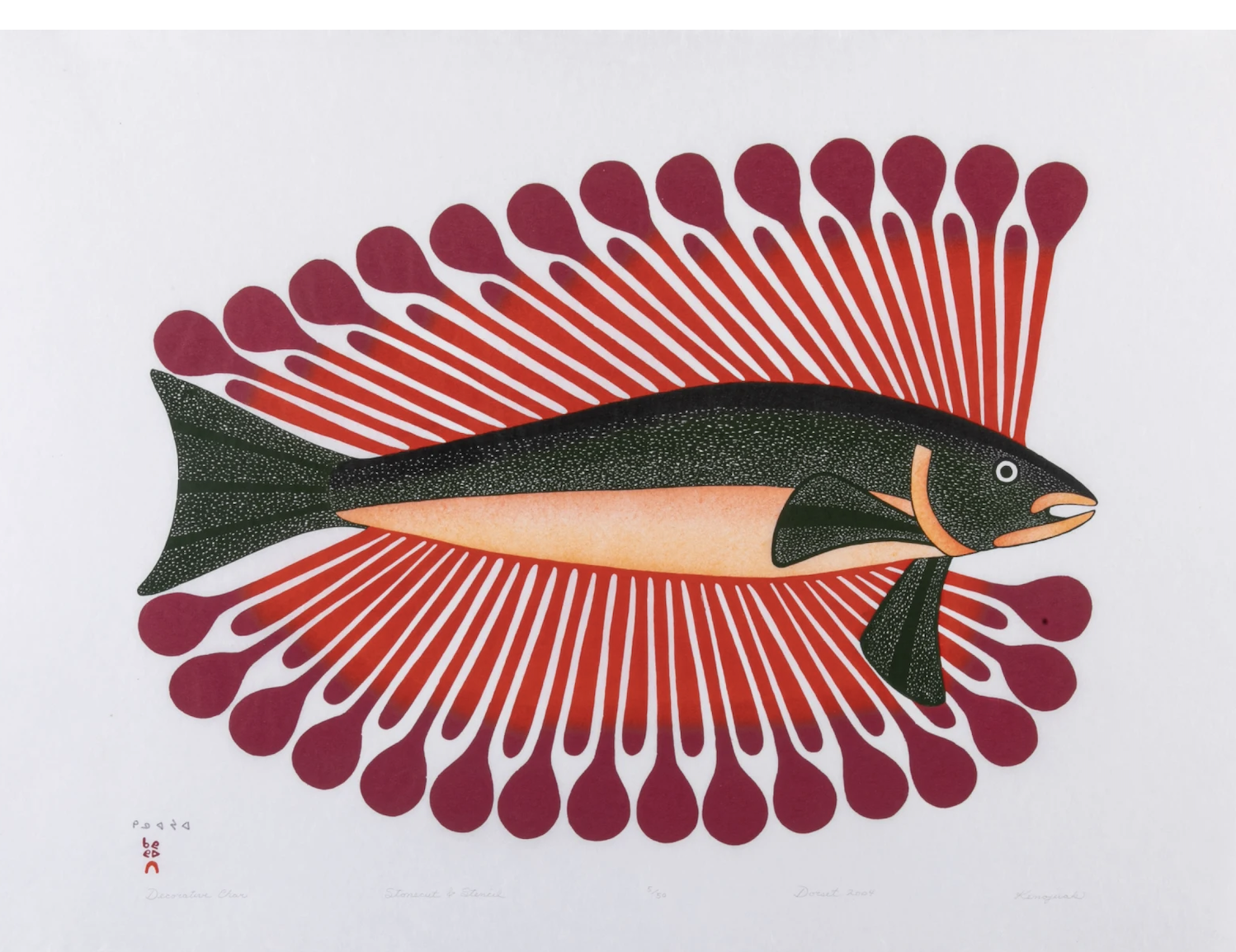
At Brussels’ Musée Art & Histoire, “Inuit: Impressions of the Canadian Far North” brings together nearly 250 works. With prints at its heart, the exhibition opens a window onto seven decades of artistic life in the Canadian Arctic.
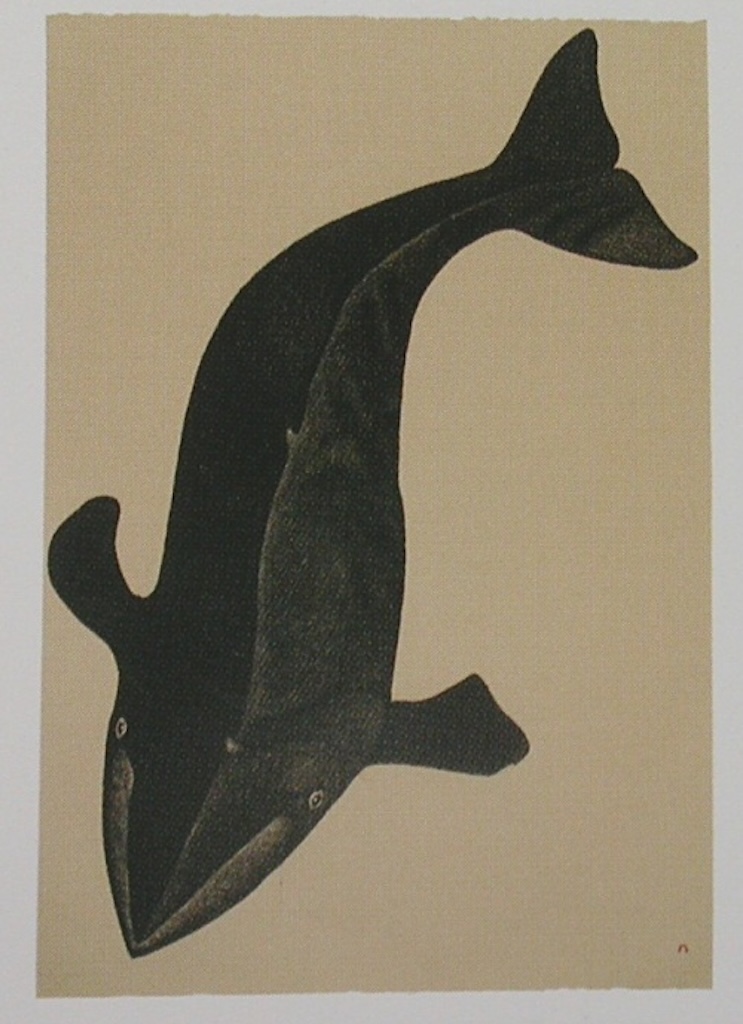
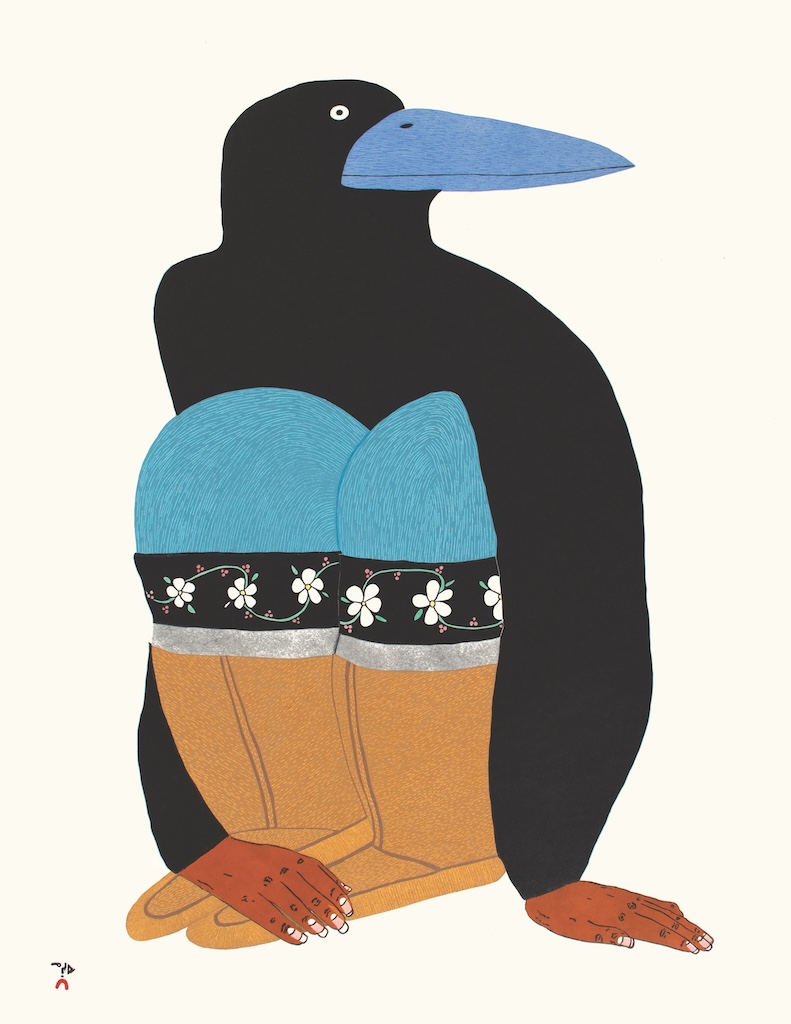
An Arctic bird, the polar night, a changing way of life. The subjects explored in “Inuit: Impressions of the Canadian Far North” move between the natural world and the pressures of the present. At Brussels’ Musée Art & Histoire, nearly 250 prints, drawings and sculptures bring together around 70 years of creation from Nunavut and Nunavik, two regions of the Canadian Arctic.
For visitors who associate Inuit art primarily with sculpture, the emphasis on prints offers a compelling reason to look closer. Graphic work occupies a central place here, revealing a field of artistic production that remains less familiar to European audiences. Women artists receive particular attention, reflecting their leading role in the development of this work across several generations.
The exhibition gives that breadth room to unfold. Marine animals, birds and terrestrial wildlife appear alongside shamanism and mythology. Elsewhere, artists address gender relations, social transformations and climate change. The Arctic emerges through the subjects its artists choose to explore, from relationships with animals and the land to the consequences of profound changes in everyday life.
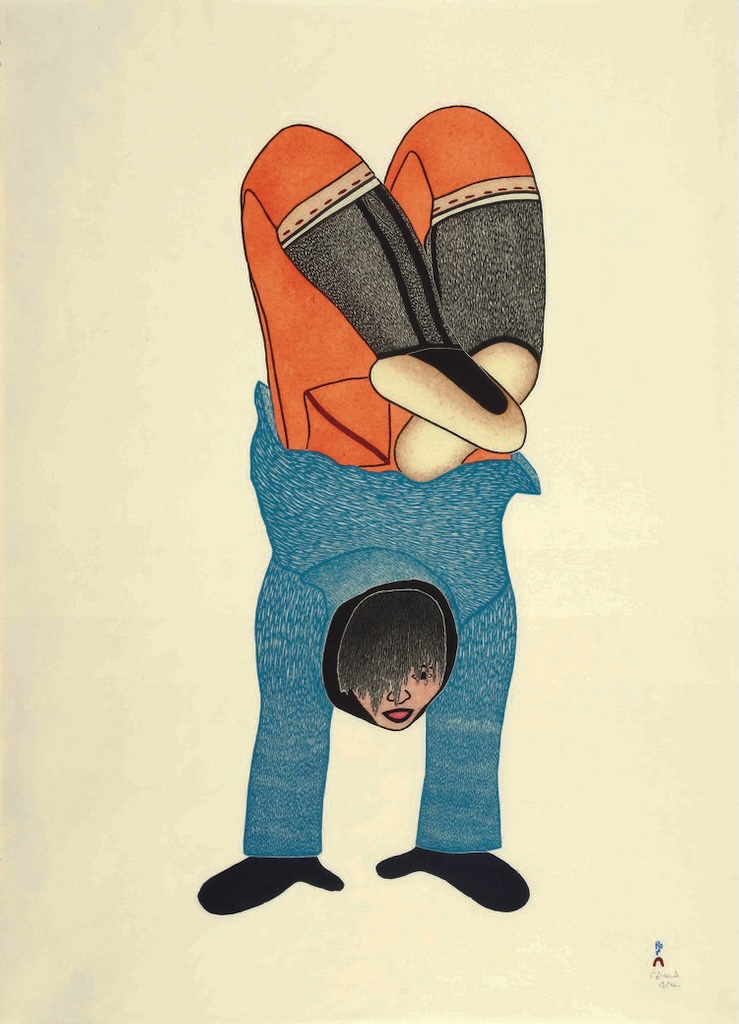
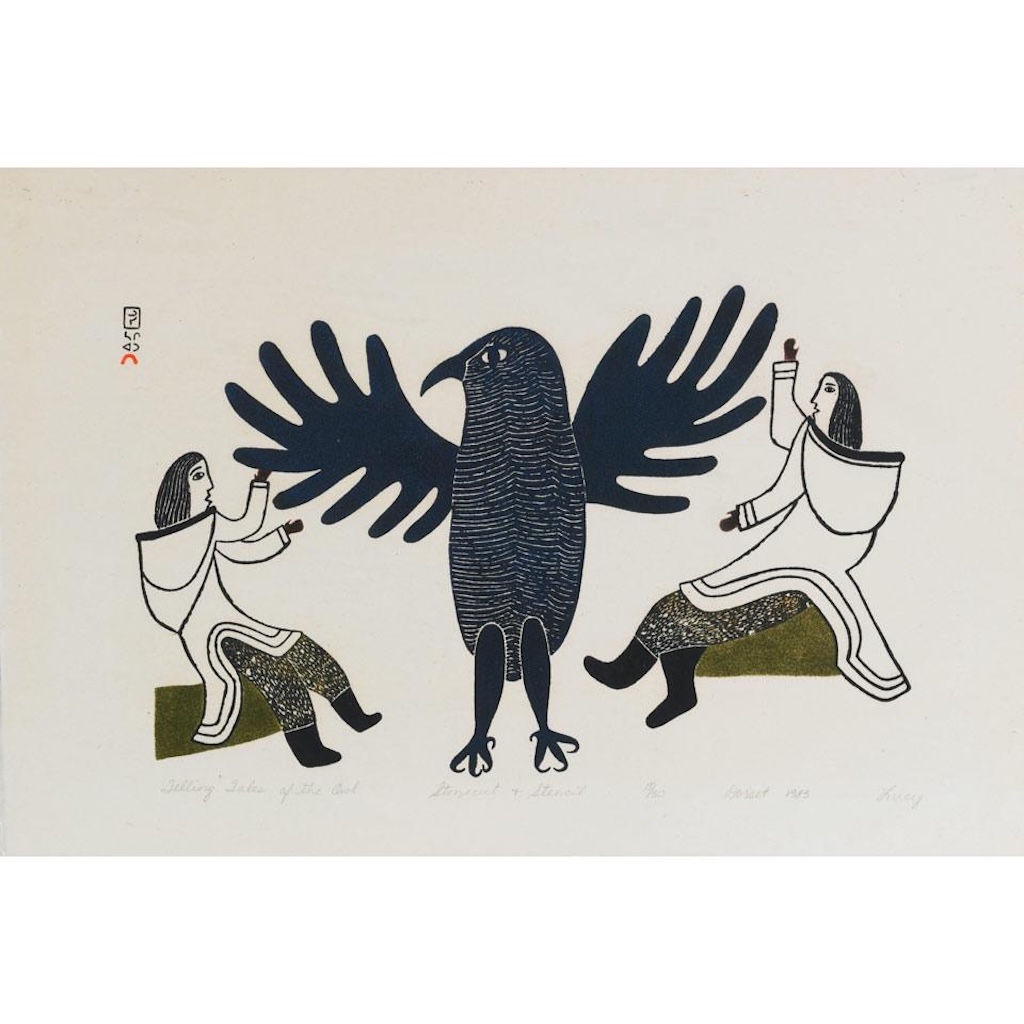
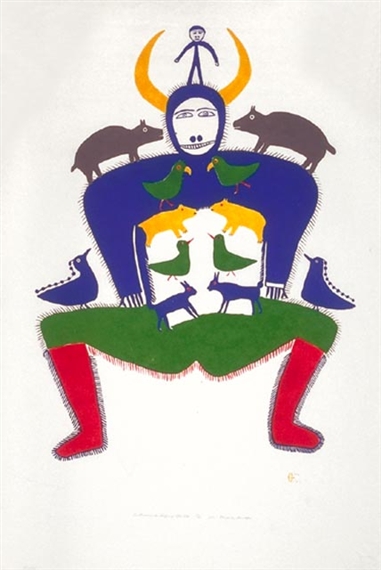
Their own comments accompany works throughout the galleries. This is an important detail in an exhibition concerned with moving beyond familiar representations of Inuit culture. Rather than leaving interpretation entirely to the museum, the display makes space for the makers’ explanations and observations. Visitors encounter individual perspectives within a selection spanning different generations and artistic approaches.
There is also attention to the practical business of making an image. A section devoted to printing techniques introduces the processes used by the artists, adding another dimension to the works on paper. With graphic art forming such a substantial part of the exhibition, understanding how an image is produced becomes part of looking at it, alongside its subject and the artist’s accompanying words.
A reconstructed large igloo provides the starting point for a route that branches into thematic sections. Visitors can move towards birds and other Arctic wildlife, explore the polar night, or consider the consequences of settlement and a changing climate. The structure allows these subjects to be approached separately while placing them within the same exhibition, where environmental and social questions repeatedly meet.
Printmaking gives this Brussels exhibition its strongest point of interest. Across seven decades, Arctic animals and mythology share space with questions of gender, settlement and climate change. For visitors whose knowledge of Inuit art begins with sculpture, these works on paper open up a much broader picture of what artists in Nunavut and Nunavik have to say.
Inuit – Impressions du Grand Nord canadien
Musée Art & Histoire, Brussels, Belgium
from 16 October 2026 to 18 April 2027