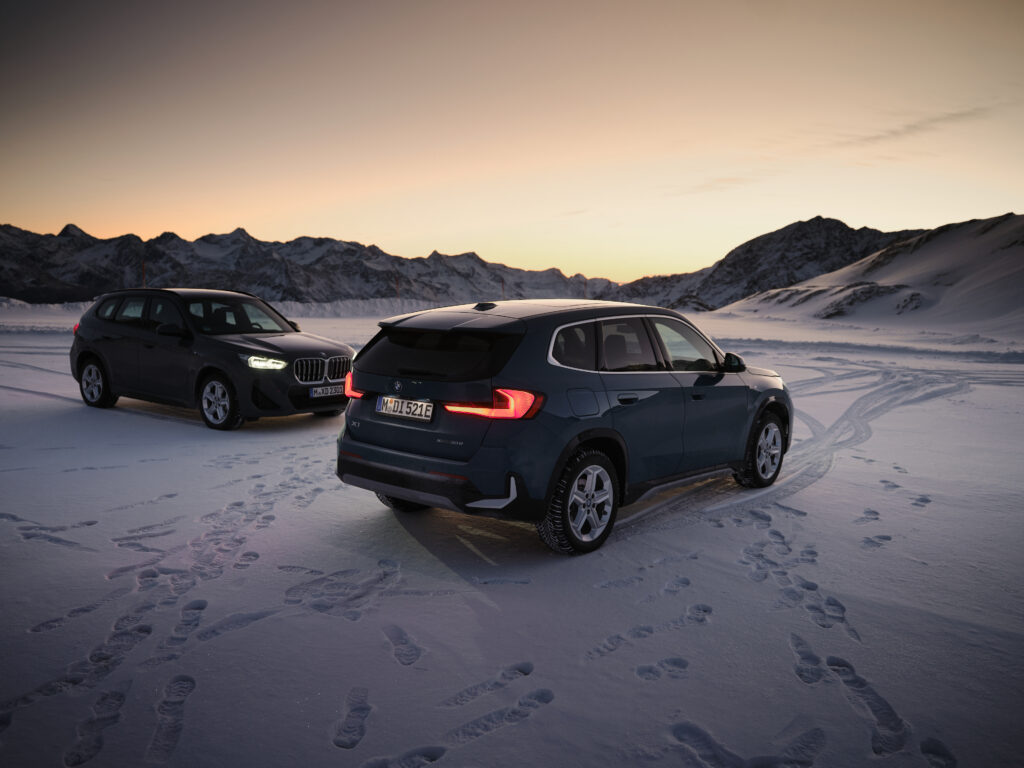
Test drive – BMW iX1 : Interesting in everyday use?
 Jean-Pierre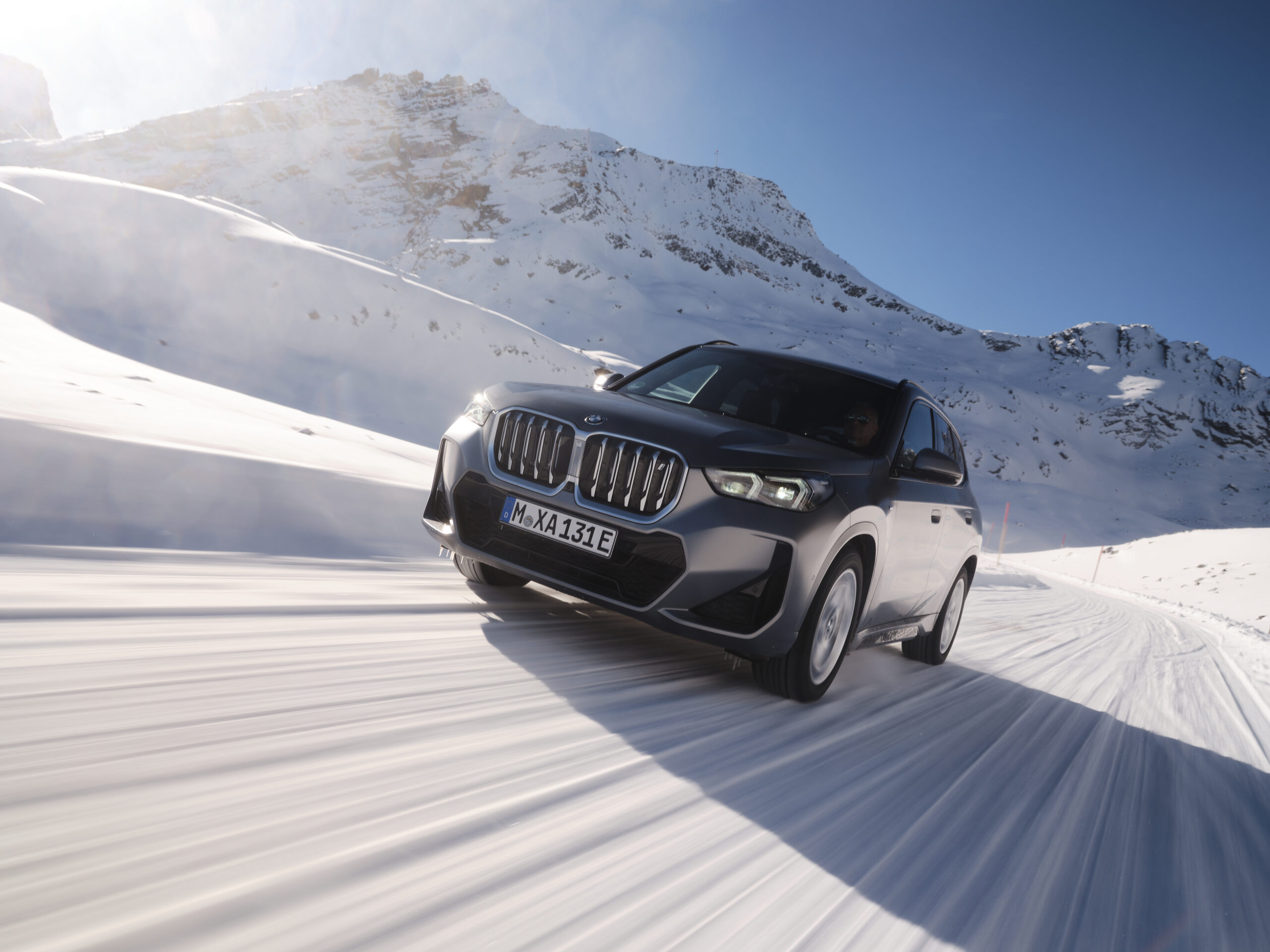
We spent several days behind the wheel of the BMW iX1: the fully electric version of the brand’s compact SUV. The idea was simple; understand whether this model, already popular among fleets and families, can truly stand on its own once the combustion engine disappears. Between city use, long stretches of motorway and a few unplanned detours, we tried to see whether the iX1 behaves like a genuine BMW or simply like another urban-friendly electric SUV.
Dimensions and exterior design : compact on paper, confident on the road
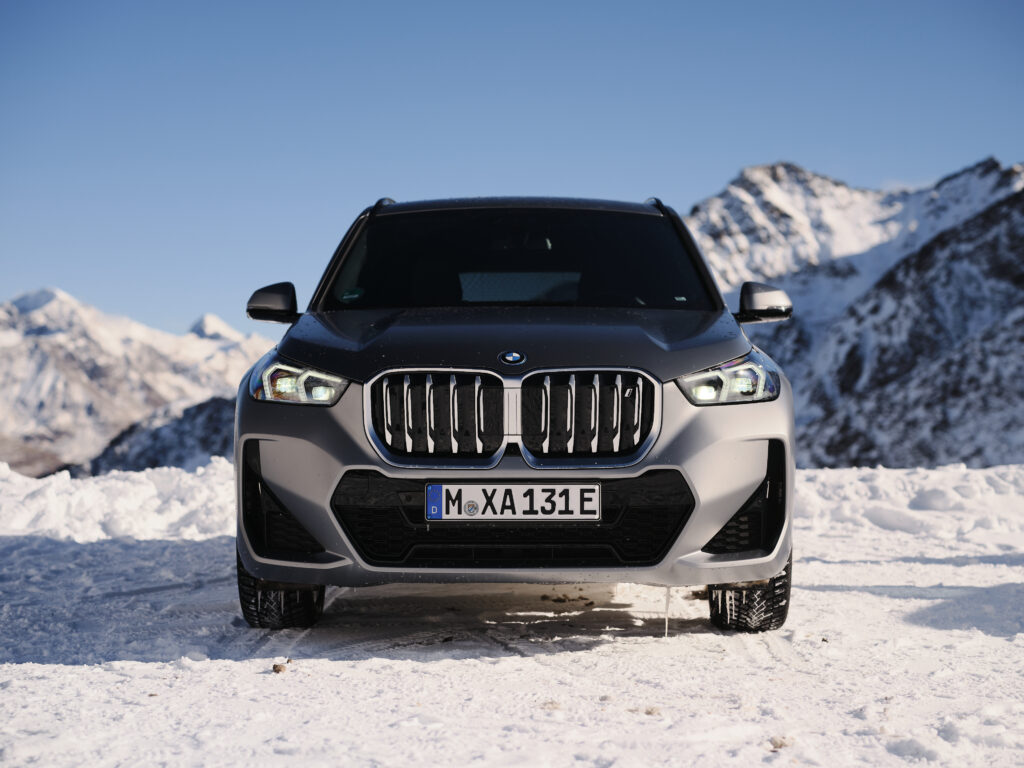
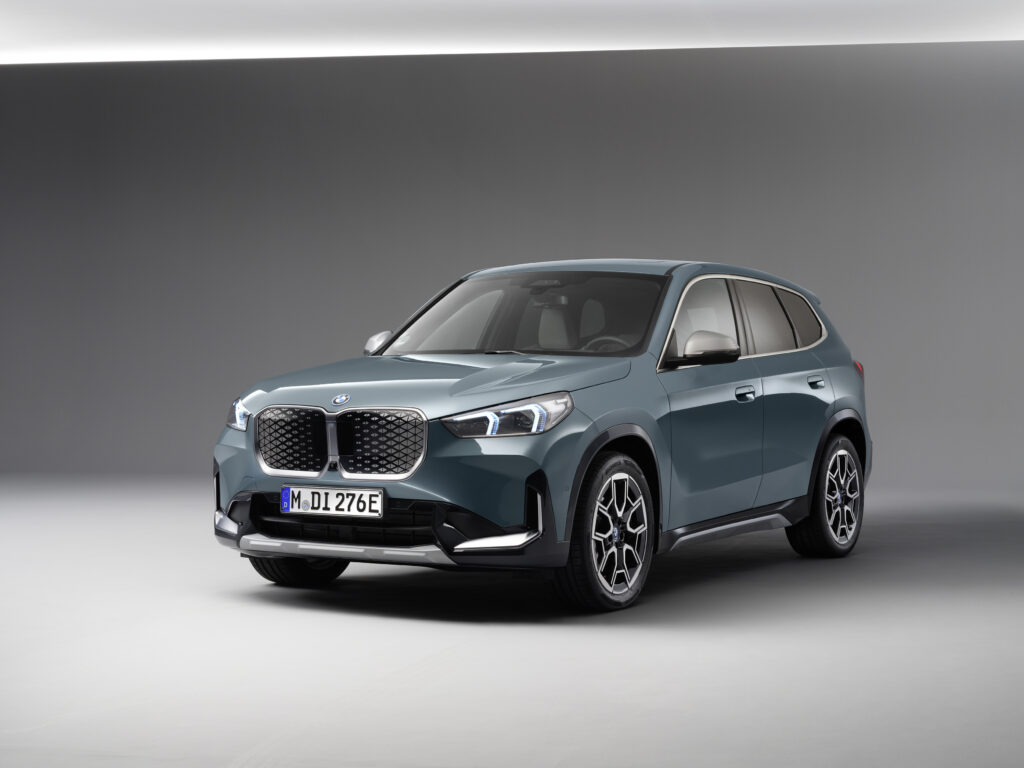
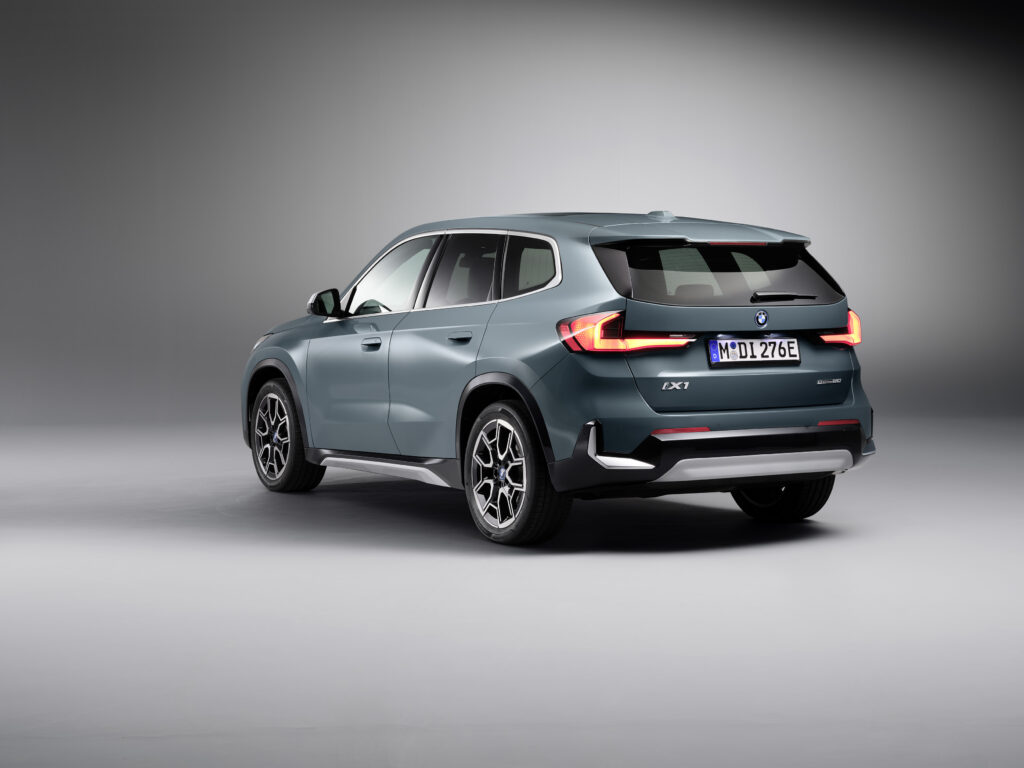
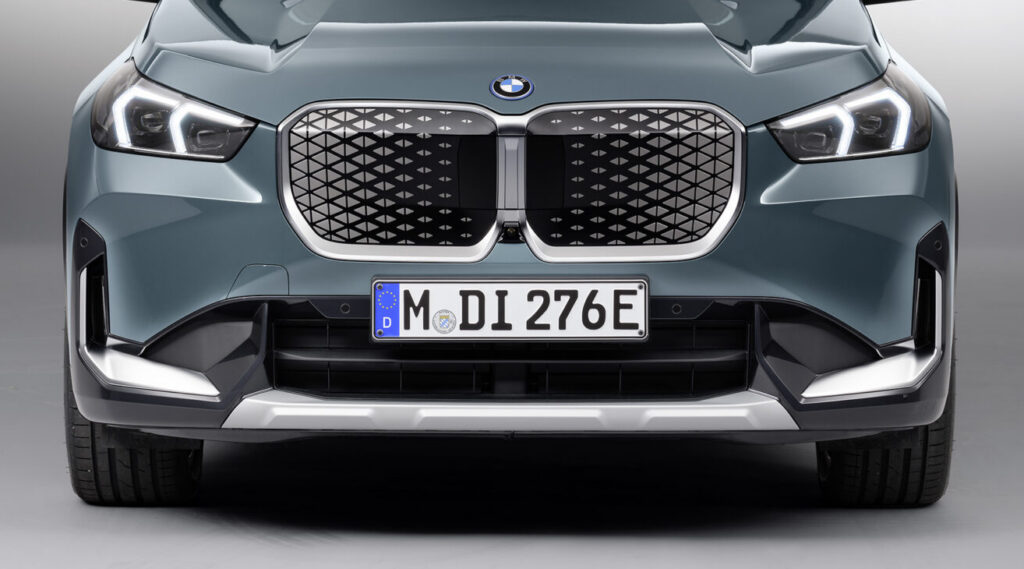
Although classified as a compact SUV, the BMW iX1 feels more substantial once seen in person. Its footprint stretches to around 4.50 metres, with a generous width and a relatively modest height; proportions that immediately convey stability and presence. BMW has kept things familiar; a recognizable front grille, sharp lines running across the body and a slightly muscular stance that subtly reinforces the SUV character.
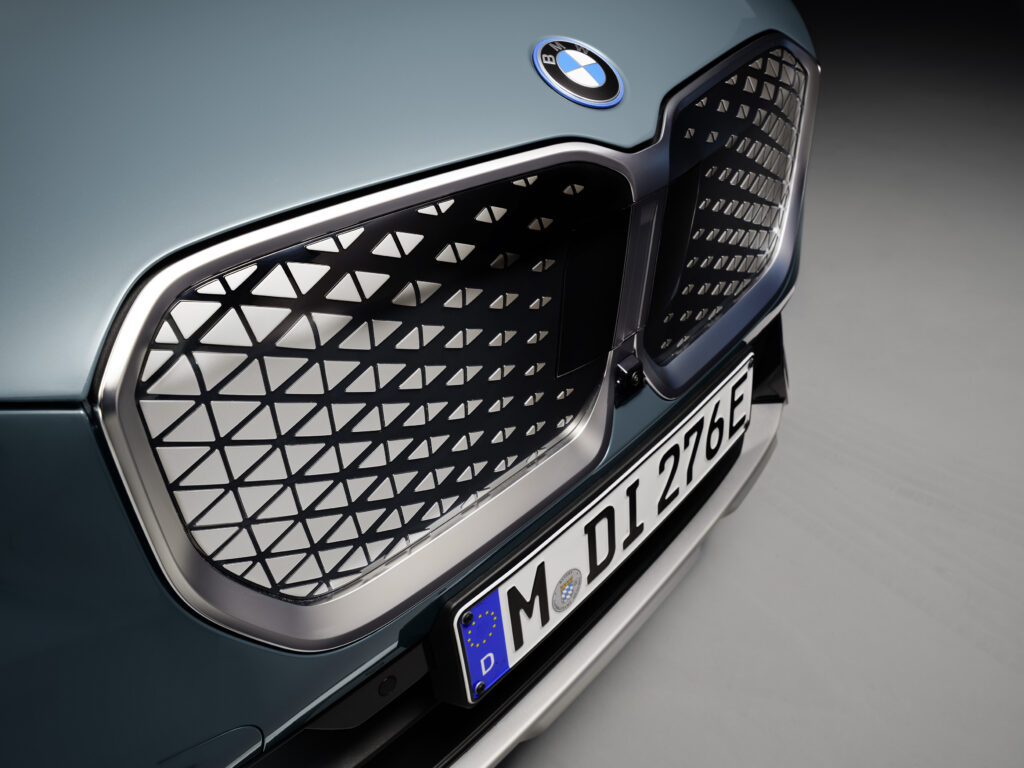
Compared with other electric SUVs that embrace futuristic cues, the iX1 stays deliberately sensible. The blue accents and closed grille highlight its electric nature, yet from a distance it could easily be mistaken for a conventional X1. It is a reassuring design; an approach that appeals to drivers who want a modern EV without shifting too far from the BMW identity. Even in a corporate car park, the iX1 feels discreetly premium rather than attention seeking.
The battery pack placed under the floor increases the overall mass without altering the vehicle’s posture too much; the silhouette remains balanced with a natural SUV look. In M Sport trim, larger wheels and sportier exterior elements give the iX1 a stronger presence but without drifting into excess.
Interior and ergonomics : a refined and modern cabin with a minimalist mindset
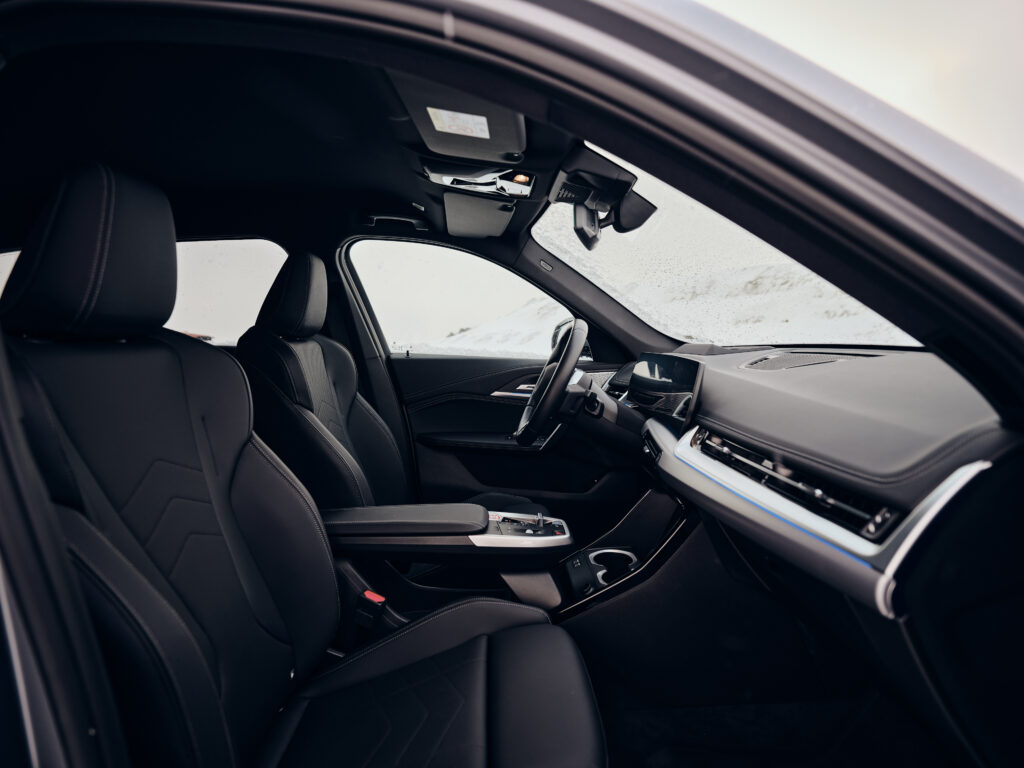
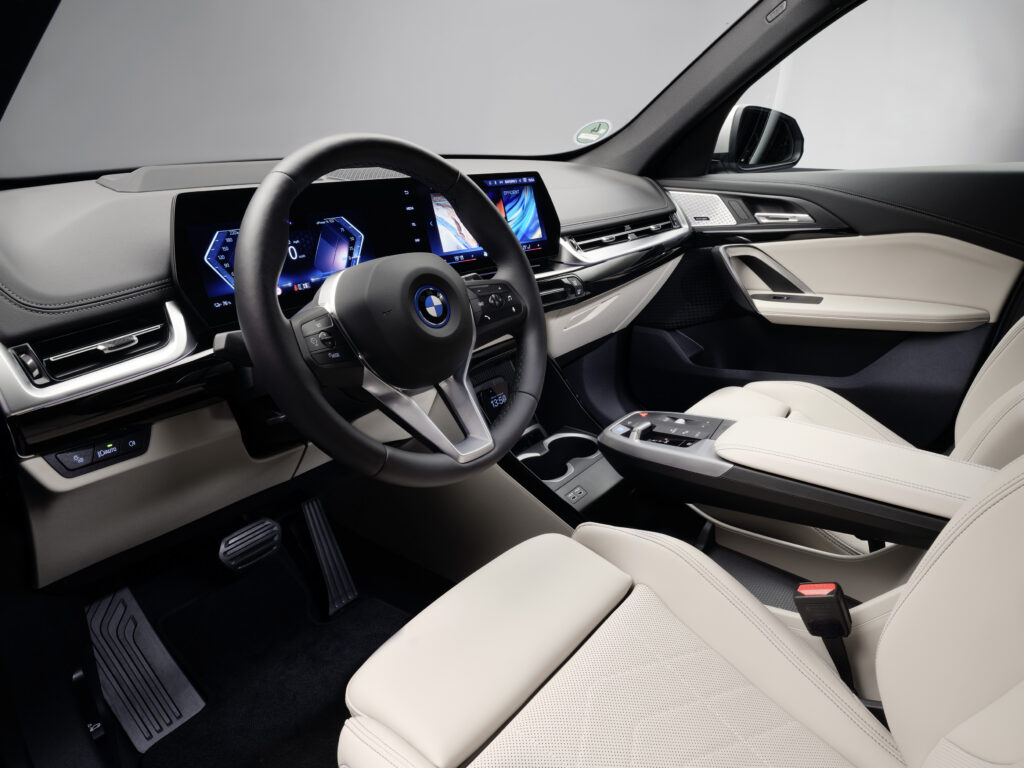
Inside, the atmosphere instantly feels familiar. Materials are high quality, assembly is impeccable and the driving position can be adjusted to perfection. There is generous space in the front row and enough room in the rear for adult passengers, making the iX1 a comfortable vehicle for daily commuting as well as weekend travel.
One of its strongest assets is the boot volume; with 490 litres available, it proves extremely practical for family use. The loading threshold is reasonably low and the double floor makes it easy to store charging cables neatly while preserving usable space above. Despite its compact classification, the iX1 offers the versatility required for an active lifestyle.
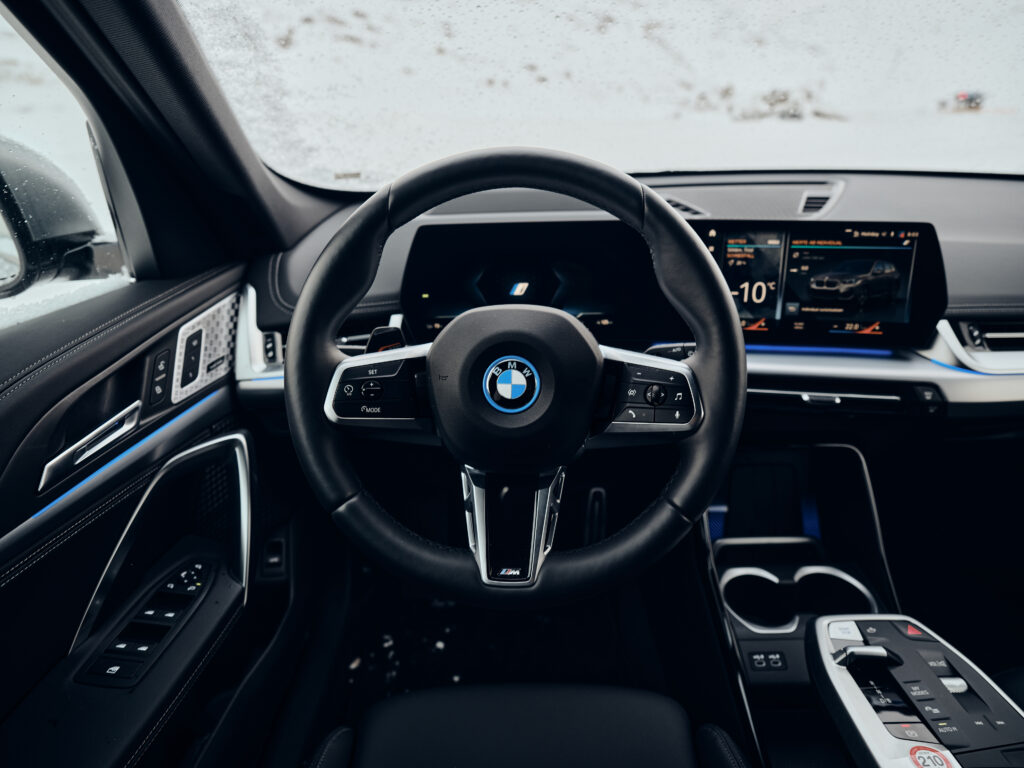
The cockpit is dominated by BMW’s Curved Display; a wide, slightly angled screen that brings together the digital instrument cluster and the central infotainment interface. It is fluid, intuitive and enriched with an electric route planner that accounts for real range, elevation changes and charging opportunities along the way. It genuinely feels like a smart co-driver during longer journeys.
However, the minimalist philosophy means that almost all physical buttons have disappeared. Basic functions such as climate control now require interacting with the screen; something that occasionally breaks the natural rhythm of driving until one becomes fully accustomed to the system. The voice assistant, while improving, still reacts inconsistently and sometimes misinterprets spontaneous conversations as commands.
Powertrains : two electric personalities depending on your needs
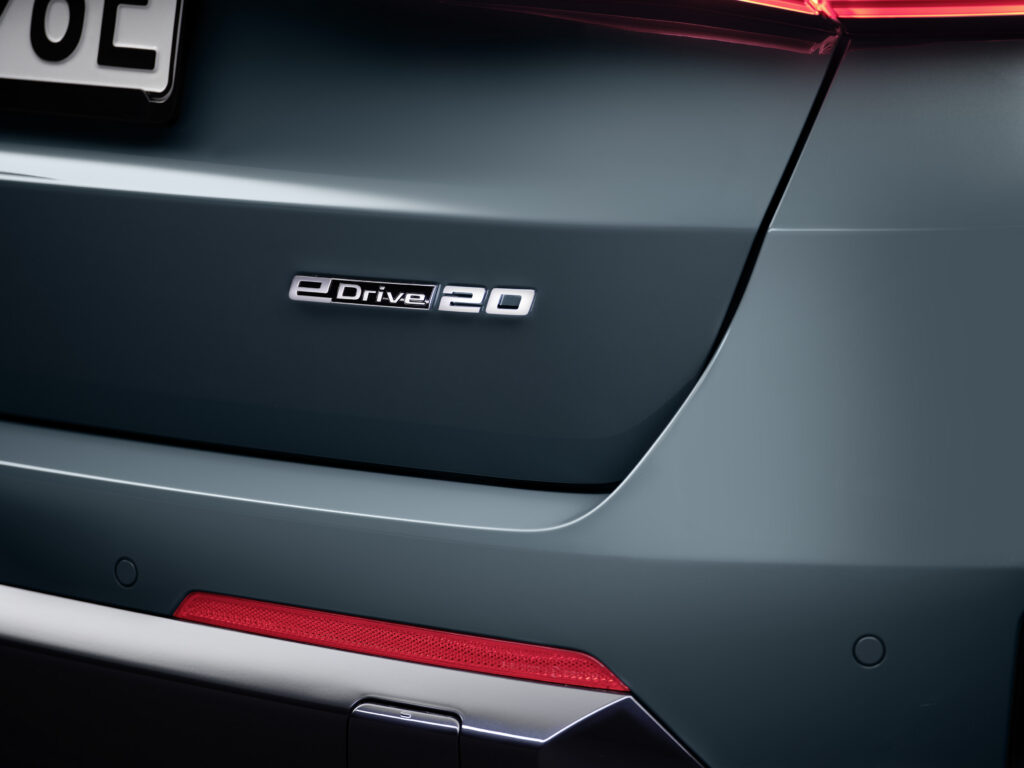
The iX1 range is based on two main electric versions. The first is the eDrive20; a front-wheel drive setup delivering 204 horsepower and a modest yet sufficient amount of torque for everyday use. The second is the xDrive30; a dual-motor configuration that sends power to all four wheels and reaches a combined output of 313 horsepower. The difference between the two is immediately noticeable; the eDrive20 favours efficiency and calm driving whereas the xDrive30 embraces a more dynamic and confident character.
Both versions use the same 64.8 kWh usable battery. Official WLTP range figures vary slightly across configurations, yet most real-world conditions place the iX1 between 340 and 380 kilometres on a mixed route including urban areas and motorway sections. These numbers remain coherent for a vehicle of this size and weight.
Charging capabilities are balanced rather than headline grabbing. Alternating current charging reaches 11 kW as standard; 22 kW is available as an option for faster home or workplace charging. Direct current fast charging peaks at 130 kW; not the most aggressive figure on the market, but the curve remains stable and predictable. During our tests, the promised ten to eighty percent charge in about thirty minutes was accurately met; helped by the automatic battery preconditioning triggered through navigation.
Driving experience : unmistakably BMW yet naturally more serene
On the road, the iX1 delivers what we expect from BMW. The chassis inspires confidence, the steering is precise and the overall feeling behind the wheel mixes control with fluidity. The eDrive20 version prioritises smoothness; its 204 horsepower is sufficient for daily use and the immediate electric response ensures stress-free acceleration. Under heavy throttle, the front axle sometimes reveals its limits since it must steer and deliver power simultaneously; yet the behaviour remains predictable.
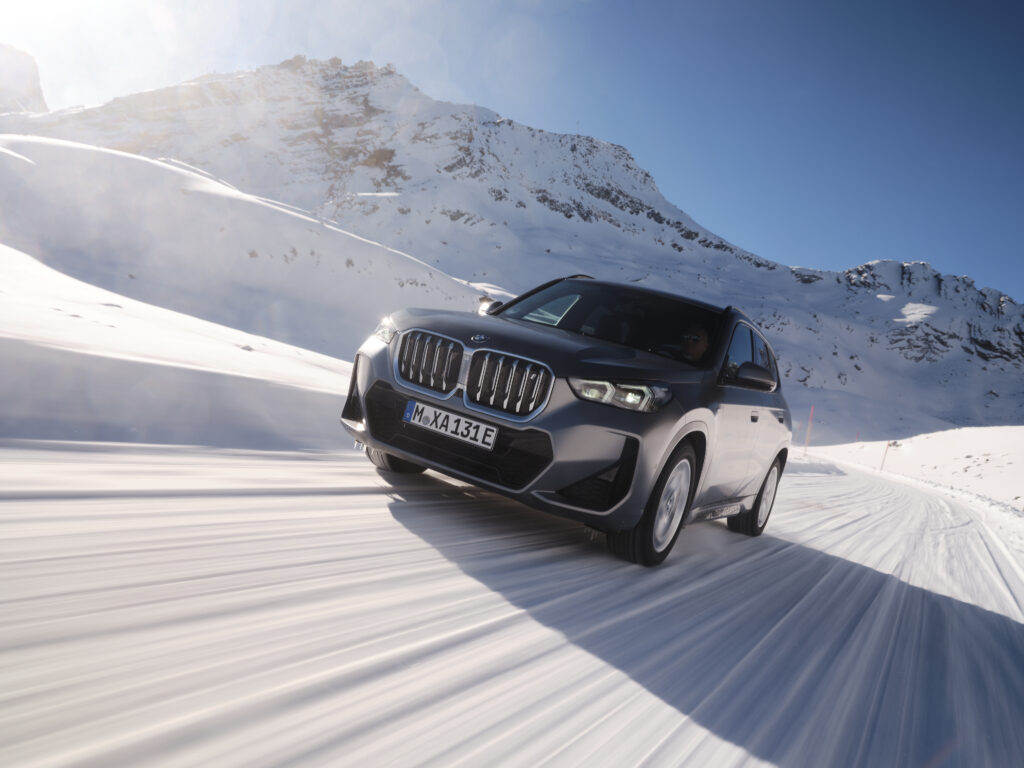
In xDrive30 form, the vehicle shifts into a more assertive mode. The dual motors bring a more invigorating level of performance and the all-wheel drive setup provides reassuring grip under all weather conditions. The rear motor subtly assists during corner exits, lightening the load on the front wheels and creating a balanced dynamic that is enjoyable without compromising stability.
The adaptive suspension available with M Sport specification successfully blends comfort with body control. Road imperfections are handled with finesse and the vehicle remains composed during quick lane changes or sweeping bends. Noise insulation is excellent; even at motorway speeds the cabin remains impressively quiet, reinforcing the premium comfort that defines BMW’s electric models.
In urban environments, the one-pedal driving mode is particularly pleasant. The regenerative braking is calibrated smoothly; making it possible to slow the vehicle almost entirely without touching the brake pedal. It quickly becomes a natural and enjoyable way to navigate city streets.
Conclusion : a coherent and well-rounded entry into BMW’s electric world
What emerges from our time with the BMW iX1 is the sense of continuity. Rather than reinventing the compact SUV from scratch, BMW has translated the spirit of the X1 into a fully electric format. The result remains faithful to the brand; a comfortable and refined cabin, an engaging driving experience, modern technology and a versatile size that fits effortlessly into everyday life.
The pros
– High quality materials and an authentic premium atmosphere
– Well-integrated electric route planner and charging management
– Optional 22 kW AC charging offers real convenience
The cons
– Fast-charging power limited to 130 kW
– Too few physical controls; heavy reliance on the touchscreen
– Voice assistant behaviour remains inconsistent
– Front-wheel drive version less dynamic under heavy acceleration
In the end, the BMW iX1 stands out as a mature and enjoyable electric SUV. It is not the model that aims to dazzle with extreme figures; instead it integrates seamlessly into daily routines and reflects the BMW philosophy in a cleaner, more forward-looking form. It feels like a natural evolution for drivers who want to enter the electric world without giving up the brand’s signature driving experience.