Test drive – Mini Cooper Cabrio : Open air pleasure
 Jean-Pierre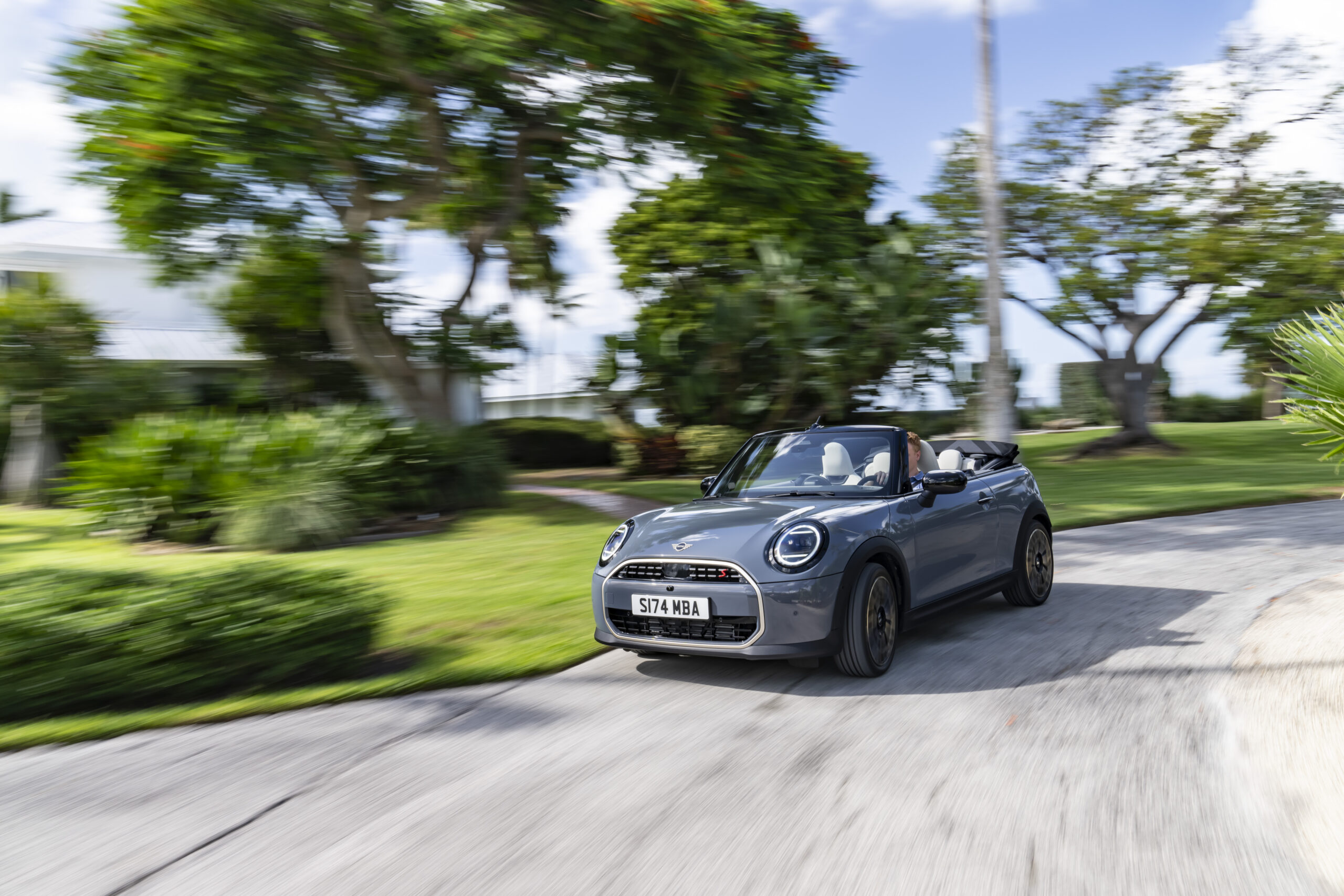
We thought small convertibles were slowly being pushed out by SUVs, regulations, and electrification. Then Mini comes back with something almost refreshingly straightforward: a compact four seat cabriolet with a fabric roof and petrol engines only. No electric version, no compromise on the concept. Just a car that reminds us, the moment the sun shows up, why driving with the roof down still feels special.
Dimensions and exterior design
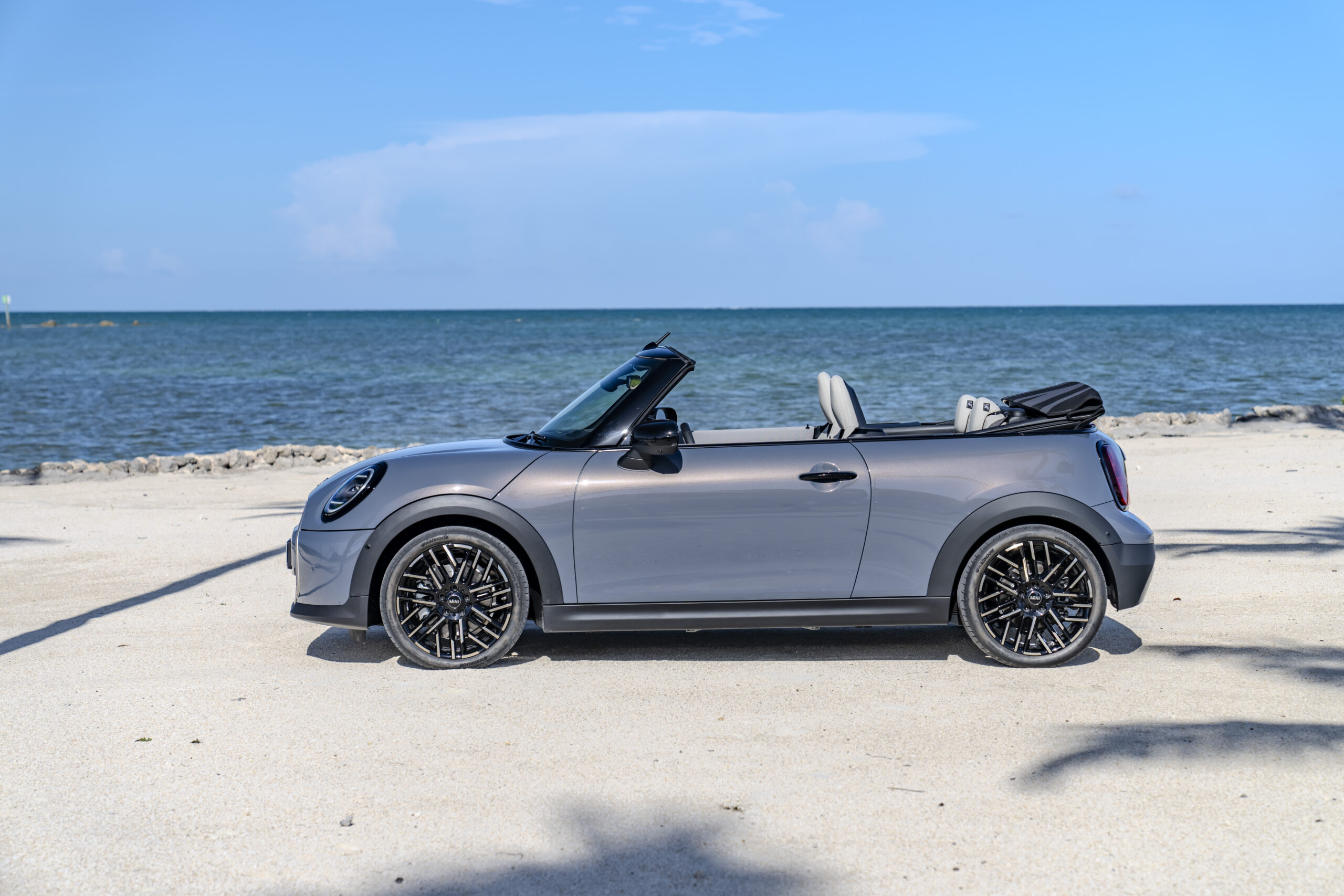
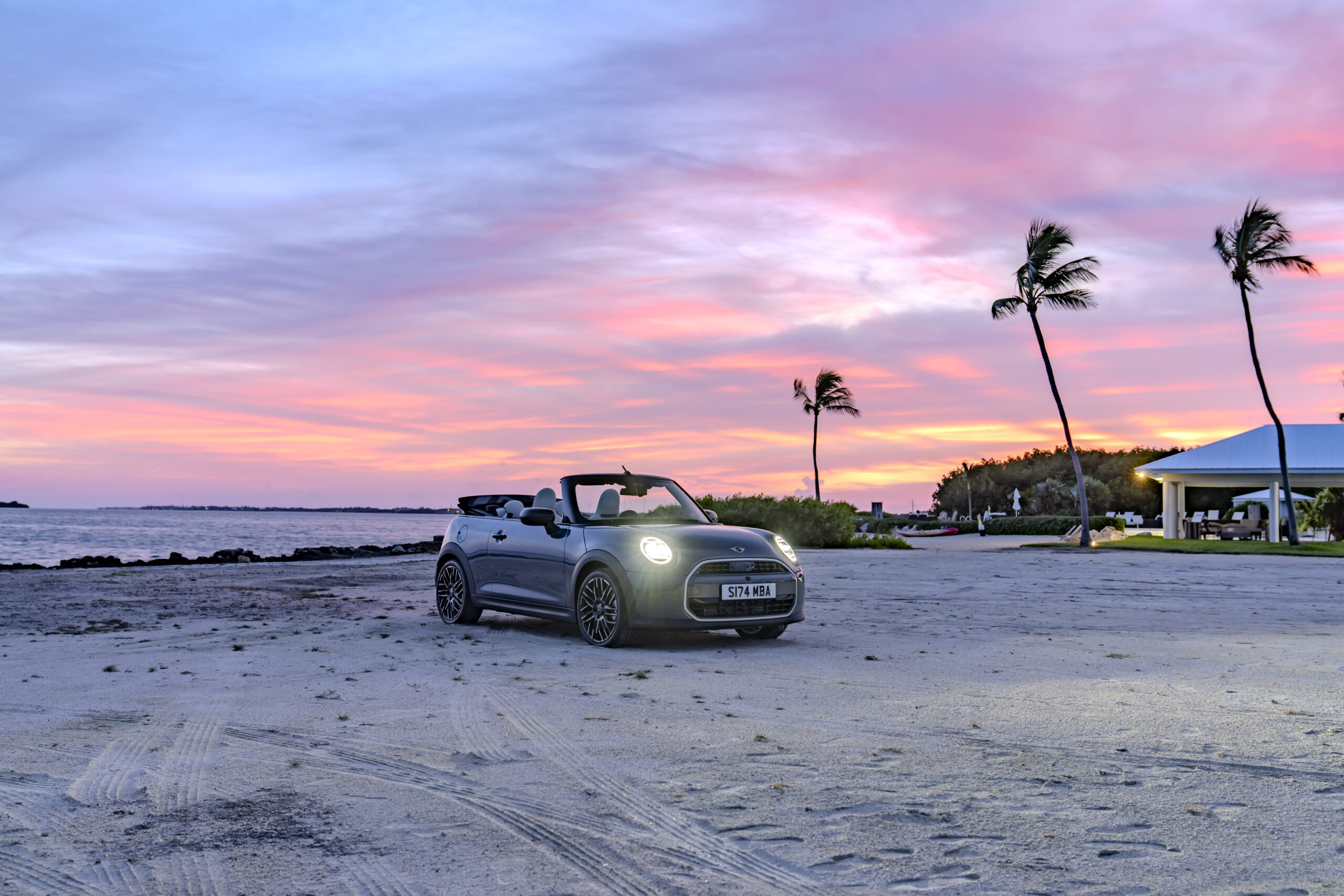
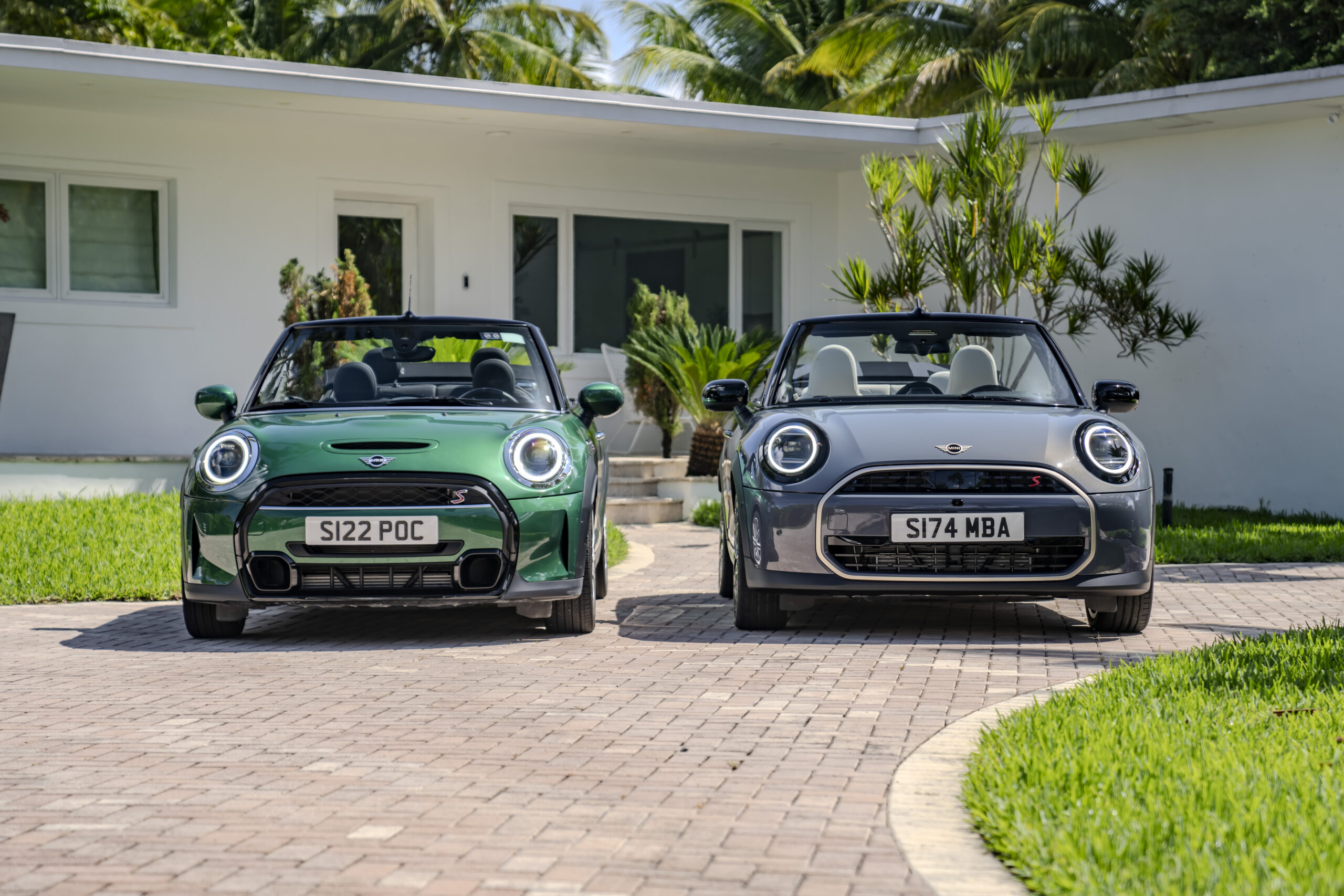
At first glance, this new generation does not try to reinvent the formula. And that is exactly the point. The silhouette stays short and compact, the windscreen remains upright, and the stance still looks like it was drawn for city streets and coastal roads rather than for fashion trends.
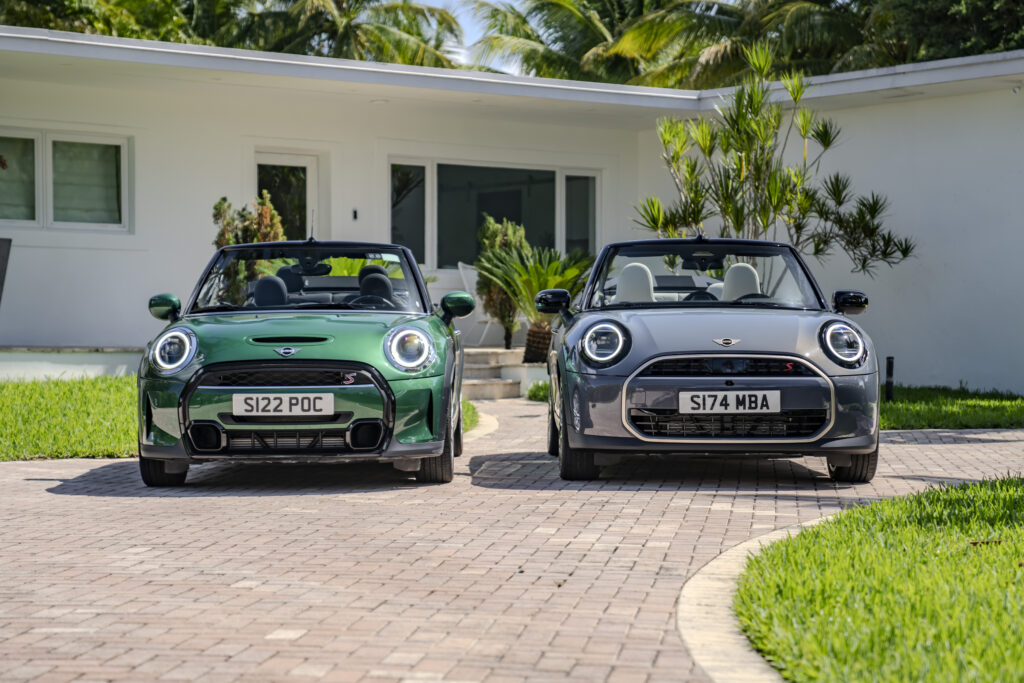
Size changes are modest. With roughly 3.88 metres in length, the Cabrio stays easy to place, easy to live with, and unmistakably Mini in its proportions. The design also keeps a few classic details that some other recent Mini models have moved away from, which gives this Cabrio a more traditional, neo retro charm.
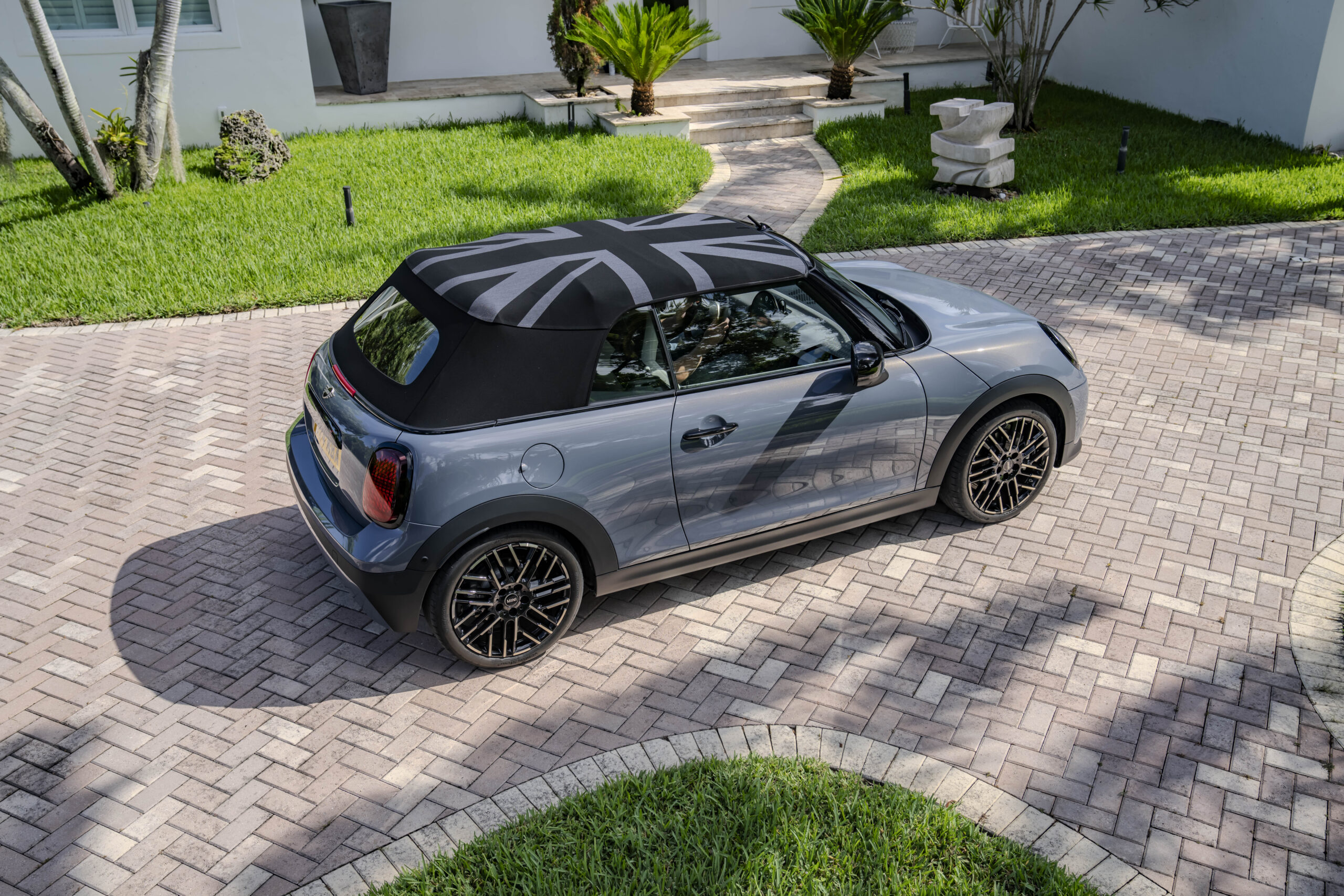
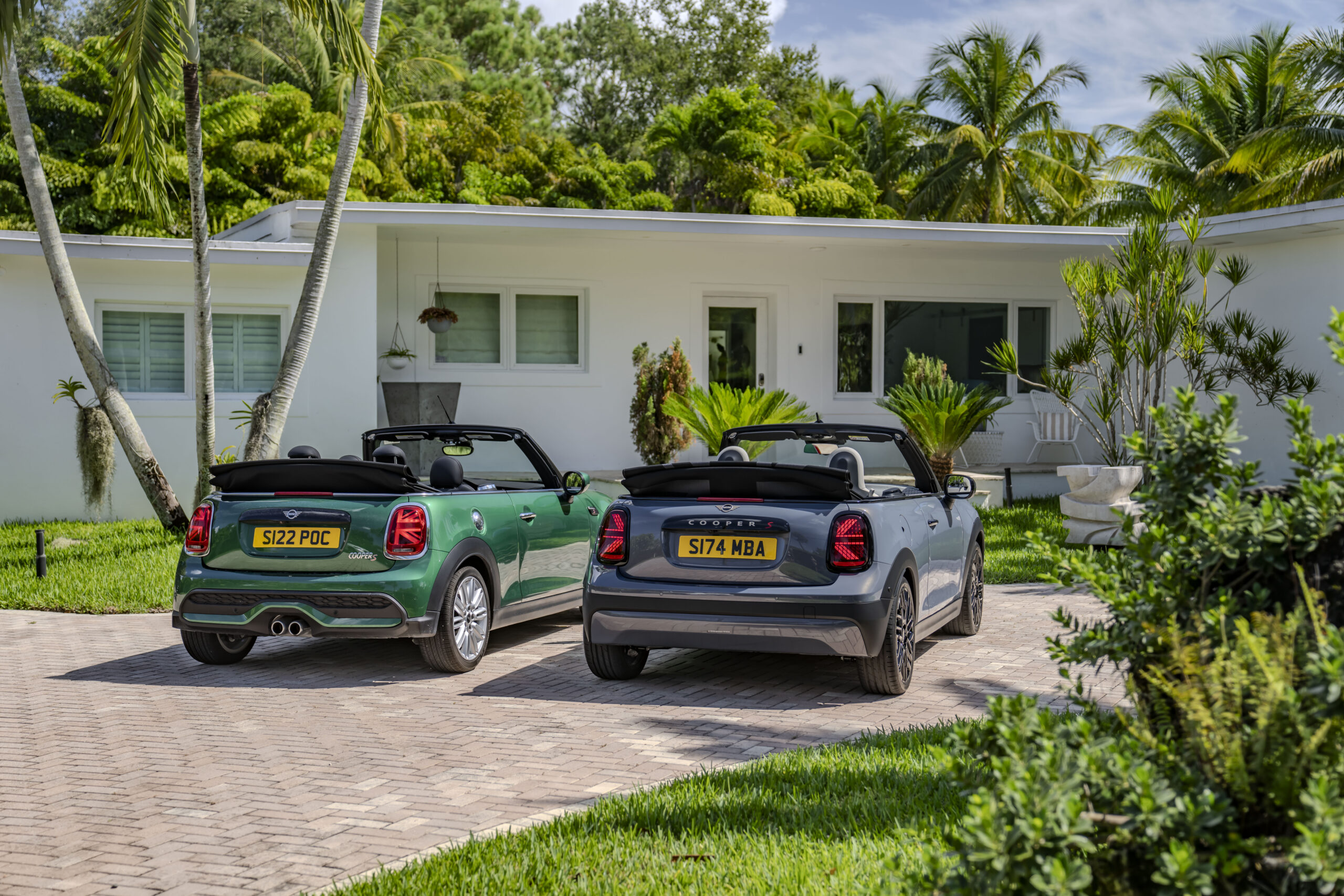
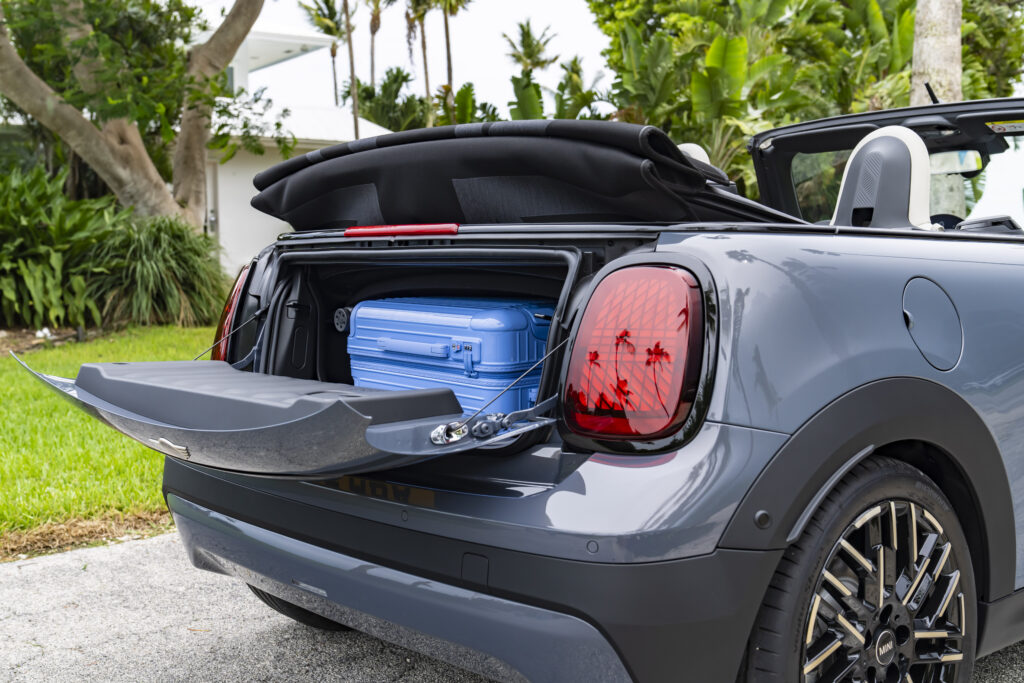
Personalisation remains part of the appeal. There is a wide palette of exterior colours, contrast mirror caps, and even an optional Union Jack stitched into the fabric roof. It is not essential, but it suits the personality. The roof folds back in the familiar backpack style, which looks great and makes the car feel like a real cabriolet, even if it does reduce rear visibility once it is down.
Interior design and ergonomics
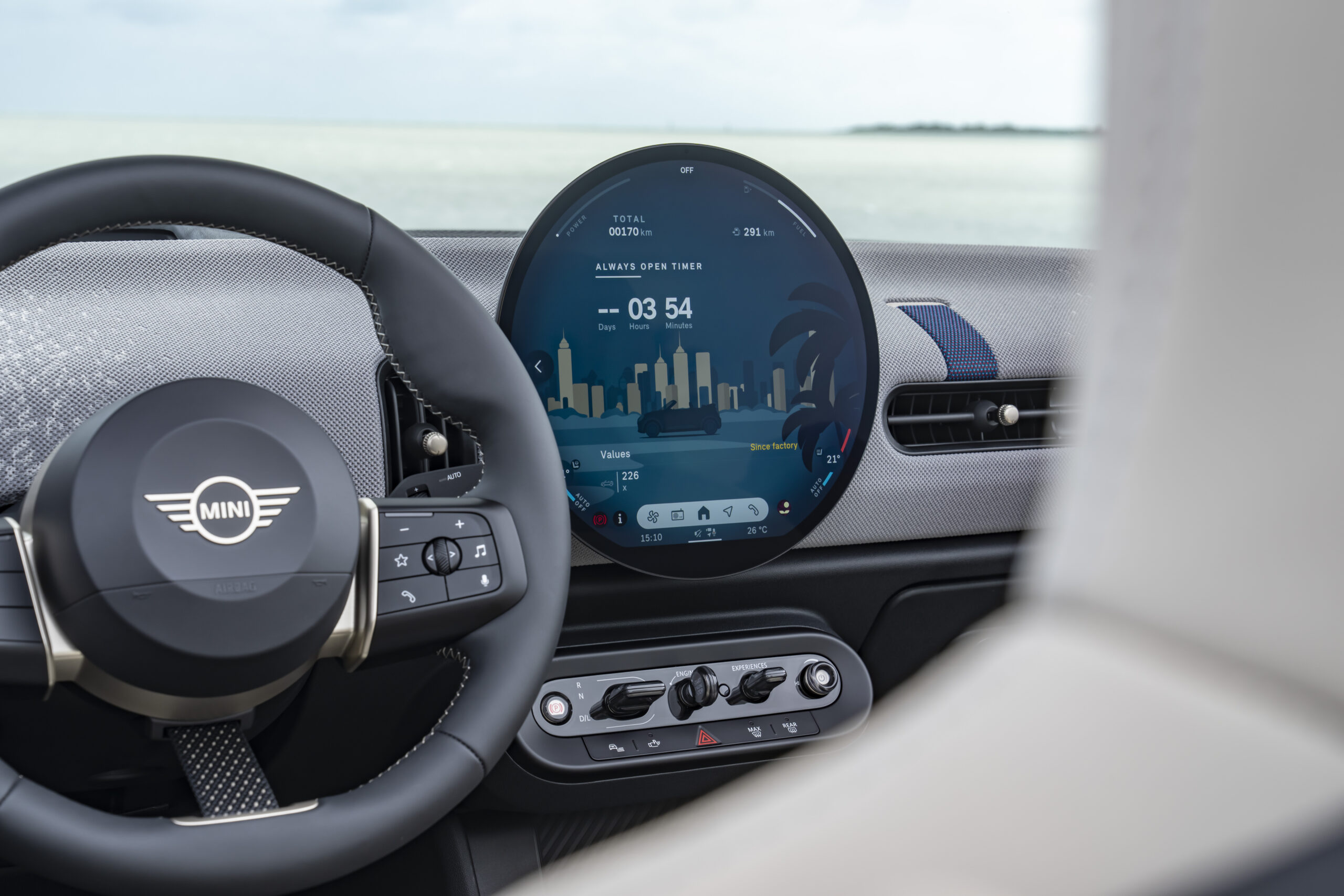
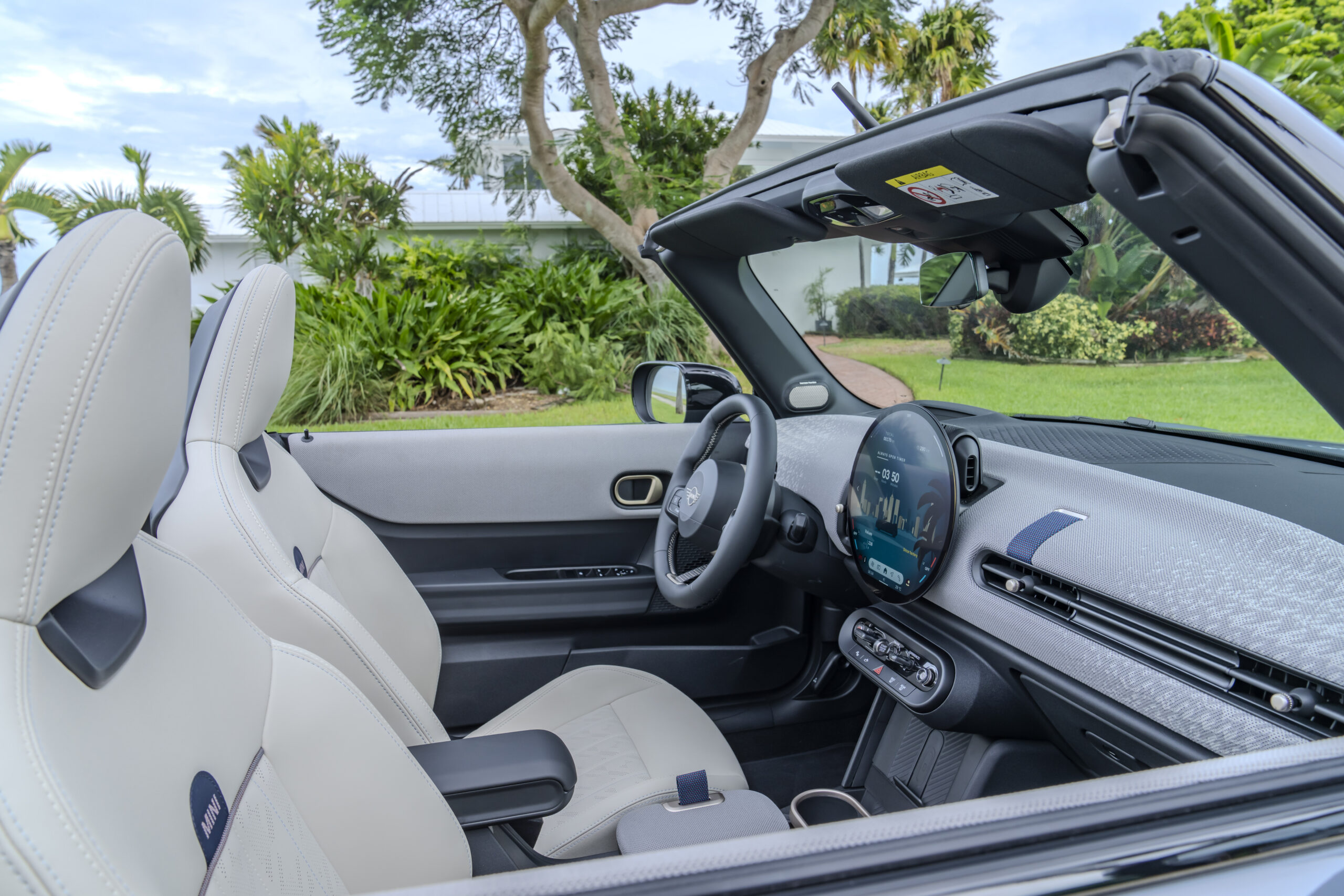
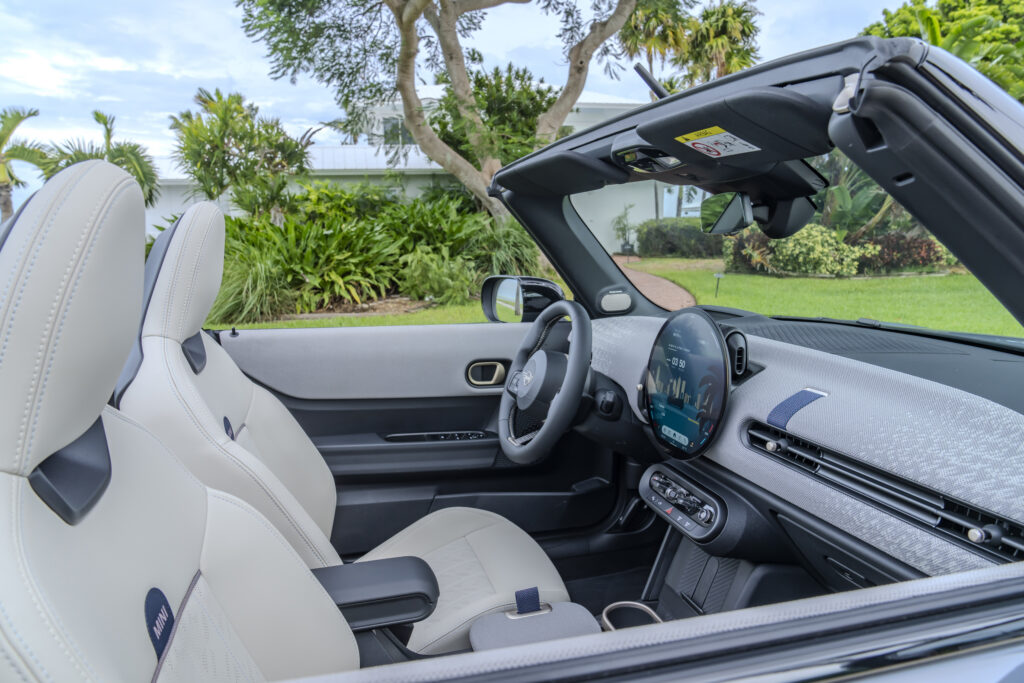
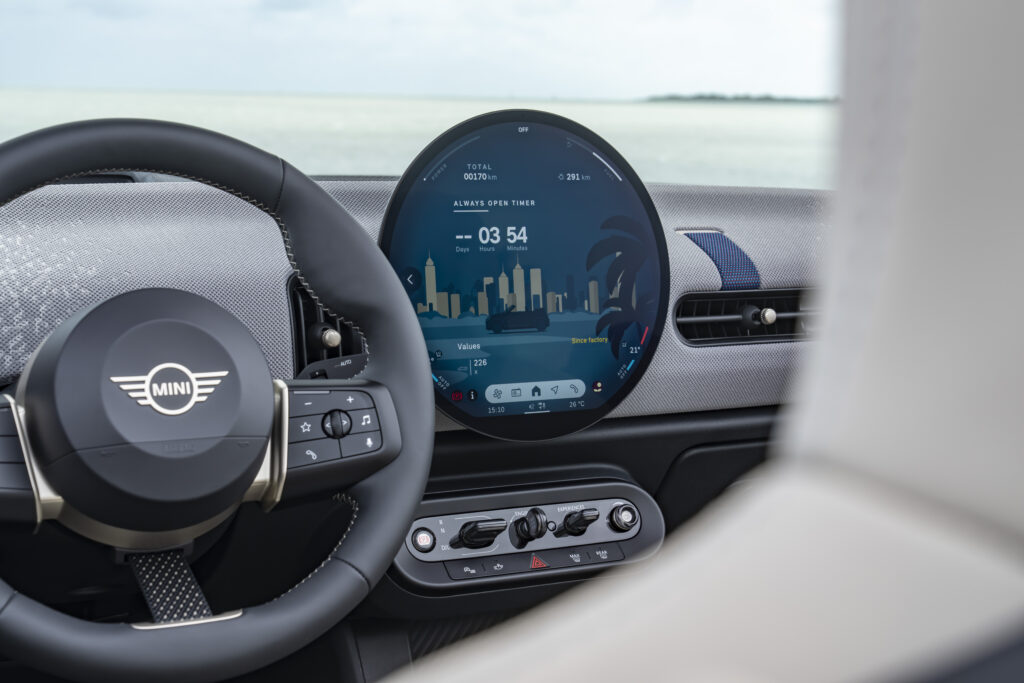
Inside, the atmosphere is modern but still playful. The cabin feels trendier than before, with colourful recycled fabrics and a clean dashboard layout. The focal point is the circular central screen, a Mini signature that looks like a classic dial reimagined for the digital era. Visually, it is striking and very much part of the brand identity.
In everyday use, you quickly realise how much the car relies on that screen. Most functions live in menus, which looks clean but is not always instinctive on the move. Mini has kept a few physical shortcuts for key functions, which helps a lot, but you still need a short adaptation period to feel fully comfortable with the interface.
Another notable change is the lack of a true instrument cluster behind the steering wheel. Information is mostly delivered through a head up display depending on equipment. It works, but for a driving focused car, we do miss the feeling of having everything clearly framed right behind the wheel.
Powertrains
The message is clear: the Mini Cooper Cabrio stays petrol only. The range is built around a 2.0 litre turbocharged four cylinder, offered in several outputs, and every version comes with a 7 speed dual clutch automatic gearbox. There is no manual option anymore, and there is no mild hybrid assistance either.
The line up is simple:
- Cooper C with 163 hp, already lively enough for the spirit of the car
- Cooper S with 204 hp, the sweet spot for everyday use and fun
- John Cooper Works with 231 hp, sharper, louder in attitude, and more expensive
In real life, the Cooper S feels like the most balanced choice. It has enough power to make the Cabrio feel genuinely quick, without turning it into a car that demands constant effort.
Driving experience
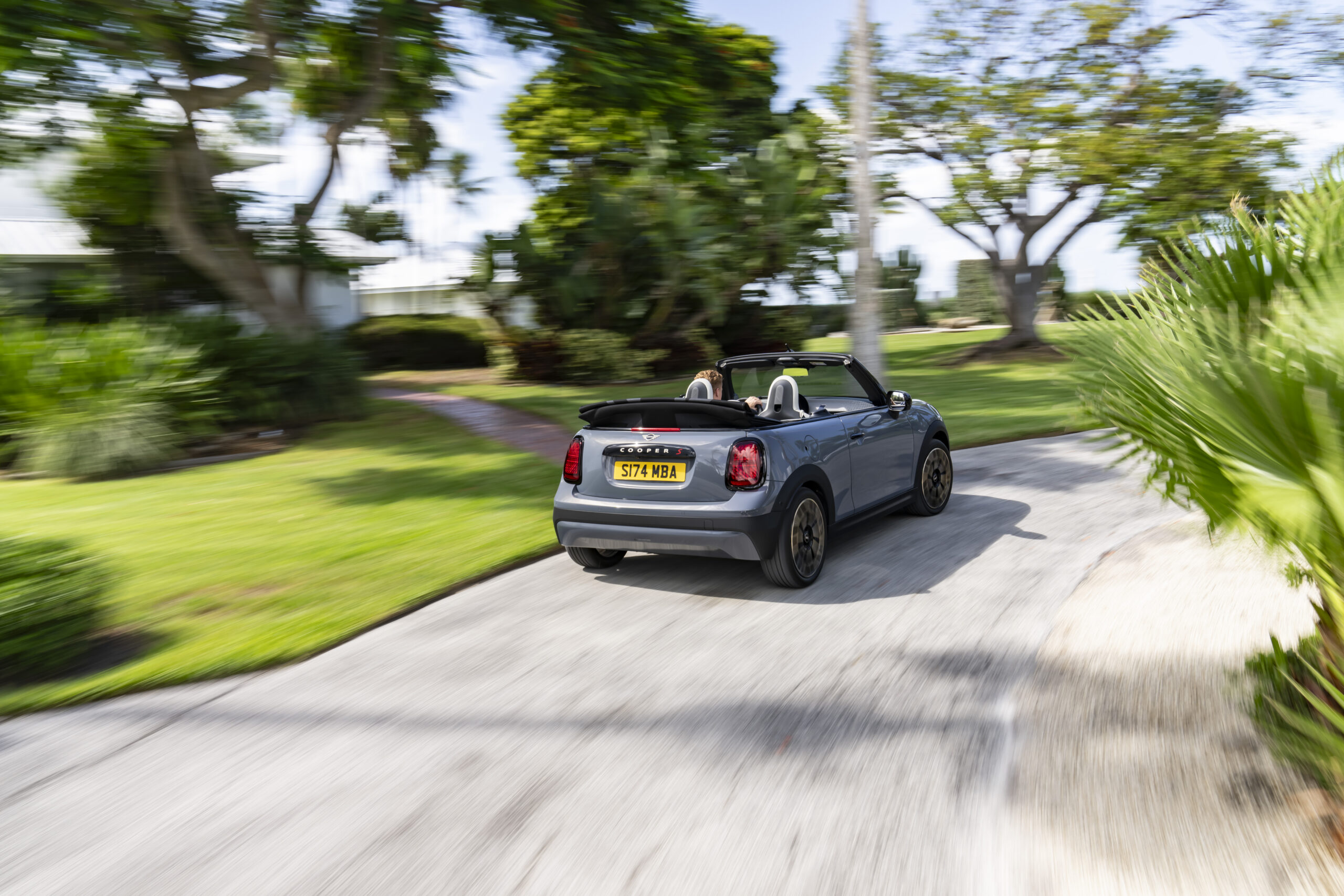
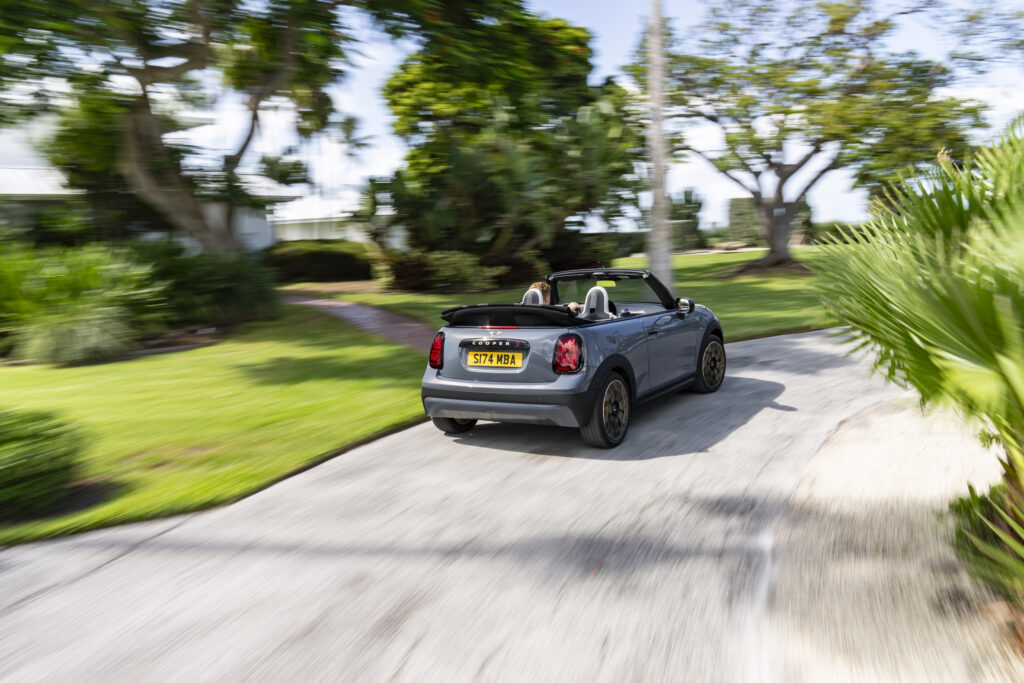
From the first kilometres, the Cabrio delivers what we expect from a Mini: a car that makes us want to play with the steering wheel. The proportions help, the steering is direct, and the chassis feels alert. Even if the car has gained weight over the years, the overall impression remains agile and lively.
On smooth roads, it is exactly the kind of convertible that turns an ordinary drive into something lighter and more enjoyable. The Cooper S engine pulls strongly, with torque arriving early, and the soundtrack is engaging enough to match the mood without becoming tiring. The gearbox can feel relaxed in normal driving, but it responds much faster in a sportier setting.
One detail matters if you like to stay involved: steering wheel paddles. Without them, you are essentially letting the gearbox do everything, which takes away part of the fun. With paddles, the car feels more interactive and more consistent with the Mini mindset.
Comfort remains a weak point, as expected. The suspension is firm, sometimes very firm, especially on rough surfaces. It is part of the character, but it can feel busy and tiring if your daily routes are full of broken asphalt or sharp speed bumps.
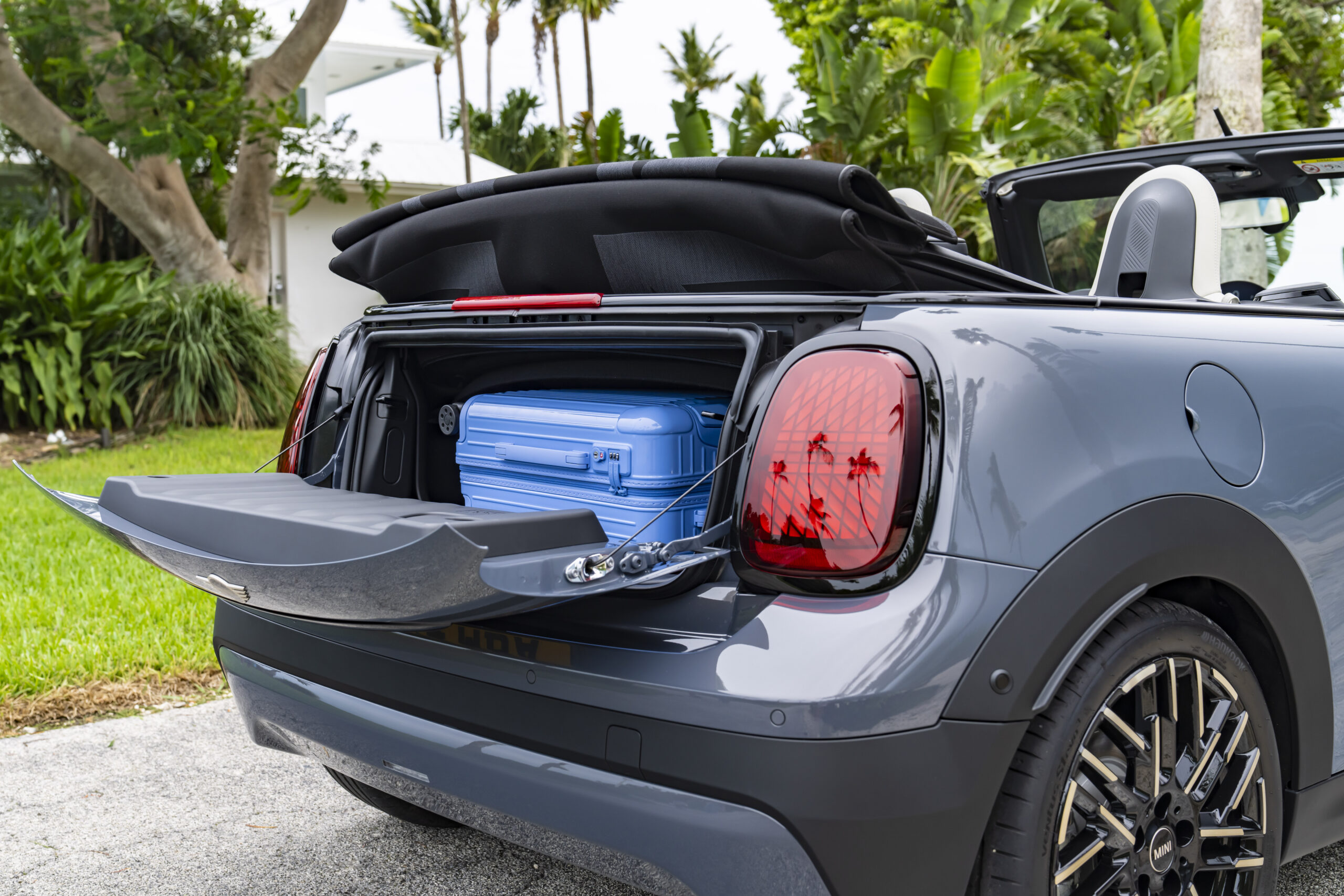
Roof operation is a highlight. The fabric top opens and closes quickly, and you can operate it at low speeds. With the roof down, wind protection is decent, especially with the optional wind deflector, although we would prefer it to be standard. Rear visibility becomes limited once the roof is folded, so you rely more on the reversing camera, which is thankfully easy to live with.
Conclusion: the pros and the cons
The Mini Cooper Cabrio does not try to rewrite its story, and that is why it works. It is a rare kind of car today: a premium small convertible that feels charming, personal, and genuinely fun, with petrol power serving a simple sensory experience. Yes, the rear seats are mostly for children, the boot is small, and the ride can be harsh. But on a sunny day, on a good road, it delivers exactly what it promises.
The pros
A true convertible sensation, with a strong open air feel
Agile, lively handling, classic Mini spirit
Cooper S engine feels strong and well matched to the car
The cons
Rear seats mainly suited to children
Small boot, even smaller with the roof down
Firm ride on rough roads