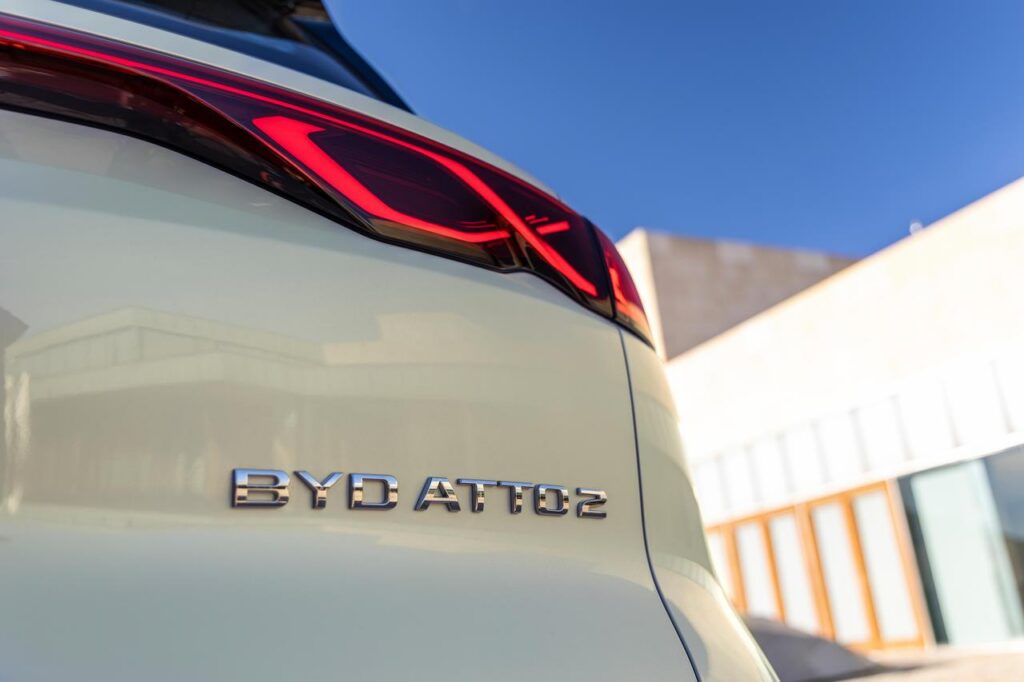
Test drive – BYD Atto 2 : It feels seriously well built
 Jean-Pierre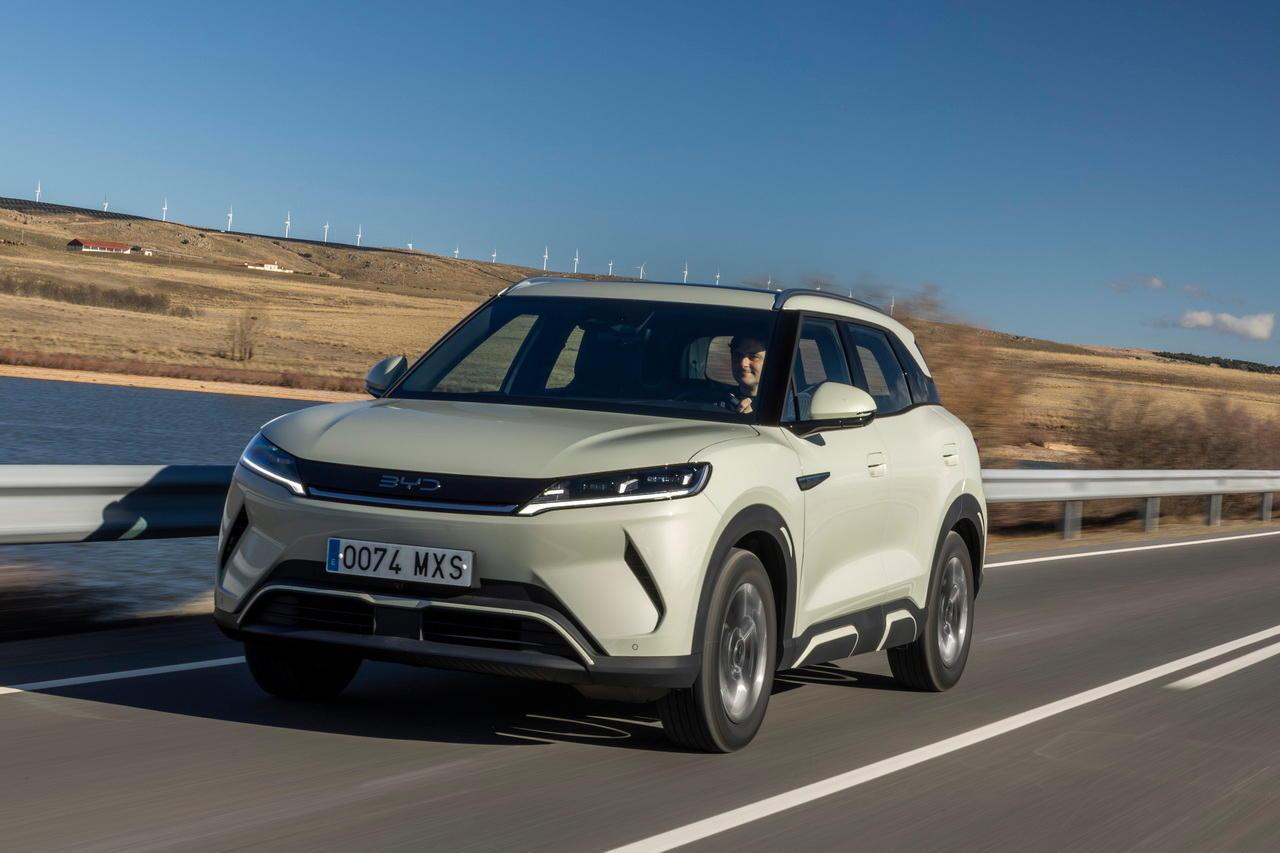
More and more compact electric SUVs are landing on our roads, yet it is still rare to drive one that immediately feels like a finished, fully mature product. With the Atto 2, BYD is clearly targeting urban and suburban use, while promising enough boot space and everyday versatility to appeal to small families. We approached it the way we would actually live with it: tight manoeuvres, dense traffic, smaller roads, then a stretch of motorway to see whether comfort and composure match the ambition.
Dimensions and exterior design
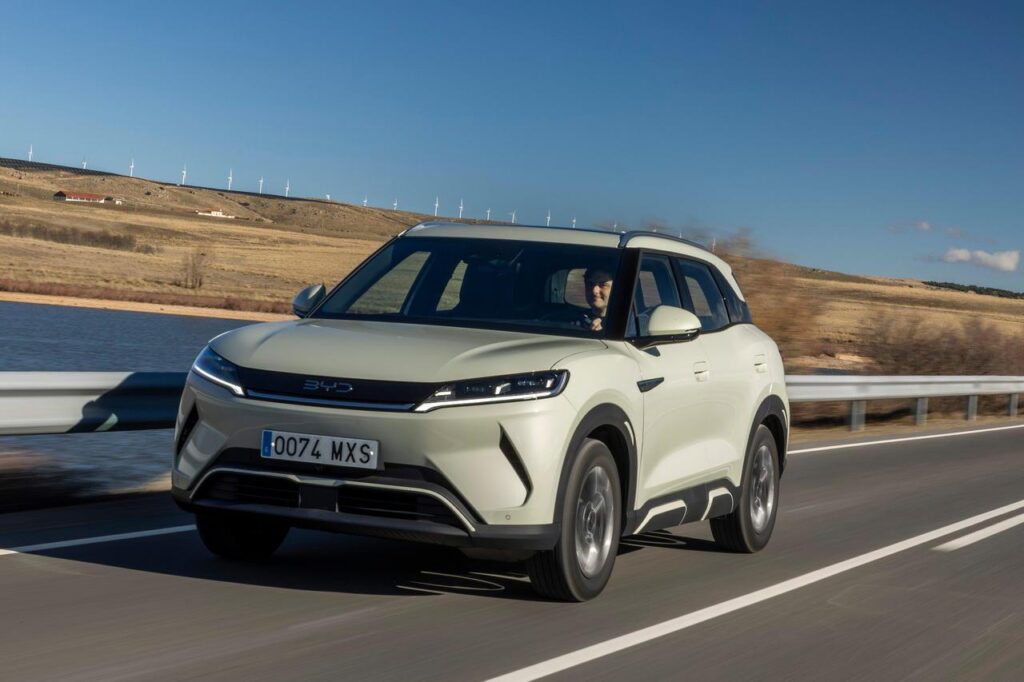
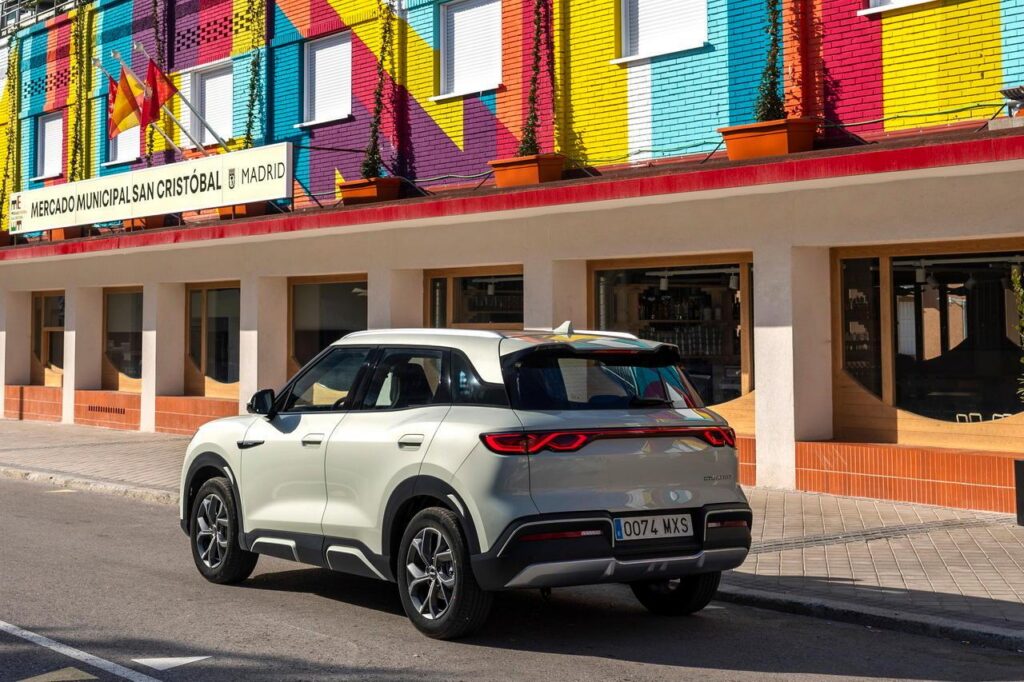
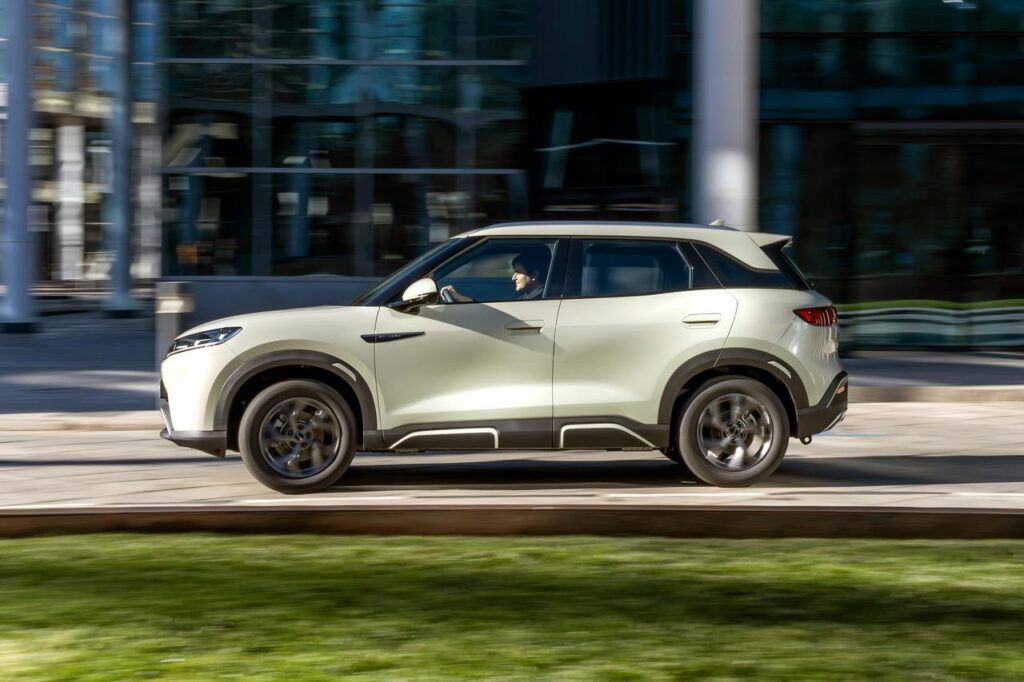
At 4.31 metres long, the Atto 2 plays the easy to live with card. It still has a fairly broad stance for the segment, with a generous width and a tall profile that reinforces the elevated driving position, yet it remains short enough to stay stress free in town. Ground clearance is more measured than some rivals, which is a reminder that this is first and foremost an urban SUV built for speed bumps, kerbs, and car park ramps, not for off road ambitions.
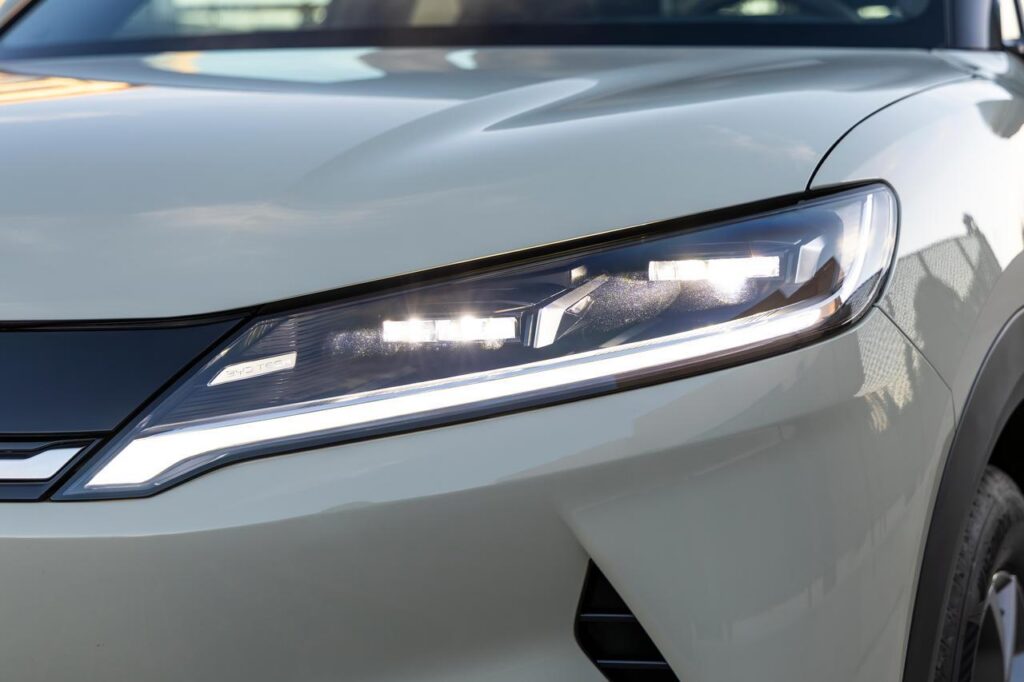
In terms of styling, it did not strike us as a car that tries to be dramatic. Instead, it feels coherent, with a lighting signature that fits the BYD family and clean, modern lines that do not push too hard. In traffic, it blends in well, and that may be part of the point: rather than chasing trends, it goes for a tidy, contemporary look that should age nicely.
Interior design and ergonomics
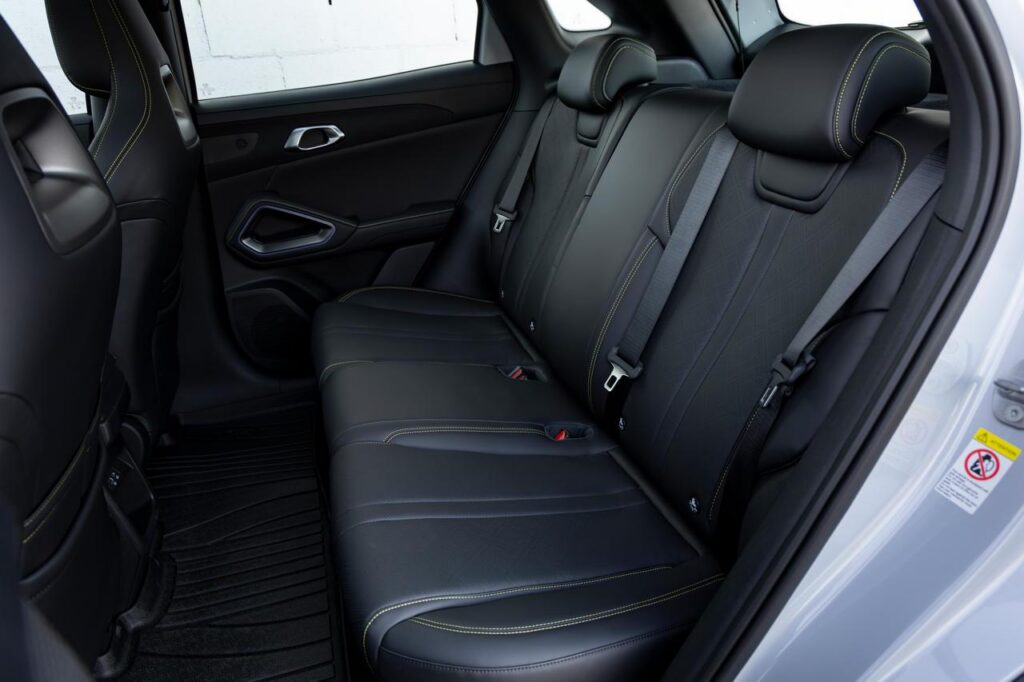
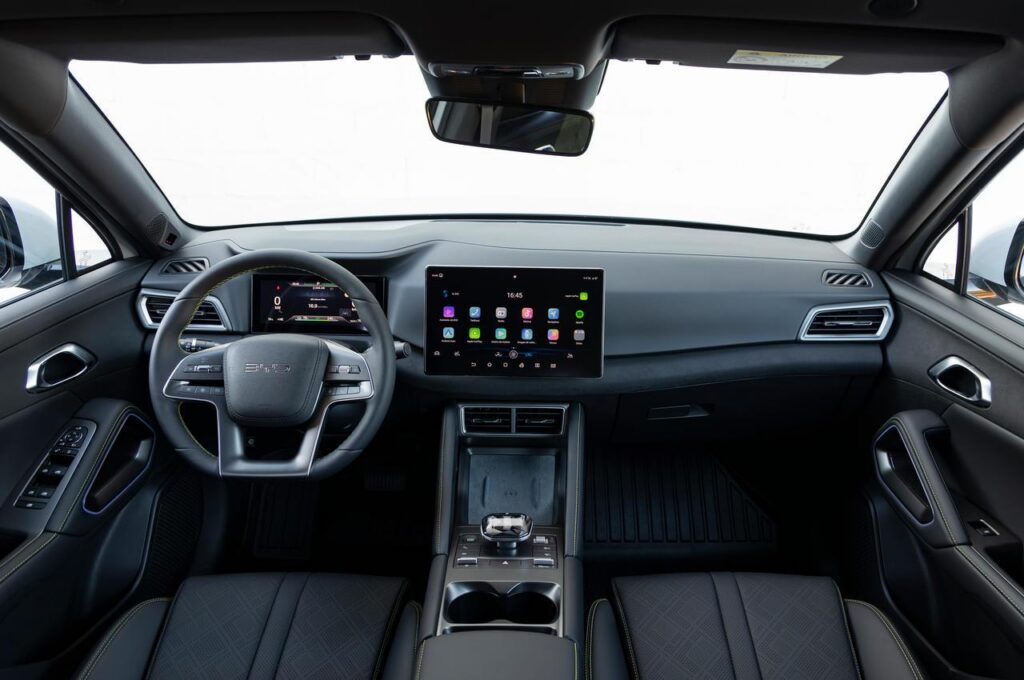
Step inside and it becomes clear why BYD is gaining a reputation for perceived quality. The assembly feels tight, panel fit looks serious, and the cabin gives a solid, well engineered impression as soon as you start touching the upper materials. Lower down, harder plastics appear, which is expected in this class, but the overall atmosphere remains surprisingly upmarket for the size.
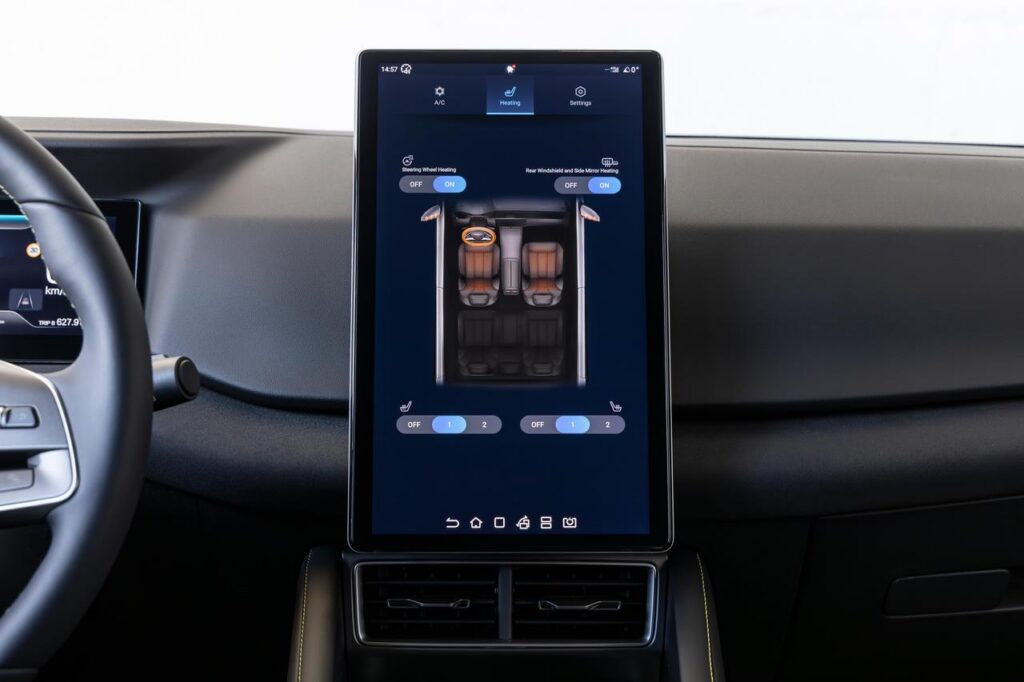
The ergonomics are screen focused, with a digital driver display that stays readable but can suffer from reflections, and a central screen that effectively controls most of the car’s functions. Depending on the trim, the display changes in size, and the interface feels generally smooth, with practical shortcuts that help you avoid taking your eyes off the road for too long. Apple CarPlay and Android Auto are both present, which matters when everyday life is a mix of commuting, appointments, and last minute plans.
Up front, the driving position is high and visibility is reassuring, but there is one small frustration: only the driver benefits from certain key adjustments, which can be noticeable if the car is shared often. Still, BYD pays attention to the details that shape daily comfort: plenty of storage, well placed ports, and on higher trims, wireless charging that fits how we actually use our phones.
Powertrain options
In our market, the Atto 2 arrives with a 130 kW electric motor, which is a strong figure for this segment, paired with immediate torque that suits an urban SUV perfectly. Power comes from an LFP battery a little over 45 kWh in gross capacity, a chemistry often appreciated for its robustness, even if the capacity is deliberately kept modest.
The end result is a lively, effortless car that feels quicker than you might expect from a compact SUV aimed at city life. The promise is clear: prioritise efficiency and everyday running costs rather than pretending to be a long distance EV with a huge battery.
Driving experience
In town, the Atto 2 is genuinely easy to drive. The silence, the instant response off the line, and the overall smoothness make urban trips feel lighter and less tiring. Parking assistance features are there to simplify manoeuvres, and while the turning circle is not a category record, it remains a car that handles narrow streets and tight car parks without drama.
Comfort is broadly convincing, with suspension tuning that filters most imperfections well, even if the rear can feel slightly firm over certain sharp bumps, which makes sense with a torsion beam layout. The steering is not the most natural at low speed, with limited self centring and a slightly artificial consistency that can feel a bit sticky in manoeuvres.
One aspect that stood out in real use is how intrusive some alerts can be. Certain safety systems are useful, but the way they demand attention can become tiring, especially when you have to dive into sub menus to switch off an overactive driver monitoring function at every restart. In a car designed for city life, we would prefer something more direct and calmer.
On the open road, the Atto 2 is a pleasant surprise. It has real punch, it builds speed easily, and it feels more composed than some larger models in the way it controls body movements. This is not a sporty SUV, but it is reassuring, with a good balance between comfort and stability. On wet surfaces, traction can be a little easier to overwhelm if you press too hard, which is a reminder that the sweetest experience comes from smooth inputs.
On the motorway, insulation is generally well handled and the car stays relaxed at a steady pace. Where the Atto 2 shows its limits is long distance stamina. With a modest battery and DC fast charging that is not especially quick, it is not the most spontaneous companion for repeated long stages. For city use, suburban routines, and reasonable weekend trips, it fits the brief; for frequent long motorway journeys, it may feel restrictive.
Conclusion: the pros and the cons
With the Atto 2, BYD delivers a coherent, well built compact electric SUV that focuses on comfort and everyday ease. You can feel the effort that went into presentation, equipment, and the sense of solidity, and it stays enjoyable as long as you keep it in its natural habitat. Its main weakness is long trip versatility, not so much because of the official range figure, but because the combination of battery size and charging speed reduces motorway freedom.
The pros
Very convincing perceived quality and build
Generous equipment and a modern cabin experience
Lively performance and easy city manners
Overall comfort with a reassuring road balance
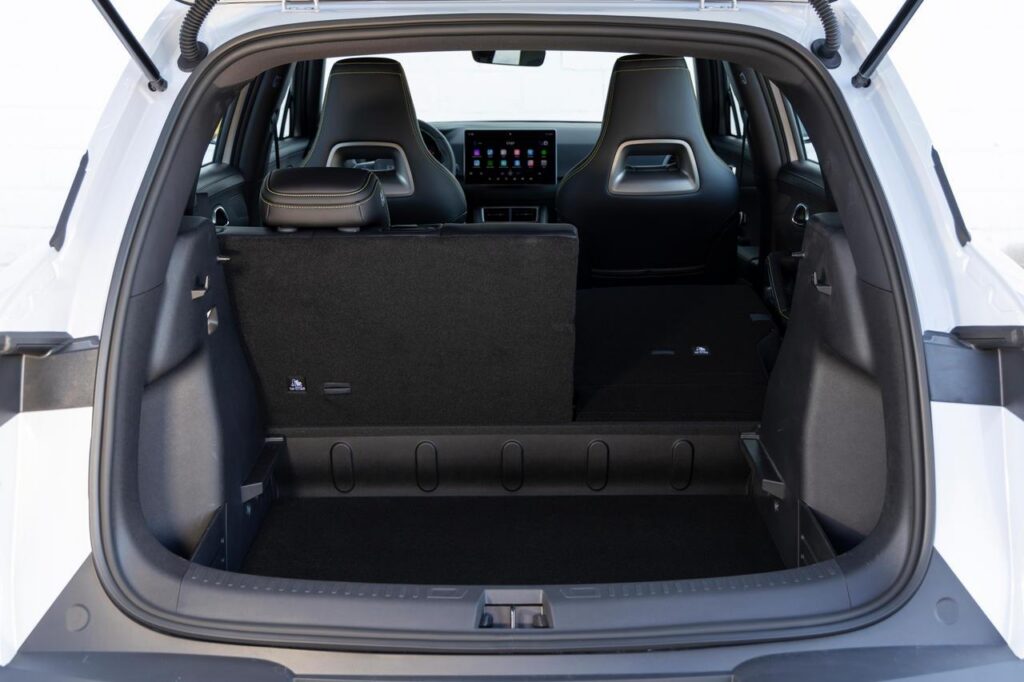
A well sized boot for the footprint
The cons
Regeneration is too mild and there is no true one pedal feel
Some driver assistance alerts are too intrusive and not simple enough to manage
Steering feels unnatural at low speed
Fast charging and motorway stamina could be better