Test drive – Jaecoo J7 SHS : Can this new Chinese “super-hybrid” really play the premium SUV card?
 Jean-Pierre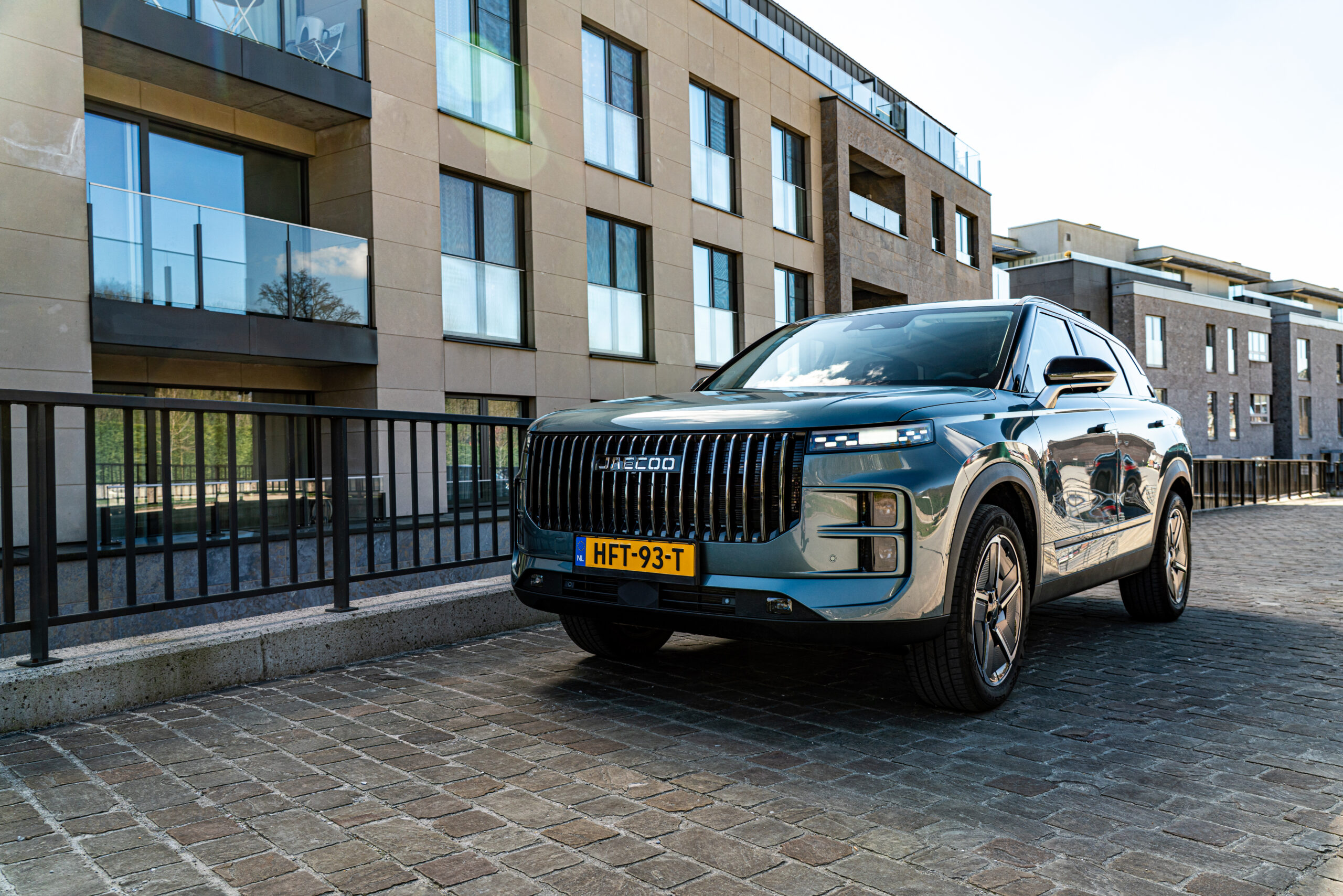
After a week behind the wheel of the Jaecoo J7 SHS, the ambition of this young brand from the Chery group becomes clear: arrive in Europe with a compact SUV that ticks a lot of boxes at once. A robust design inspired by well-known references, an interior that looks appealing at first glance, and above all a promise that has become rare for a plug-in hybrid: driving far, very far, without living permanently plugged into a charging point. The real question is how all this translates into everyday life, where marketing claims meet roundabouts, cobblestones and daily commutes.
A compact SUV that makes a statement
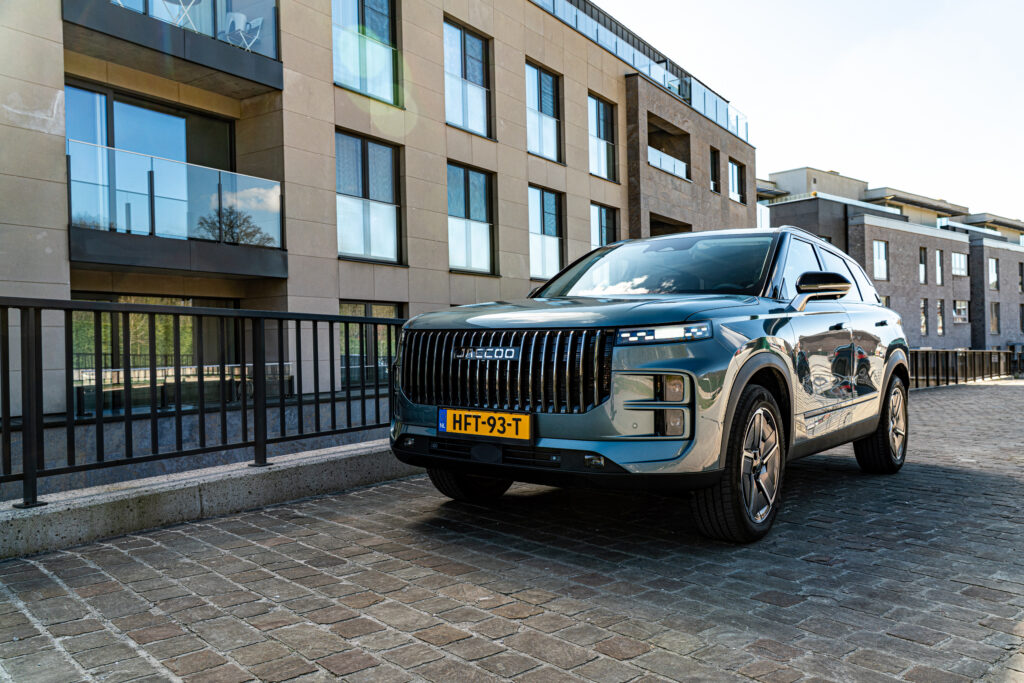
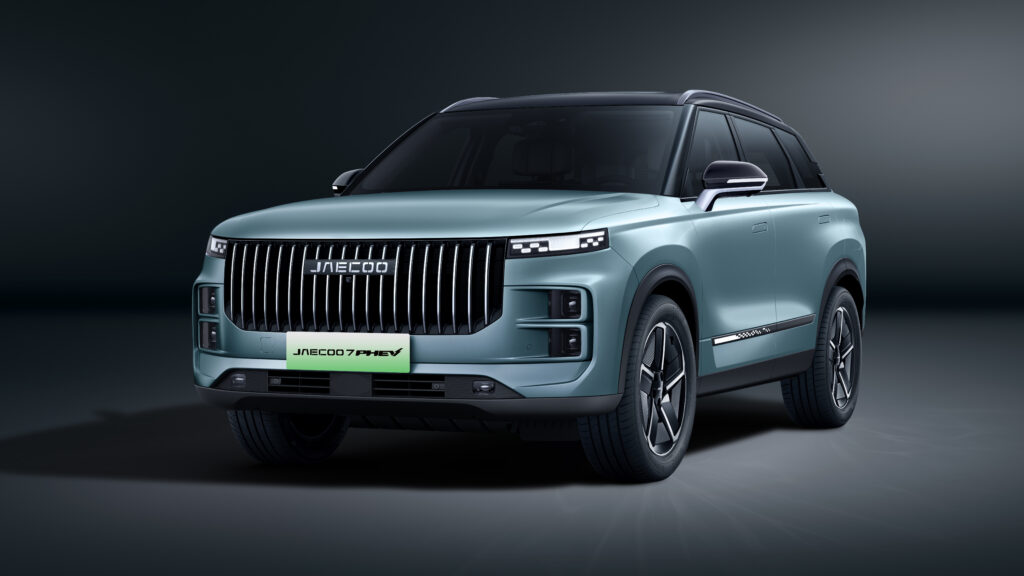
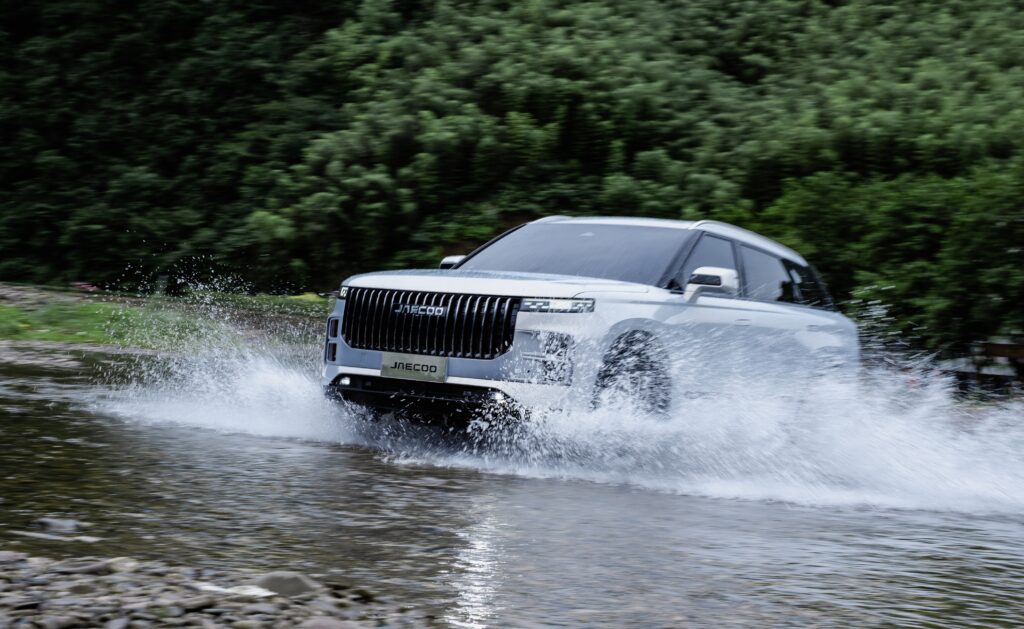
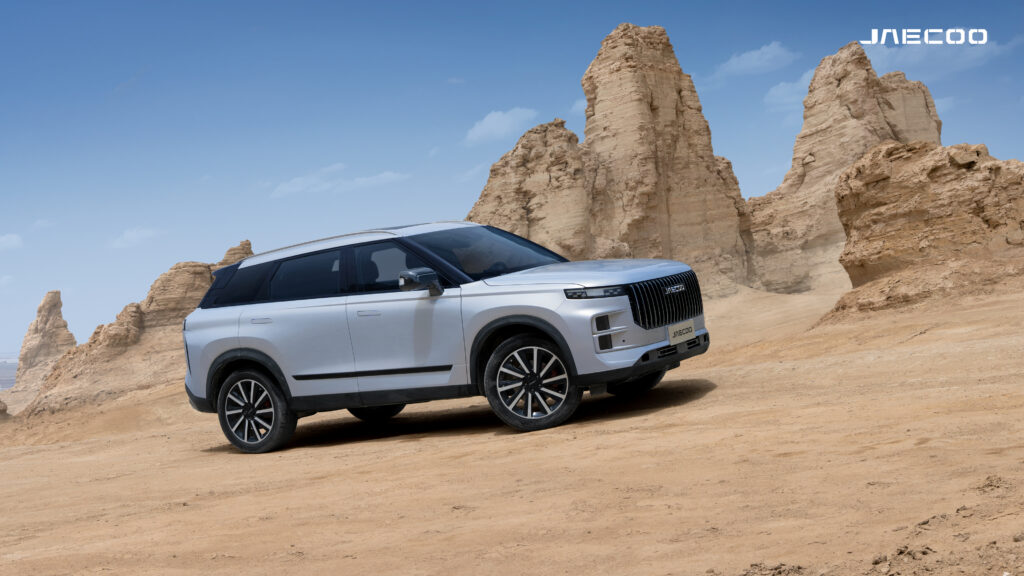
On the road, the J7 clearly sits at the heart of the C-SUV segment; with 4.50 metres in length, 1.87 metres in width and 1.67 metres in height, it fits perfectly into the family-friendly compact SUV category. The styling leaves little room for doubt and fully embraces a chic, adventurous look. From the side and three-quarter angles, the “British SUV” inspiration is obvious; and that is exactly what Jaecoo is aiming for, with straight lines, a boxy silhouette and a confident, upright stance.
The front stands out thanks to a very vertical grille and a slimmer, more detailed lighting signature with a pixel-style effect in the headlights. At the rear, a light bar connects the taillights and reinforces the feeling of robustness. Overall, the J7 makes a strong first impression; it may not be subtle, but it has presence, which is often what buyers in this segment are looking for.
An interior designed for travelling
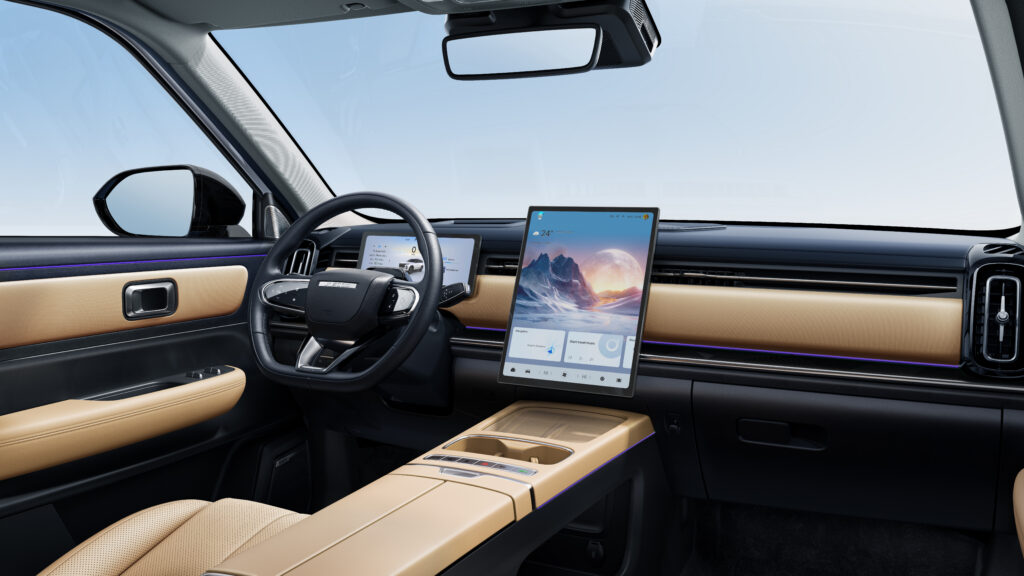
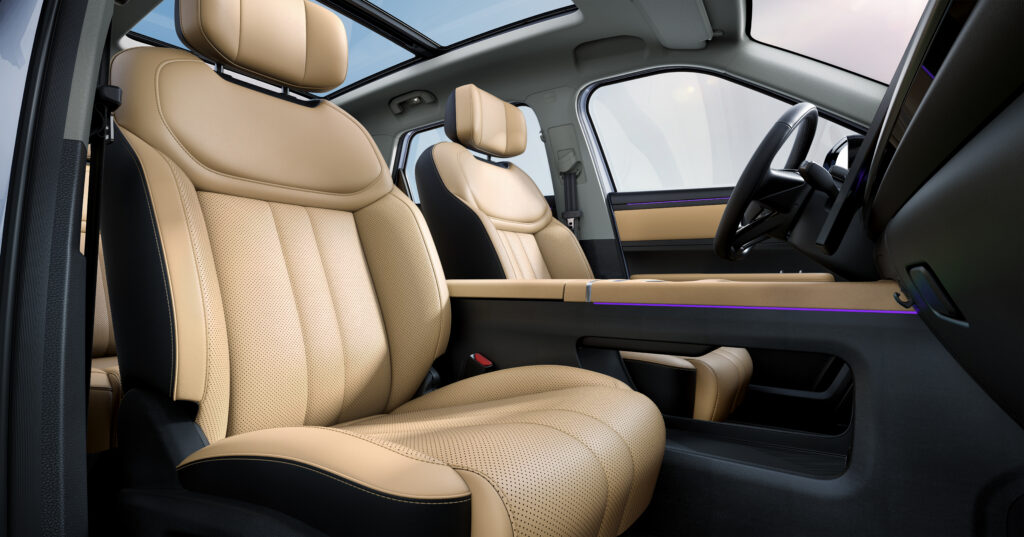
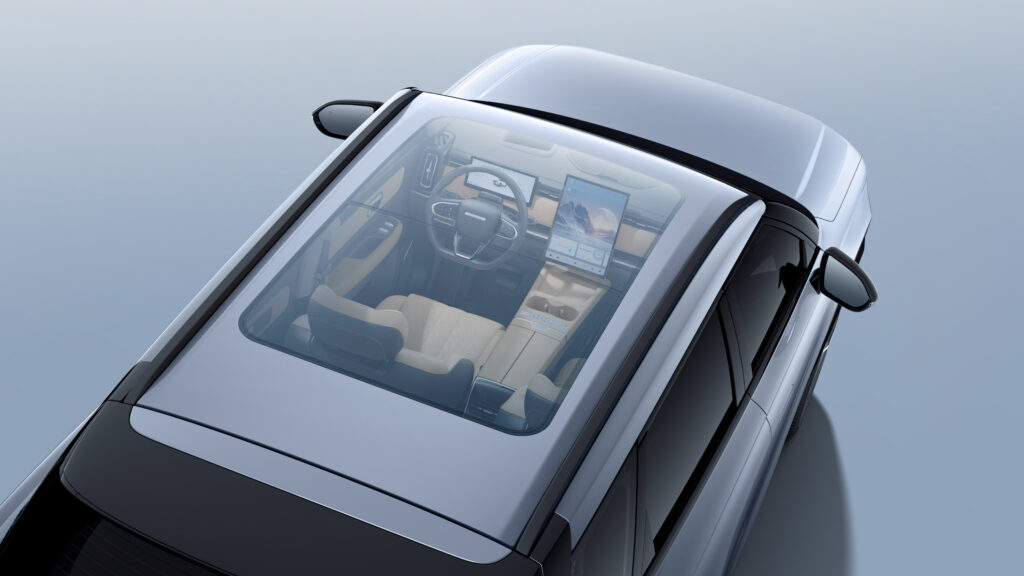
Inside, Jaecoo clearly wants to impress quickly. The cabin feels spacious, with plenty of room both front and rear, generous headroom and an almost flat floor that makes life easier when three passengers travel in the back. This is very much a car designed for families and long journeys; even taller occupants feel comfortable.
The layout is modern, with a digital instrument cluster, depending on version, and a large 14.8-inch vertical central screen organised very much like a smartphone. Wireless Apple CarPlay and Android Auto are included, which immediately makes daily use easier. Ergonomics are not always as intuitive as one might hope though; some functions are buried in menus, adjustments sometimes take a bit of trial and error, and spontaneity is not quite on par with simpler systems. As with many heavily assisted cars, the various alerts and warning sounds can also become intrusive, especially in urban driving.
Practicality depends on versions and measurement standards; boot capacity is often quoted around 500 litres, although some hybrid versions are more modest. In any case, we appreciated the well-positioned loading sill and the square shape, which makes the boot easy to use.
A hybrid powertrain built to go the distance
The J7 is available with several levels of electrification depending on the market, but our test focused on the SHS version, the plug-in hybrid that Jaecoo puts forward. The recipe is straightforward: a 1.5-litre turbo petrol engine combined with an electric motor and a battery of around 18.3 to 18.4 kWh. On paper, Jaecoo claims up to 90 kilometres of electric range in the WLTP mixed cycle, and a total driving range that can exceed 1,000 kilometres, reaching around 1,200 kilometres when combining battery and the 60-litre fuel tank.
Power figures vary depending on communication and markets; what really matters on the road is that the system offers enough punch for family use, with confident acceleration and reassuring reserves for overtaking or joining traffic.
On the road, comfort comes first
Behind the wheel, the J7 SHS reveals both its strengths and its philosophy. This is a comfort-oriented SUV; the suspension filters imperfections well, the seats are soft, and the overall atmosphere encourages relaxed long-distance driving rather than chasing lap times. In hybrid mode, the powertrain is particularly discreet; the petrol engine intervenes smoothly, often with very low noise levels, and transitions between electric and combustion power are impressively seamless.
Hybrid mode was the one we used most during our test, as it intelligently manages energy sources according to pace and terrain; in these conditions, real-world consumption can remain quite reasonable for the size, dropping below 6 litres per 100 kilometres in mixed use, depending on speed, load and driving style.
Naturally, the J7 is not a dynamic SUV. Steering feedback is limited, and the soft suspension leads to noticeable body roll when pushing harder; in fast direction changes, serenity clearly takes priority over precision. The J7 SHS does not aim to be a cornering champion; it positions itself as a comfortable, spacious and efficient travelling companion.
Our verdict: a rational, comfortable and convincing daily SUV
At the end of our test, the Jaecoo J7 SHS leaves a clear impression. It is not a “premium” SUV in the traditional European sense, with razor-sharp ergonomics and a highly engaging driving feel; but it is a modern, generous and above all relevant proposition for those looking for a plug-in hybrid designed to cover long distances without stress. It focuses on what really matters: space, equipment, ease of use and a convincing hybrid drivetrain for everyday life.
What we liked
- Very generous interior space, especially in the rear
- Smooth and quiet hybrid system; pleasant in daily driving
- Ambitious claimed range for a PHEV; efficient hybrid logic
- Rich equipment and wireless connectivity
What could be better
- Sometimes confusing ergonomics; a learning curve is required
- Steering lacks feedback; noticeable body roll when driving harder
- Alerts and driver-assistance sounds can be intrusive