Test drive – Nissan Ariya: Nissan’s Electric Turning Point
 Jean-Pierre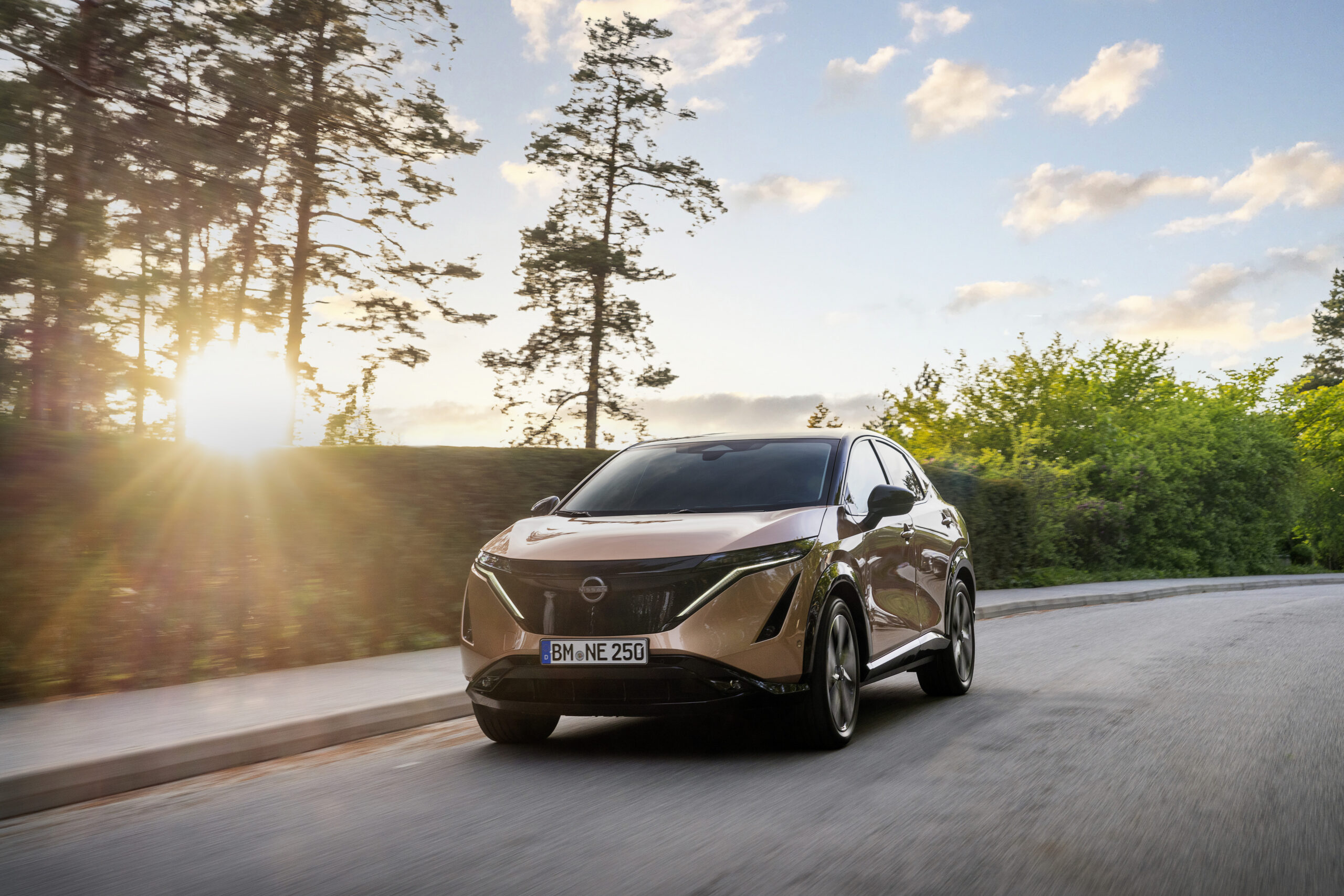
With the Ariya, Nissan opens a new chapter in its electric history. Long associated with the Leaf, a pioneer now showing its age, the Japanese brand returns with an SUV designed to meet today’s market expectations : more style, more technology, and above all greater versatility.
Dimensions and exterior design
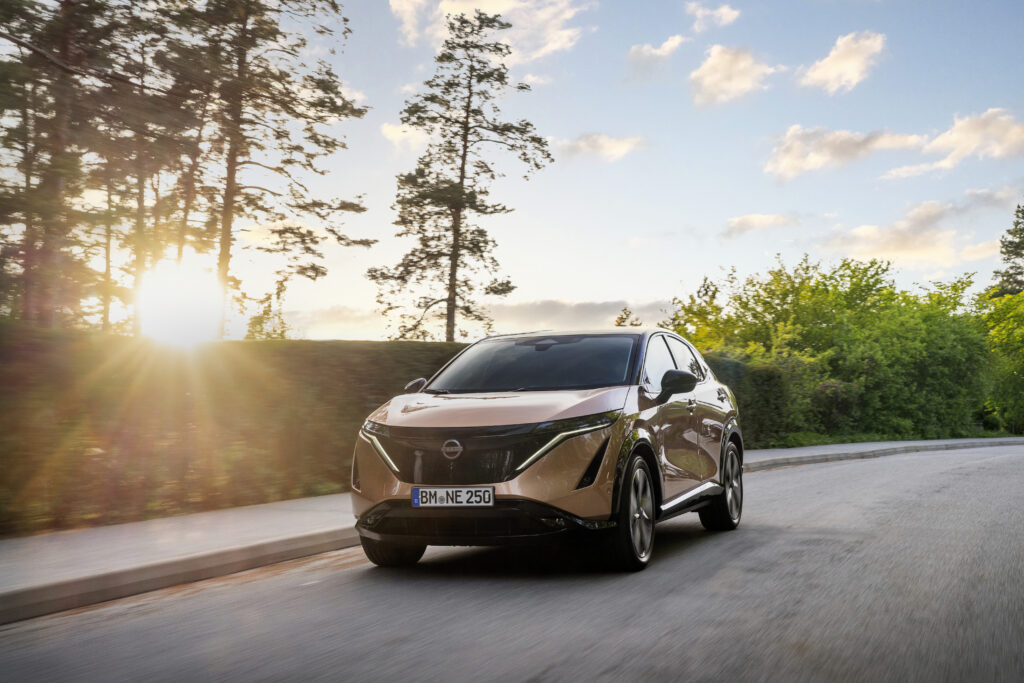
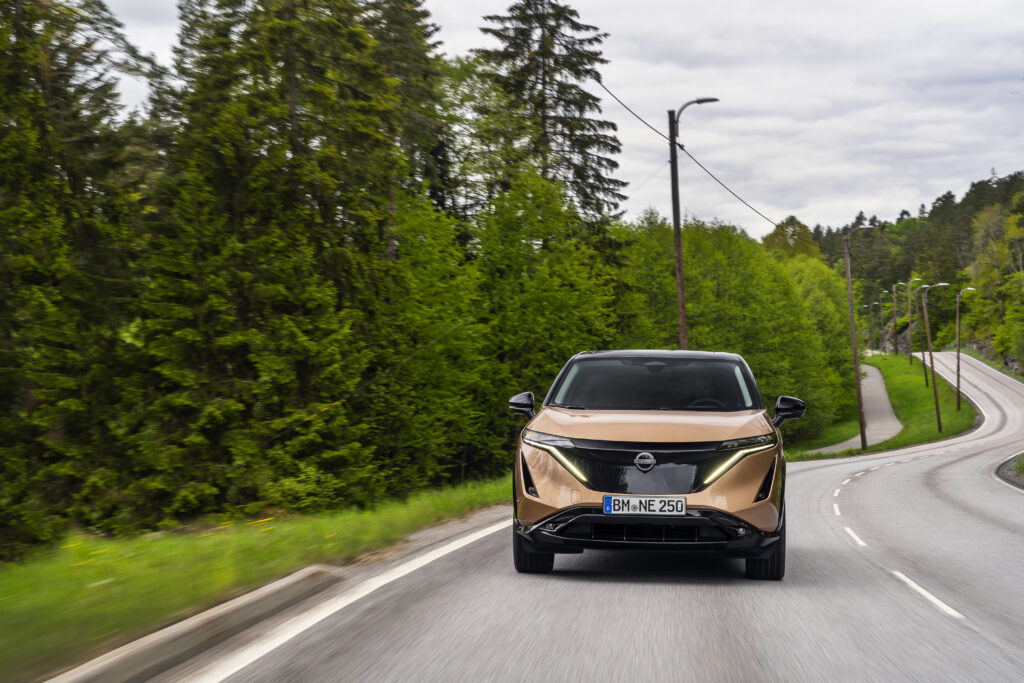
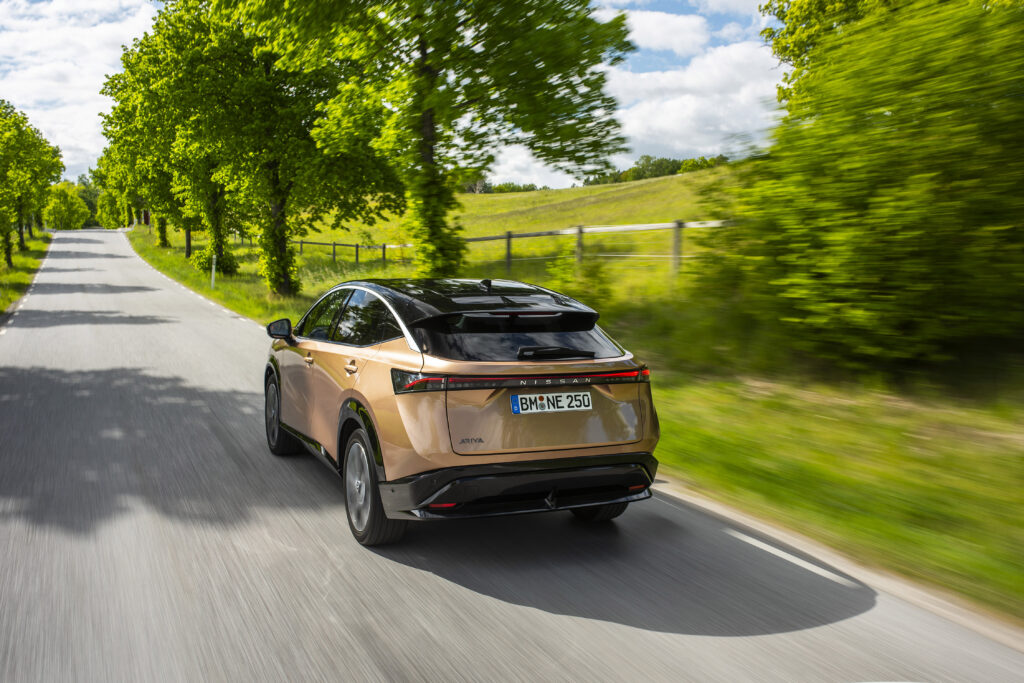
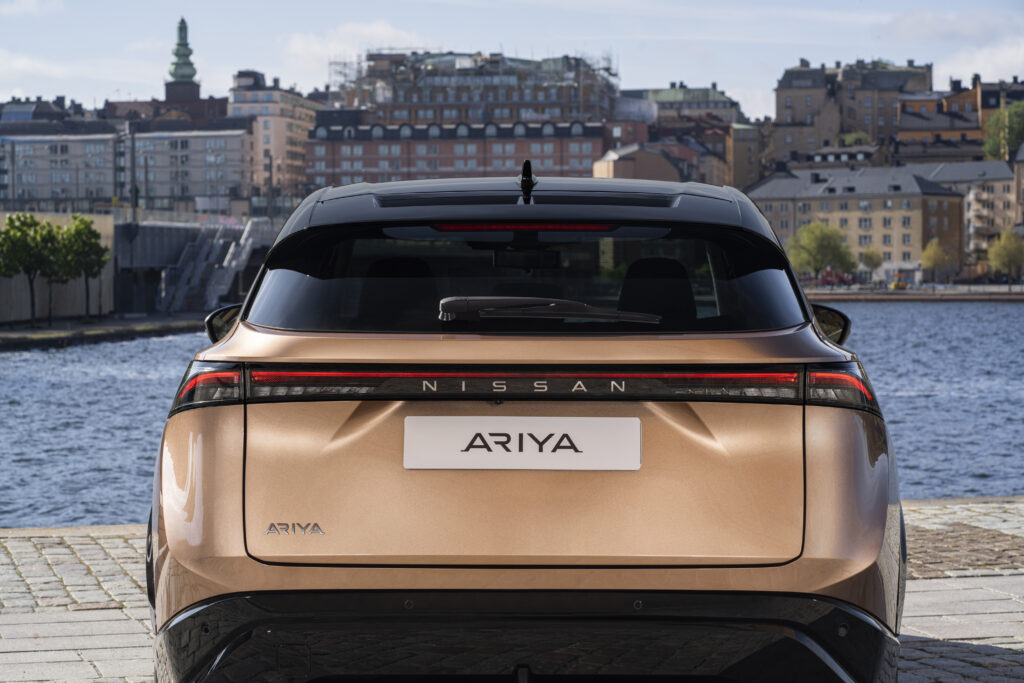
Visually, the Ariya clearly breaks away from Nissan’s familiar silhouettes. Longer and wider than a Qashqai, it presents a stronger presence and a more stately stance. Its bodywork stands out with very clean lines, an almost sculpted front end, and an elongated rear that leans more toward a coupé-SUV profile than that of a traditional family SUV.
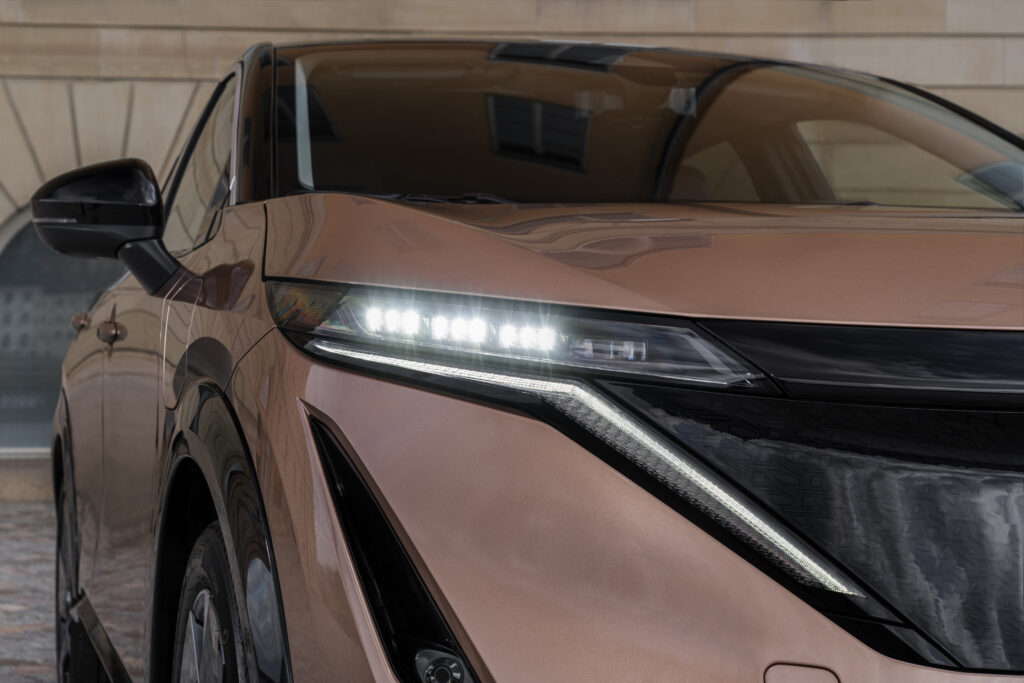
Design details such as the closed grille, slim headlights, and subtly flared wheel arches reinforce this sense of deliberate modernity. The overall look feels restrained and elegant, without trying too hard; a coherent approach for a model meant to embody the brand’s electric renewal.
Interior and ergonomics
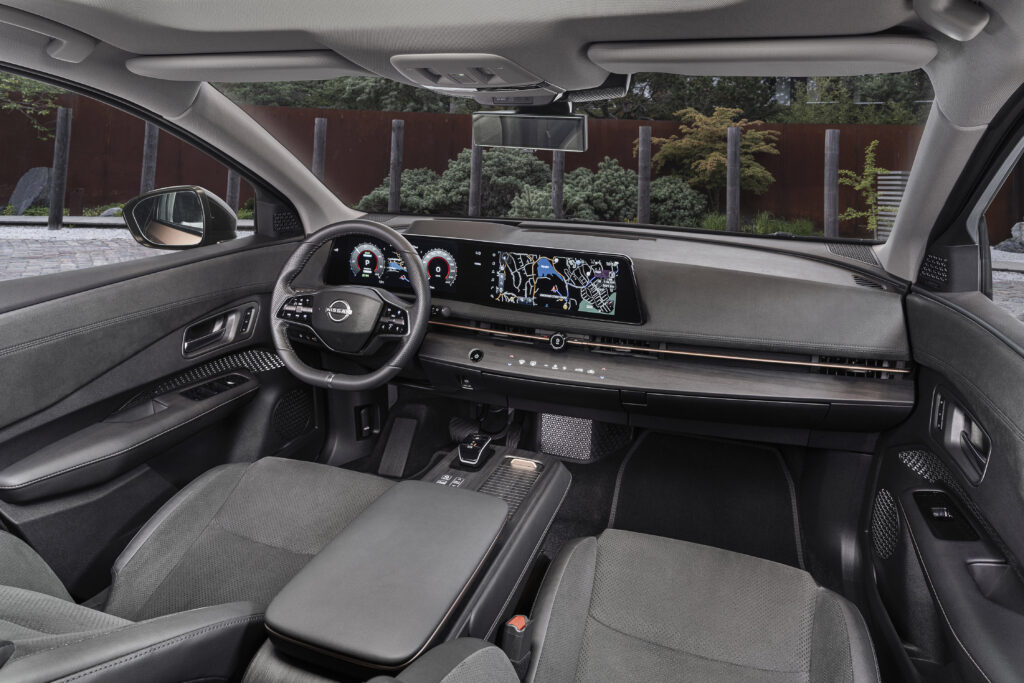
Inside, the shift is even more striking. The cabin focuses on a calm, minimalist, almost zen atmosphere, where every element seems designed to reduce visual clutter. Materials feel premium, build quality is solid, and certain decorative touches—such as wood-style inserts or haptic controls integrated into the dashboard—enhance the impression of moving upmarket.
The digital displays are clear and well positioned, and overall ergonomics become intuitive after just a few minutes behind the wheel. Space up front is generous, even if some practical aspects, like deep storage compartments, could have been better exploited. In the rear, comfort is very much present, though taller passengers may find the leg position tiring on long journeys. The boot, while not class-leading, offers sufficient volume for family use, albeit without the benefit of a front trunk.
Powertrains and technologies
From a technical standpoint, the Ariya is built on a platform dedicated to electric vehicles and offers two battery capacities. The 63 kWh version focuses on accessibility, while the 87 kWh option aims to provide more reassuring range for longer trips. Several power outputs are available, with both front-wheel-drive and all-wheel-drive configurations.
Fast charging peaks at 130 kW, a respectable figure but one that now lags behind some more ambitious competitors. On the other hand, the option of AC charging up to 22 kW remains a real advantage for daily use. The presence of an active battery thermal management system is also welcome, as it plays a key role in preserving charging performance and long-term durability.
Driving experience
On the road, the Ariya confirms its comfort-oriented positioning. The suspension absorbs imperfections effectively, sound insulation is particularly well executed, and the steering favors smoothness over sportiness. The weight becomes noticeable when driving more assertively, but this SUV clearly has no ambition to be pushed hard.
The electric motor delivers a progressive and pleasant surge of power, more than sufficient in most situations. Consumption remains reasonable for a vehicle of this size, especially with a relaxed driving style, and real-world range aligns well with official figures. Driver assistance systems, notably ProPilot, add genuine comfort on long journeys, even if some interventions can feel slightly overbearing.
Conclusion: key takeaways
With the Ariya, Nissan delivers a mature, comfortable, and visually appealing electric SUV. Its carefully finished interior, soothing atmosphere, and overall driving ease make it an attractive option for those looking for an electric vehicle that is easy to live with and well equipped.
In the face of very sharp competition, the Ariya does not chase outright performance or ultra-fast charging. Instead, it focuses on balance, comfort, and a certain sense of technological elegance. It is a deliberate choice, one that allows it to stand apart in its own way and re-establish Nissan as a credible player in the modern electric landscape.