Test drive – Citroën ë-C5 Aircross : SUV of the year?
 Jean-Pierre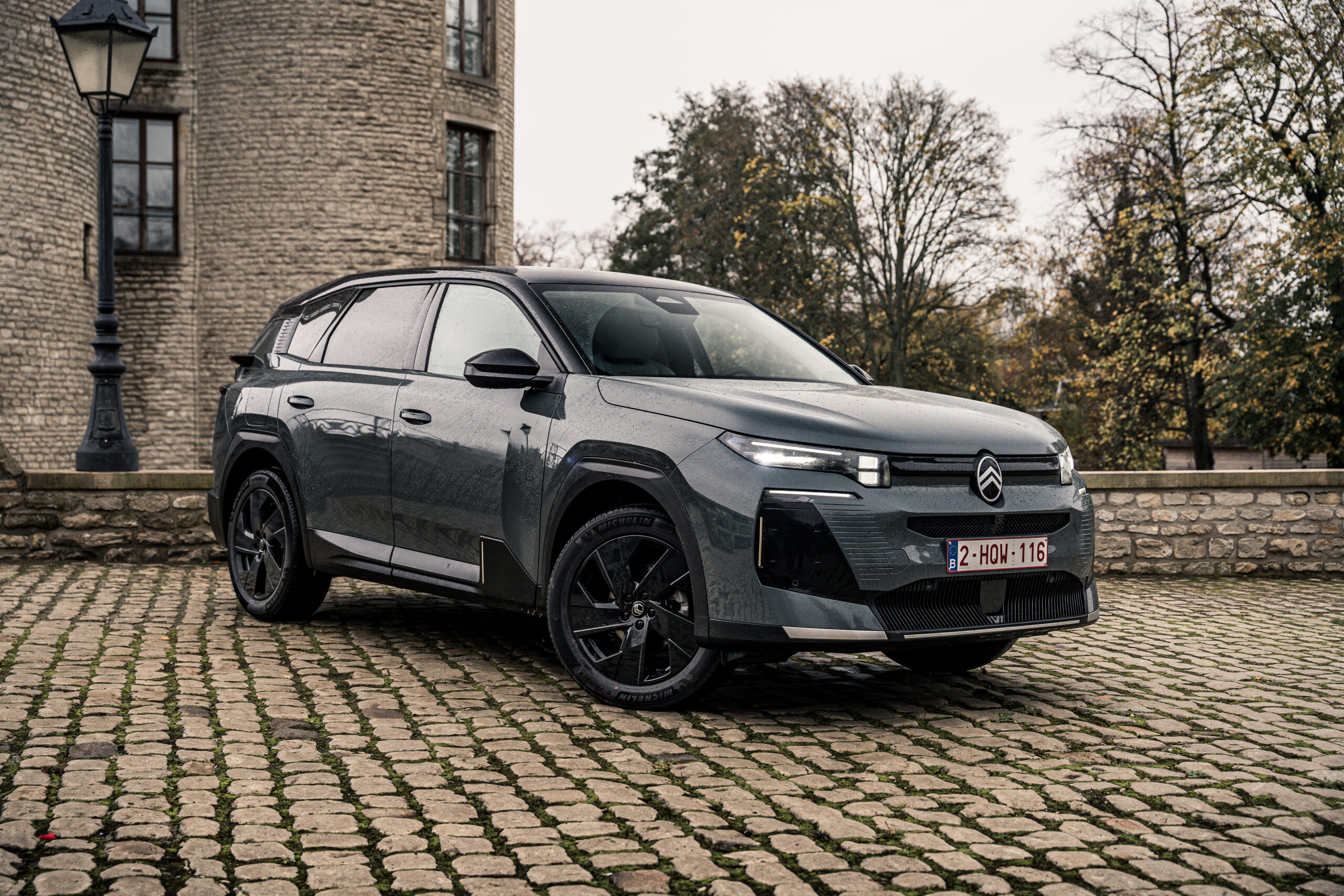
Citroën stays true to what it does best; making everyday driving feel calmer, softer, and less tiring. Yet this new generation of C5 Aircross also feels like it has grown up overnight; larger dimensions, a more mature design, more onboard technology, and for the first time, a fully electric version that finally matches the car’s family focused ambition.
Dimensions and exterior design
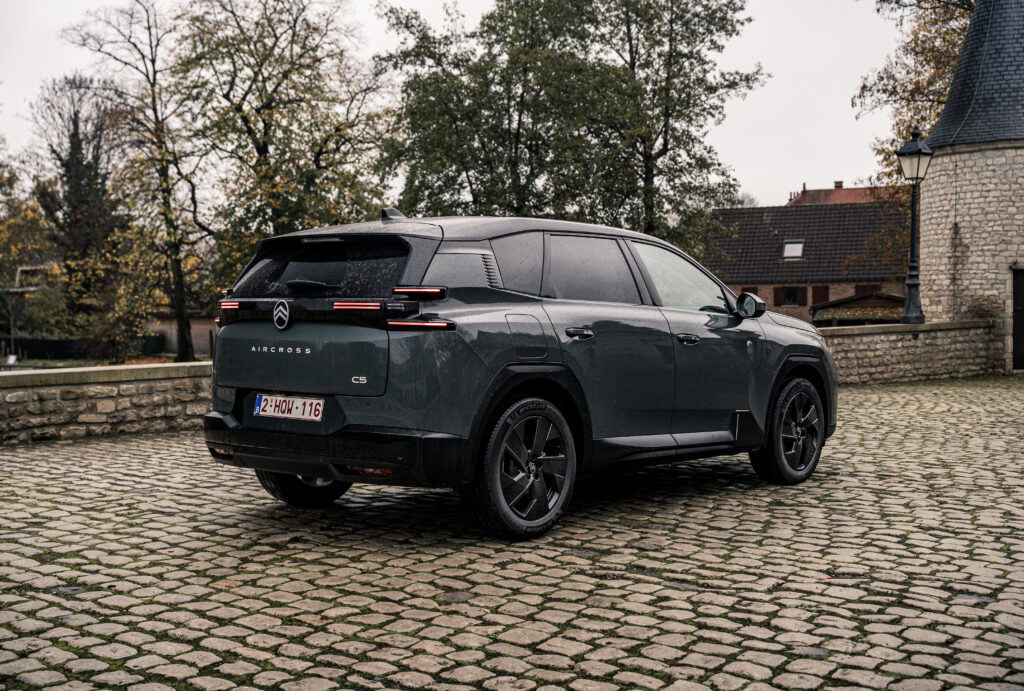
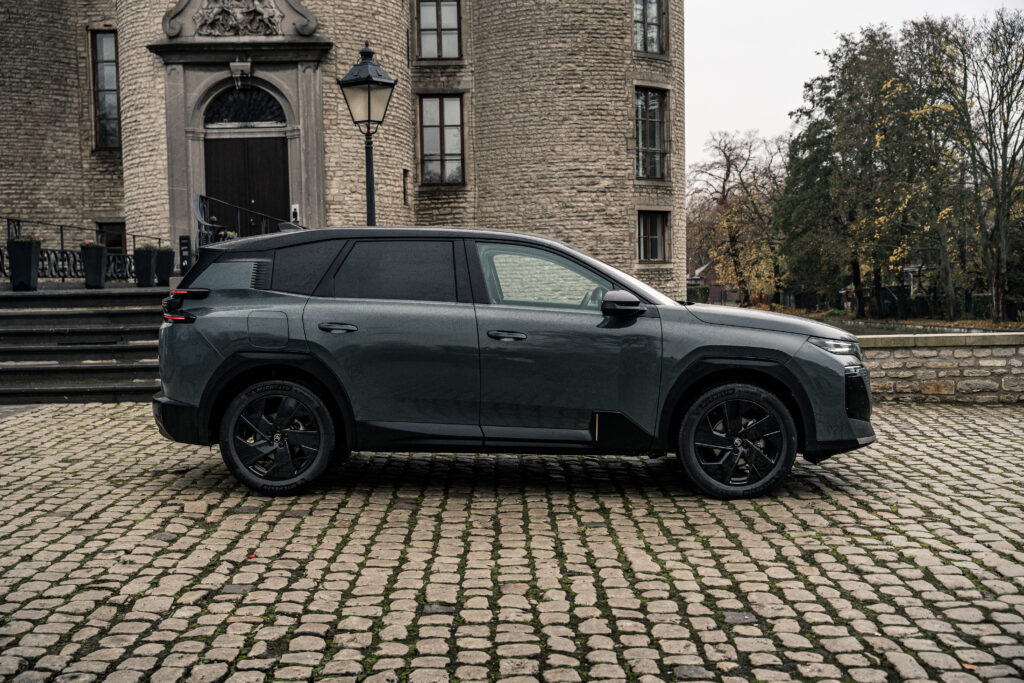
Seeing it in person, we immediately sense a shift in posture. The C5 Aircross now stretches to 4.65 metres, and the extra size translates into a more planted stance and a more confident presence. The lines are straighter and more structured than before; the playful softness of the first generation gives way to something cleaner, more architectural, and noticeably more serious.
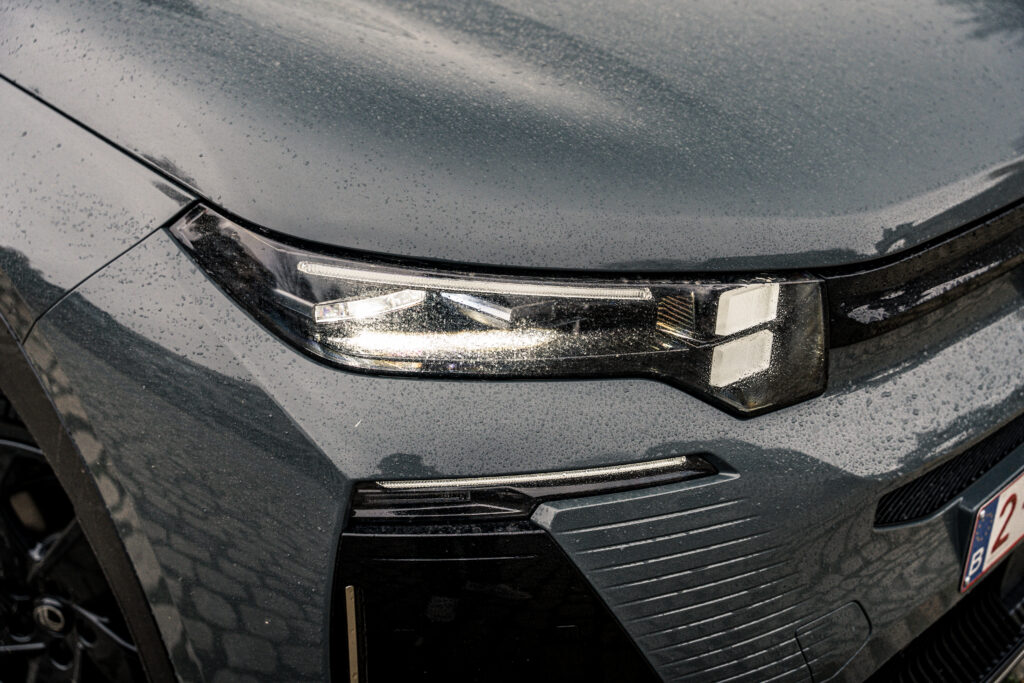
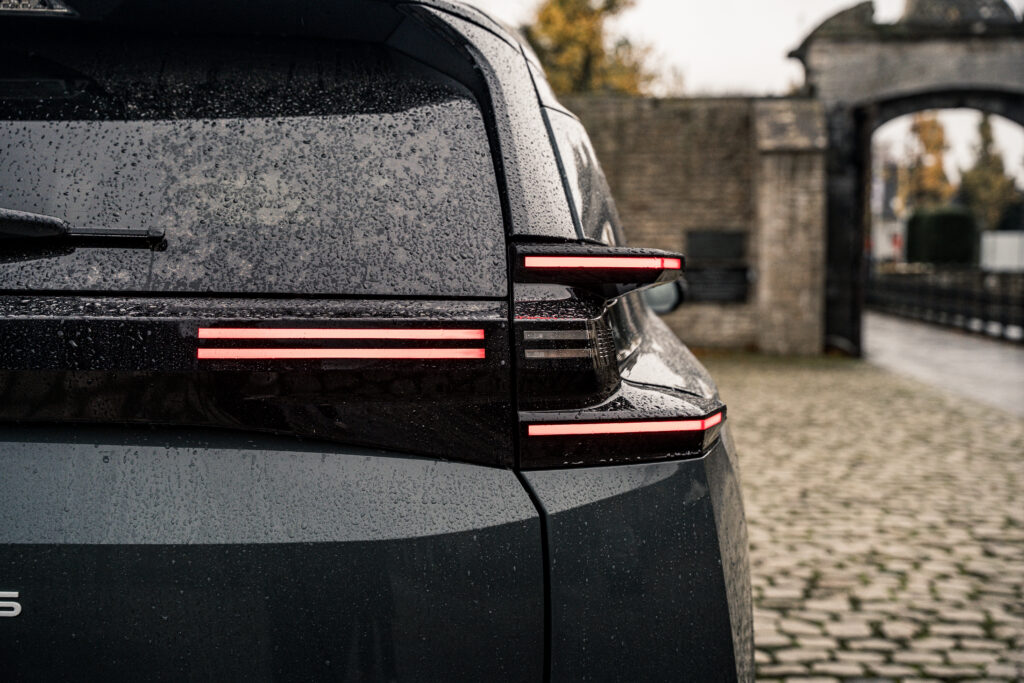
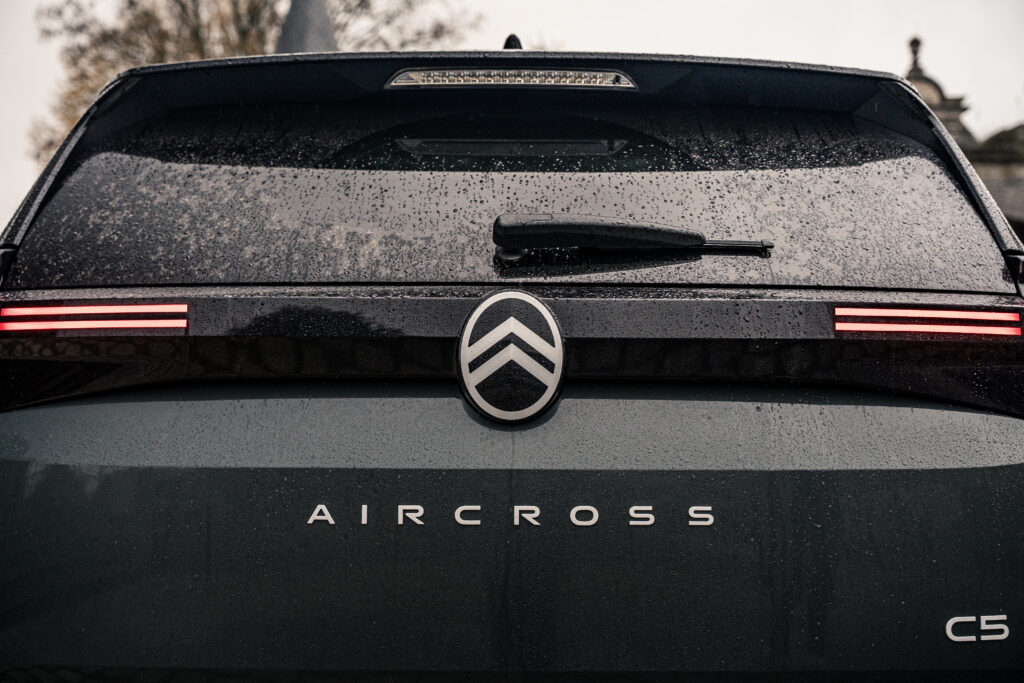
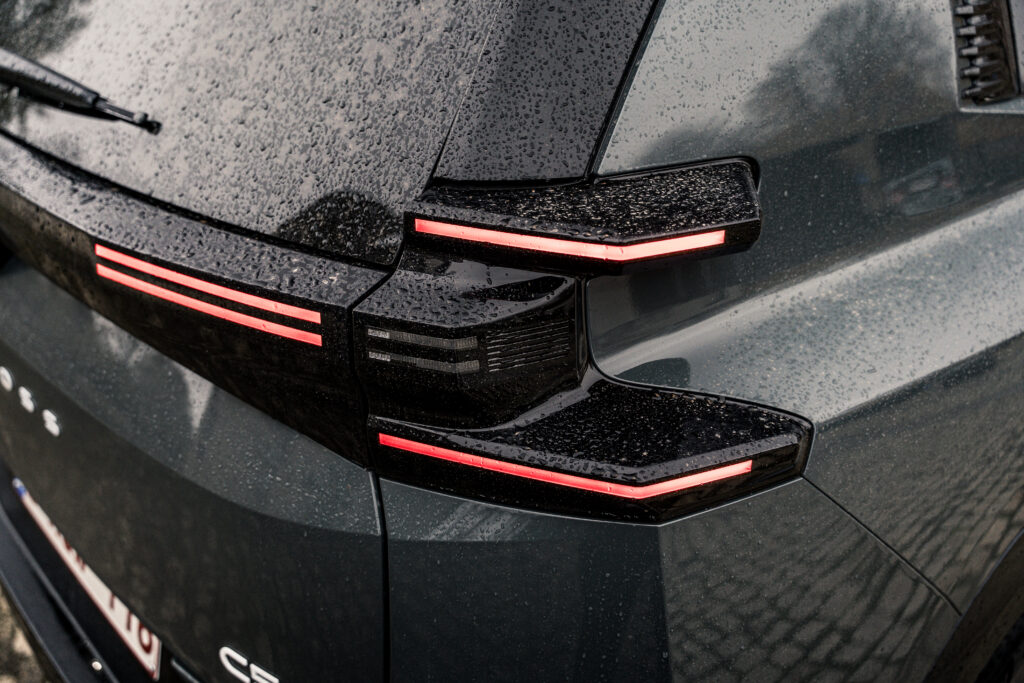
Up front, the three point light signature is wider and flatter, making the nose look lower and more stable. At the rear, the design becomes the talking point; the horizontal, three dimensional light elements extend outward like small fins. On paper, Citroën links this to aerodynamic gains; in reality, it mainly gives the car a concept car flavour without turning it into a styling gimmick.
Interior design and ergonomics
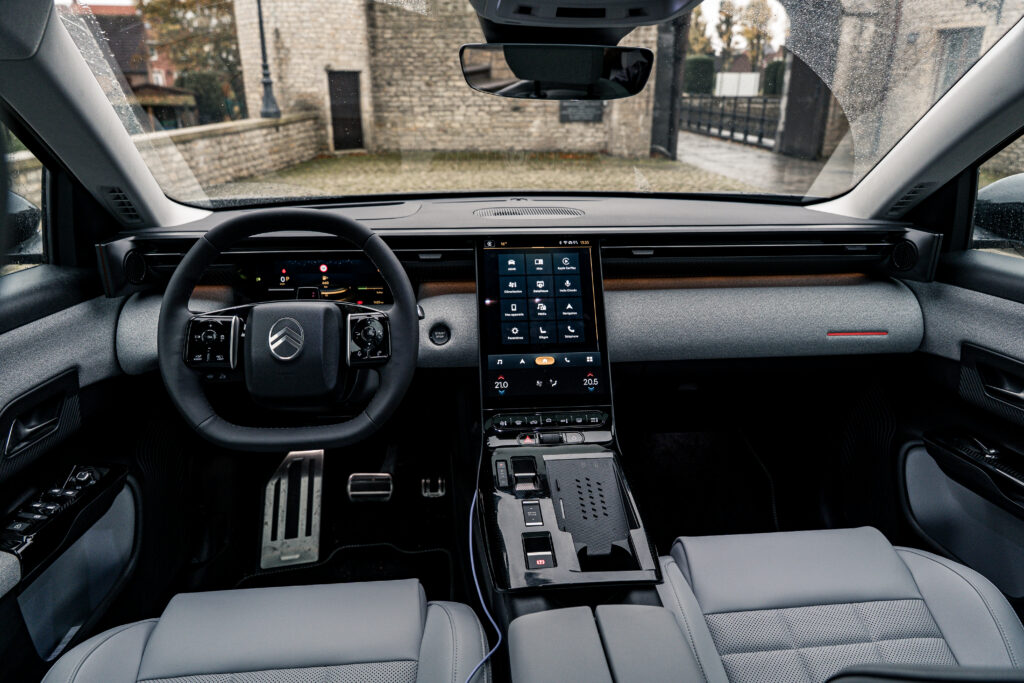
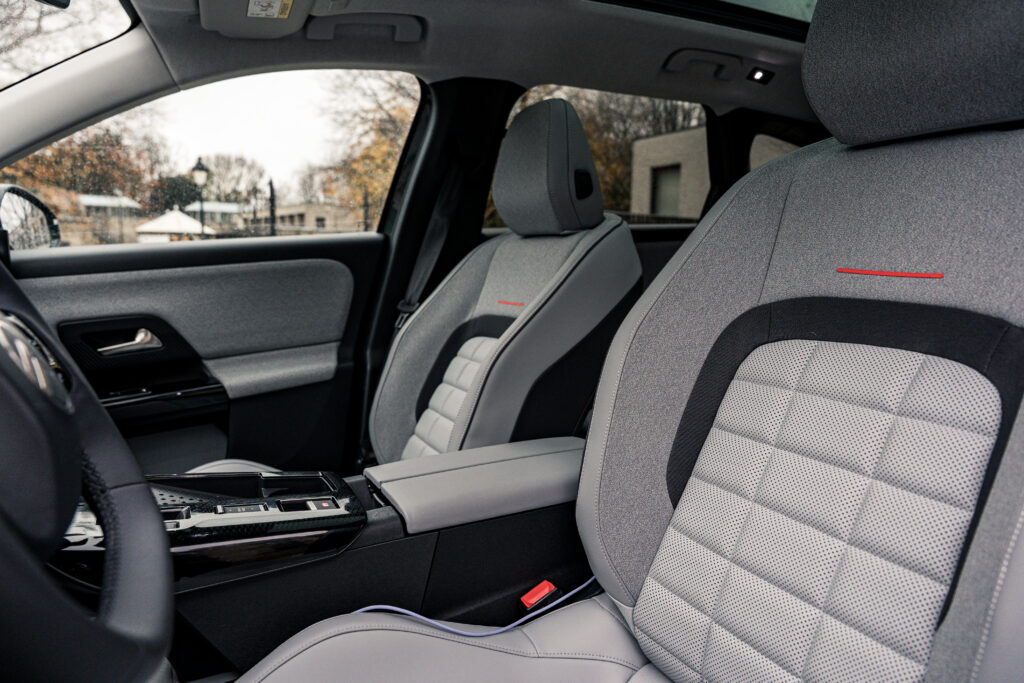
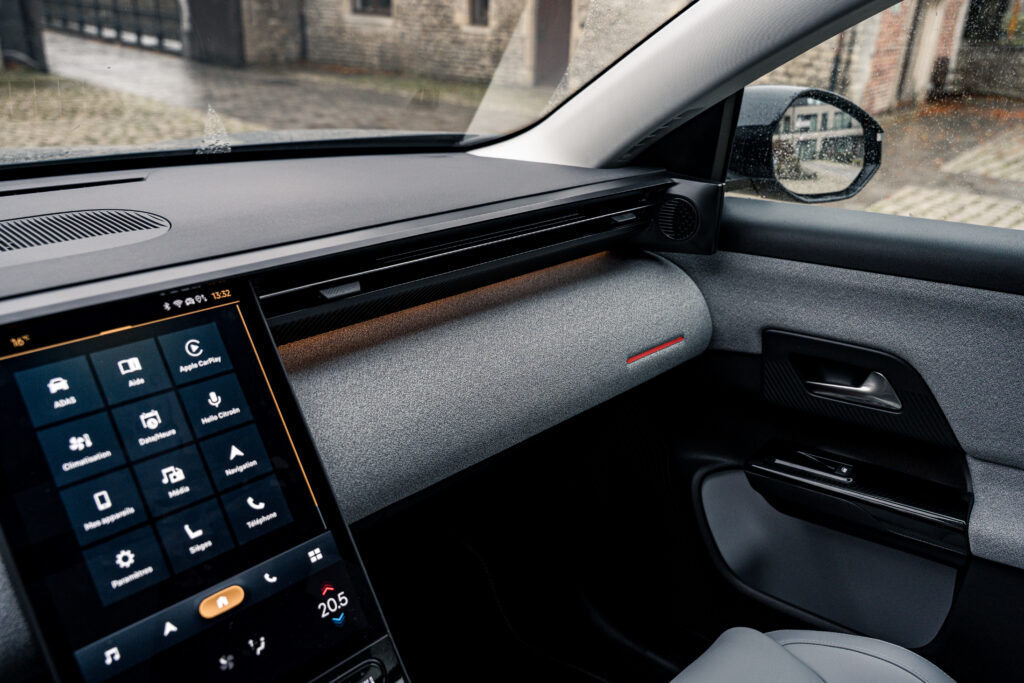
Inside, the change is even more striking. The dashboard feels calmer and more horizontal, with a lounge like intention that suits the brand’s comfort first philosophy. The visible textile trim across the fascia adds warmth immediately, and the overall atmosphere feels serene rather than showy, which is a refreshing approach in a segment that often tries too hard.
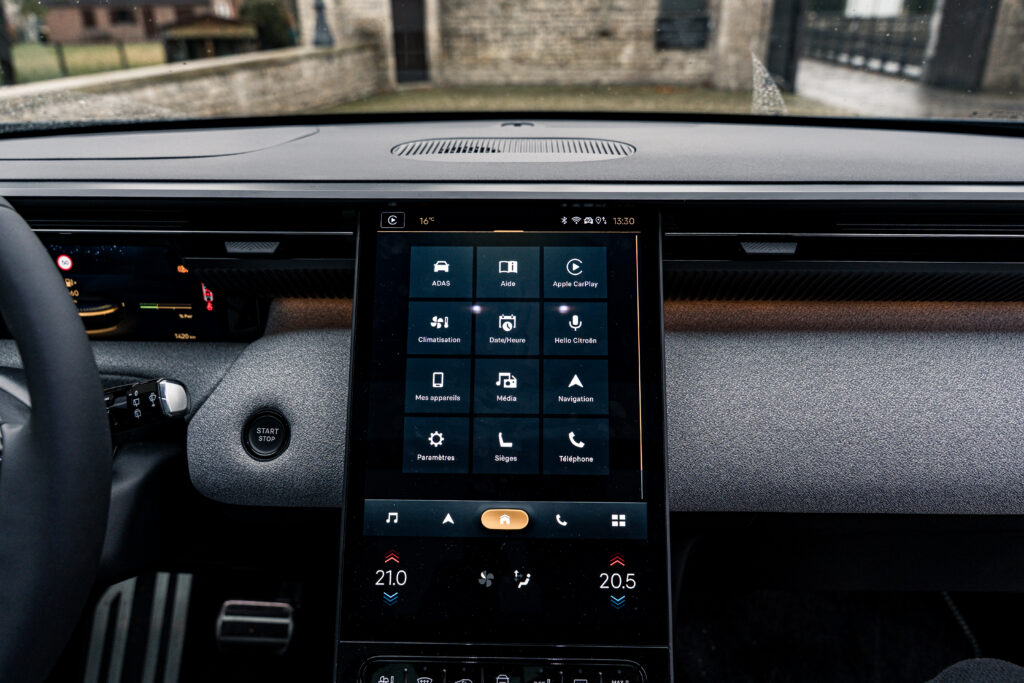
The 13 inch vertical touchscreen becomes the centrepiece. In daily use, the format feels larger than the number suggests, and the cascading layout is easy to follow. We also appreciate that Citroën keeps physical shortcuts beneath the screen, so we are not forced to dig through menus for every small adjustment. The digital driver display, and depending on trim a head up display, reinforces the modern feel, even if not every detail is perfect; several areas still rely on hard plastics, and the contrast with the cosy materials is hard to ignore.
For family life, the longer wheelbase pays off. Rear passengers benefit from a genuine sense of space, and the seating position feels naturally relaxed on longer trips. Modularity has evolved, though; the cabin is less configurable than before, even if the reclining rear backrests help us tune comfort. Boot space remains a strong point, with a generous, family friendly volume that fits the SUV’s do everything brief, even if a third row is clearly not part of the plan.
Powertrains
Citroën leans into its “Power of Choice” logic, offering a range designed to match different stages of the transition. There is a mild hybrid, a plug in hybrid that aims to cover a meaningful portion of daily driving on electricity, and the big news; the ë C5 Aircross, now fully electric.
In EV form, the lineup is built around two clear options. The Comfort Range version pairs a 210 hp front motor with a battery of roughly 73 kWh, targeting around 520 km of WLTP range. The Long Range version steps up to 230 hp and a battery close to 97 kWh, with a headline WLTP figure that can reach 680 km. Both remain front wheel drive, which fits the car’s relaxed driving character and its focus on everyday ease rather than sporty ambition.
Driving experience
Behind the wheel, the ë C5 Aircross does not chase drama. Performance is there, but delivered with smoothness; acceleration builds progressively, and even in Sport mode the car avoids that sudden EV punch. It encourages a calm rhythm; we anticipate more, we flow more, and the car feels tuned to reduce mental load rather than raise our heartbeat.
Comfort is the real story. Citroën’s progressive hydraulic cushions translate into a distinct ability to absorb broken surfaces with a softness that feels genuinely different. The SUV filters most impacts without becoming excessively floaty, and the EV platform helps the car feel better controlled than its predecessor. On certain versions, a multi link rear axle adds an extra layer of composure; the result is a balance where the car remains plush yet more precise than we might expect from a comfort led Citroën.
The seats amplify that impression. They have that typically French, welcoming softness, and on higher trims the support can be adjusted to suit different body shapes and longer stints behind the wheel. Over distance, this is the kind of detail that changes the entire experience; we step out feeling fresher, and we understand why Citroën keeps insisting that this is a car meant to travel.
Energy use also feels coherent with the vehicle’s personality. Driven realistically on mixed routes, consumption lands in a range that makes long distance numbers believable; with the larger battery, reaching roughly 600 km in real life can make sense when we keep to the car’s smooth, steady pace. In town and on slower roads, range becomes especially reassuring; on the motorway, efficiency drops as expected for an electric SUV, but the overall balance remains credible for the size. Charging power does not aim to impress on a spec sheet, yet the typical 20 to 80 percent stop stays in a workable window for family travel.
Conclusion with positives and negatives
With this second generation, the C5 Aircross feels like a true Citroën flagship, but in its own way. It is not the most dynamic, nor the most visually extravagant, yet it may be one of the most relaxing compact SUVs to live with. In ë C5 Aircross form, the electric powertrain fits naturally into that philosophy; smooth driving, meaningful range depending on battery choice, and comfort that feels like a real advantage rather than a marketing line. If what we want is a car that soothes more than it excites, and turns kilometres into a gentle routine, this Citroën makes a very convincing case.
Positives
Very high ride comfort and excellent seats
Calm, lounge like cabin with well integrated tech
Credible range, especially in Long Range form
Negatives
Hard plastics remain in several touchpoints
Not built for enthusiastic driving; dynamics stay secondary
Strictly five seats; no third row, and no front boot


Photography : Stefan Caliman / GUS Magazine