After the Future: The Atomium at Night
 Frederick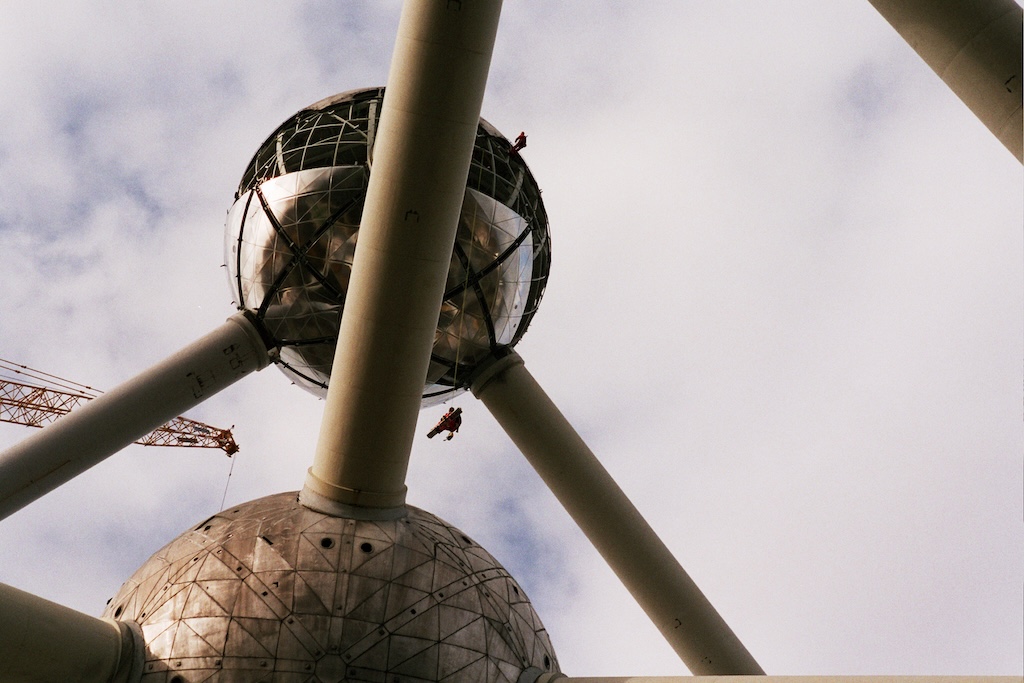
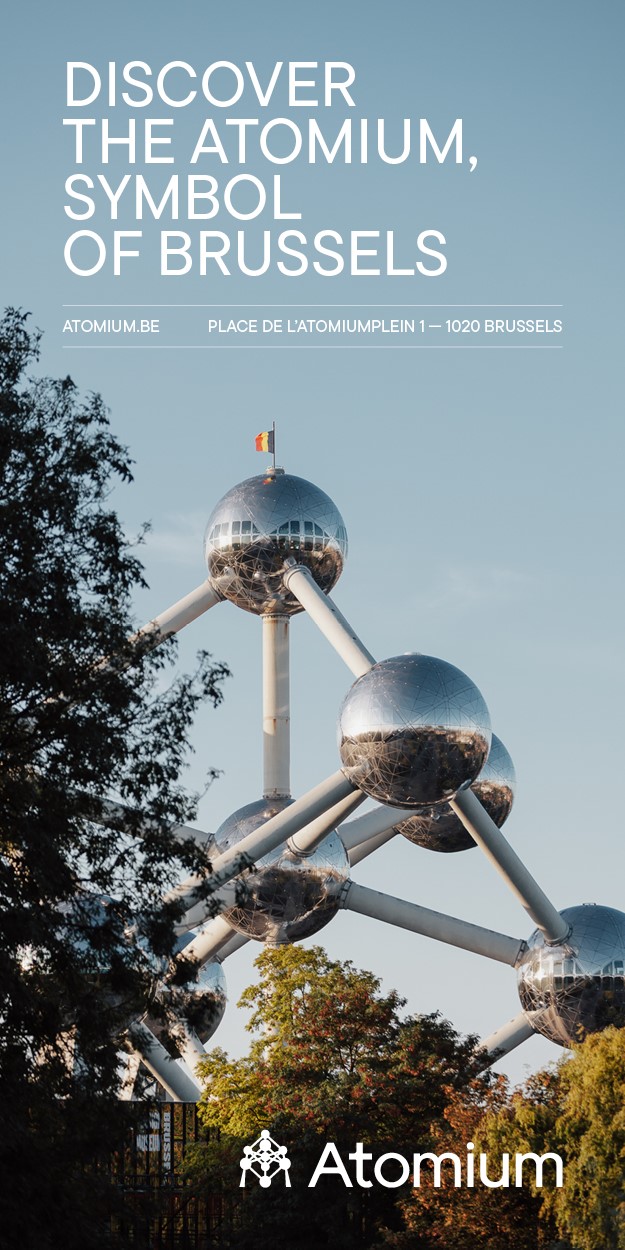
Some monuments are born as promises. The Atomium was one of them, a mid century dream cast in steel and scaled to the size of a nation that believed progress could be elegant, rational, and shared. Twenty years after its renovation, the Atomium no longer speaks the language of optimism alone. It speaks in light, sound, and lived time.
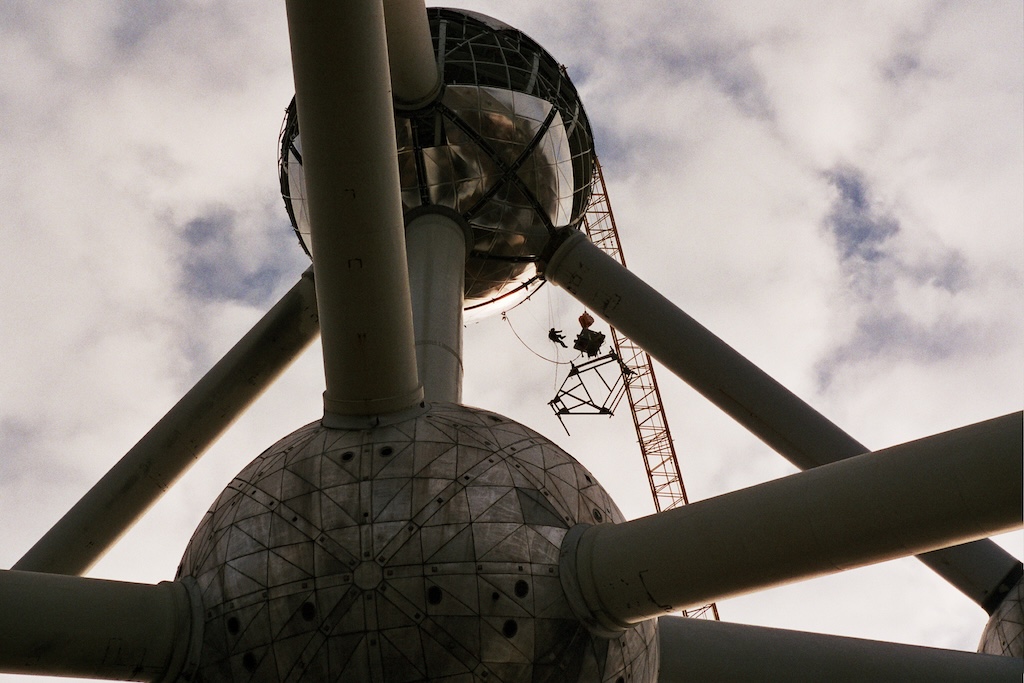
On February 14, the monument enters a new chapter with the unveiling of three original digital art installations. This date matters less as a calendar moment than as a symbolic shift. The Atomium does not commemorate itself by looking back, but by changing state. At night, it acquires another identity, one shaped by immersion rather than observation.
Rotonde gives the building a nocturnal presence visible from the city itself. Light and sound form a circular language that wraps the Atomium in a new rhythm, turning architecture into signal. Inside, Supply Chain transforms perception through mirrors and LED structures that fragment space and reassemble it in motion. Technology here is not spectacle but tension, a meditation on circulation, materiality, and invisible systems. Nimbus expands the experience further, inviting visitors to move through monumental luminous forms where light functions as a shared language, almost elemental in its immediacy.
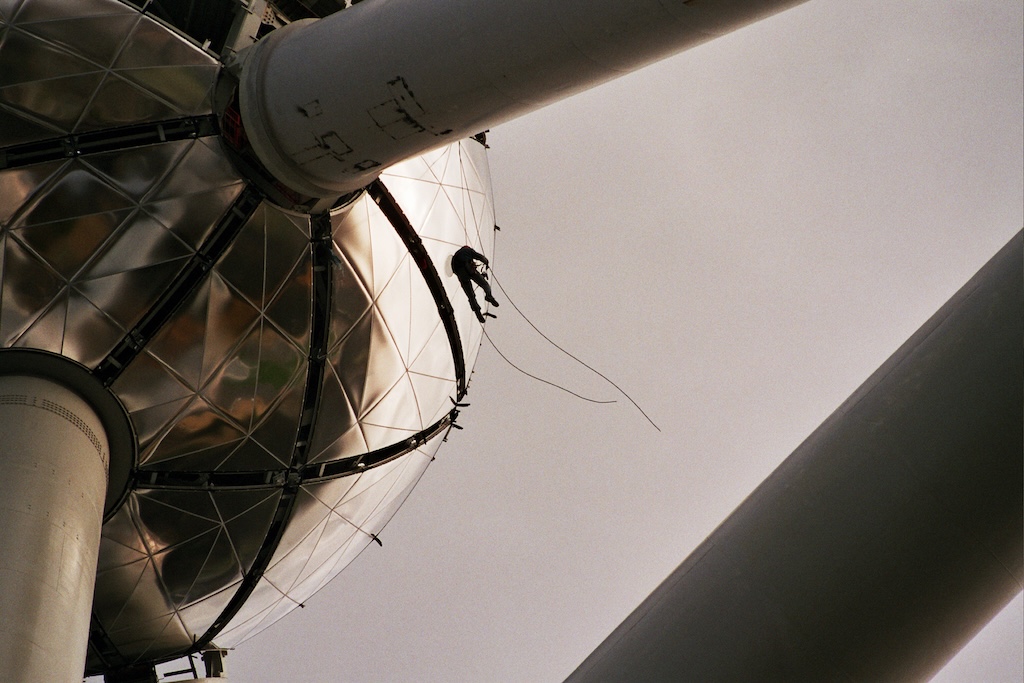
What feels timely today is not nostalgia, but activation. Across cities worldwide, landmarks are no longer static objects to be admired from a distance. They are platforms for experience. The Atomium understands this intuitively. Digital art does not decorate its structure. It converses with it. Light becomes architecture. Sound becomes atmosphere. The visitor becomes participant.
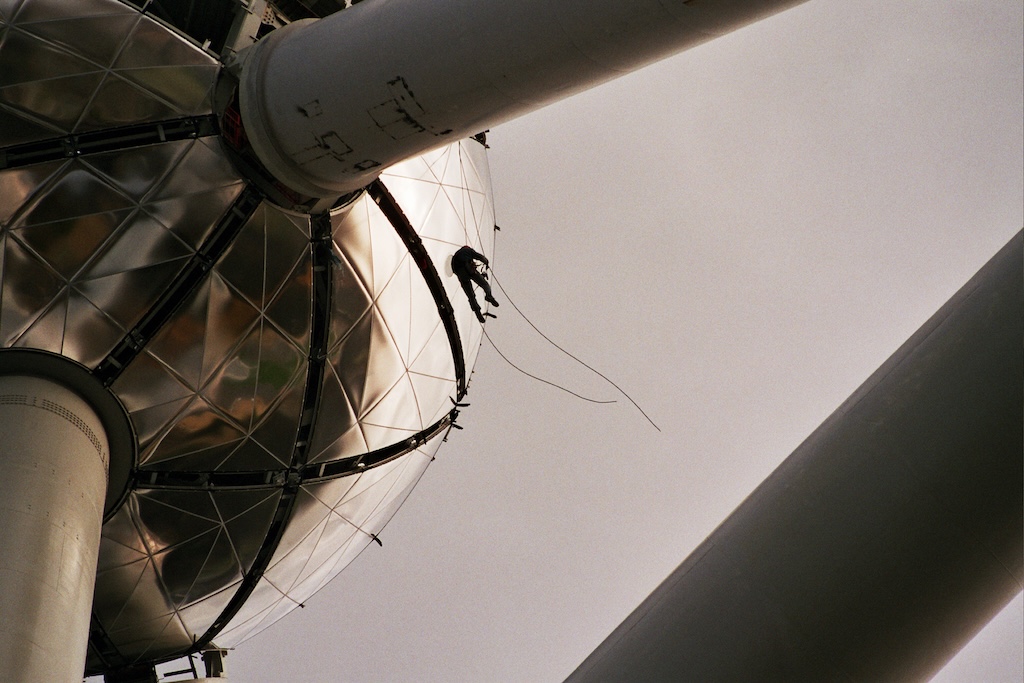
Equally telling is the decision to anchor this immersion in memory. Alongside these installations, voices emerge through a podcast that centers engineers, workers, and witnesses. In an era obsessed with frictionless futures, this insistence on human testimony feels quietly radical. Progress is not erased labor, but remembered effort.
Perhaps this is what shapes contemporary culture now. Not the invention of new forms, but the sensitive recalibration of existing ones. To preserve is no longer to freeze. It is to listen, translate, and project forward. At night, illuminated and resonant, the Atomium reminds us that the future was never a destination. It was always a method.