Test drive – Smart #5 Brabus : An unusual size that delivers
 Jean-Pierre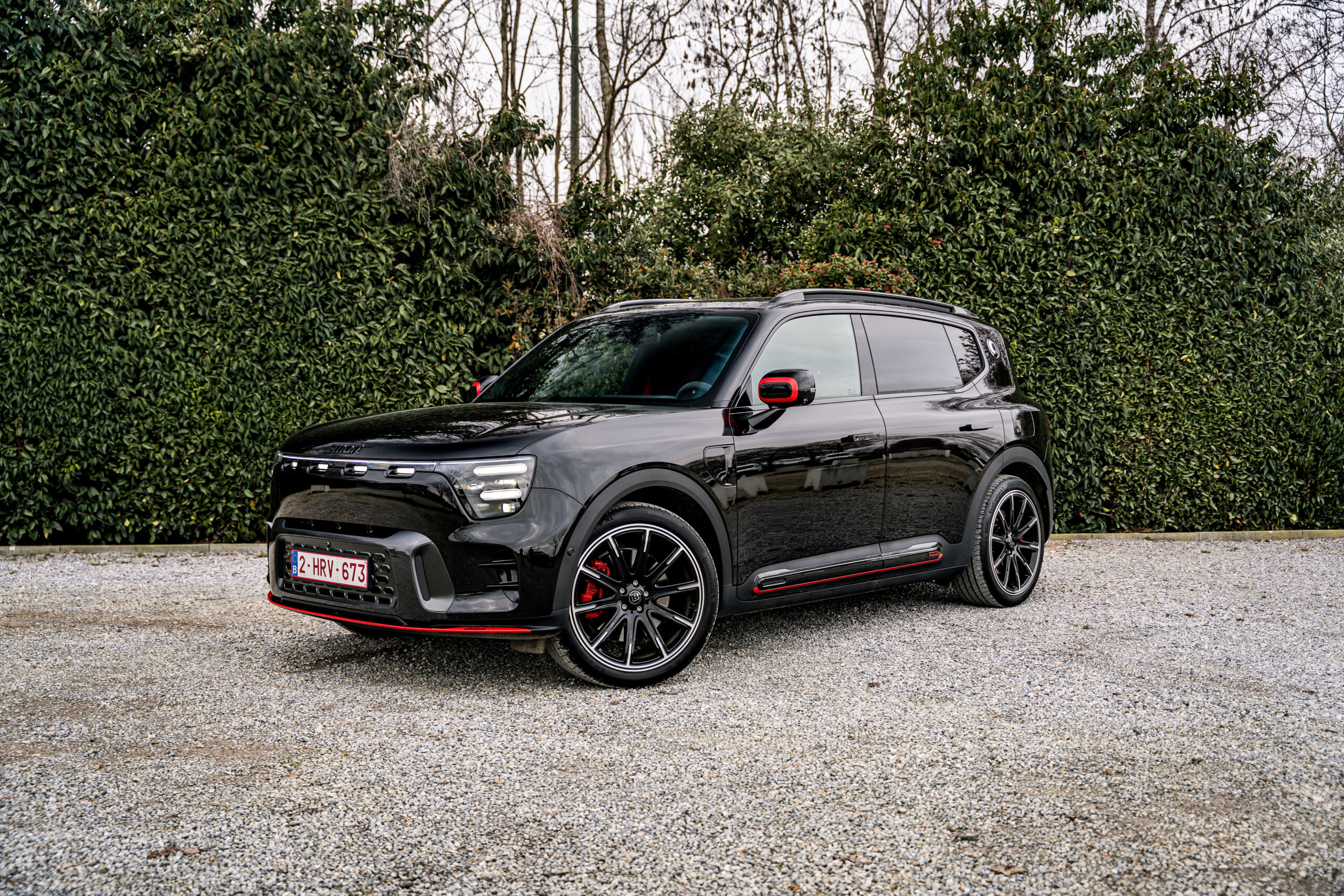
With the #5, Smart takes another step in its repositioning. Now focused on an exclusively electric lineup, the brand relies on this large-format SUV to underline its ambitions in the premium family segment. We had the opportunity to test the Brabus version, and we are going to share our impressions of this vehicle.
Exterior design and proportions
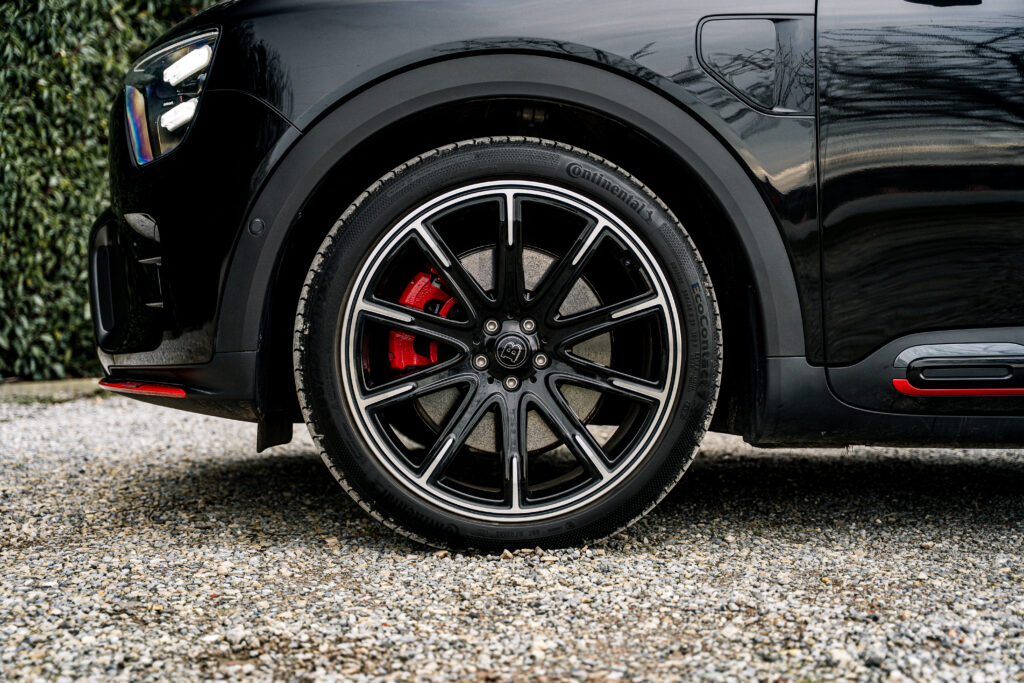
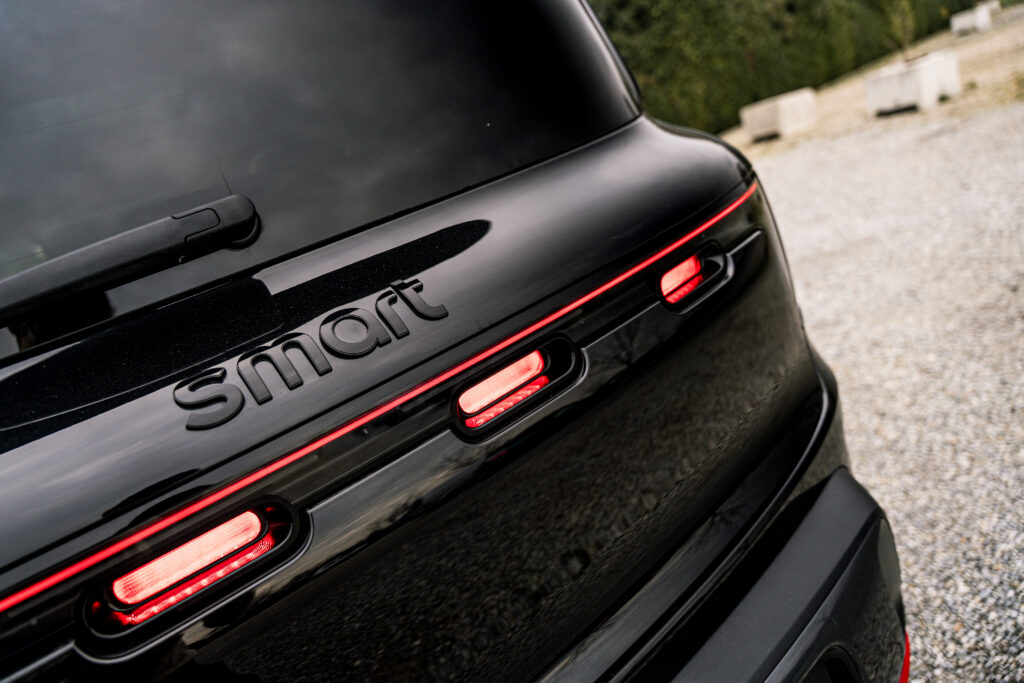
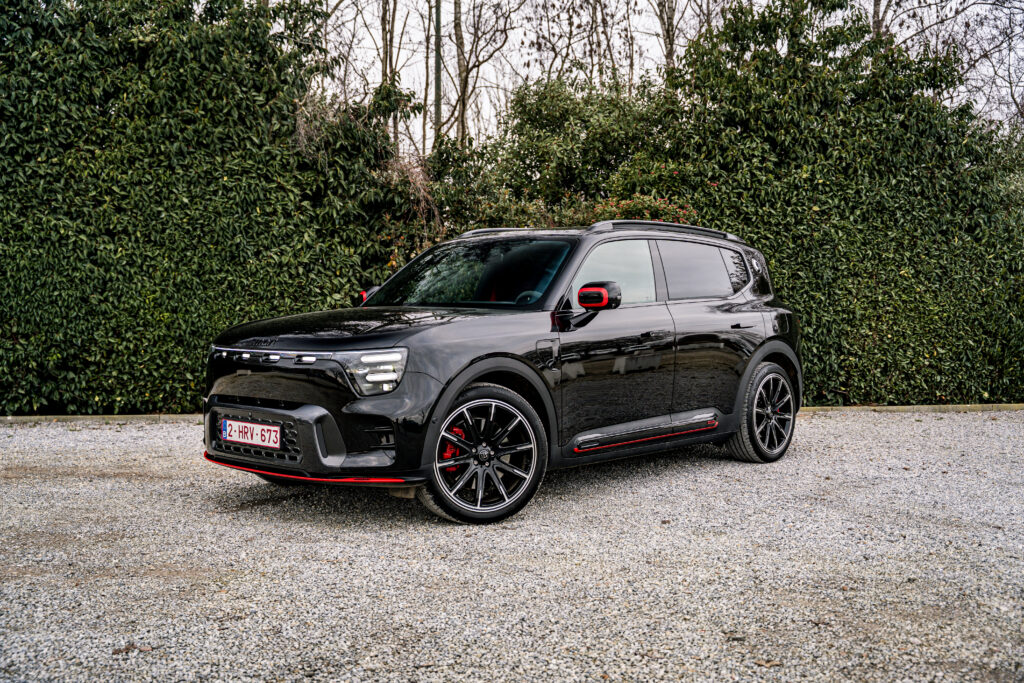
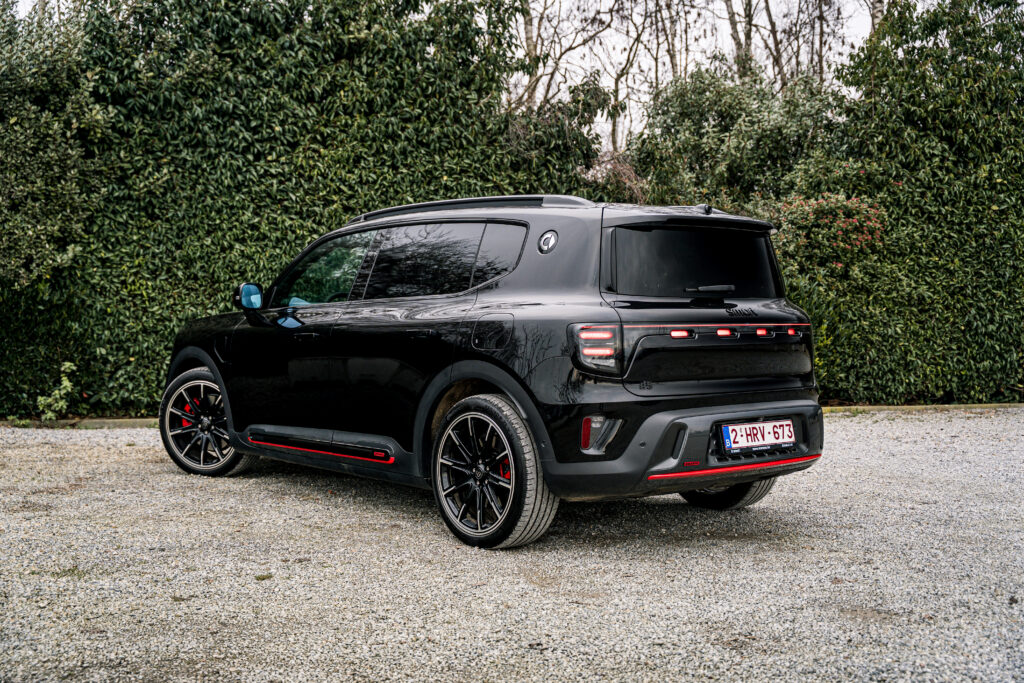
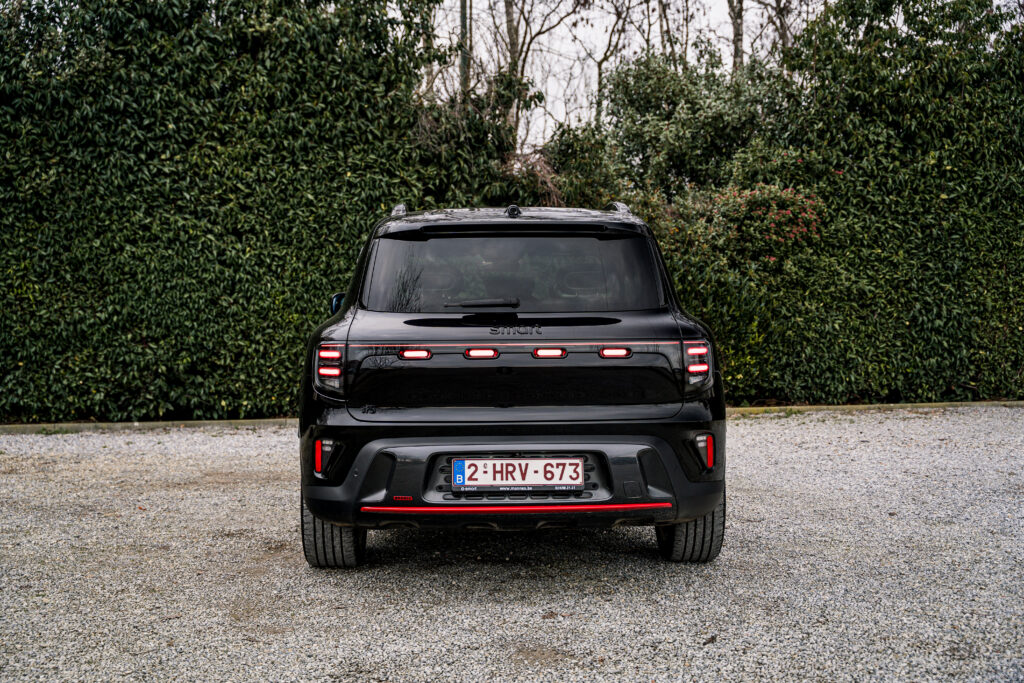
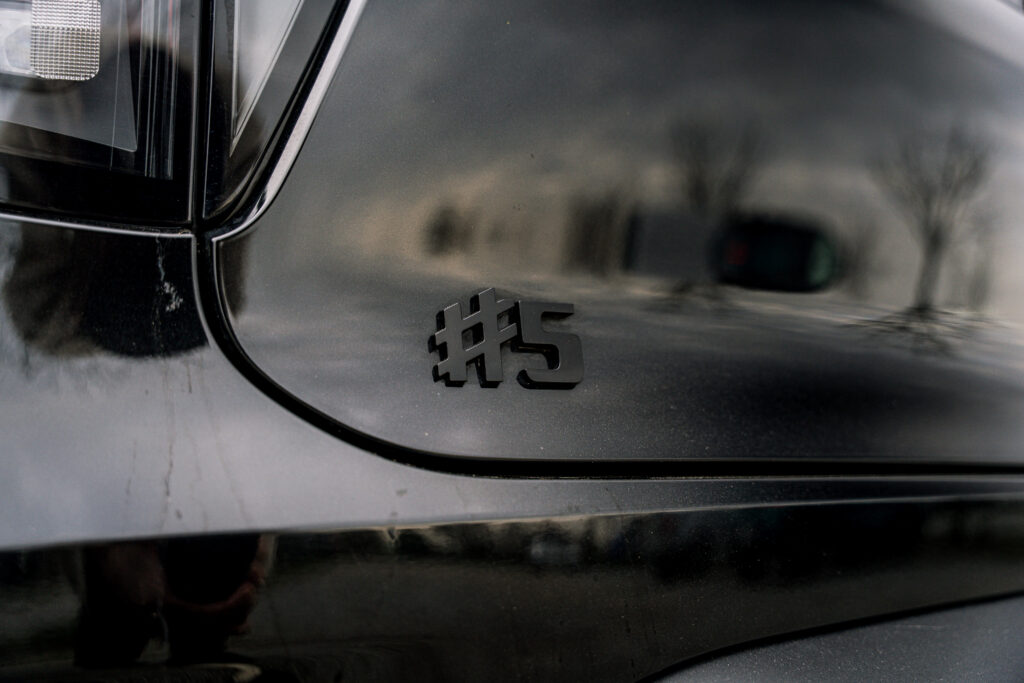
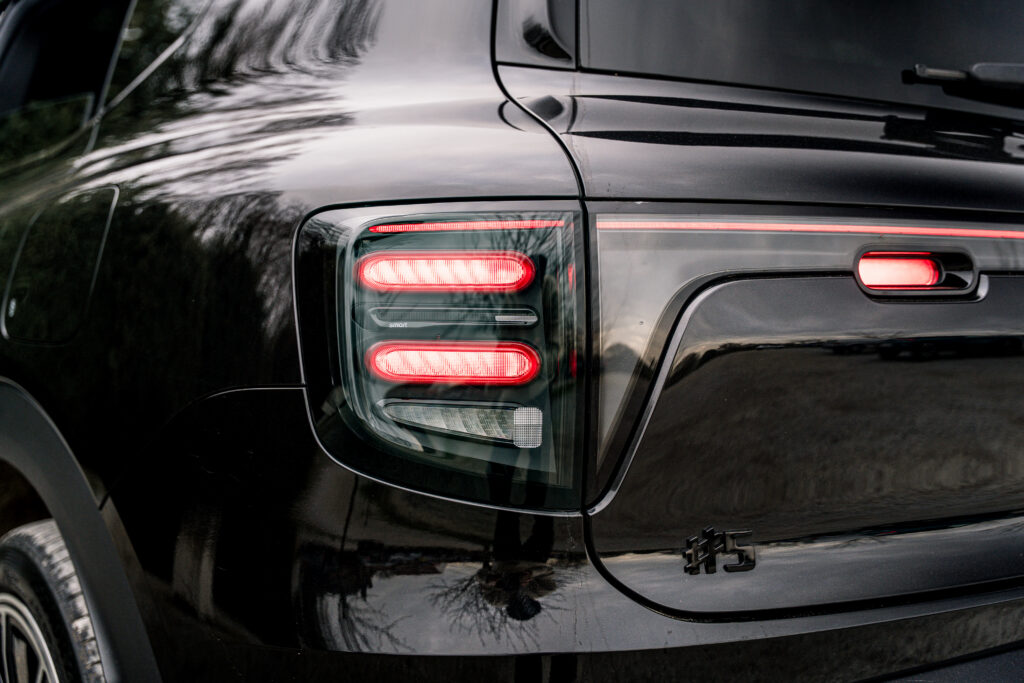
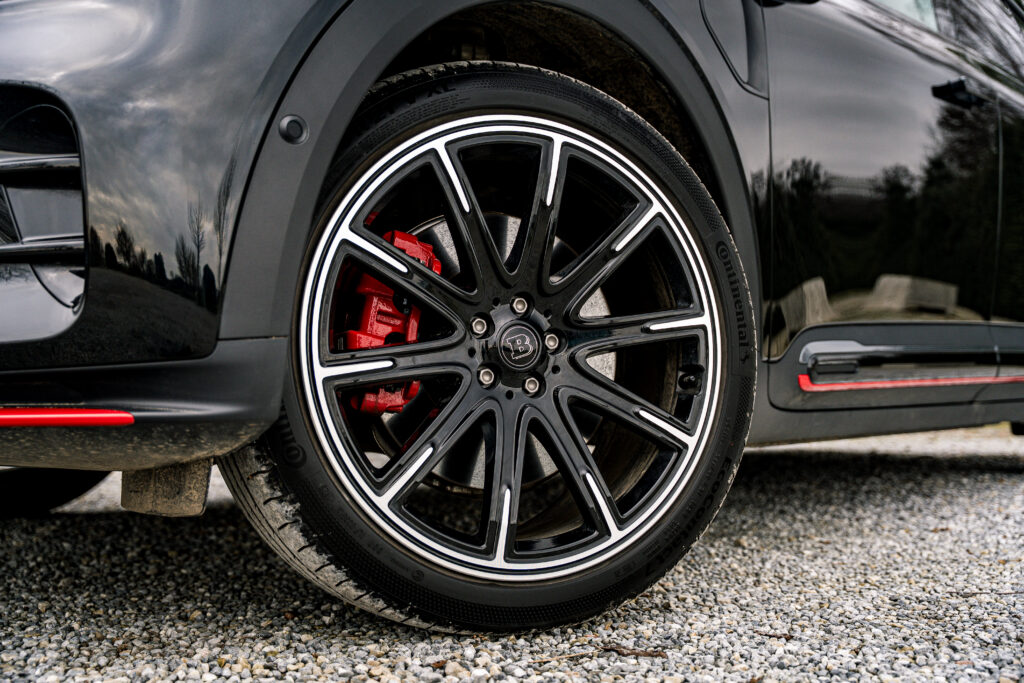
Visually, the #5 Brabus makes a strong impression. The proportions are assertive, the silhouette deliberately angular, and the stance firmly planted on its 21-inch wheels. The design emphasizes width and verticality, particularly at the rear, reinforcing a sense of robustness and solidity.
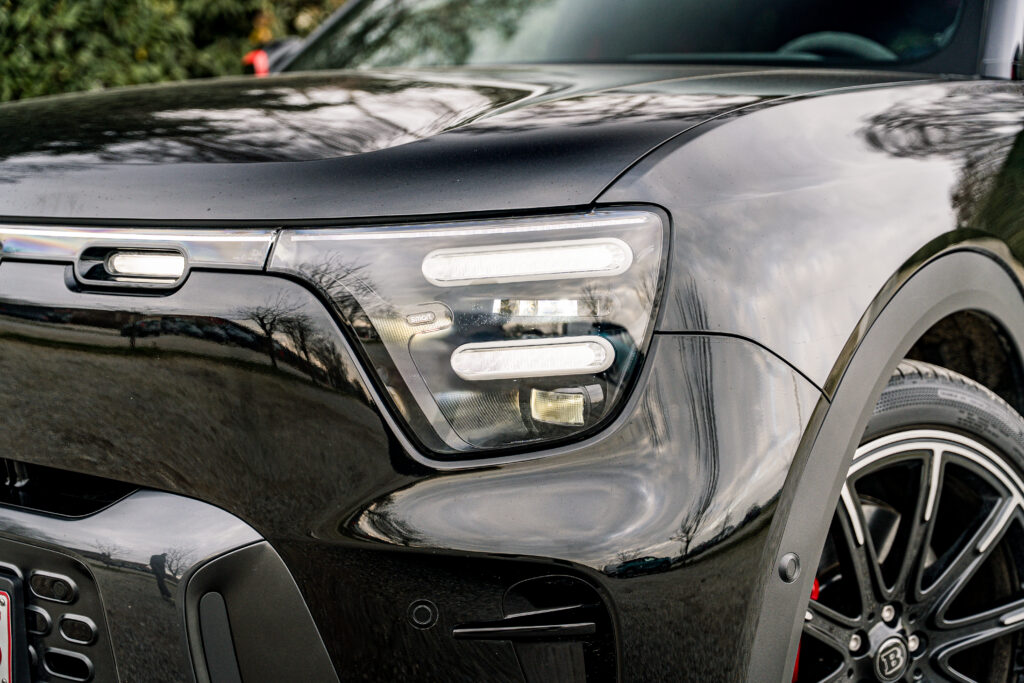
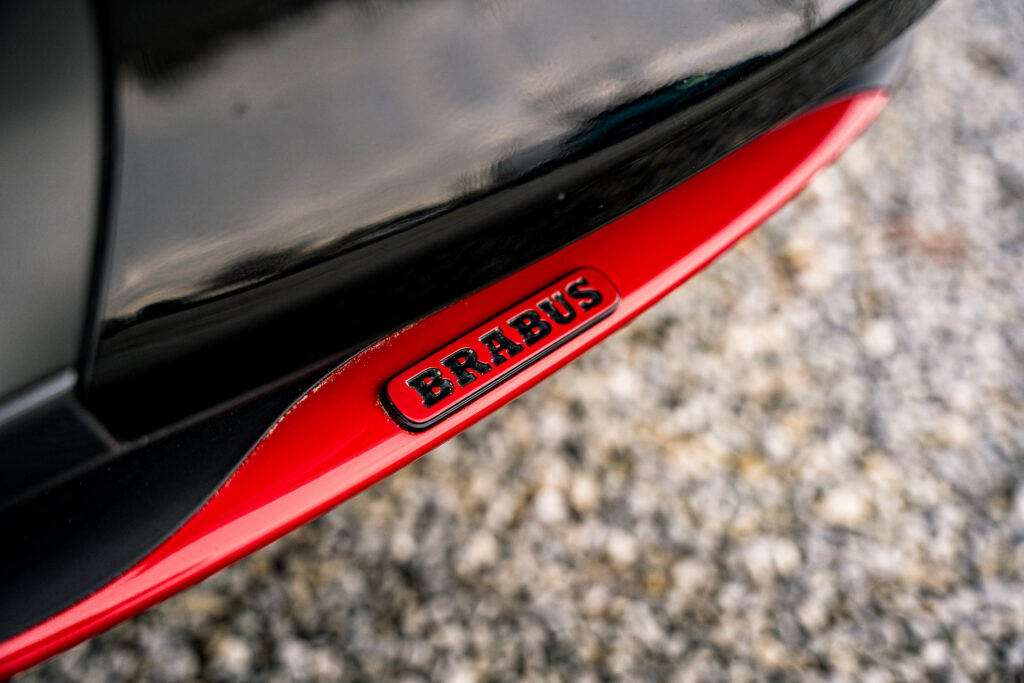
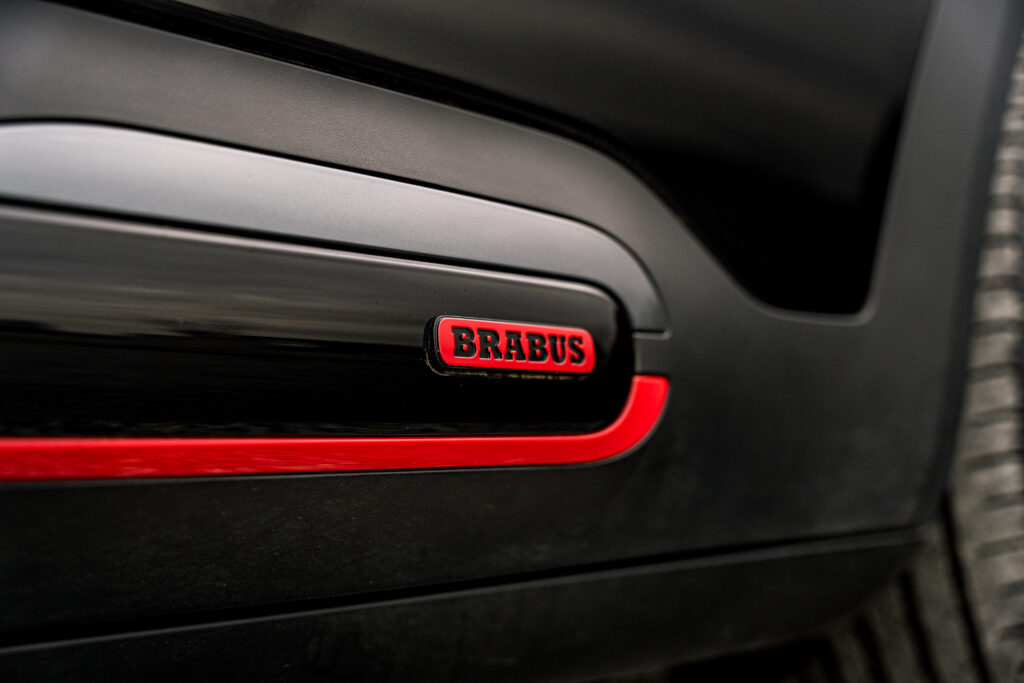
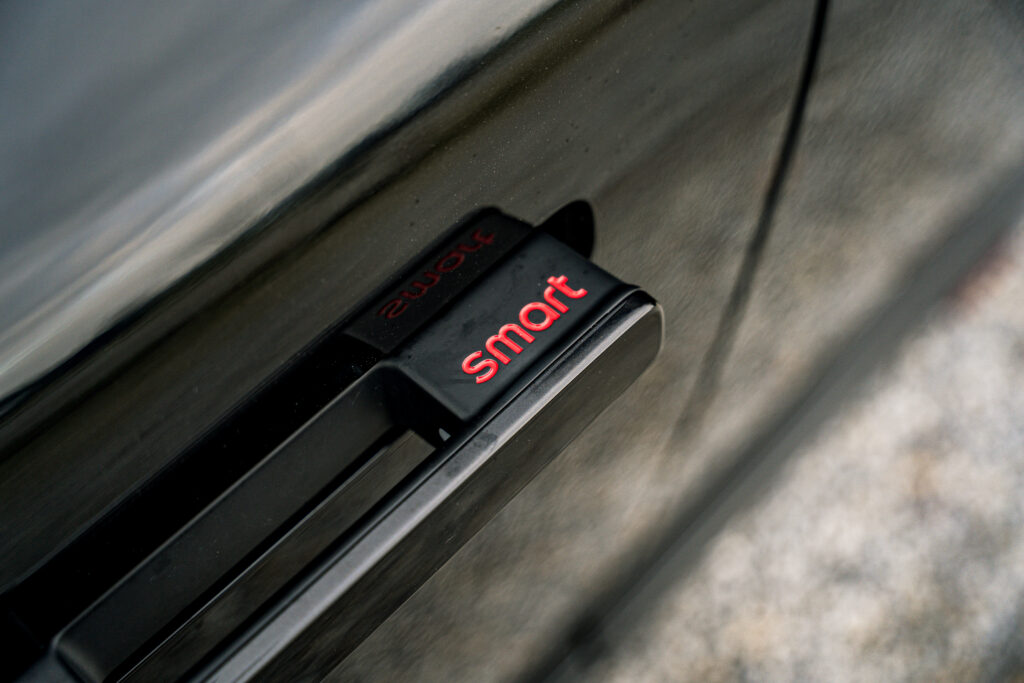
The Brabus variant stands out through a restrained approach. Its specific elements remain subtle; well-integrated red accents, matching brake calipers, and a broader choice of exterior colors compared to other versions. The overall look avoids excessive styling and fits more naturally into an upmarket positioning than a purely sporty statement.
Interior and onboard experience
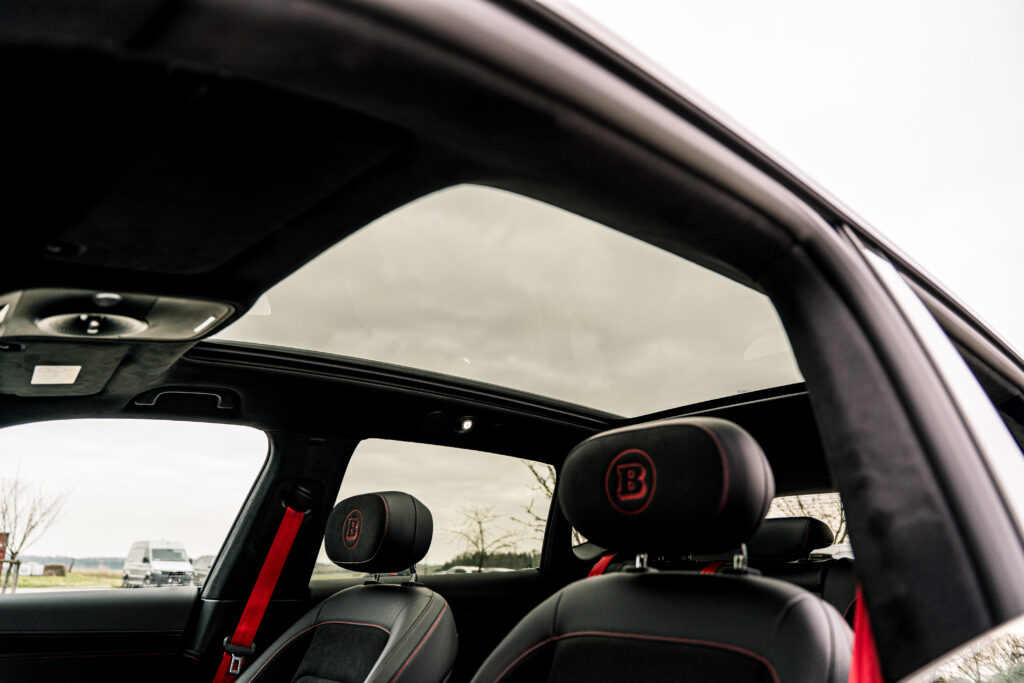
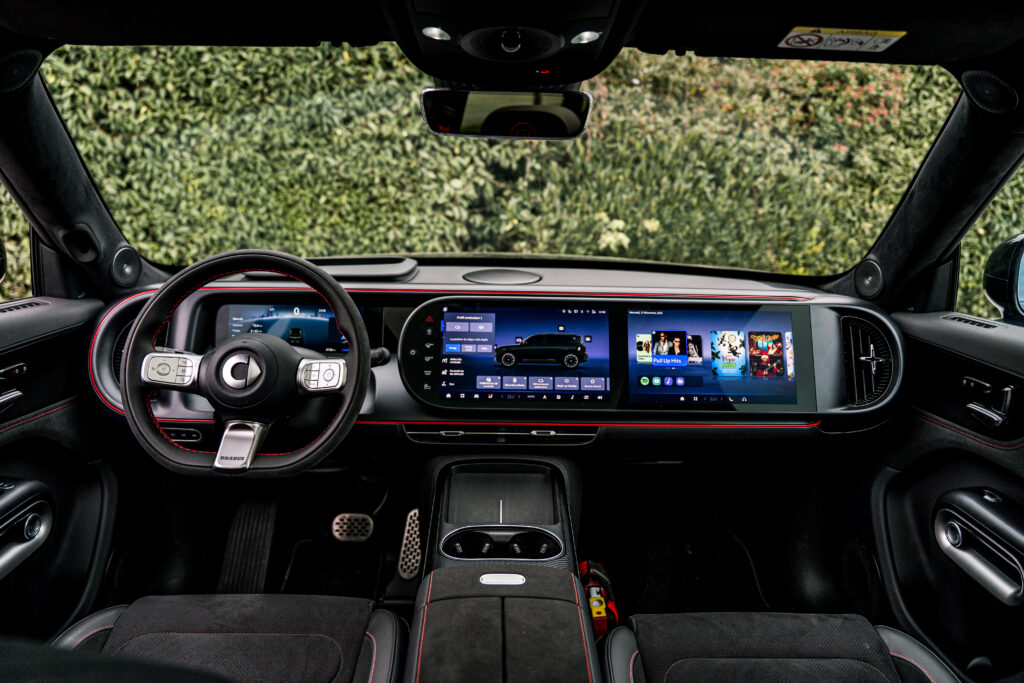
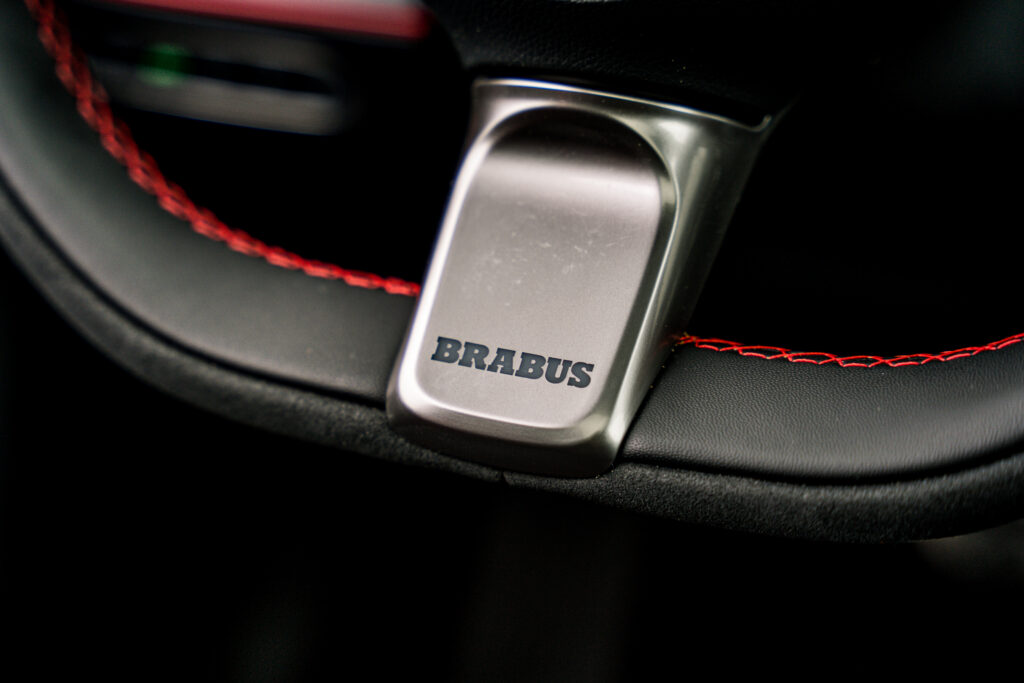
Inside, the cabin confirms this more premium orientation. The Brabus atmosphere is defined by a few clear visual cues: specific upholstery, contrasting stitching, red seat belts, and an Alcantara-trimmed steering wheel. Build quality is convincing, with a serious presentation and materials that feel appropriate for the segment.
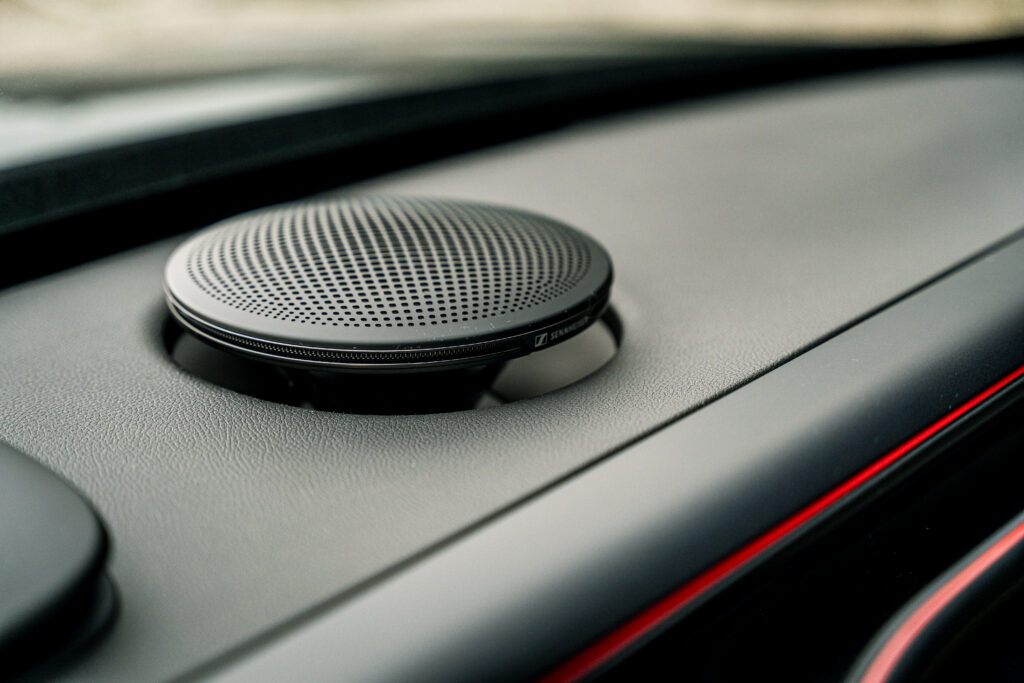
Interior space is one of the model’s strongest points. In the rear, headroom and legroom provide a level of comfort that is rarely compromised in this class of SUV. The Brabus version further enhances this with a very comprehensive equipment list, including heated and ventilated front seats, heated rear seats, and a 20-speaker Sennheiser audio system with Dolby Atmos compatibility. The dual wireless charging pads also prove genuinely useful in daily use.
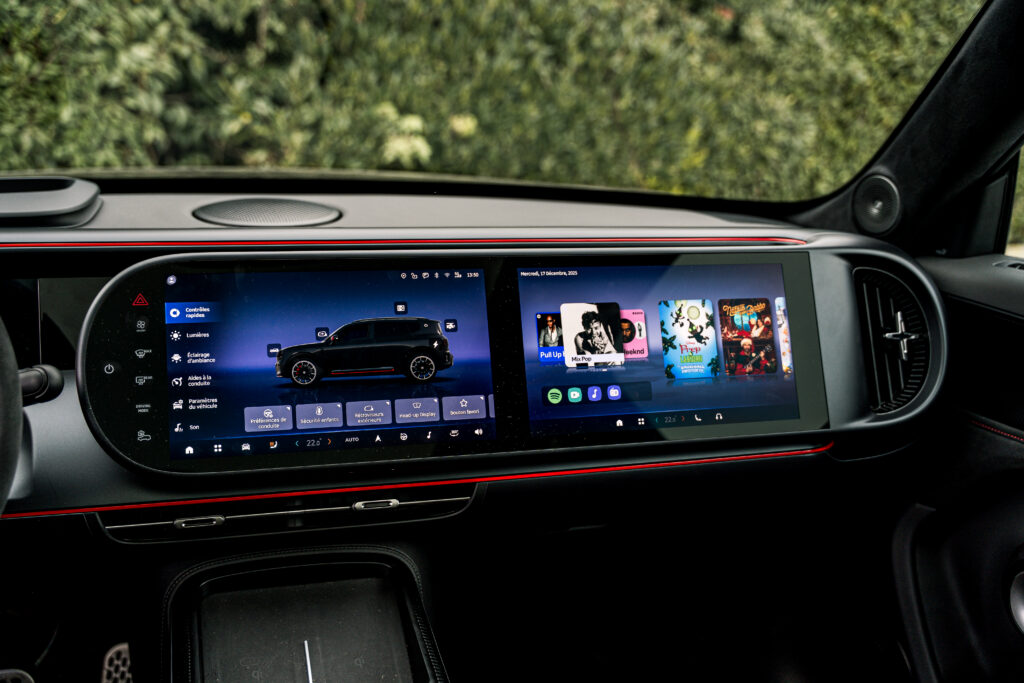
Ergonomics, however, remain heavily dependent on the central touchscreen. Many everyday functions require navigating through menus, which takes some familiarization and can reduce immediacy while driving.
Powertrain and performance
From a technical standpoint, the #5 Brabus clearly states its ambitions. The all-wheel-drive system relies on two electric motors delivering up to 475 kW, or 646 hp, with torque peaking at 710 Nm via a dedicated driving mode. On paper, the figures are unequivocal; despite weighing over 2.3 tonnes, the sprint from 0 to 100 km/h is completed in 3.8 seconds.
On the road, acceleration is immediate and impressive, but the overall balance remains focused on versatility. The chassis favors stability and comfort, and while the steering is precise, the vehicle’s mass limits any true sporting intent. Driver assistance systems are also quite assertive in their default settings and benefit from some adjustment to suit individual preferences.
Range and charging
The 94 kWh usable battery (100 kWh gross) is shared with other all-wheel-drive versions. The claimed range reaches 540 km, but it varies significantly depending on driving style. In sustained motorway use, it is more realistic to expect around 300 km, or roughly 220 km between 80 and 10 percent charge at 130 km/h.
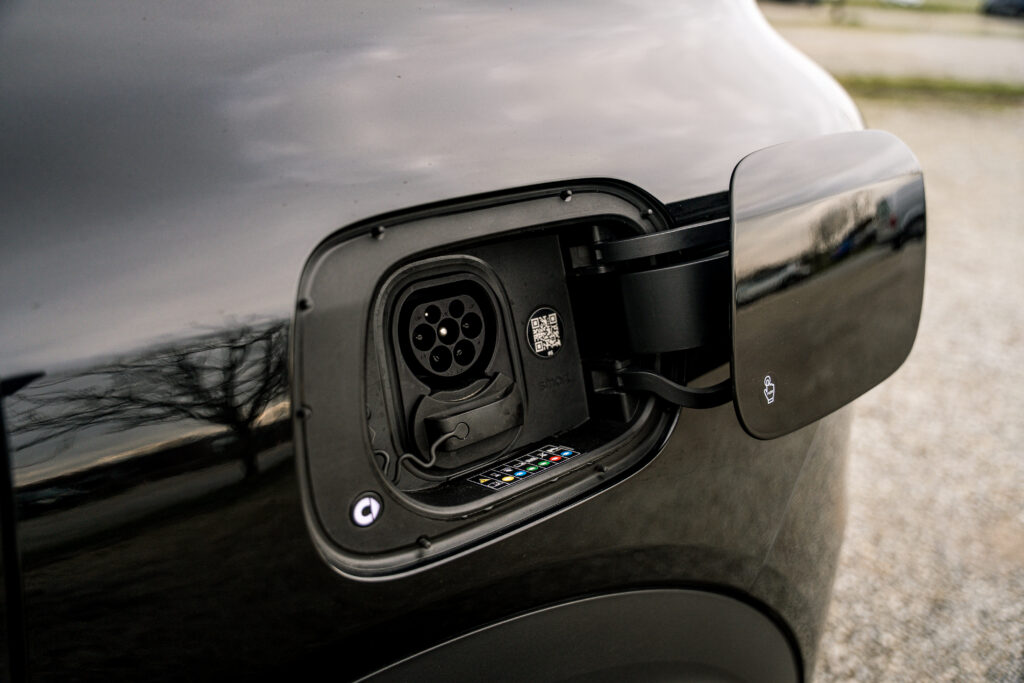
Charging, by contrast, is a strong point. Thanks to its 800-volt architecture, the #5 Brabus can accept up to 400 kW in DC charging. Under favorable conditions, charging from 10 to 80 percent can be completed in under 18 minutes. On 400-volt chargers, output is limited to 80 kW, reducing the appeal of infrastructure not suited to this level of performance.
Conclusion: key takeaways
With the #5 Brabus, Smart introduces the largest and most powerful model in its history. Rather than turning a family SUV into a pure sports car, this version aims to deliver a balanced mix of high performance, comfort, and modern technology. It is a coherent proposition, provided one is willing to accept a few compromises.
We like
- The quality of presentation and interior atmosphere
- Very comprehensive standard equipment
- Strong performance
- Fast charging enabled
We like less
- An interface heavily reliant on screens
- Handling that prioritizes comfort over sportiness
- High energy consumption when driven dynamically
Photography : Stefan Caliman / GUS