KANAL: Before the Opening
 Iker
Iker
In November 2026, the former Citroën garage on the Brussels canal will open as a museum. Not a symbol, not a landmark, but a sequence of public spaces designed to be used. KANAL Pompidou opens with ten inaugural exhibitions alongside a library, workshops, a bakery, and a playground. A condensed city rather than a closed institution.
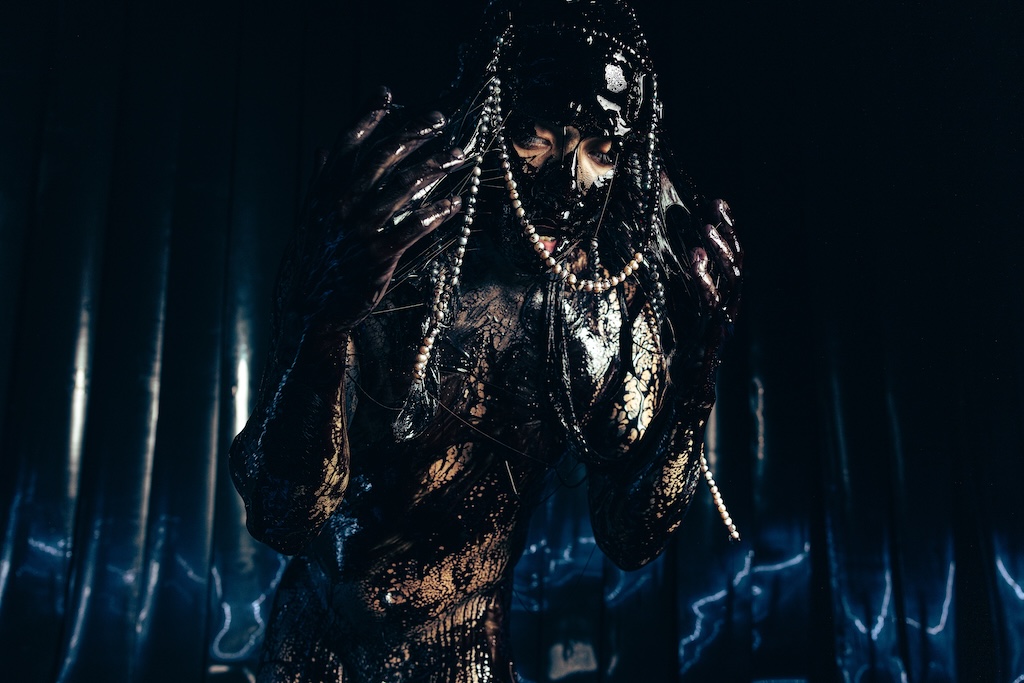
KANAL does not present itself as a temple of modern and contemporary art. It positions itself as cultural infrastructure. The press release is explicit: the centre of gravity is public space. Art, architecture, and live practices are inseparable from circulation, pause, and daily presence. The museum is conceived less as a destination than as a framework—one that remains open to contradiction, negotiation, and use.
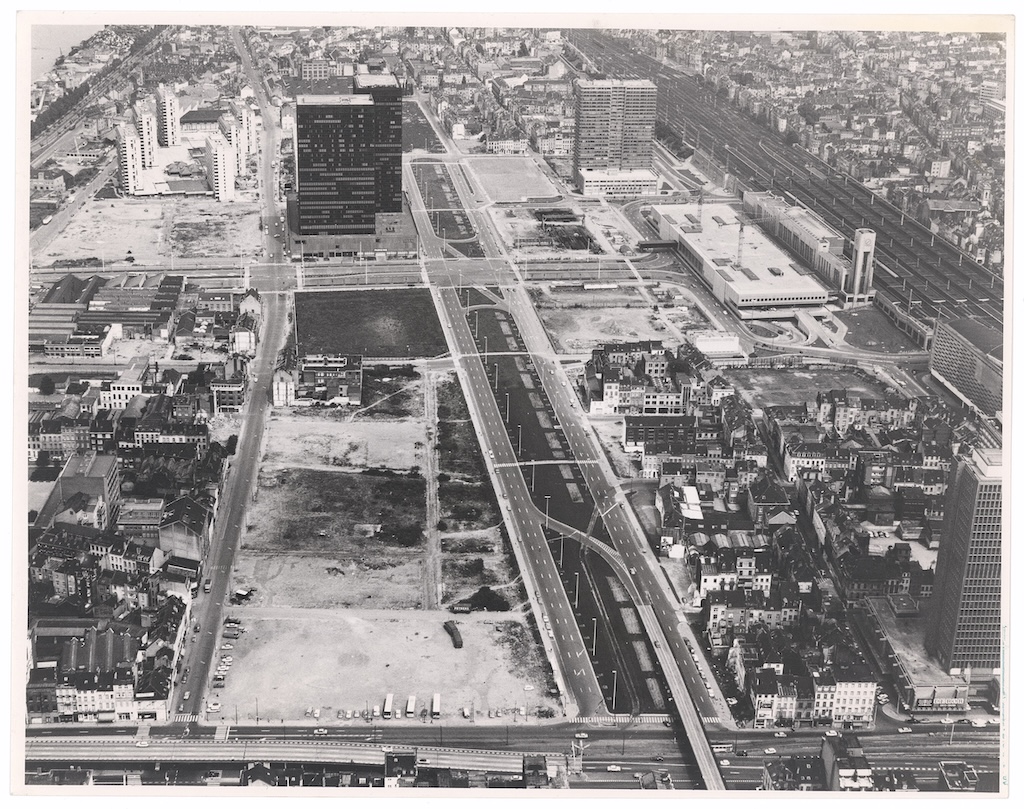
The planned programme sets the tone. Ten inaugural exhibitions unfold simultaneously, not as a manifesto but as a field of positions. Long-term presentations drawn from the Centre Pompidou collection, such as A Truly Immense Journey, move across histories of migration, abstraction, and movement.
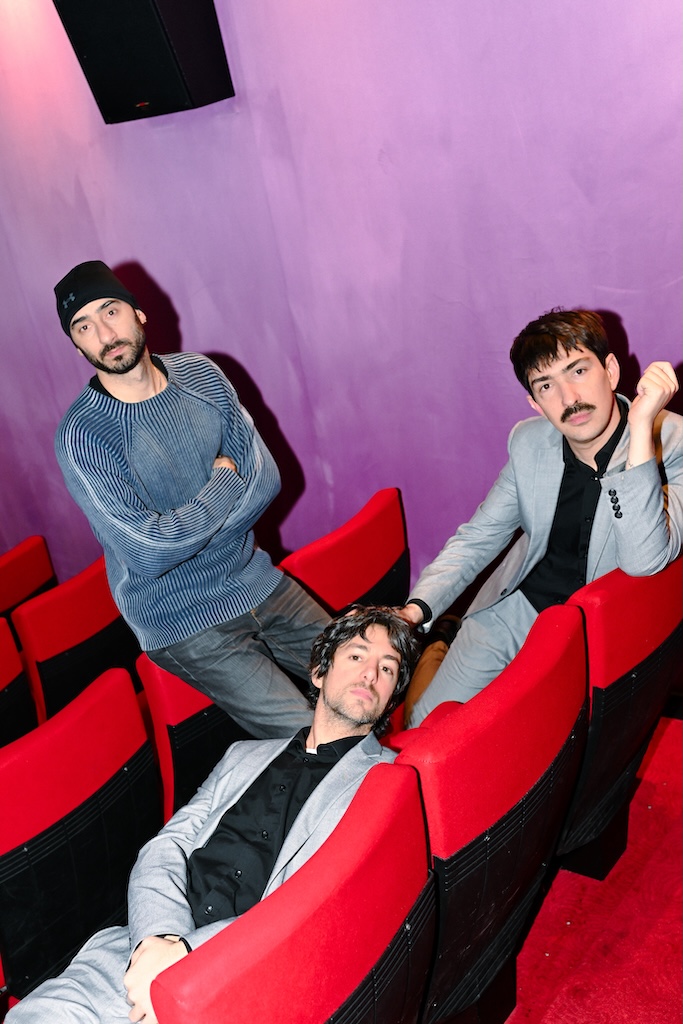
Elsewhere, artists like Joëlle Tuerlinckx work with the building itself, revealing its foundations, rhythms, and latent temporalities. Manon de Boer foregrounds listening over looking, while Otobong Nkanga activates collective making and shared labour. Political fragility surfaces quietly in works like Banu Cennetoğlu’s presentation of human rights as something that can deflate, fade, and require constant reassertion. Together, the programme moves between permanence and experimentation, refusing a single rhythm or point of view.
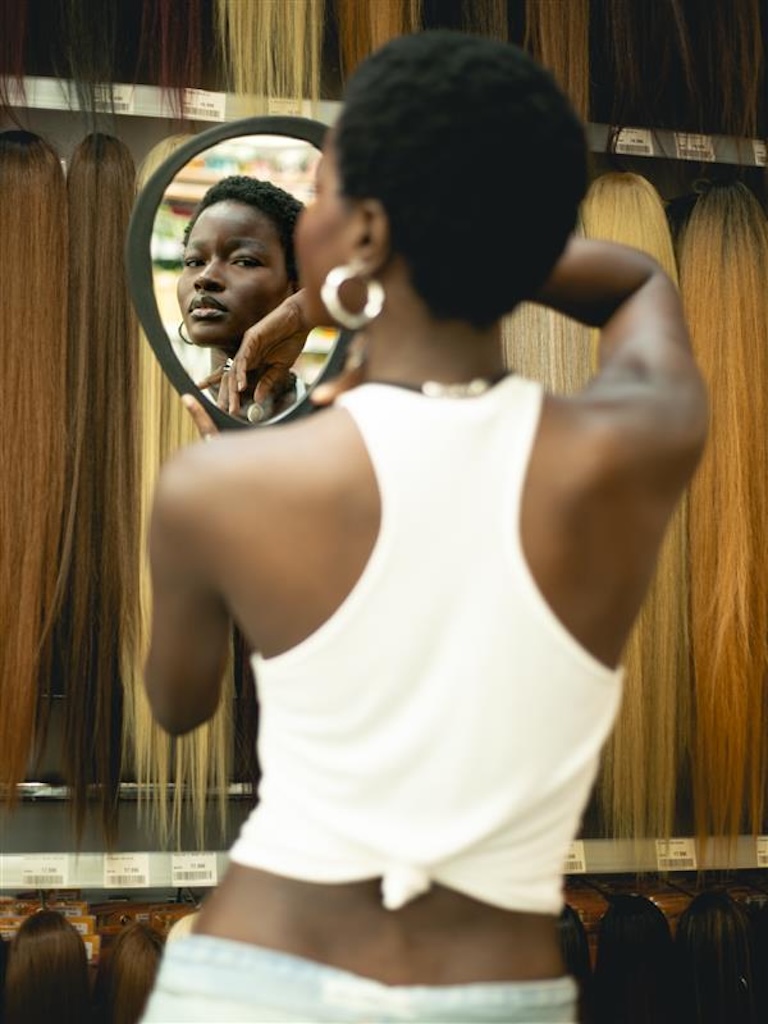
The building retains its industrial volume. Movement is not prescribed. Visitors are not guided through a sequence but allowed to enter, exit, linger, or pass through. The museum privileges repetition over completion, proximity over mastery.
Brussels is not a backdrop here but a method. A city shaped by negotiation, multiplicity, and political friction informs the institution’s structure. Participation is not an add-on but an operating principle, woven into exhibitions, collections, and public programmes.
To open a museum today is not to assert authority but to make room. Room for shared time. Room for unresolved histories. Room for attention that moves at different speeds.
When KANAL opens in November 2026, it will not ask what culture means. It will ask how culture is practiced – across spaces, bodies, and habits, in a city that never fully settles.
KANAL Pompidou
Quai des Péniches 44
1000 Brussels
kanal.brussels