Toulon: Between Harbour Light and Mediterranean Living
 Frederick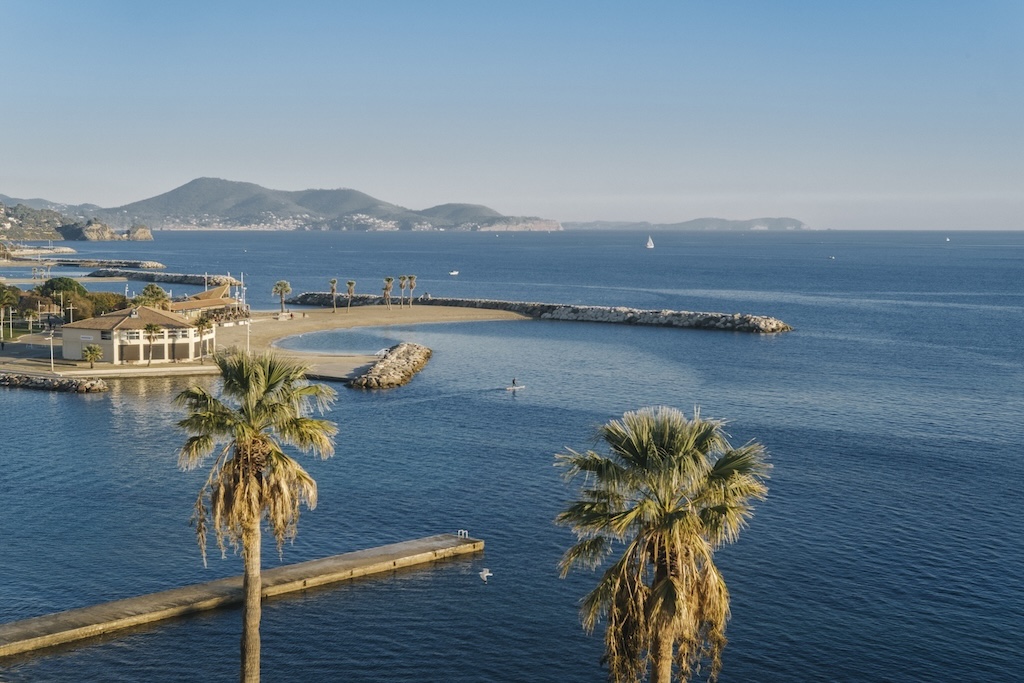
There are Mediterranean destinations that immediately capture attention, and others that reveal themselves gradually, rewarding curiosity rather than spectacle.
Toulon belongs firmly to the latter.
For years, travellers heading towards Saint Tropez, Cannes or Nice passed through without stopping, seeing little more than the silhouettes of naval ships anchored in one of Europe’s largest natural harbours. Yet behind this maritime façade lies a city quietly reinventing itself. Contemporary art, creative districts, ambitious cultural institutions and a renewed appreciation for Mediterranean living have gradually reshaped Toulon. What emerges is not a city seeking attention, but one that rewards those willing to spend a few days exploring beyond first impressions.
We arrive just as the day begins to soften.
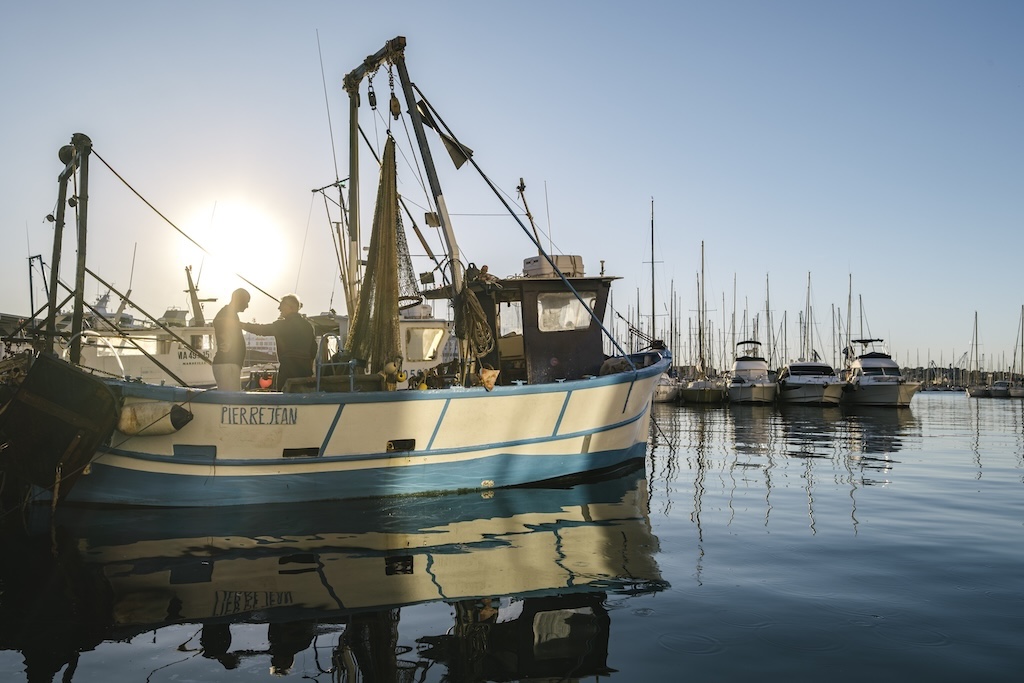
The bay opens before us, framed by hills whose outlines gradually dissolve into the evening haze. Along the waterfront, families stroll beneath palm trees while terraces fill with locals lingering over a drink.
Calmer. More deliberate. More Mediterranean.
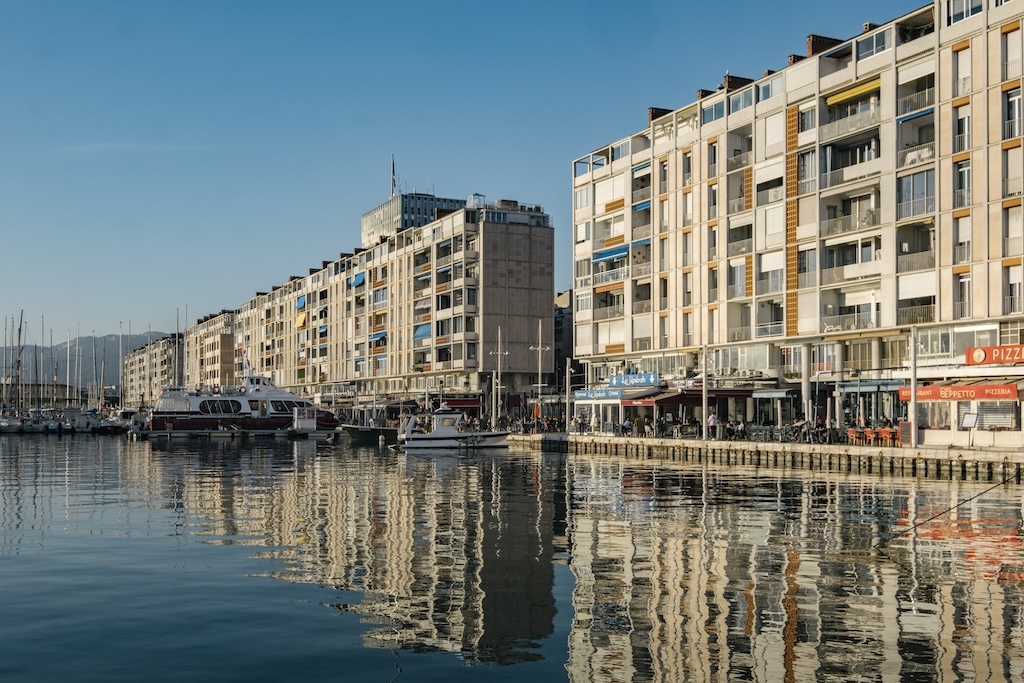
Rather than heading directly to dinner, we follow the harbour, letting the city introduce itself on its own terms. Toulon is not a place that reveals all its charms at first glance. Its appeal lies in details: the changing colours of the water, the mixture of historic façades and contemporary energy, and the feeling that everyday life remains at the centre of everything.
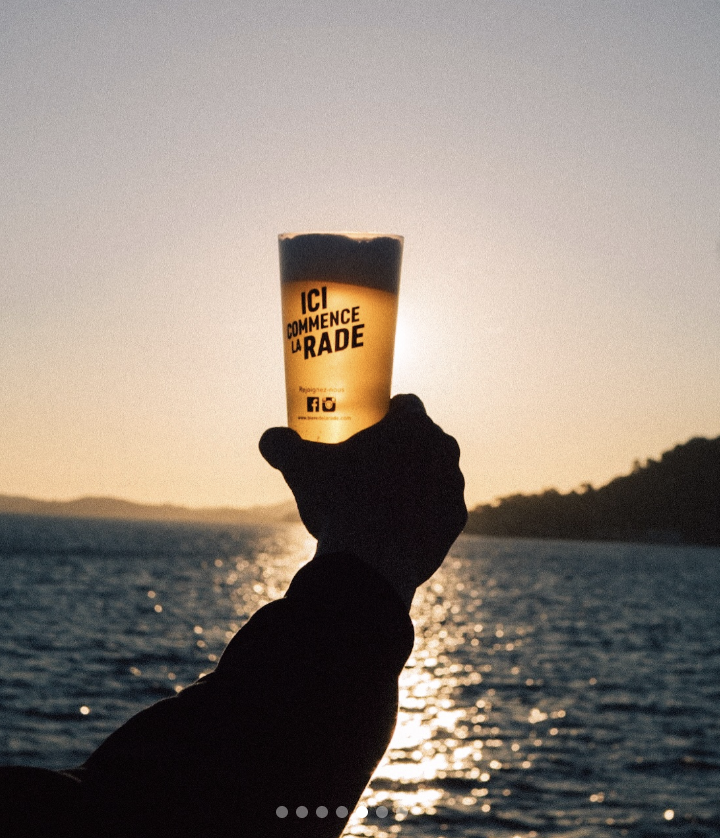
Before dinner, we stop at Bière de la Rade. Around us, conversations flow effortlessly between neighbouring tables while the harbour gradually slips into twilight. The atmosphere feels entirely local, relaxed and welcoming, setting the tone for the days ahead. There is something reassuring about discovering a city through the places its residents genuinely enjoy.
A short walk later, we sit down at Manofica.
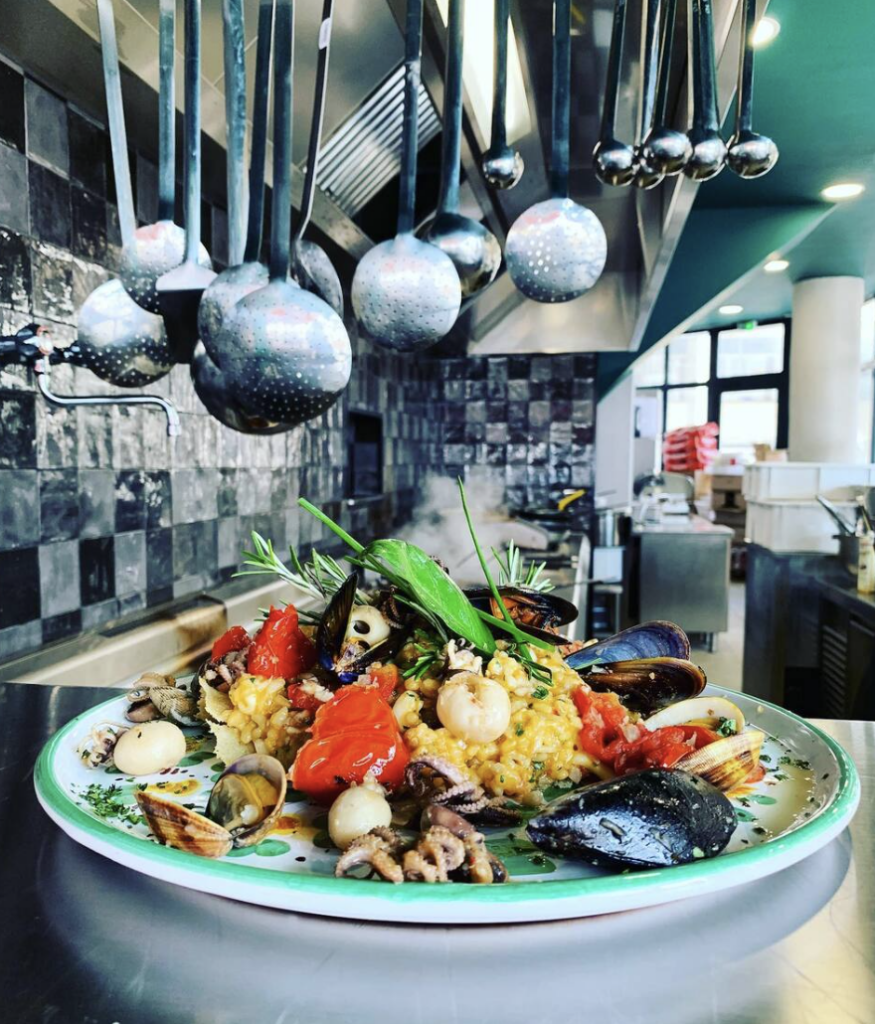
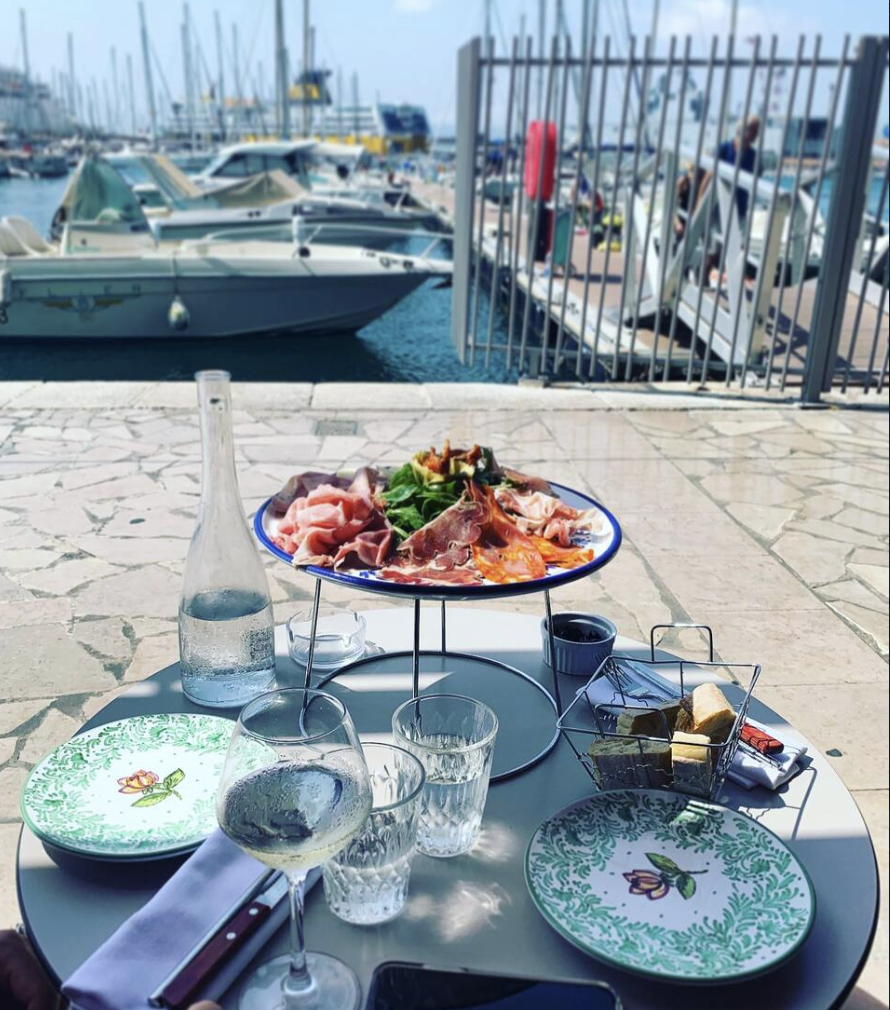
The restaurant brings a distinctly Italian accent to the evening, serving the kind of generous and convivial cuisine that invites lingering at the table. Around us, friends share bottles of wine, conversations overlap and the atmosphere becomes increasingly animated as the night progresses. In a city shaped by centuries of maritime exchanges across the Mediterranean, Italian flavours somehow feel perfectly at home.
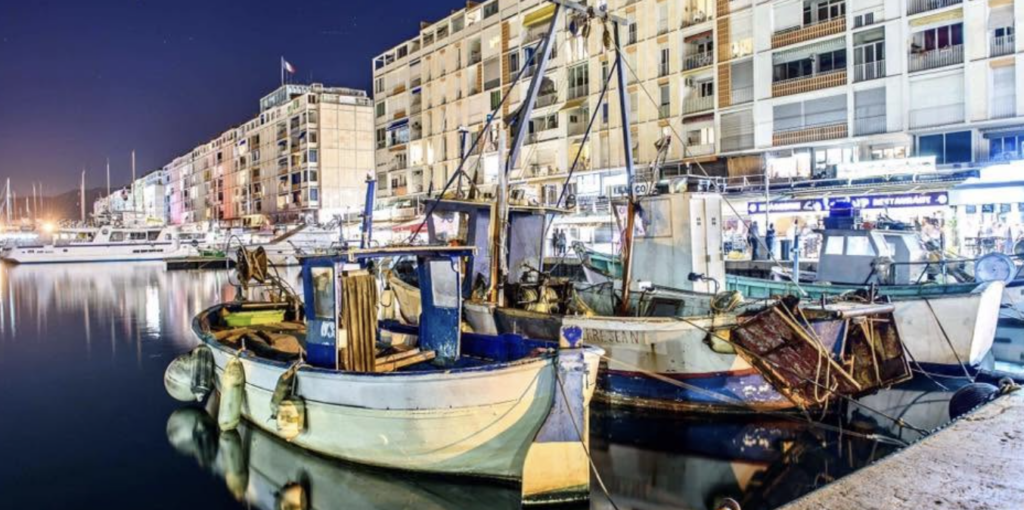
Later, we return to the waterfront. The city has become quieter. Reflections shimmer across the bay, the boats seem suspended between water and sky and the harbour lights trace delicate lines across the horizon.
Toulon sleeps close to the sea, and that first evening already feels like an invitation to settle into the city’s rhythm.
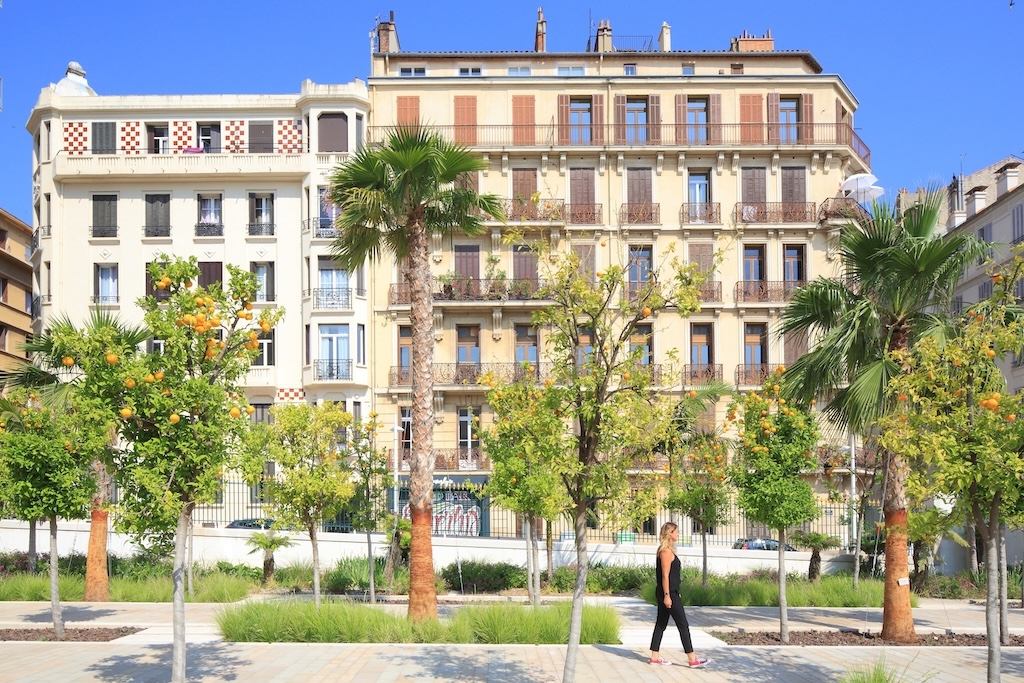
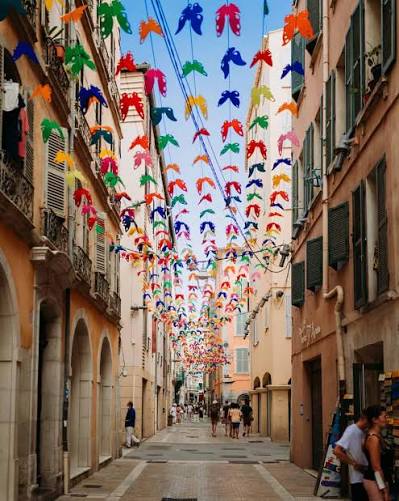
The following morning begins in the historic centre, where pale façades reflect the Mediterranean light and café terraces gradually come to life.
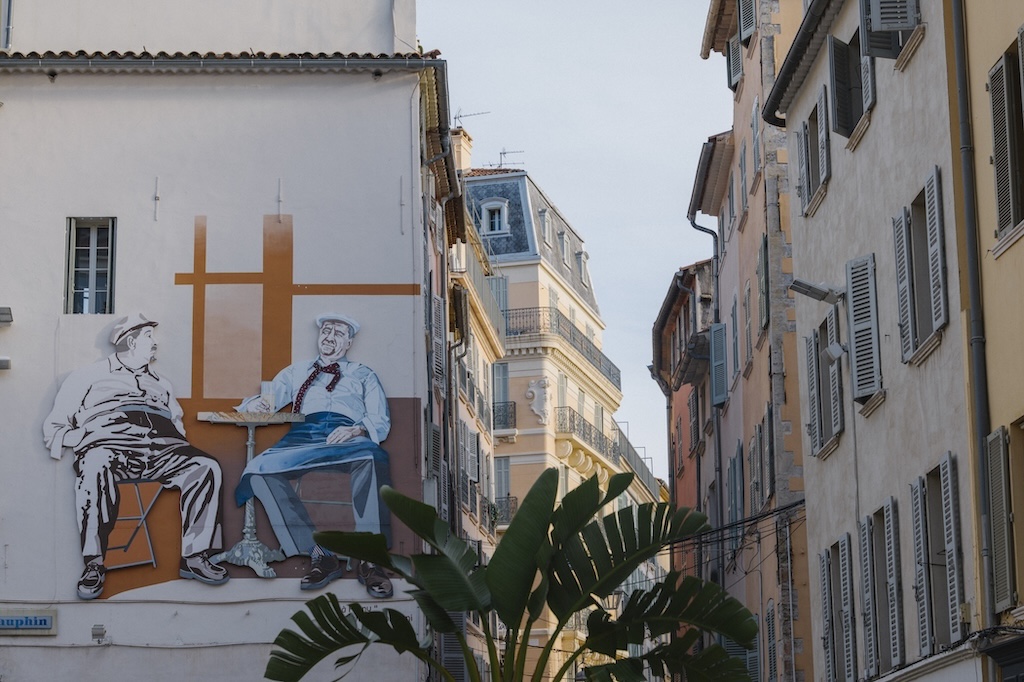
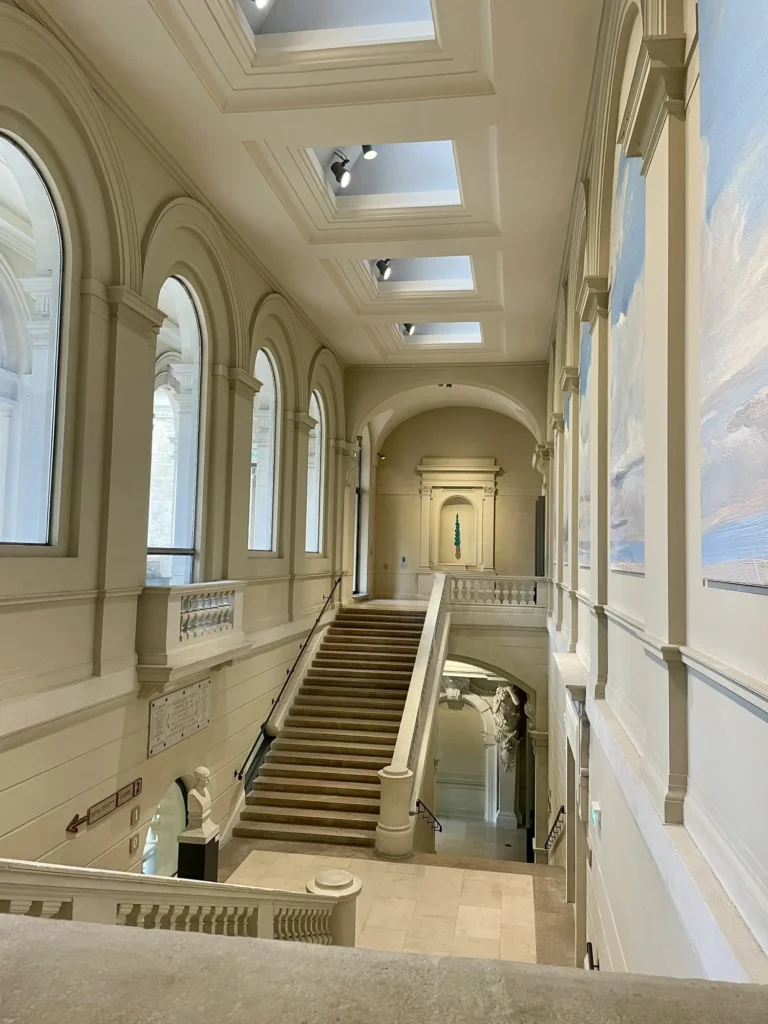
While Toulon’s maritime heritage remains ever present, its cultural ambitions are increasingly impossible to ignore. A short walk brings us to the Musée d’Art de Toulon, housed within an elegant Belle Époque building whose architecture alone deserves attention. Inside, modern and contemporary works unfold across luminous galleries, offering a thoughtful introduction to the creative spirit now shaping the city.
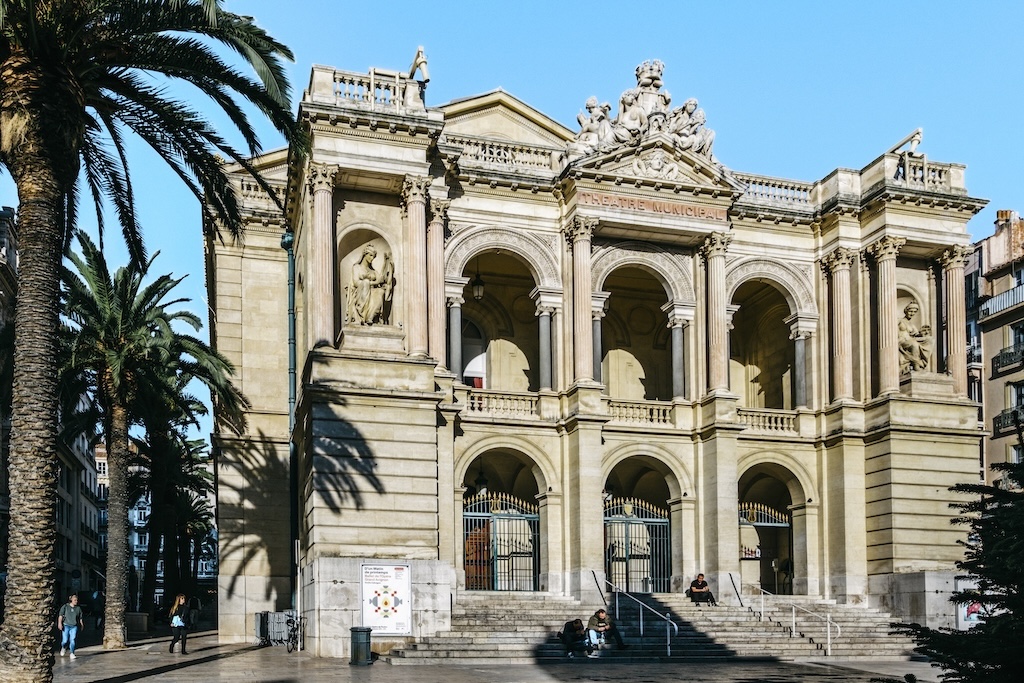
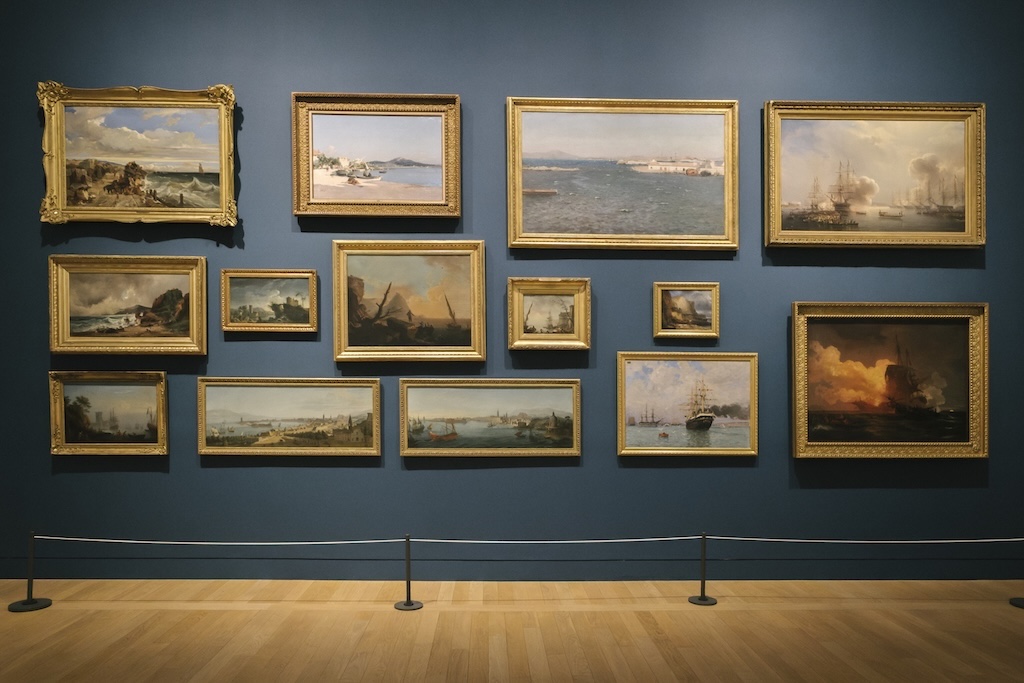
Leaving the museum, we continue deeper into the old town. A few streets away, the Ancien Évêché reveals another facet of Toulon’s cultural renaissance. Once the residence of the bishops of Toulon, the historic building now hosts exhibitions curated by Villa Noailles, creating an unexpected bridge between Toulon and Hyères. Contemporary photography, design and visual arts inhabit centuries old walls, establishing a dialogue between heritage and creation that feels particularly relevant here.
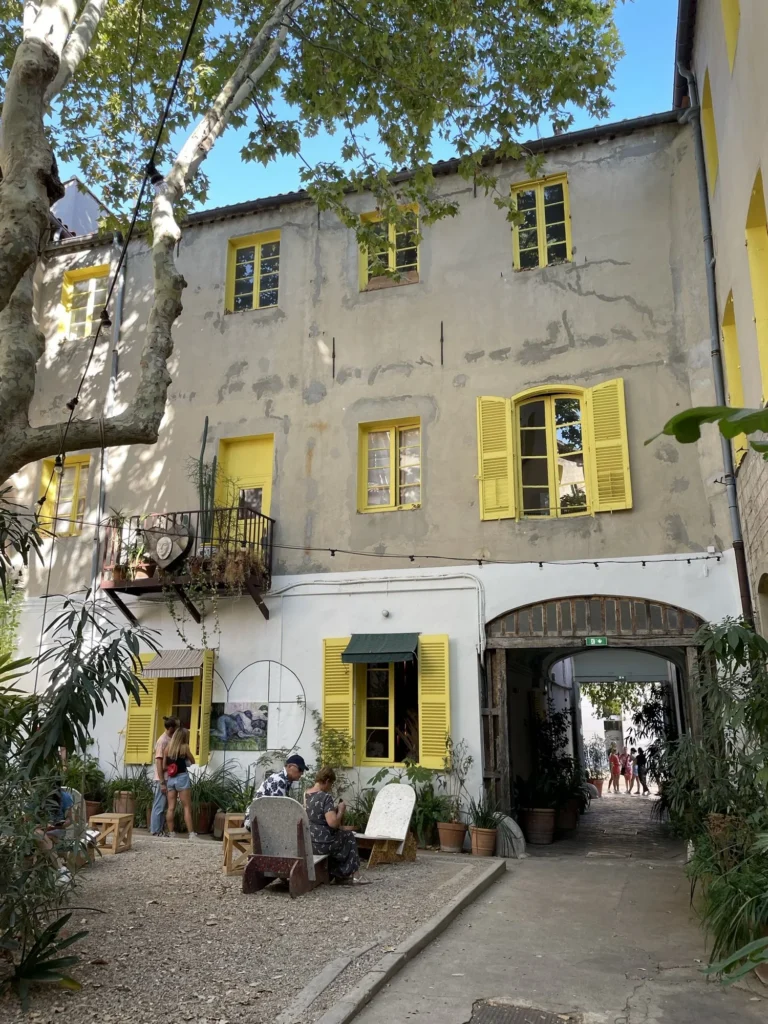
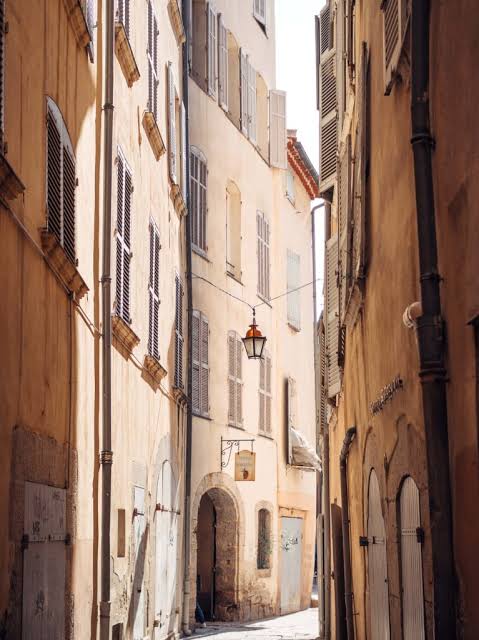
Standing in the quiet courtyard, we begin to sense that the creative energy of the region extends well beyond city limits. Toulon and Hyères may each possess their own personality, yet they share a common artistic pulse that quietly links them together.
From here, the walk naturally continues towards Rue des Arts.
The district feels alive without being polished. It is precisely the kind of neighbourhood that rewards aimless wandering.
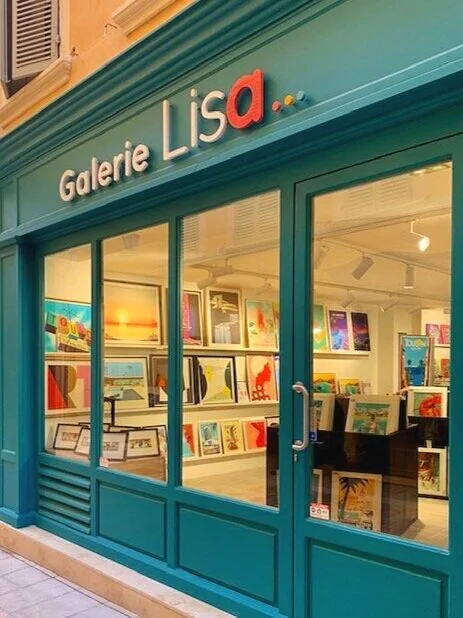

We spend the rest of the morning drifting from one discovery to the next. At Galerie Lisa, illustration and photography offer intimate glimpses into the creative imagination of local and regional artists. A few steps away, Galerie Isotélo invites us to pause in front of carefully curated photographic works that seem to echo the landscapes and light we have been encountering throughout our stay.
The pleasure of Rue des Arts lies precisely in these unexpected encounters. One moment we are discussing photography, the next we find ourselves browsing contemporary decorative objects and furniture at Carré du Globe, an address that perfectly captures the Mediterranean taste for beautiful yet functional design. Nearby workshops reveal handcrafted jewellery, ceramics and artisanal creations, each contributing to the feeling that creativity here remains deeply connected to everyday life.
Artists work behind open doors, visitors drift in and out of galleries and conversations emerge naturally. The district feels less like a cultural project than a neighbourhood that has found a new energy.
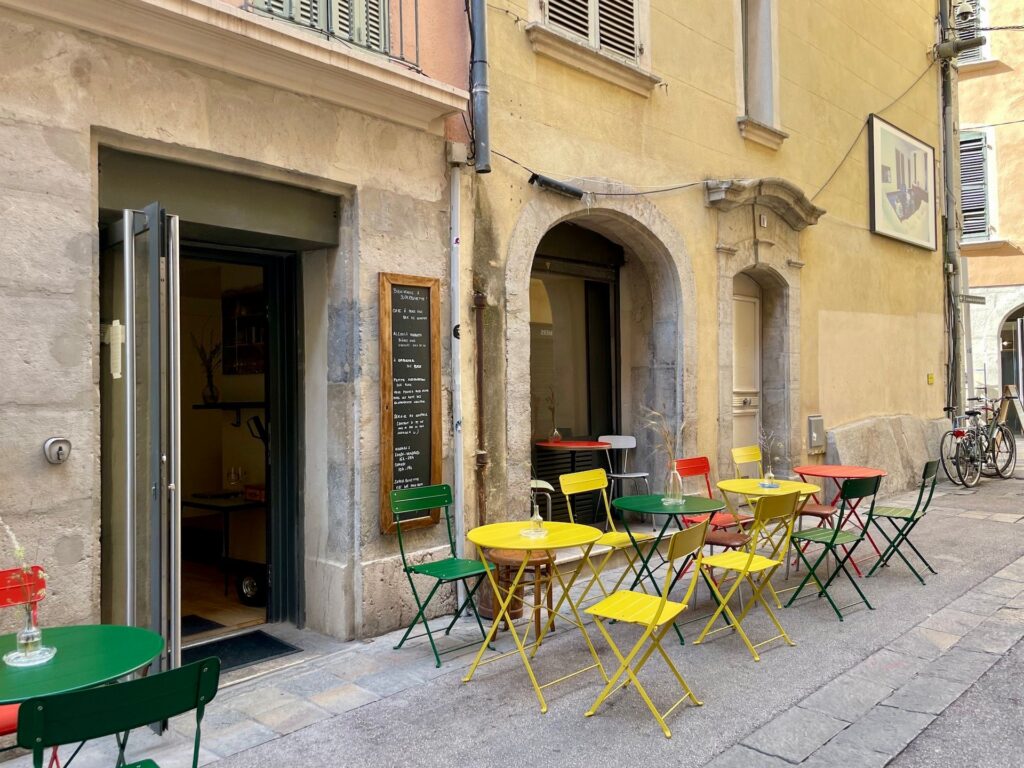
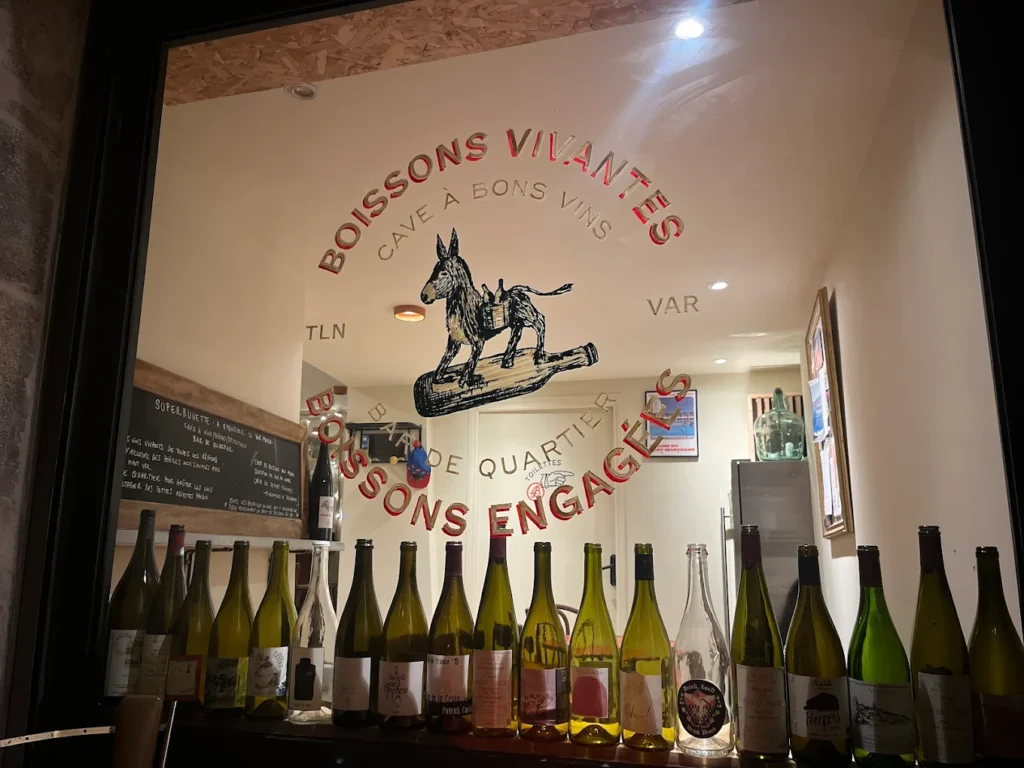
Before leaving the neighbourhood, we stop for a glass at Superbuvette. With its natural wines and relaxed atmosphere, it feels entirely in tune with the spirit of Rue des Arts.
By lunchtime, culture gives way to another essential Mediterranean ritual.
Lunch is never simply a meal in the South. It is a pause, an invitation to settle into the rhythm of a place.
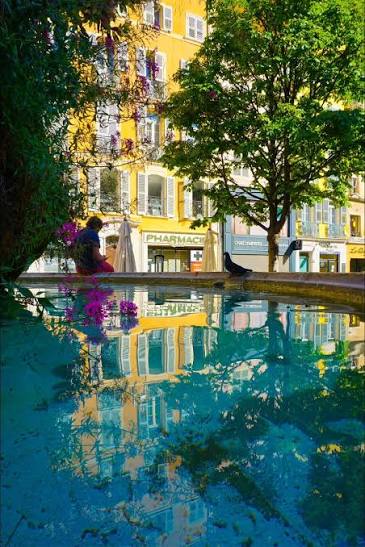
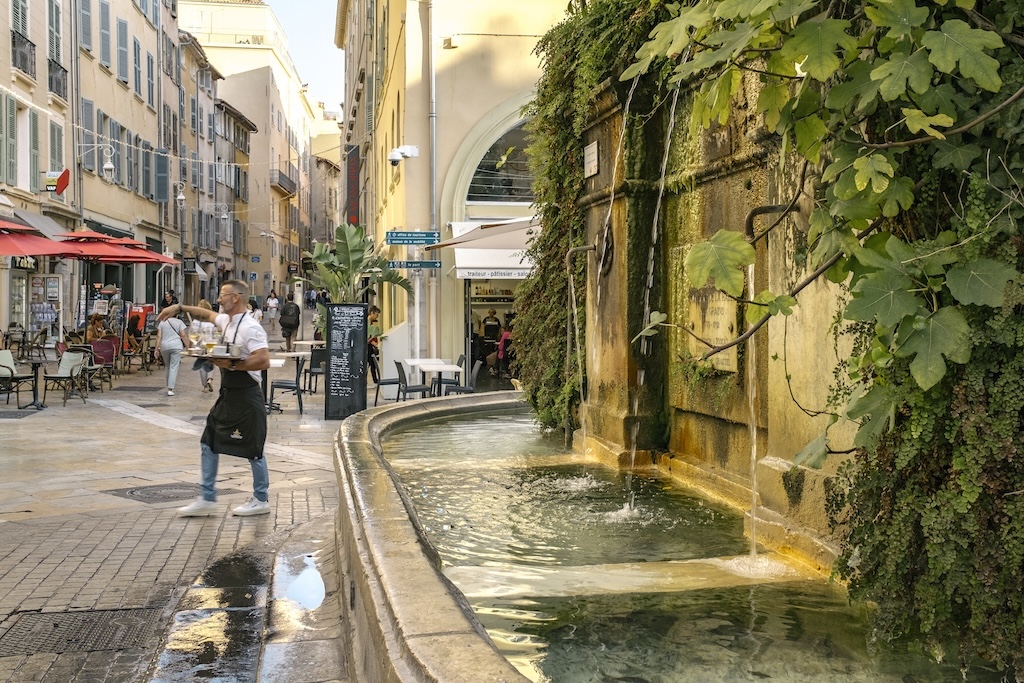
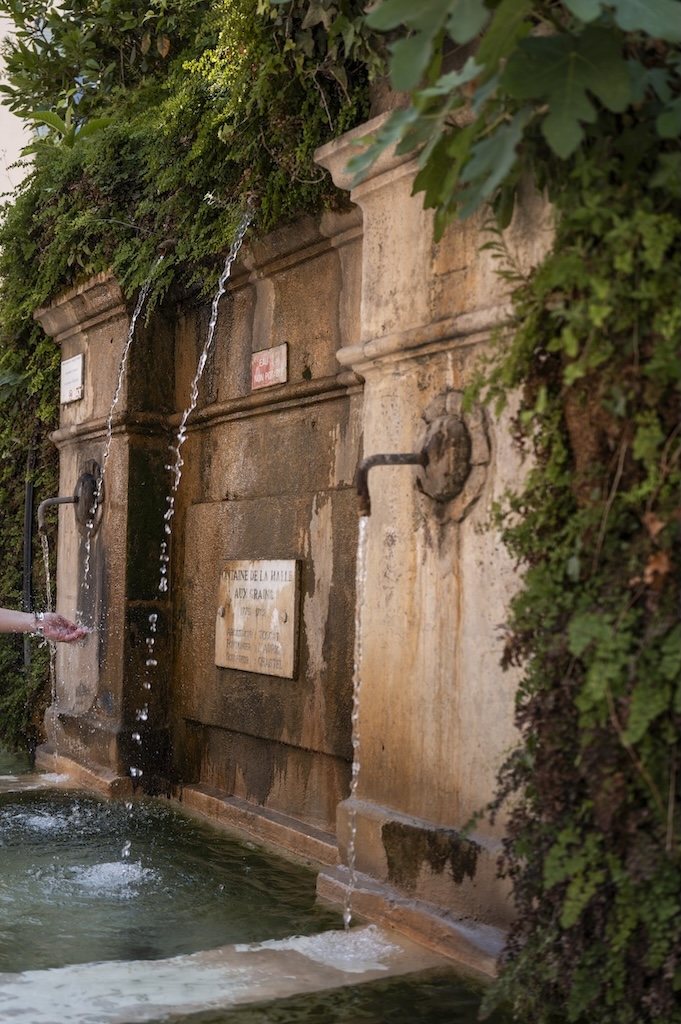
We find ours at Le Chantilly, a Toulon institution overlooking Place Puget. Beneath the shade of the plane trees, facing the fountain of the Trois Dauphins, the terrace seems designed for lingering.
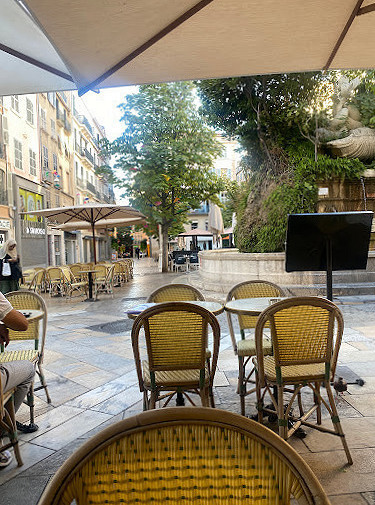
The menu is straightforward and deeply rooted in the region. An aïoli with some fresh bread to start. A salade niçoise accompanied by a glass of chilled Provence rosé.
The true pleasure of Le Chantilly, however, extends beyond the plate. It lies in the setting itself. The gentle murmur of the fountain. The filtered light beneath the trees. The feeling that nowhere else demands our attention.
We finish with a coffee and something sweet, watching the life of the square unfold around us.
The afternoon takes us beyond the city centre, towards one of the region’s most unexpected treasures.
Hidden among the hills of La Valette du Var, the Domaine d’Orvès reveals a Mediterranean landscape that feels almost untouched by time. The transition is immediate. The urban rhythm fades. Olive trees replace façades. The scent of rosemary, pine and sun warmed vegetation fills the air.
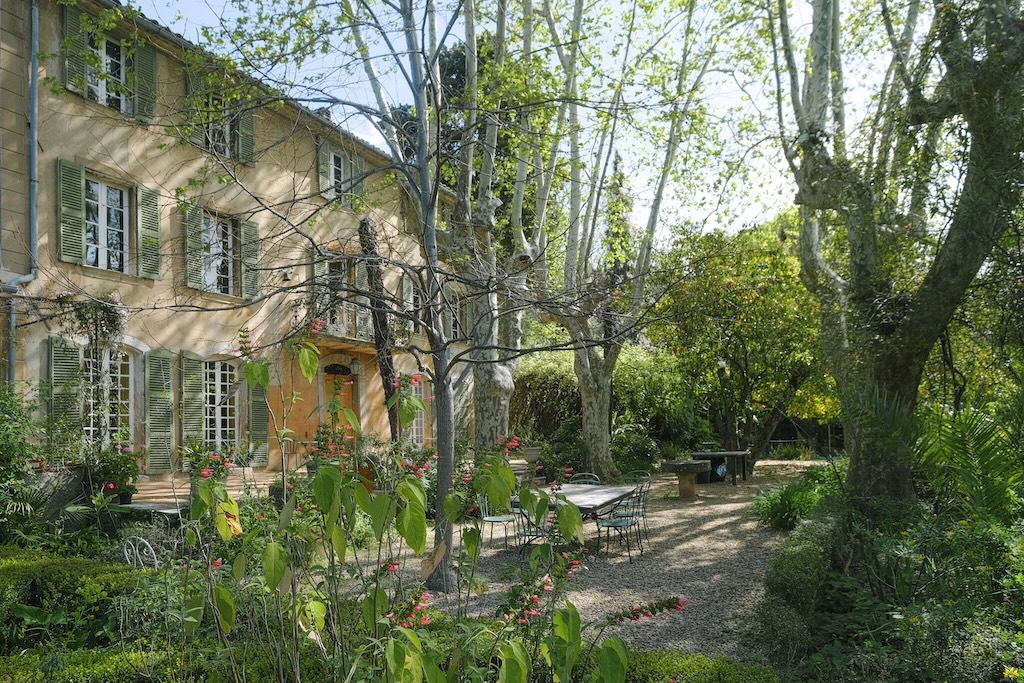
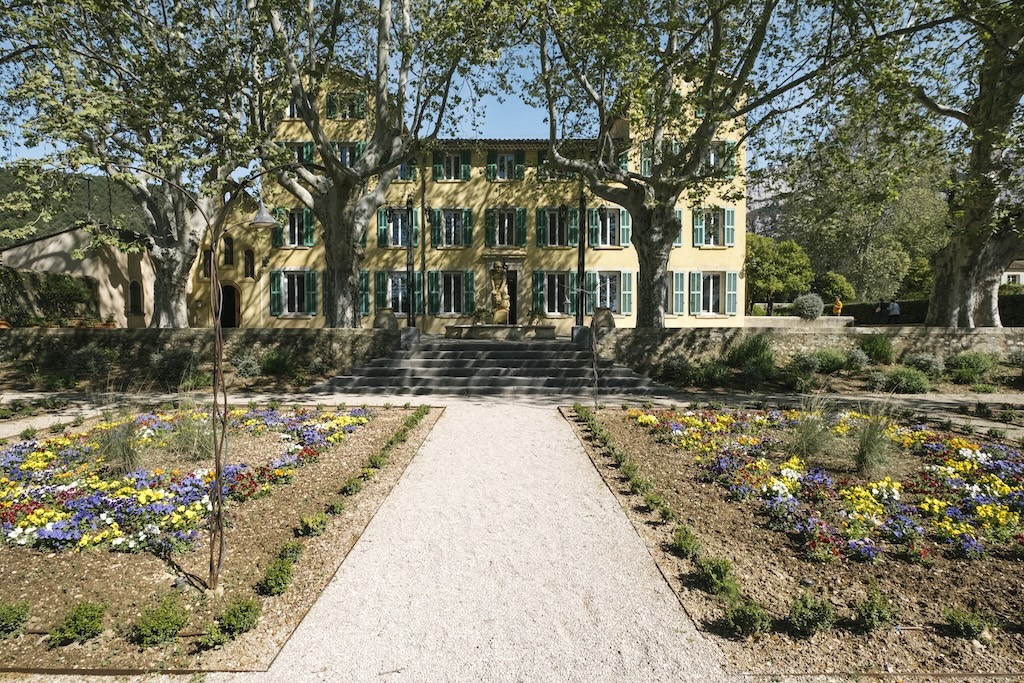
Walking through the estate feels less like visiting a garden and more like entering a painting.
Stone terraces descend through the landscape. Fountains provide a gentle soundtrack. An old Provençal bastide appears between the trees, partially hidden beneath the vegetation. Everywhere, there is a sense of quiet elegance, the kind that emerges naturally from centuries of coexistence between architecture and nature.
We linger far longer than planned.
We linger far longer than planned. Sitting in the shade. Listening to water. Watching light move across stone walls.
The Mediterranean has always understood the value of such moments.
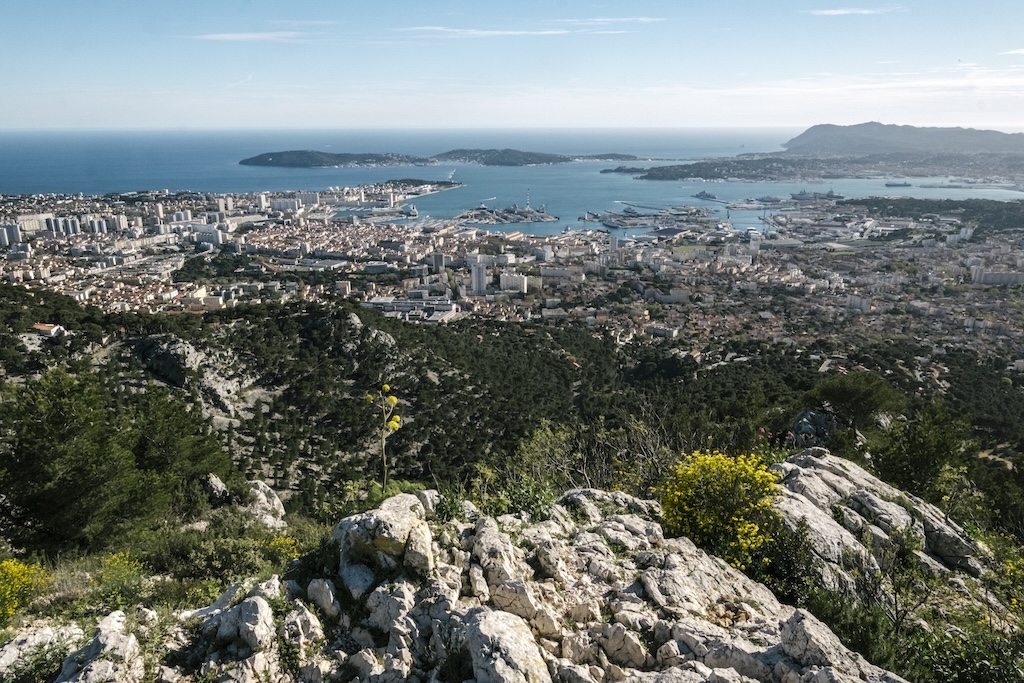
Returning to Toulon in the late afternoon, we find ourselves drawn back towards the city centre.
This time, however, we head upwards.
Perched above the rooftops of Toulon, Le Faron offers one of the city’s most enjoyable viewpoints. As day gives way to evening, the rooftop becomes one of those places where conversations linger and the hours seem pleasantly elastic.
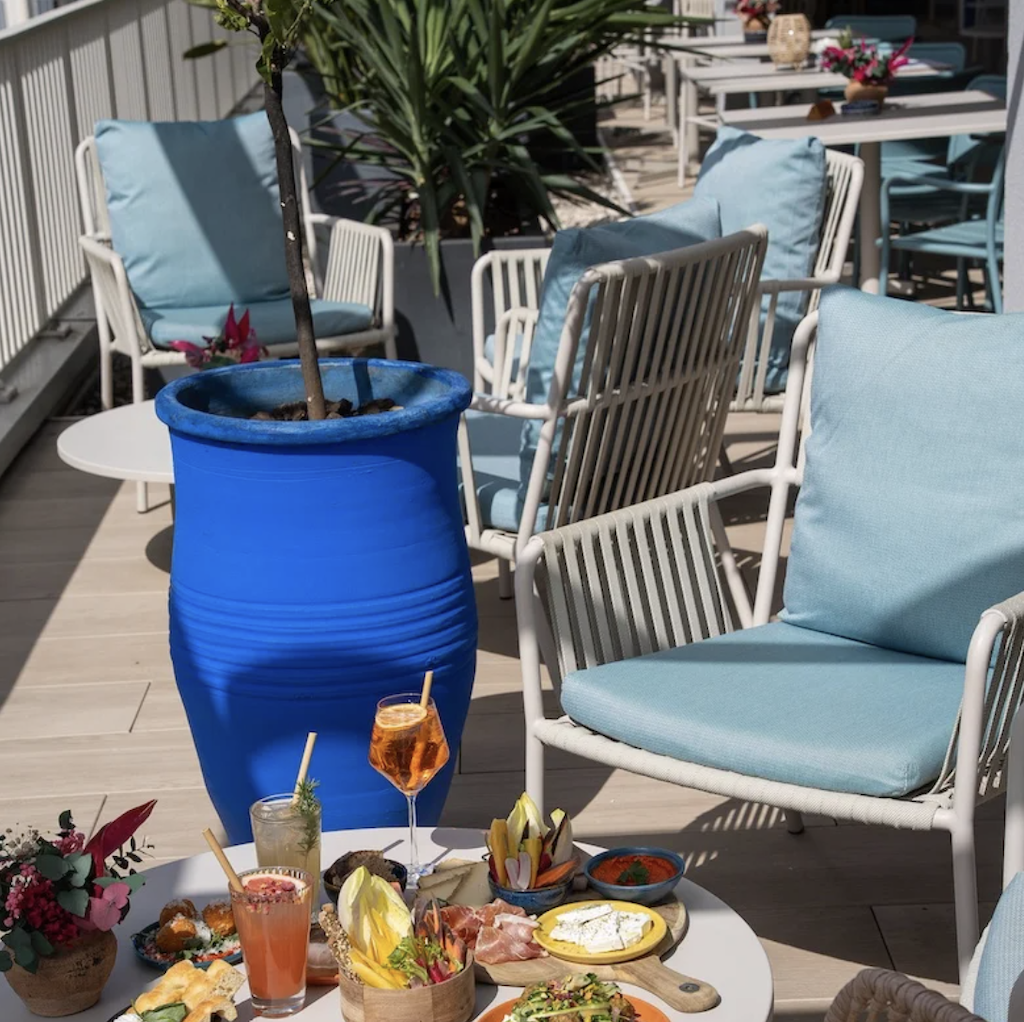
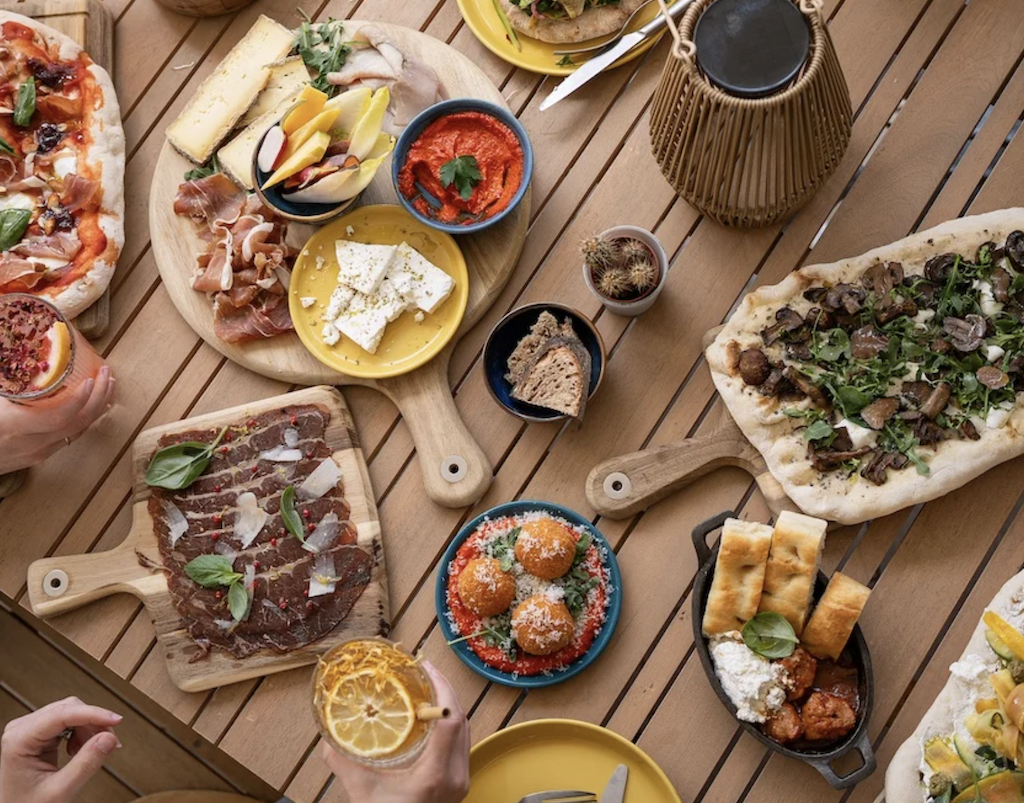
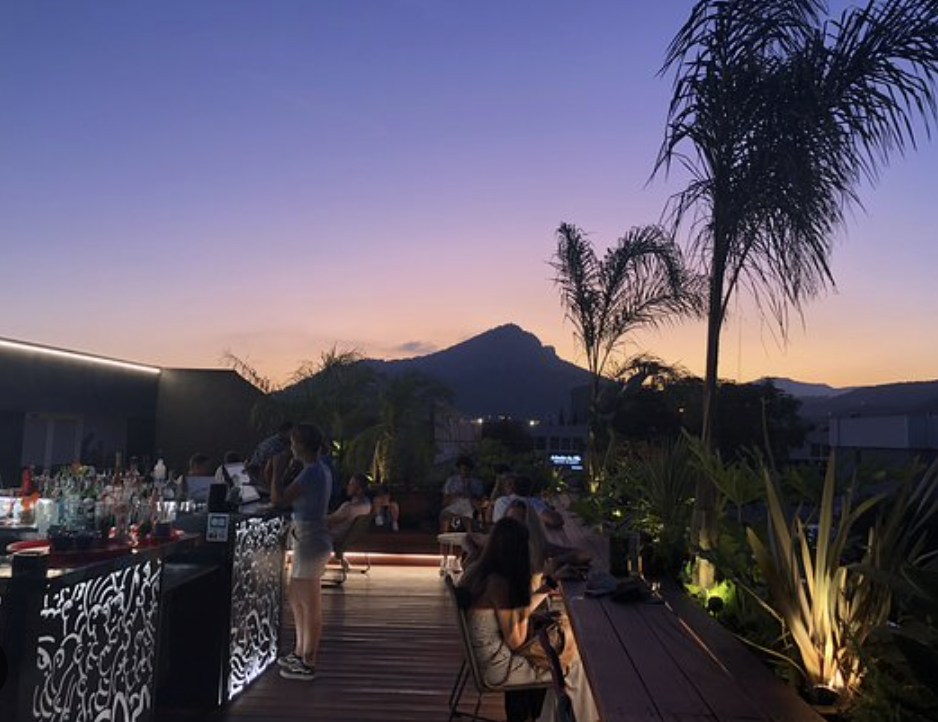
Recently reopened under the name Le Faron, the venue has quickly become a destination in its own right. Signature cocktails accompany generous sharing boards, mezzés, tartines and small plates designed for convivial dining rather than formal gastronomy. It is exactly the kind of address we enjoy discovering while travelling. Relaxed, contemporary and deeply connected to its surroundings.
As the sky gradually shifts from gold to pink and finally deep blue, Toulon reveals another side of itself. Creative. Confident. Unexpectedly elegant.
As darkness falls, the evening continues at Jeanne Cocktail Club: Dim lighting, carefully crafted cocktails and an atmosphere that feels both sophisticated and relaxed make it one of those places where an intended quick drink effortlessly turns into a long evening.
By our second evening, we realise we have unconsciously developed a ritual. No matter where the day has taken us, whether to a museum, a gallery, a garden or a long lunch beneath the plane trees of the old town, we eventually find ourselves back by the harbour. In Toulon, the sea is more than a backdrop. It becomes a point of reference, quietly accompanying every moment of the day.
The next morning starts late and begins at Les Halles.
Recently restored and brought back to life after decades of absence, the Art Deco building has become one of the city’s great meeting places. Its architecture immediately commands attention. Geometric lines, mosaic details and elegant proportions recall a period when markets were conceived as civic landmarks rather than simple commercial spaces.
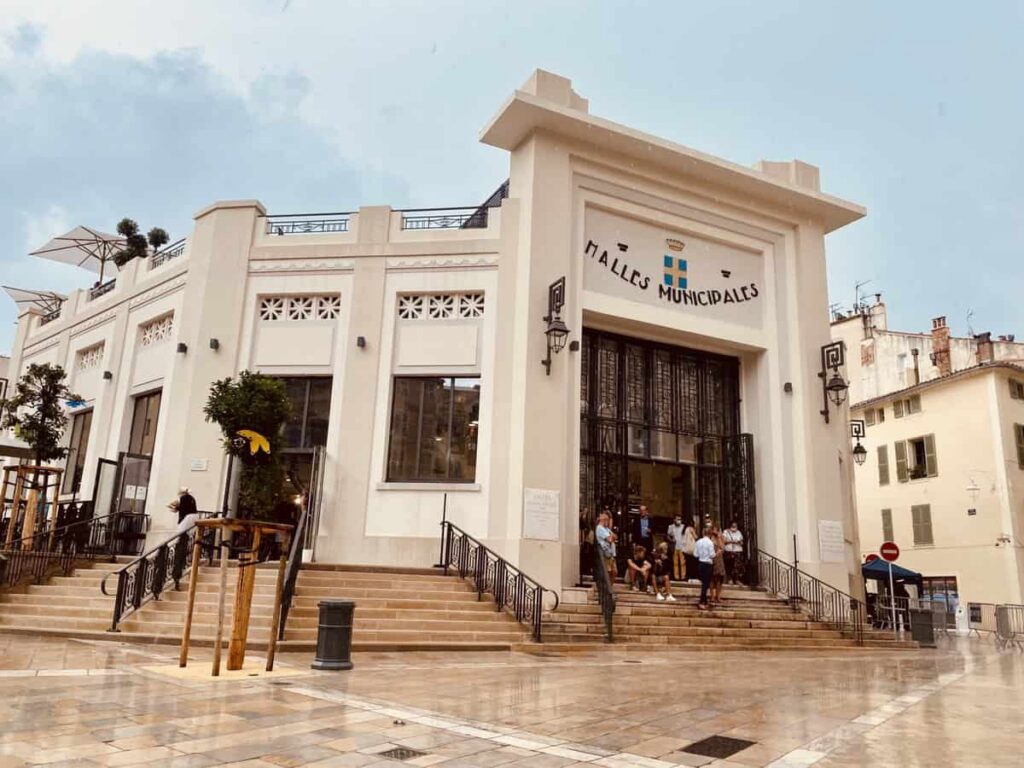
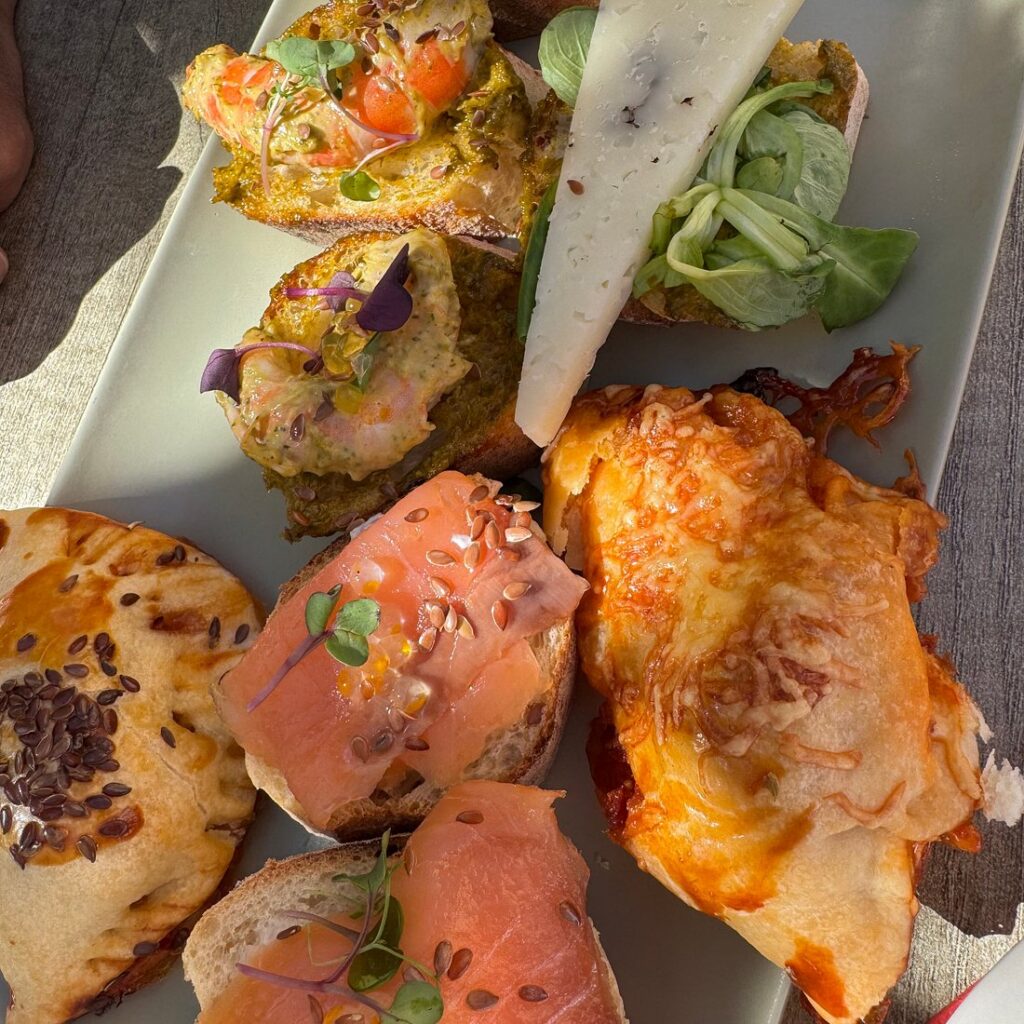
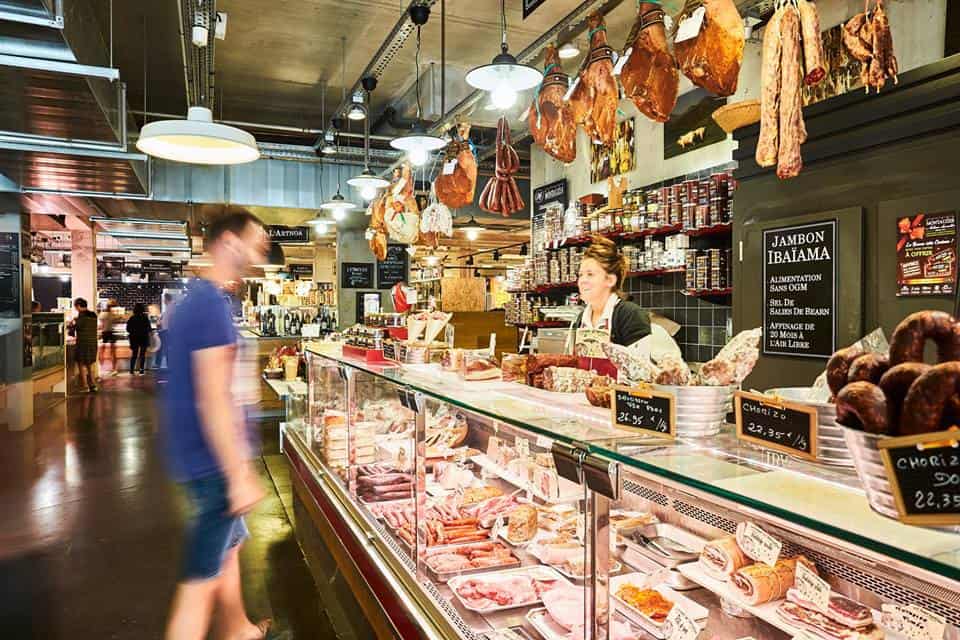
Producers, artisans and food specialists animate the space from morning until evening. Glasses clink. Aromas drift through the aisles. The market functions not only as a place to eat but as a reflection of the city itself.
Before leaving, we head upstairs to the rooftop. From there, the rooftops of Toulon stretch towards the harbour while church towers and palm trees punctuate the skyline. It offers one final perspective on a city that has consistently surprised us.
This afternoon, the sea reclaims our attention.
Following the coastline eastward, we leave the city behind and head towards the beaches that have shaped local life for generations. The Mediterranean appears brighter here, opening onto wider horizons and endless shades of blue. Shoes quickly disappear into the sand and the afternoon unfolds with no particular plan beyond enjoying the landscape.
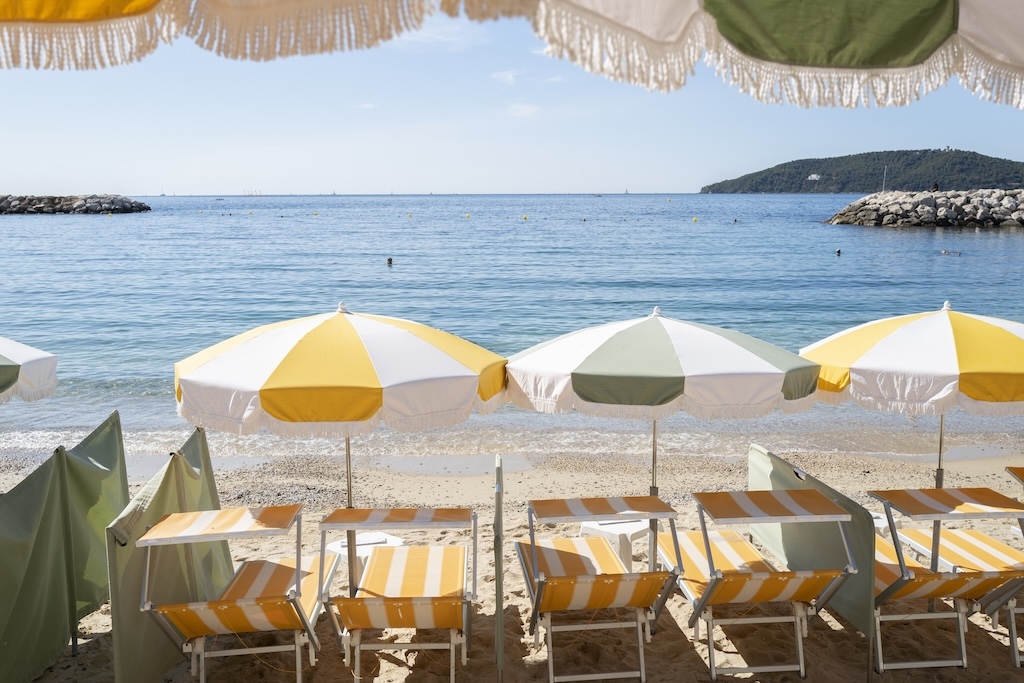
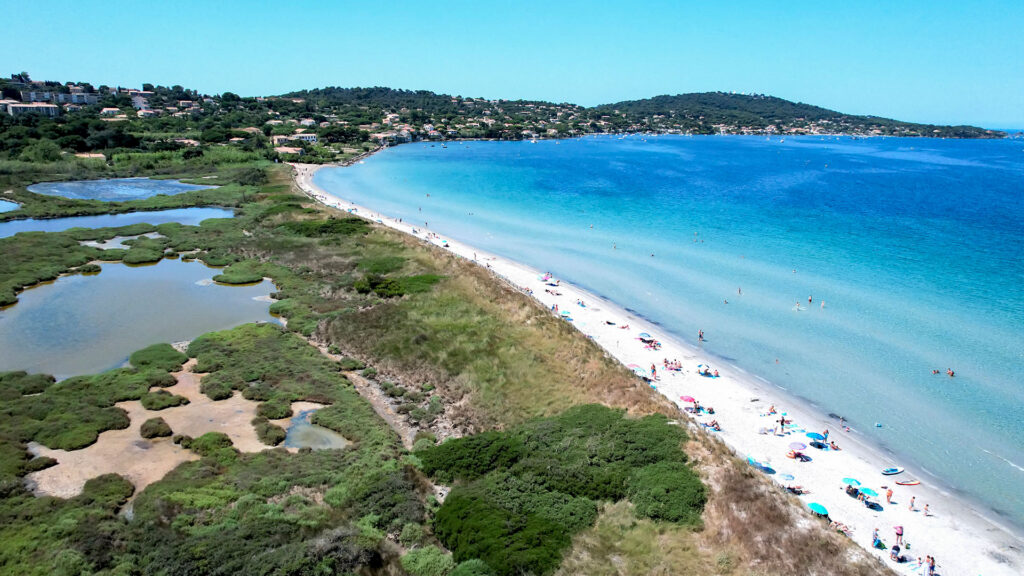
Further along, Almanarre announces the beginning of another chapter.
Stretching across nearly five kilometres, this remarkable strip of coastline occupies one of the most unusual geographical settings in France, between the sea and former salt marshes that now shelter rich birdlife. Windsurfers trace elegant lines across the water while seabirds drift above the wetlands. The landscape feels suspended between land and sea, between movement and stillness.
As the afternoon light softens over Almanarre, we realise that Toulon has quietly achieved something rare.
What began as a stop on the way to Hyères gradually became something else entirely. Not because of a single landmark or museum, but because of the way the city revealed itself over time. Through a drink by the harbour. A morning spent wandering between galleries. The scent of pine trees at Domaine d’Orvès. A long lunch that effortlessly drifted into the afternoon.
Some cities leave you with a list of things you have seen. Toulon leaves you with a feeling.
But as we continue east along the coast, it is Toulon that remains quietly in our thoughts, lingering like the last colours of a sunset over the harbour.
Practical Information
Stay
OKKO Hotels Toulon Centre
6 Place de la Liberté
83000 Toulon
www.okkohotels.com
Drink
Bière de la Rade
www.bieredelarade.fr
Le Faron Rooftop at OKKO Hotels Toulon
Cocktails, sharing plates and panoramic views over the city.
Jeanne Cocktail Club
www.jeannecocktailclub.com
Eat
Manofica
Italian cuisine in the heart of Toulon.
Le Chantilly
Place Puget, Toulon
A local institution overlooking the Fontaine des Trois-Dauphins.
Discover
Musée d’Art de Toulon
www.museearttoulon.fr
Ancien Évêché
Exhibitions curated by Villa Noailles.
www.villanoailles.com
Rue des Arts
Toulon’s creative district, home to galleries, workshops and independent boutiques.
Domaine d’Orvès
La Valette du Var
www.domainedorves.com
Useful Tip
Travellers wishing to explore both Toulon and Hyères may consider the Provence Méditerranée City Card. The pass provides access to numerous museums, cultural sites, guided tours and leisure activities across the destination, making it a convenient way to discover the region while following a similar itinerary.