
Test drive – Honda ZR-V : Quietly Wins You Over, One Journey at a Time
 Jean-Pierre Ndu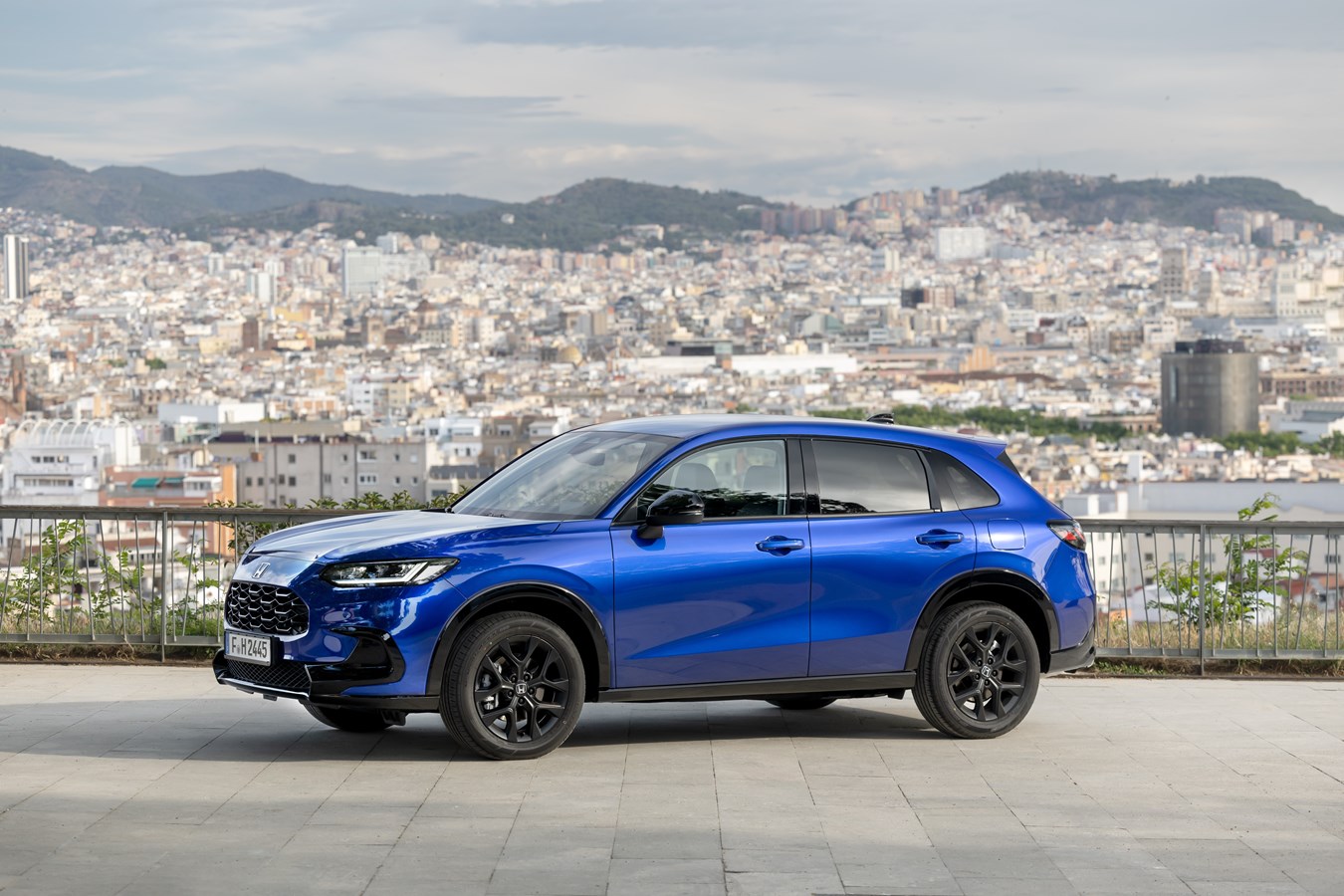
Some cars reveal their entire personality within the first few minutes. The Honda ZR-V takes a little longer. During our time behind the wheel, it gradually won us over through its comfort, smoothness and reassuring simplicity.
It may not immediately stand out in a crowded car park, but after several journeys through the city, on the motorway and along more demanding country roads, we began to understand what makes it special.
Understated, but Easy to Live With
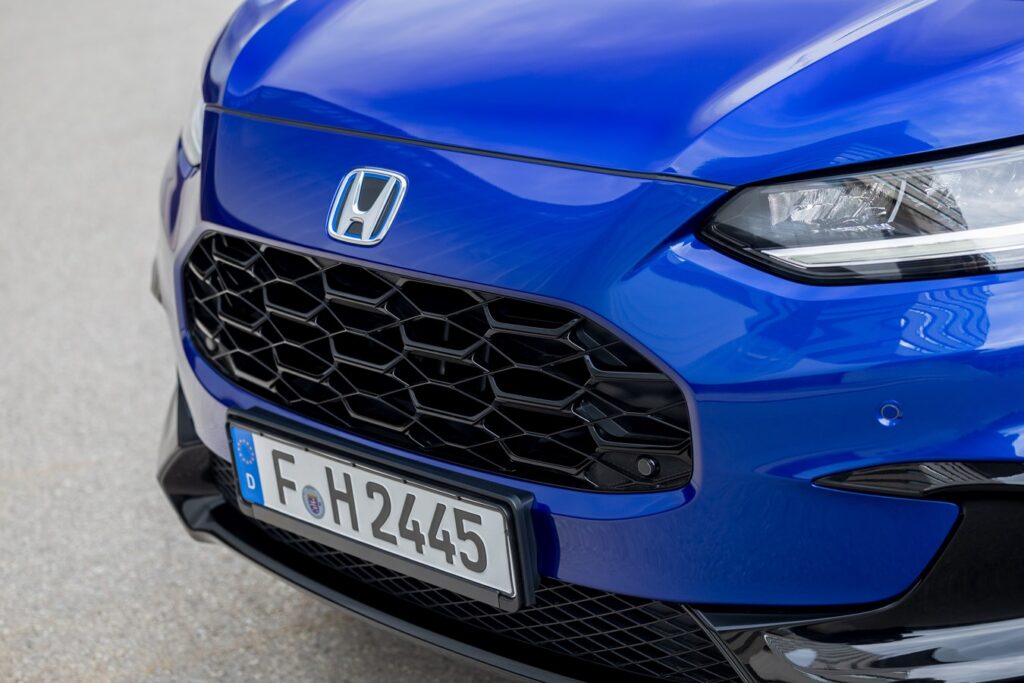
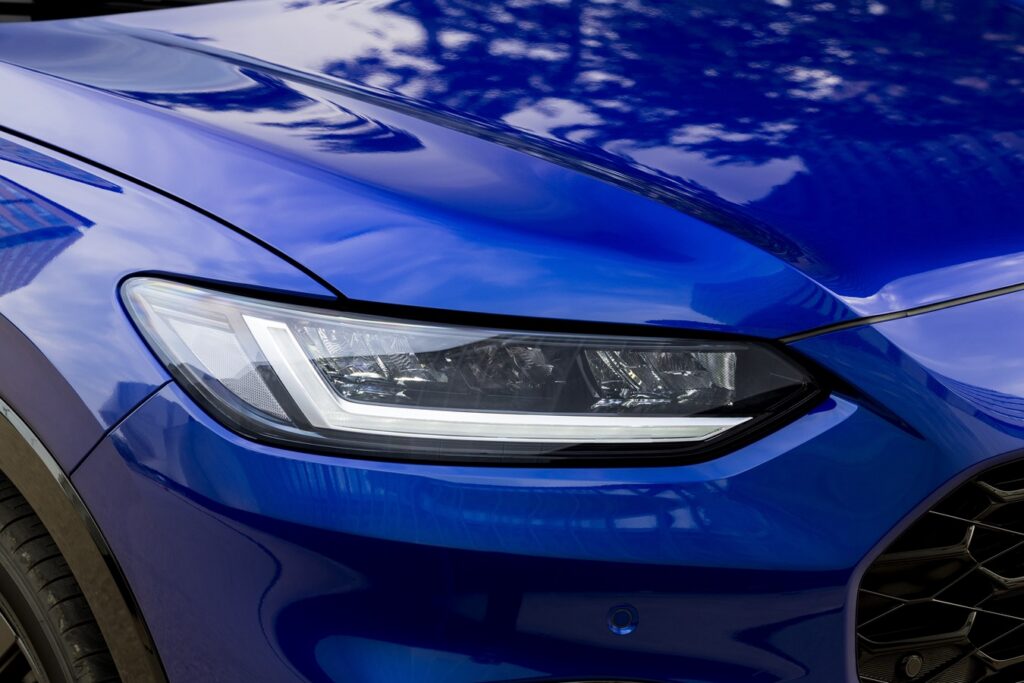
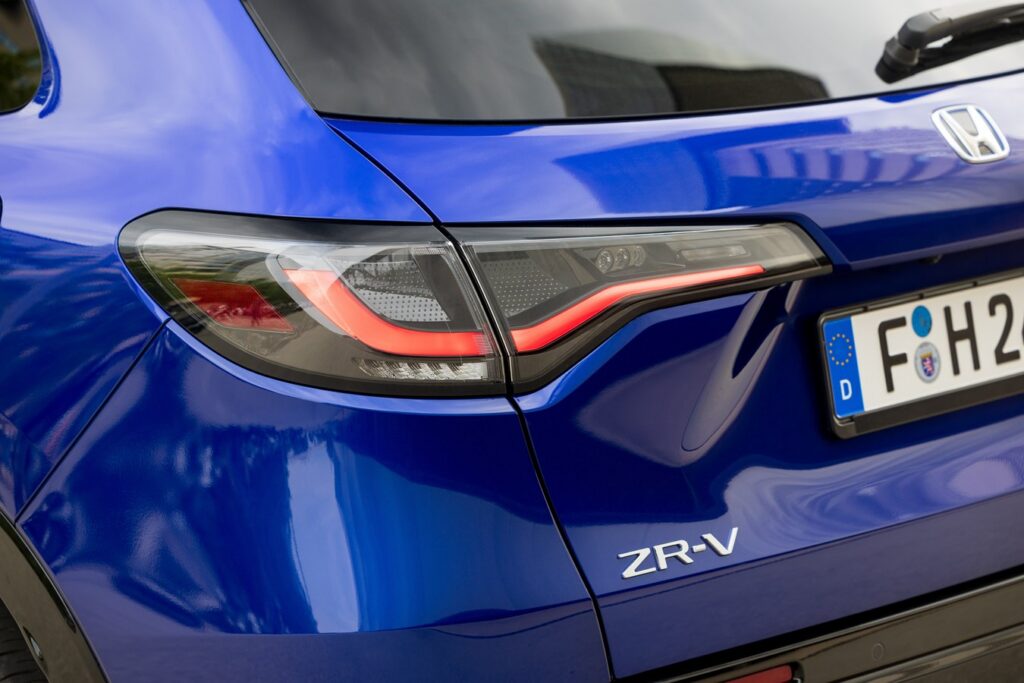
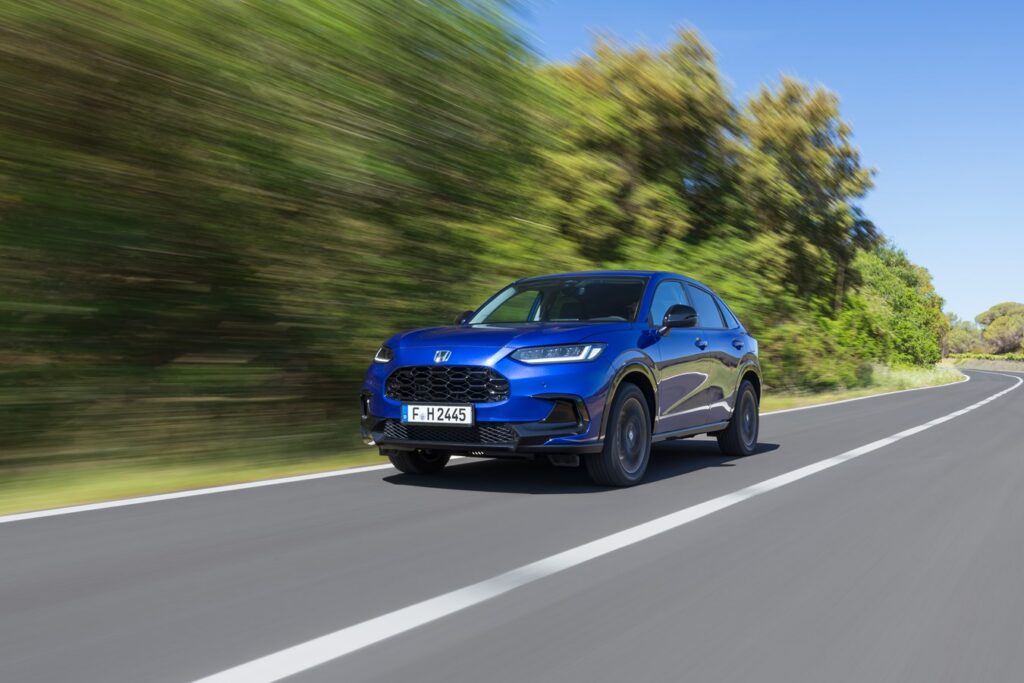
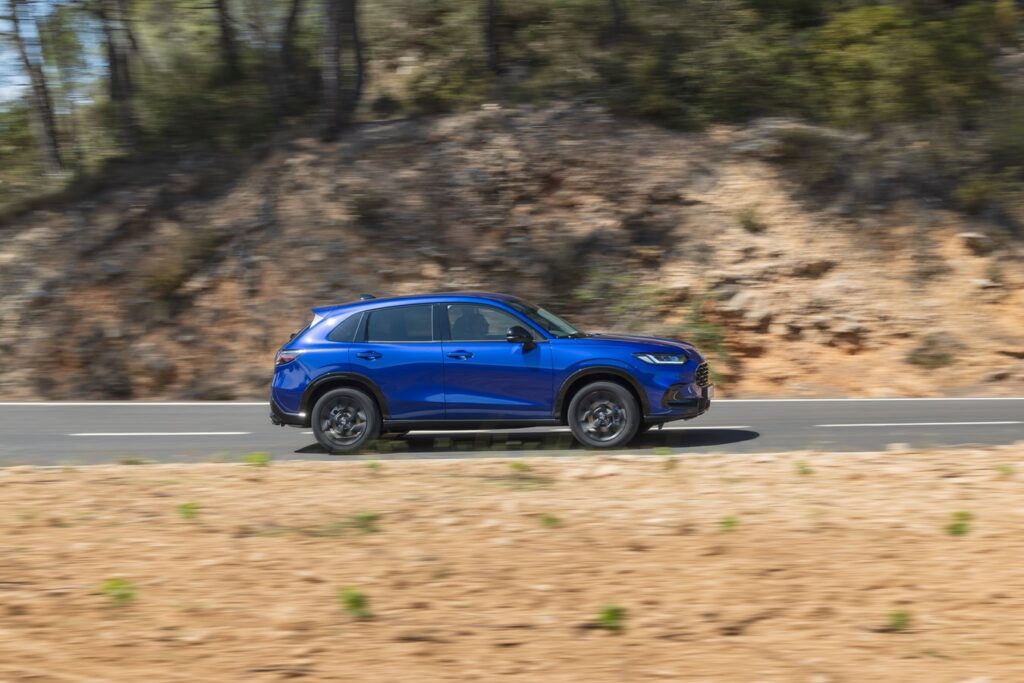
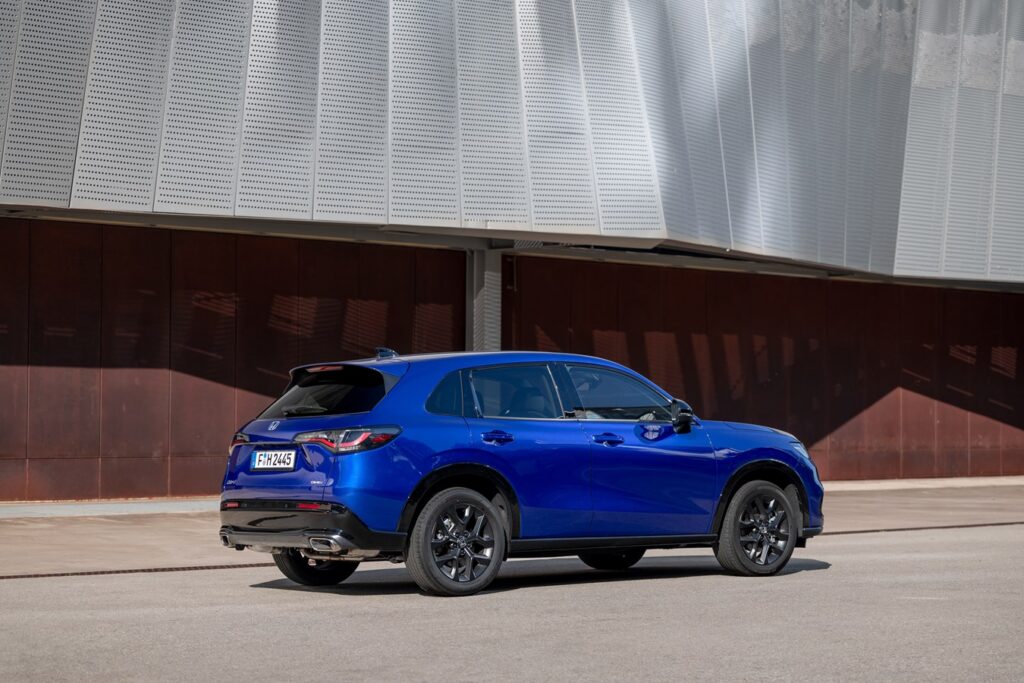
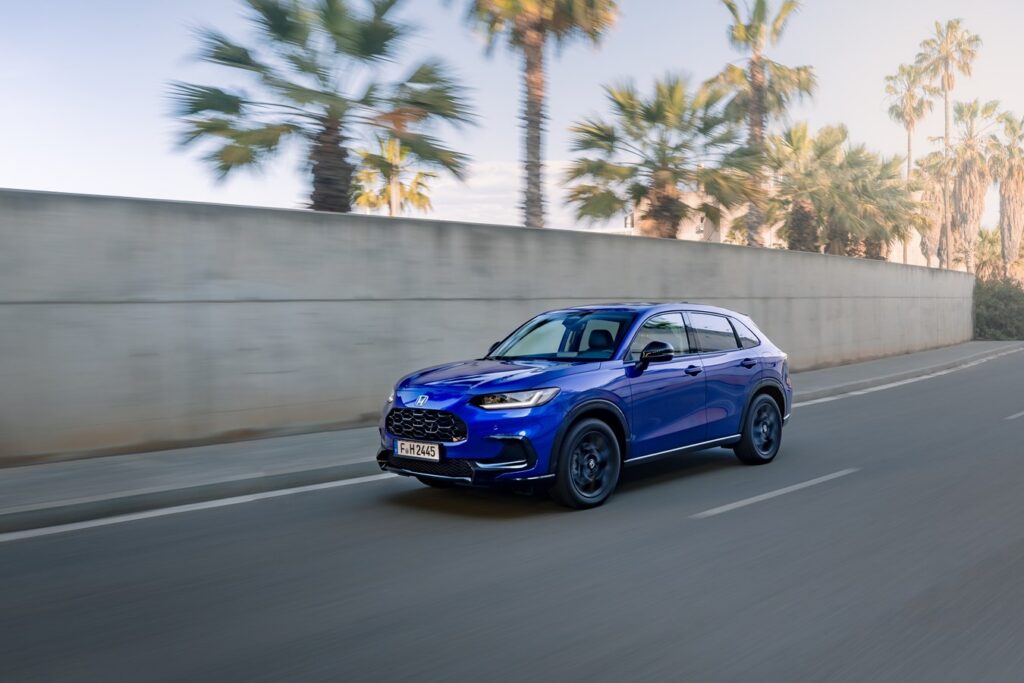
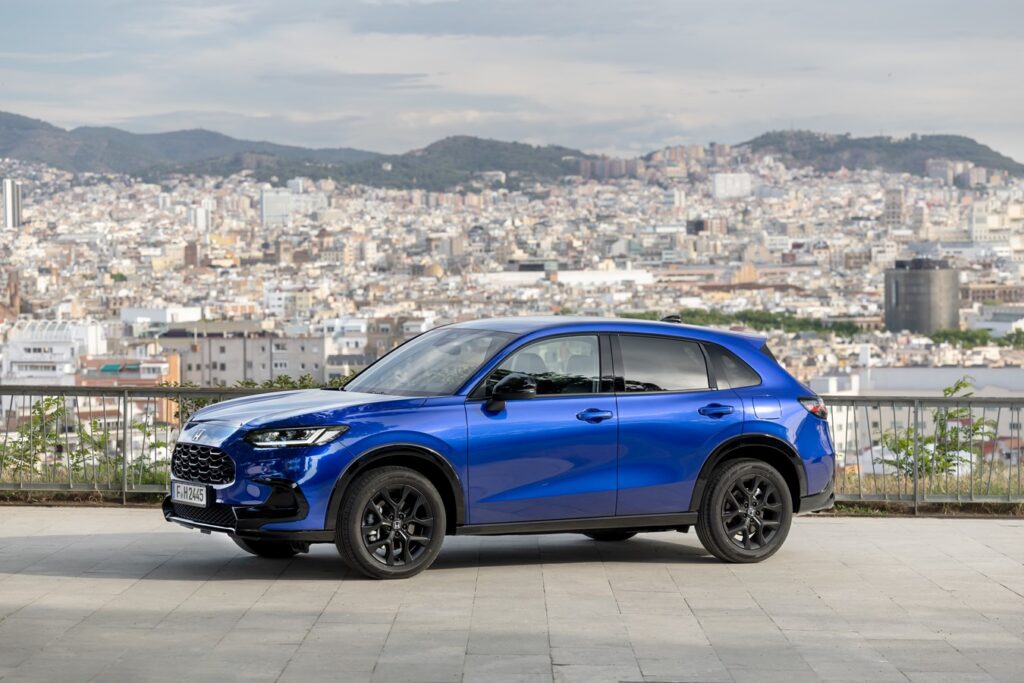
At just over 4.5 metres long, the Honda ZR-V sits neatly between a compact crossover and a larger family SUV. Its proportions are well balanced, with a gently sloping roofline, a clean front end and a design that avoids unnecessary visual drama.
During our test, its relatively manageable size proved useful when navigating narrow streets and busy underground car parks. It never felt excessively wide or difficult to place, while the slightly raised driving position gave us a clear view of the surrounding traffic.
We also found ourselves appreciating its styling more as the days passed. It did not attract attention through exaggerated details, but its restrained appearance suited different environments equally well, from the city centre to a weekend escape outside town.
A Cabin Designed for Real Life
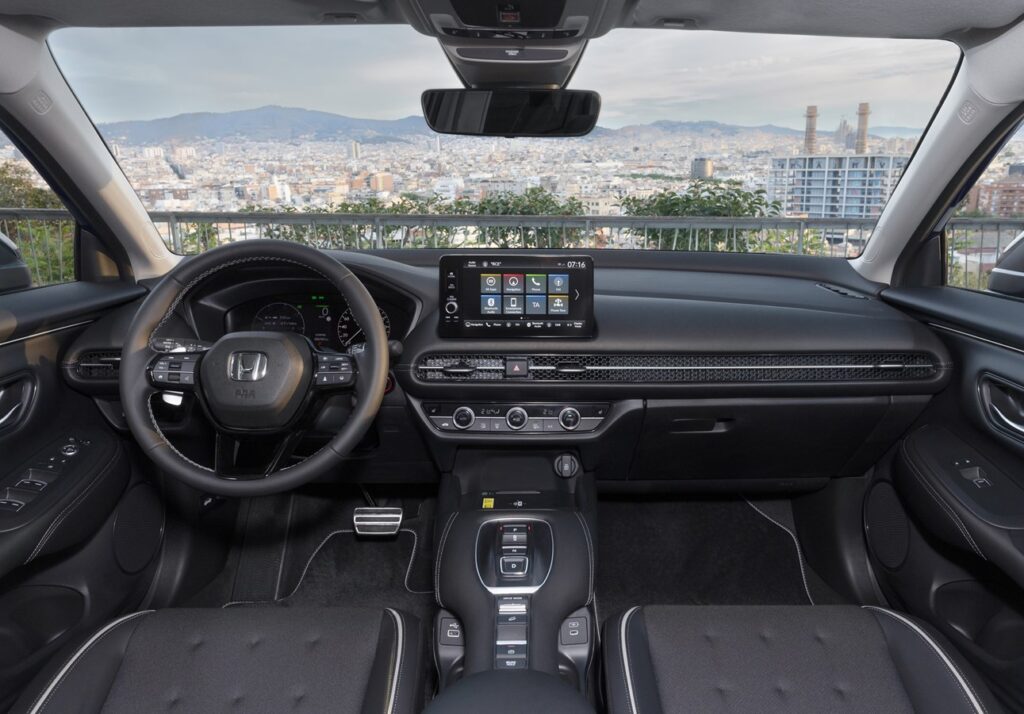
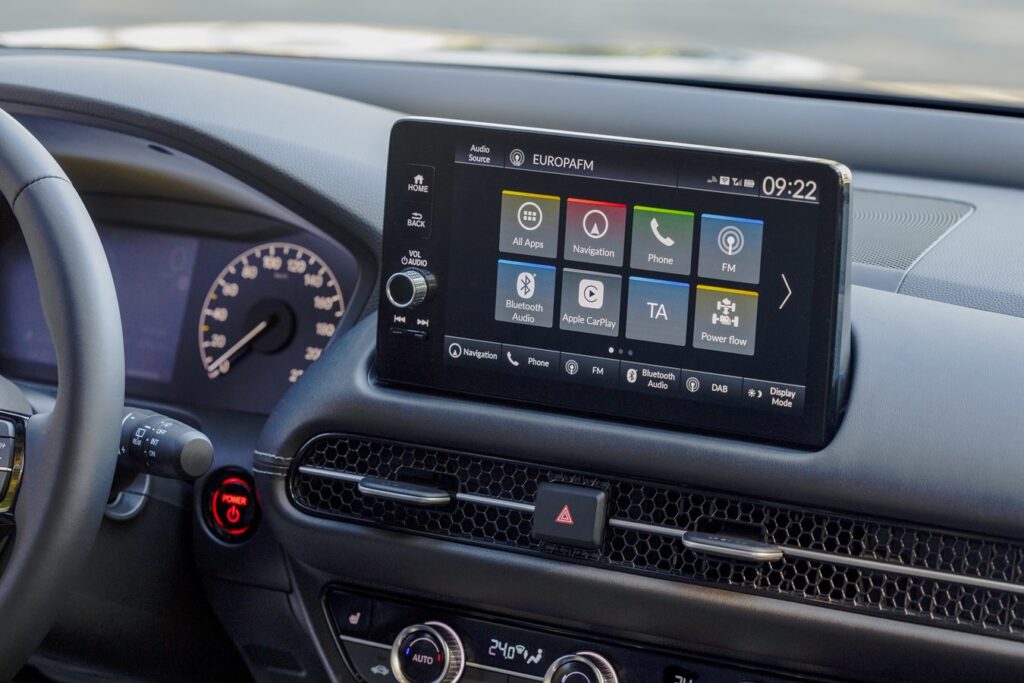
Inside, the influence of the Honda Civic is immediately noticeable. The dashboard is clean, the materials feel solid and the main controls are positioned exactly where one expects to find them.
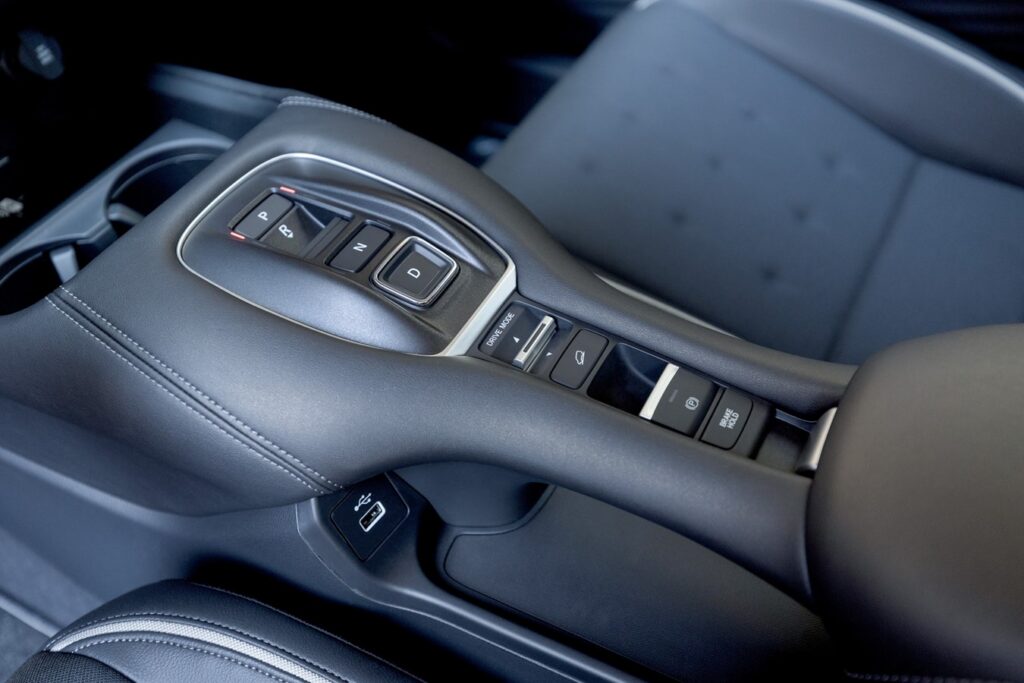
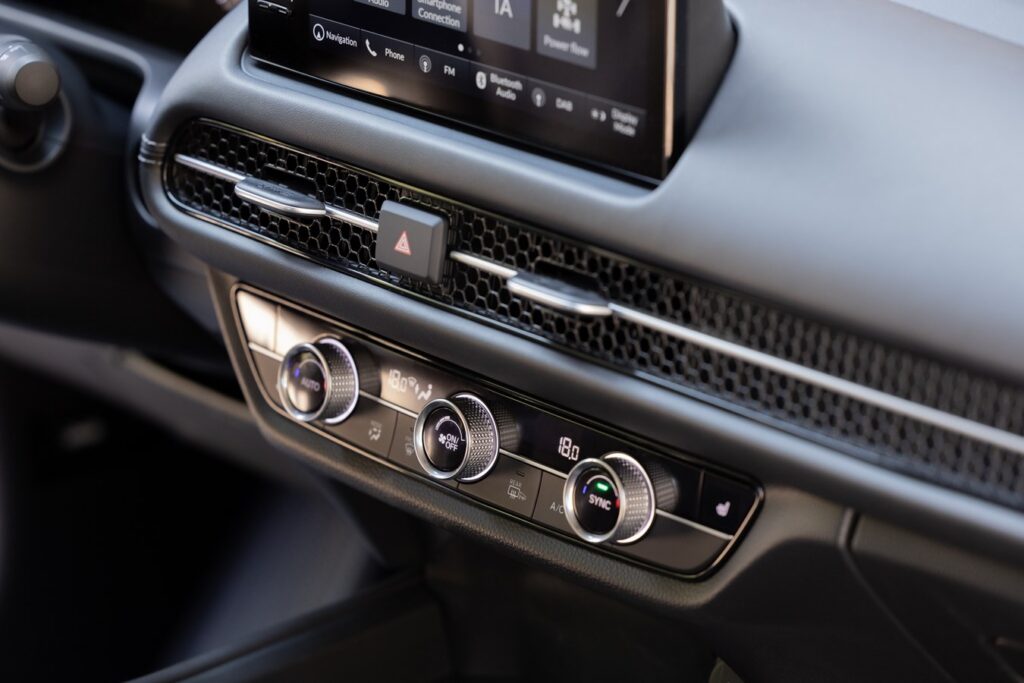
One detail we particularly appreciated during everyday use was Honda’s decision to retain physical controls for the climate system. Adjusting the temperature while driving required a simple turn of a dial, rather than several taps on a touchscreen. It sounds minor, but after repeatedly getting in and out of the car throughout the day, it made the ZR-V feel genuinely intuitive.
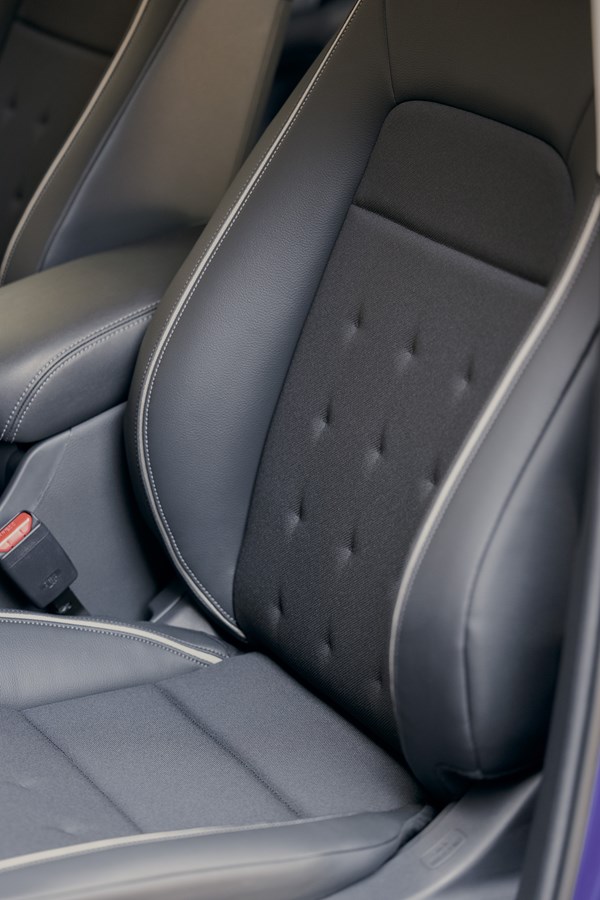
The driving position was easy to settle into, and the seats remained comfortable during longer stretches behind the wheel. Rear passengers also had enough legroom and headroom to travel without feeling confined.
Its 380-litre boot is not the most generous in the segment. We had no difficulty accommodating everyday bags and luggage, but families travelling with larger items may occasionally wish for more space. Its regular shape and wide opening nevertheless make it easy to use.
A Hybrid System That Works in the Background
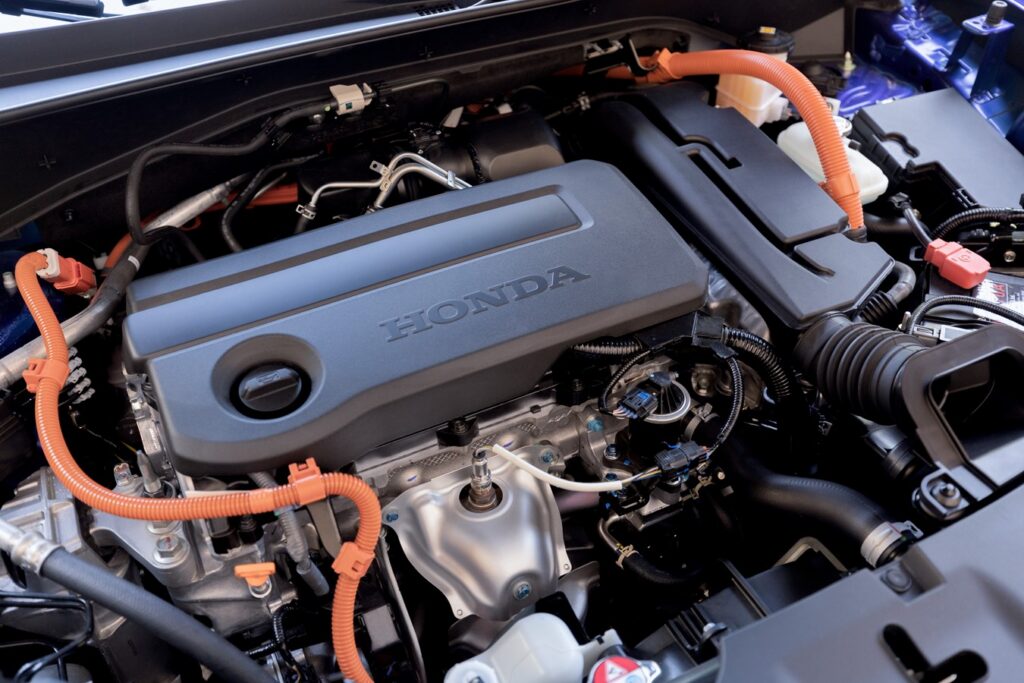
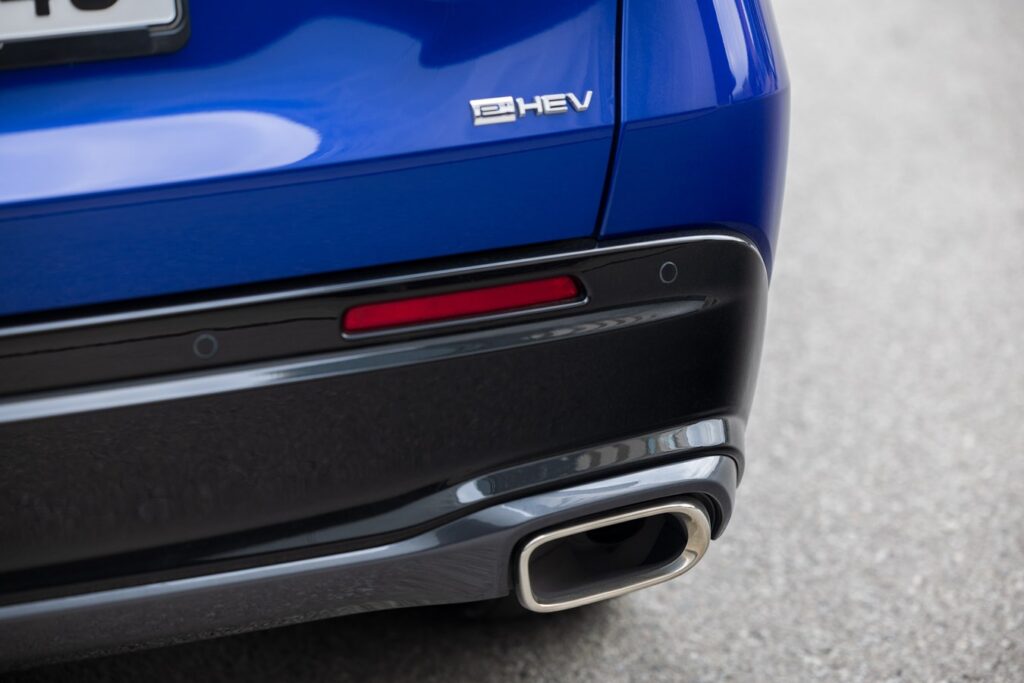
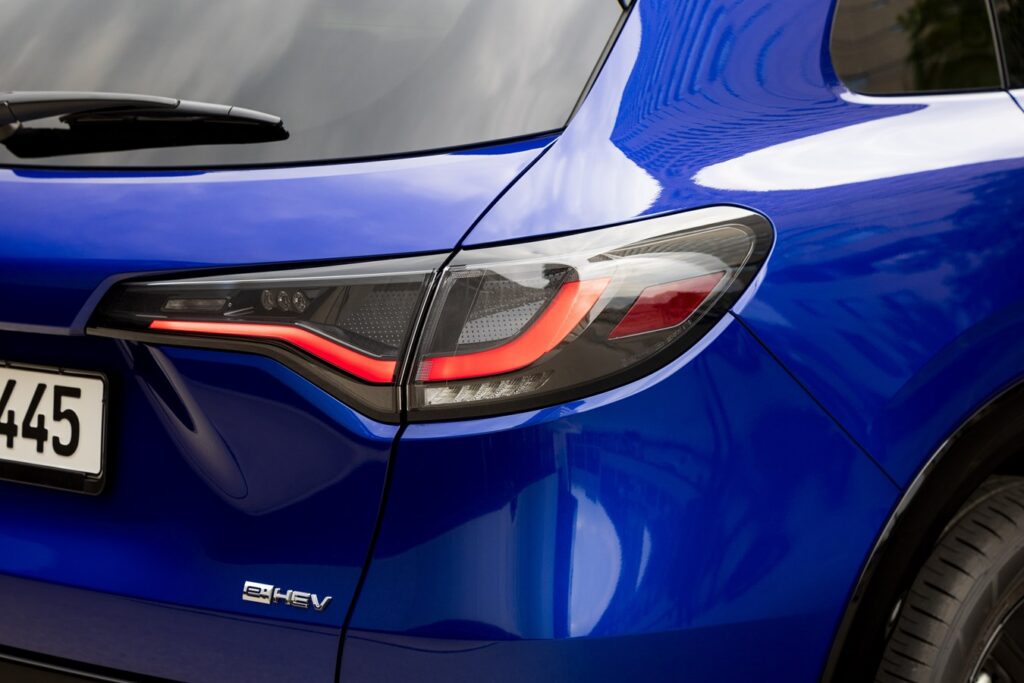
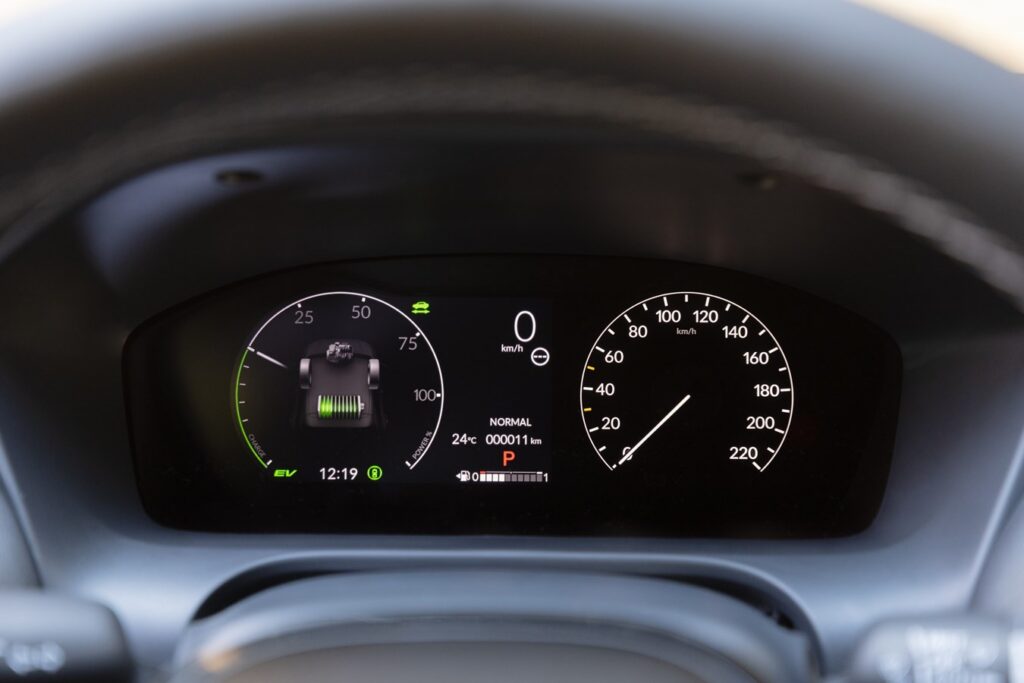
The ZR-V is powered by a 184 hp hybrid system combining a naturally aspirated 2.0-litre petrol engine with two electric motors. In practice, the complexity of the technology remains largely hidden from the driver.
During slower urban journeys, we frequently noticed the car moving away in near silence. The electric motors provide an immediate and smooth response, making repeated starts in traffic feel effortless. The petrol engine joins in discreetly when additional energy is required, and the transitions are usually difficult to detect.
The system also responds convincingly when more performance is needed. When joining a faster road or overtaking, pressing the accelerator produces a strong and immediate reaction. The engine becomes more noticeable under harder acceleration, but it avoids the exaggerated, disconnected sensation found in some hybrid systems.
More Like a Hatchback Than a Traditional SUV
The most convincing part of the ZR-V became apparent when we left the city behind. On a sequence of faster bends, the front end responded accurately and the body remained impressively composed. It never felt clumsy or excessively heavy, despite its SUV proportions.
The steering is light enough for daily driving but gains sufficient consistency at higher speeds. After a few kilometres on a winding road, we found ourselves carrying more confidence into corners than we initially expected. The ZR-V is not trying to be a sports car, but its connection to the Civic can clearly be felt in the way it changes direction.
On the motorway, the experience becomes much more relaxed. During longer sections at a steady speed, we particularly appreciated the sound insulation. Wind and tyre noise remain well controlled, allowing conversations to continue without raising one’s voice.
The suspension also finds a convincing balance. It absorbs most imperfections comfortably without allowing the body to float excessively. Some sharper urban bumps can still be felt, but they do not significantly disturb the calm atmosphere inside.
Our main frustration came from the driver assistance systems. On several occasions, warning sounds interrupted an otherwise peaceful journey, sometimes because of a change in the detected speed limit or the car’s proximity to road markings. The systems are designed to improve safety, but their frequent interventions can feel overly intrusive.
Our Verdict
The Honda ZR-V did not immediately overwhelm us with one spectacular feature. Instead, it gradually proved its value in the moments that make up everyday driving: leaving quietly in the morning, moving smoothly through traffic, joining a motorway without hesitation and arriving after a long journey without feeling tired.
After spending proper time behind the wheel, we came away with the impression of a mature and carefully developed SUV. It is comfortable, reassuring and surprisingly enjoyable when the road becomes more interesting.
Its modest boot and occasionally intrusive driver assistance systems prevent it from being flawless. Yet as a lifestyle-oriented family SUV that can handle commuting, weekend travel and longer journeys with equal ease, the ZR-V makes a convincing case for itself.
Pros
- Smooth and responsive hybrid system
- Reassuring, car-like handling
- Comfortable and well-insulated cabin
- Excellent everyday ergonomics
- Generous passenger space
- Manageable dimensions in the city
Cons
- Boot capacity is modest for the segment
- Driver assistance alerts can feel intrusive
- The petrol engine becomes noticeable under hard acceleration
Photography : HONDA