Test drive – Renault Austral 2025 : A subtle but strategic facelift for Renault’s hybrid SUV
 Jean-Pierre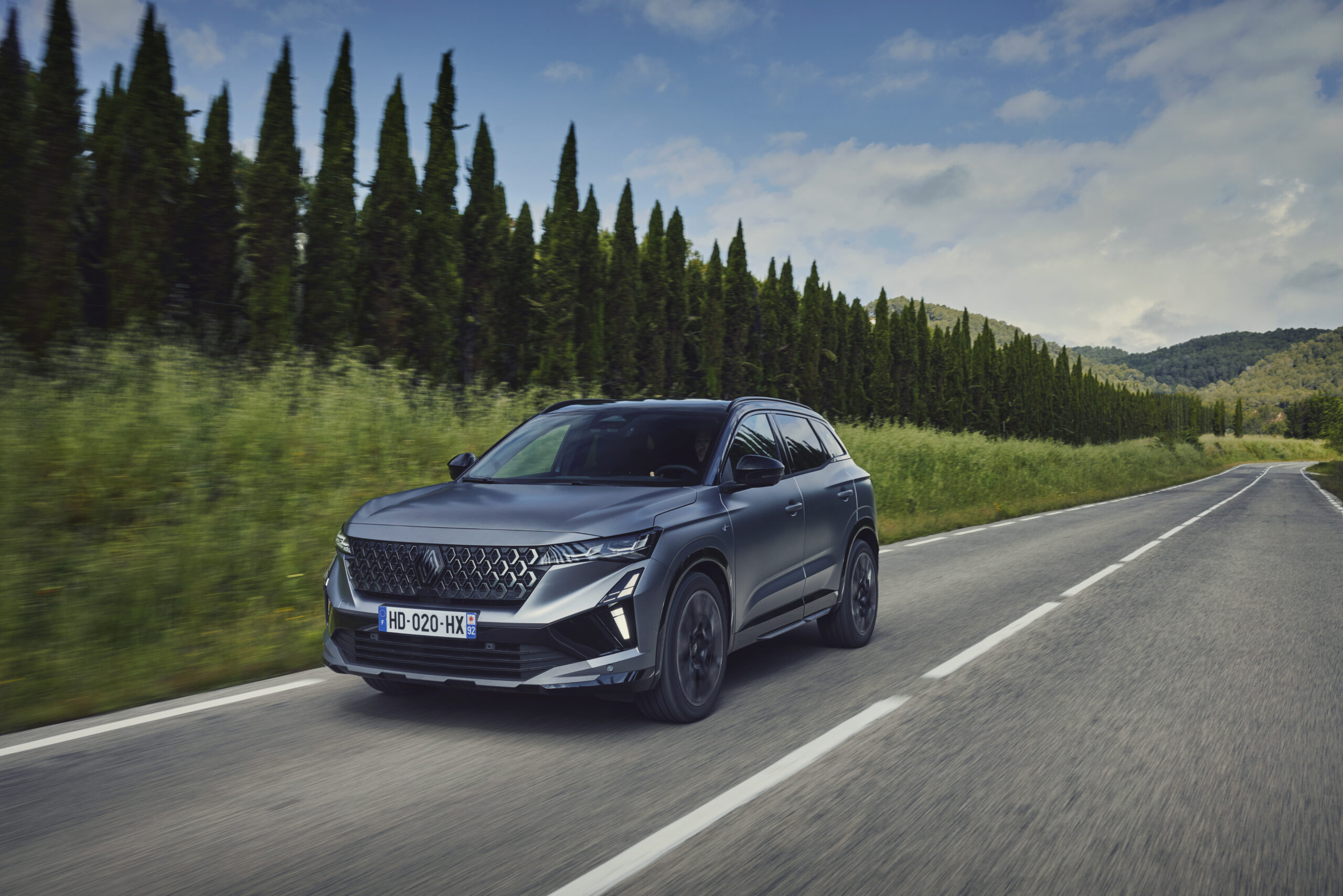
Less than three years after its launch, the Renault Austral receives a facelift. It is a short development cycle by industry standards, but one that makes sense in an increasingly competitive SUV segment. With rivals renewing their lineups and expectations rising in terms of design, comfort, and efficiency, the Austral needed to evolve. On paper, the 2025 update looks restrained; on the road, it reveals a series of thoughtful refinements that go beyond simple cosmetics.
Dimensions and exterior design
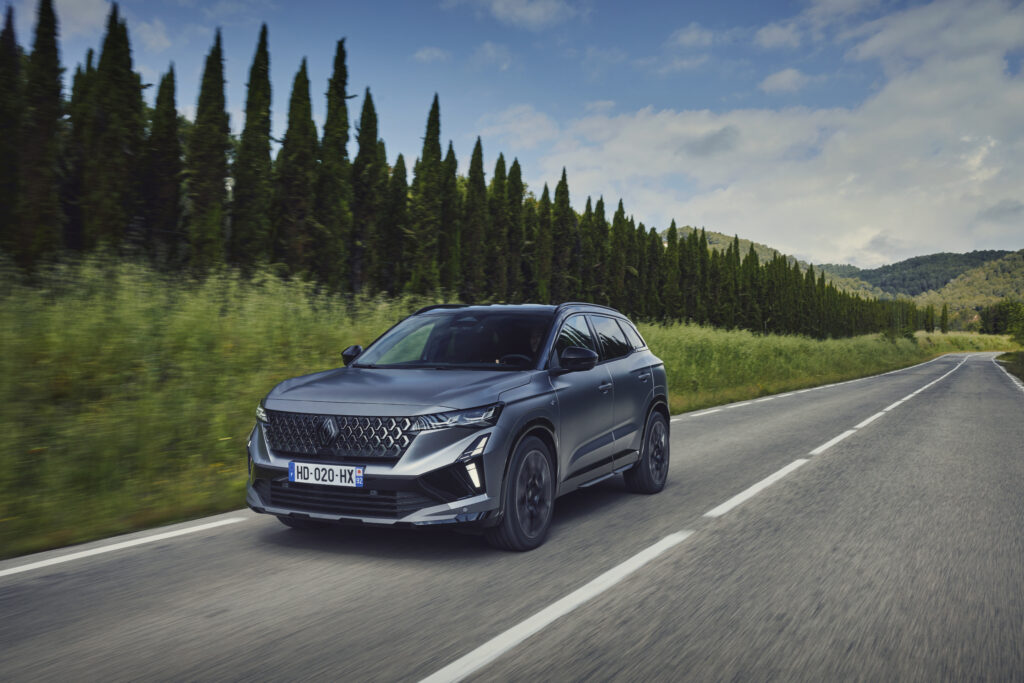
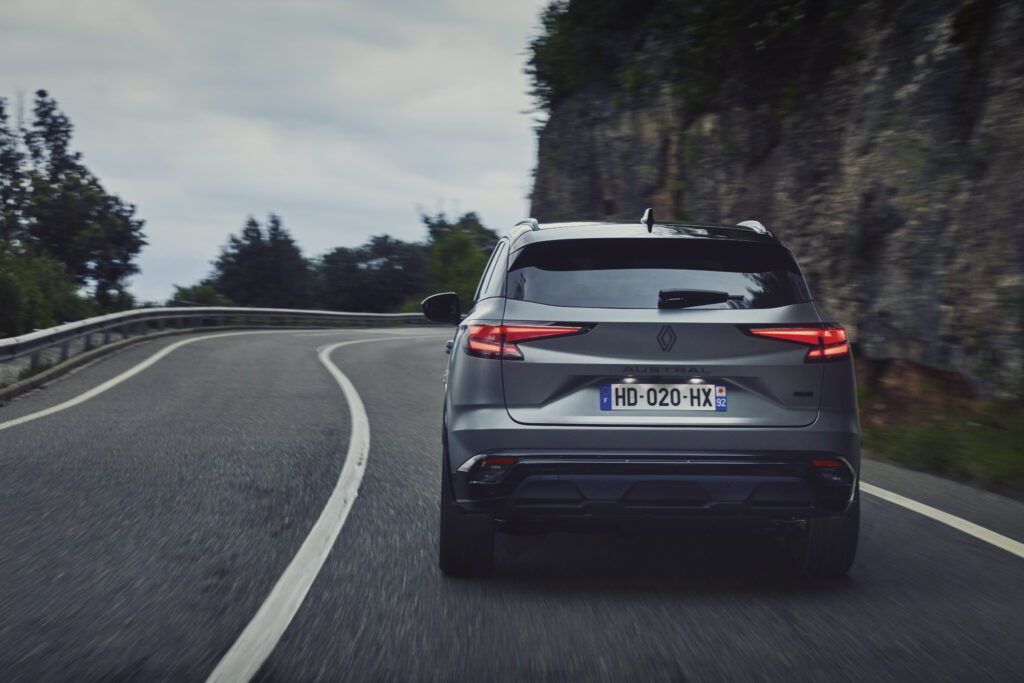
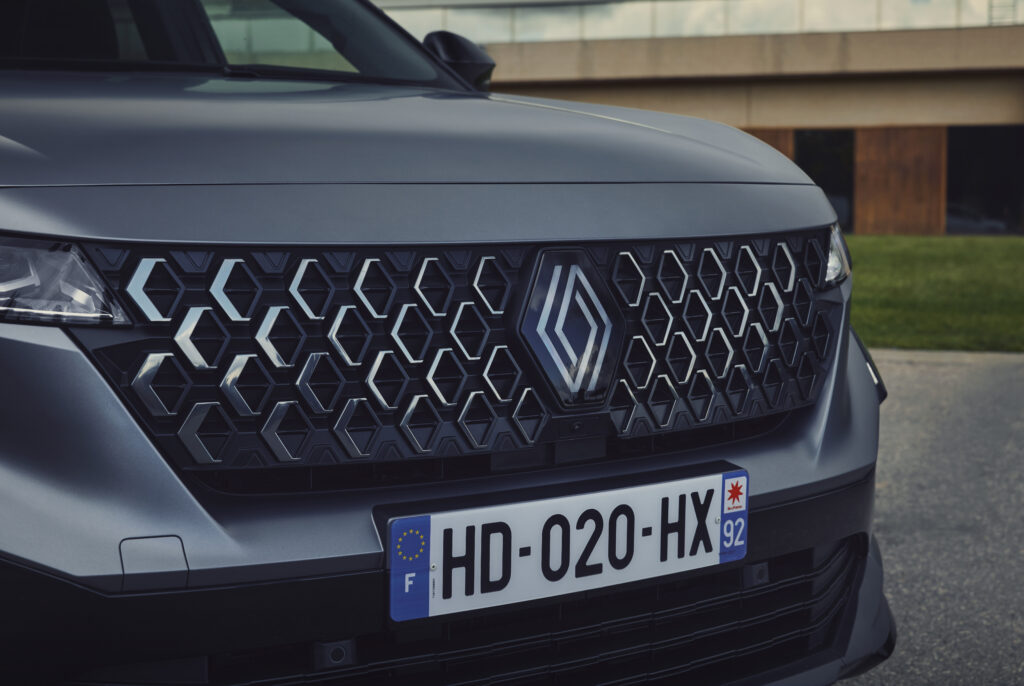
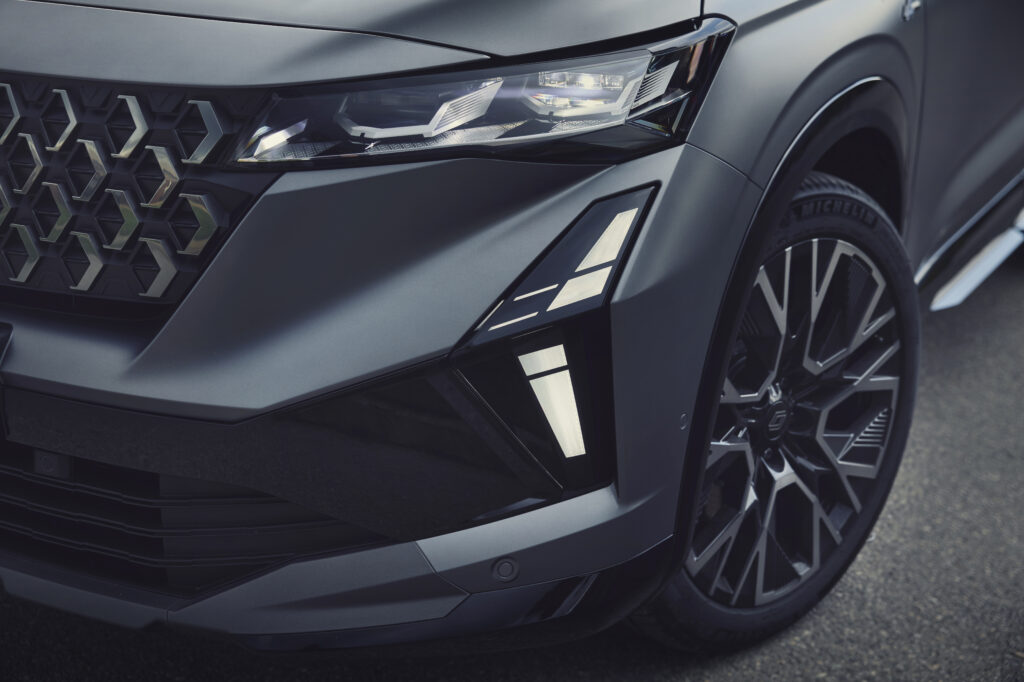
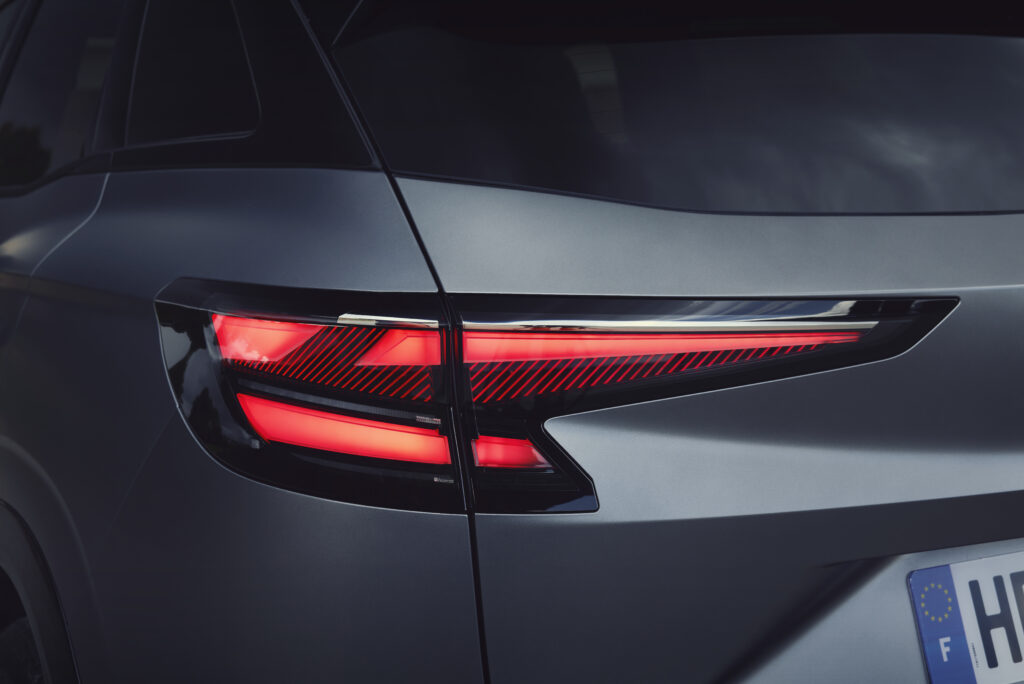
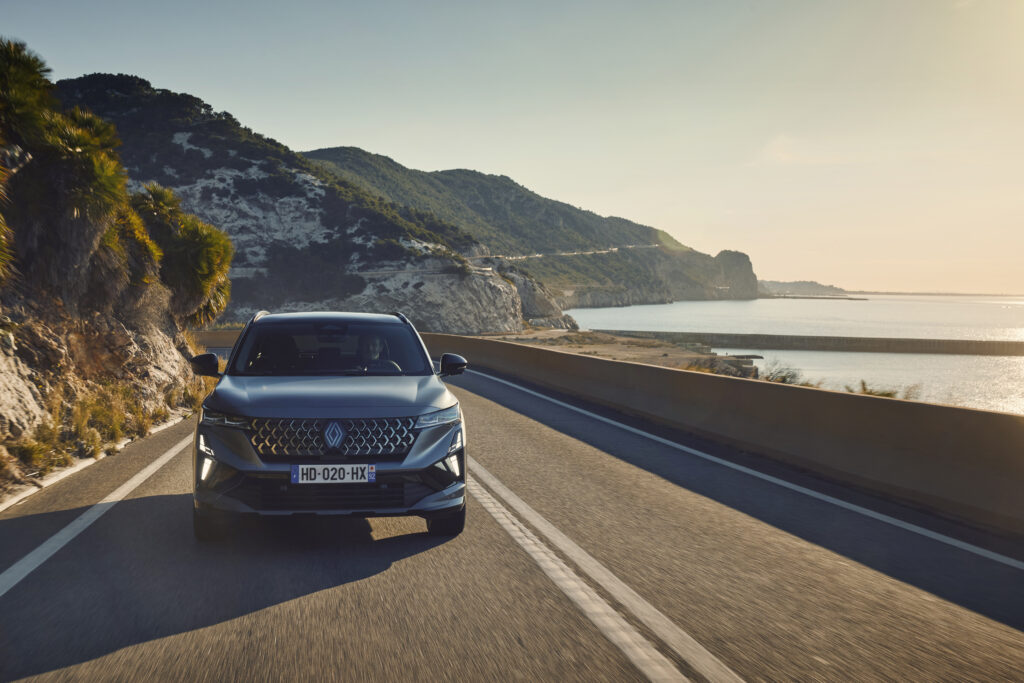
Visually, the 2025 Austral clearly adopts Renault’s latest design language. The front end abandons the C-shaped lighting signature in favor of slimmer headlights and a more graphic light pattern, stretched toward the edges of the bumper. The grille features a more structured design, giving the SUV a stronger and more confident presence. At the rear, the changes are more discreet, with sharper, crystal-inspired LED lights that modernize the look without altering the overall balance.
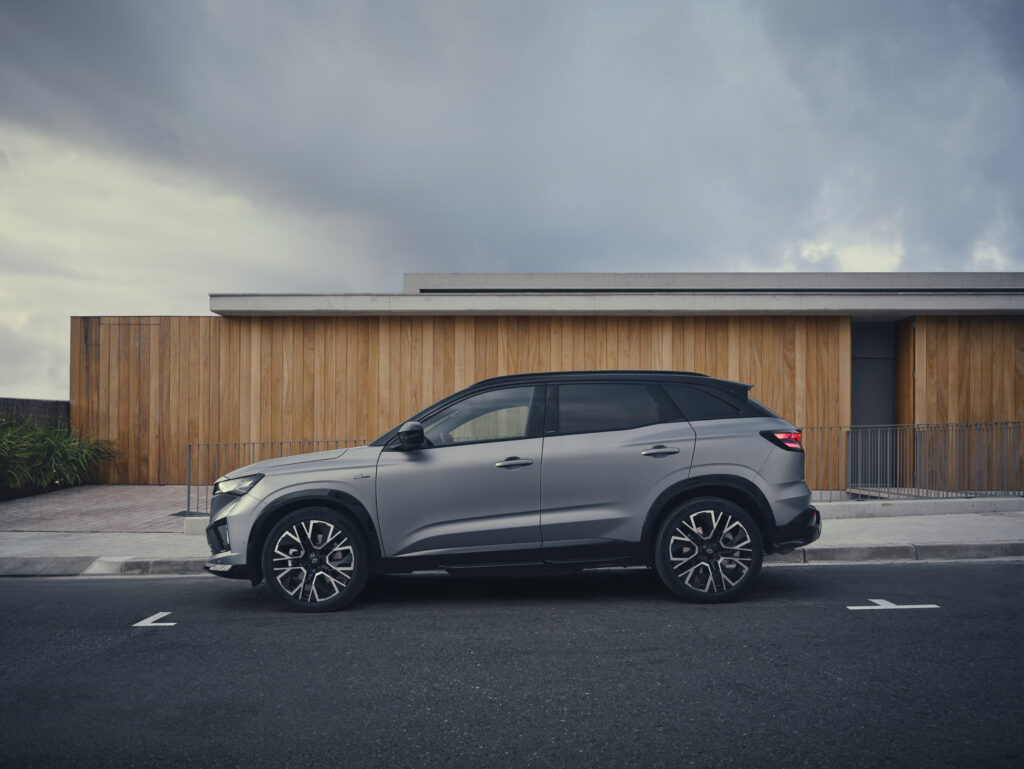
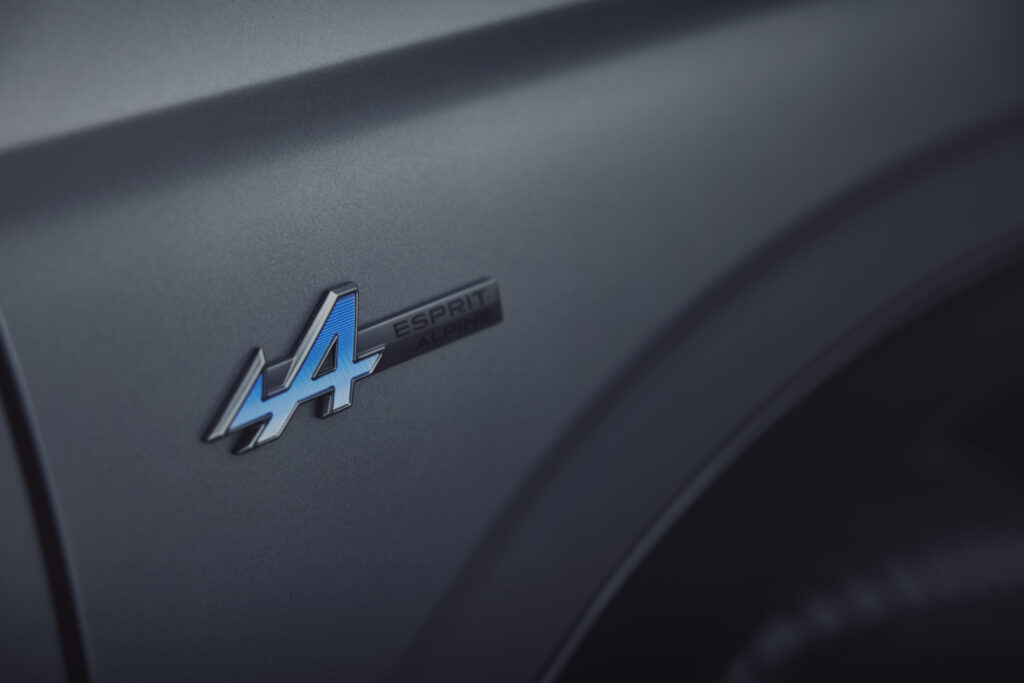
The updates remain subtle, yet sufficient to freshen the silhouette and align it with the rest of the Renault range. New wheel designs, up to 20 inches on the Esprit Alpine trim, and additional body colors complete the package. In this configuration, the Austral looks more upmarket while maintaining proportions well suited to family use.
Interior design and ergonomics
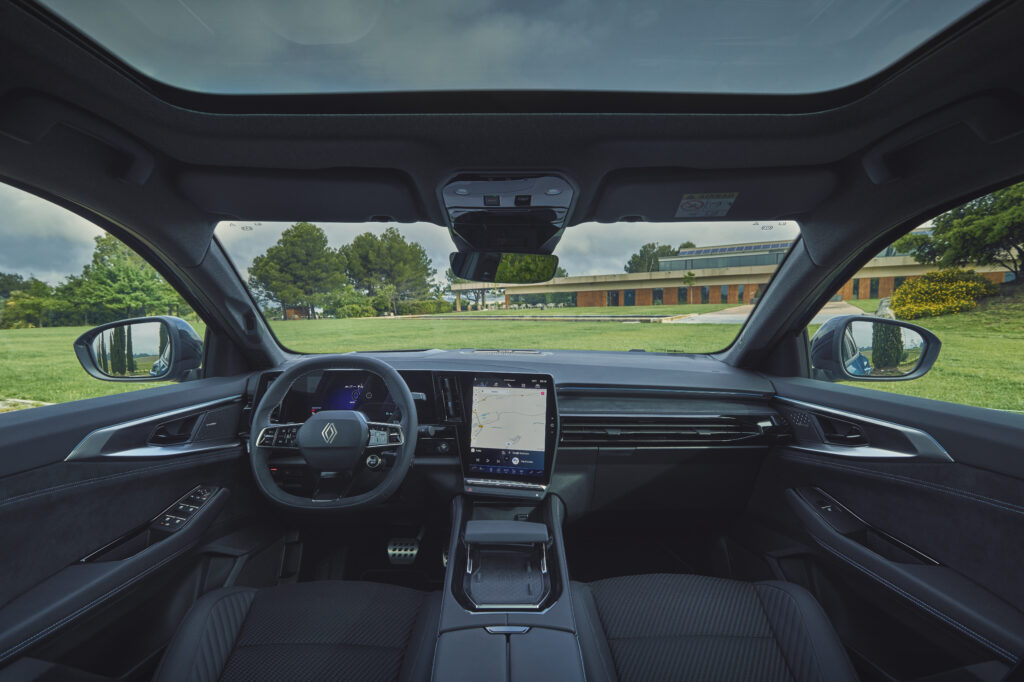
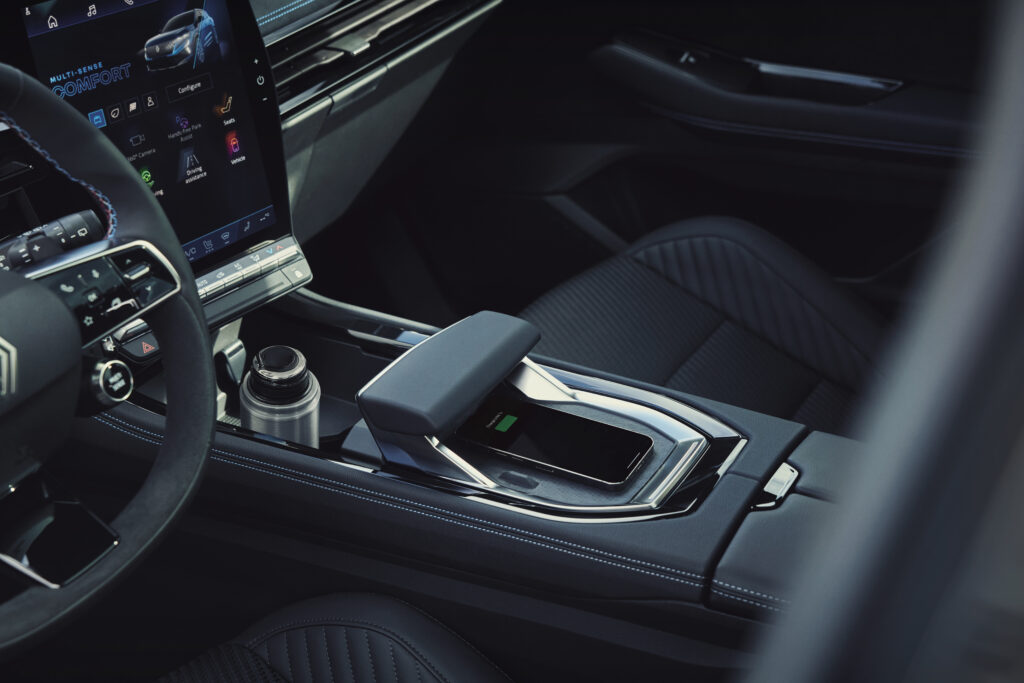
Inside, there is no revolution, and that is very much intentional. The Austral retains its horizontal dashboard layout, dominated by a large vertical central screen and a fully digital instrument cluster. Ergonomics remain convincing, with a well-judged mix of physical controls and touch-sensitive surfaces that makes daily use intuitive.
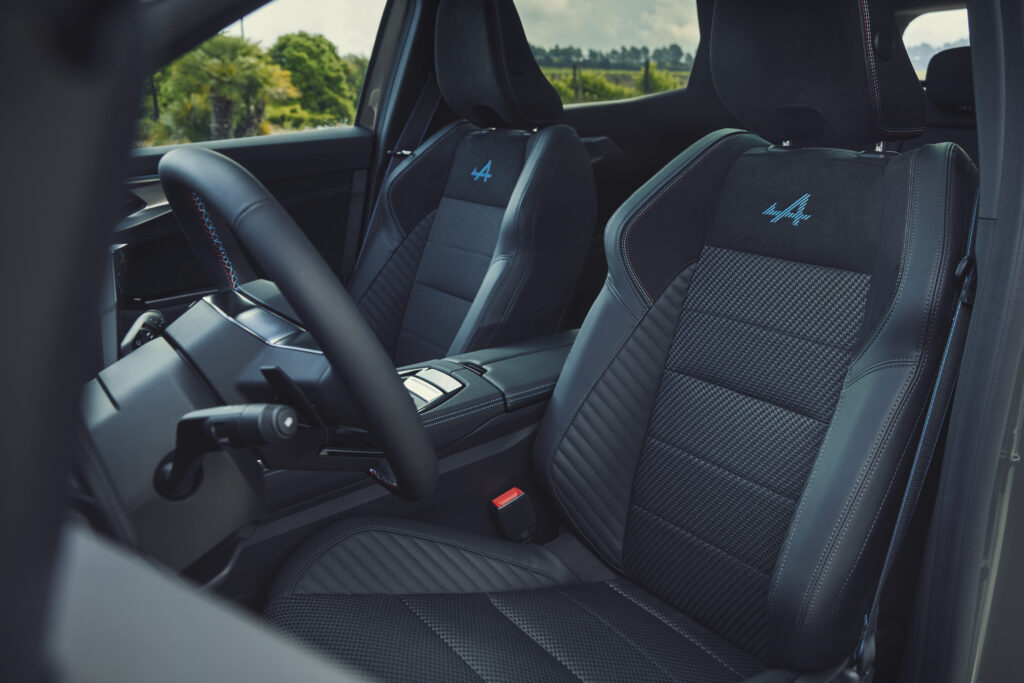
Perceived quality improves slightly, especially on the Esprit Alpine version, which benefits from more supportive seats and carefully chosen materials. The screen graphics have also evolved, offering better clarity and a more modern feel. The OpenR infotainment system with Google integration continues to stand out for its smoothness and responsiveness, both for navigation and connected services.
The main interior novelty is discreetly integrated into the driver-side A-pillar. A new camera enables facial recognition, allowing the vehicle to automatically adjust seat position, mirrors, and multimedia preferences according to the driver. Beyond meeting upcoming European safety regulations, this feature adds genuine convenience for households where several people share the same car.
Powertrain
With the facelift, Renault has streamlined the Austral lineup. In France, the SUV is now offered with a single engine choice: the 200 hp full hybrid E-Tech powertrain. This setup combines a 1.2-liter three-cylinder petrol engine with two electric motors, managed by a clutchless multi-mode automatic gearbox and supported by a 2 kWh battery.
On paper, the formula remains unchanged. In practice, Renault has refined both the software and certain mechanical components to improve overall smoothness. Vibrations during low-speed operation and restarts are better controlled, even if the petrol engine remains noticeable during cold starts. The system feels more coherent and polished, though it still reveals its limitations when pushed hard.
Driving experience
Behind the wheel, the 2025 Austral confirms its focus on versatility. In relaxed driving, the hybrid system proves particularly pleasant, with frequent electric-only starts and generally smooth transitions between power sources. The light steering and slightly softer suspension settings enhance comfort at low speeds, especially in urban environments.
On winding roads, the chassis strikes a good balance between stability and agility. The optional four-wheel steering system significantly improves maneuverability, both in tight corners and during parking maneuvers. However, the multi-mode gearbox can still hesitate during strong accelerations, encouraging a smoother, more measured driving style.
On the highway, the Austral feels reassuring and well insulated. Improvements to aerodynamics and glazing contribute to a quieter cabin at cruising speeds. Fuel consumption remains a strong point, with real-world figures typically ranging between 5.5 and 6.1 l/100 km depending on driving conditions, including extended motorway use. This efficiency allows for long journeys without frequent refueling stops.
Conclusion: strengths and weaknesses
With this facelift, the Renault Austral goes beyond a simple visual refresh. It refines the areas that matter most: comfort, driving smoothness, and efficiency. Without reinventing itself, the SUV addresses early shortcomings and positions itself as a well-rounded and credible alternative in the hybrid SUV segment.
Strengths
– Improved comfort and better sound insulation
– Efficient and pleasant hybrid system for everyday use
– Intuitive infotainment system and well-thought-out ergonomics
Weaknesses
– Gearbox still hesitant during strong accelerations
– Higher pricing, especially on upper trims
– Some desirable features remain optional
In 2025, the Austral presents itself as a mature and coherent hybrid SUV. It does not aim to impress with radical changes, but instead convinces through balance and consistency, mile after mile.