Test drive – Alfa Romeo Tonale Ibrida 2026 : a subtle update, one week to form an opinion
 Jean-Pierre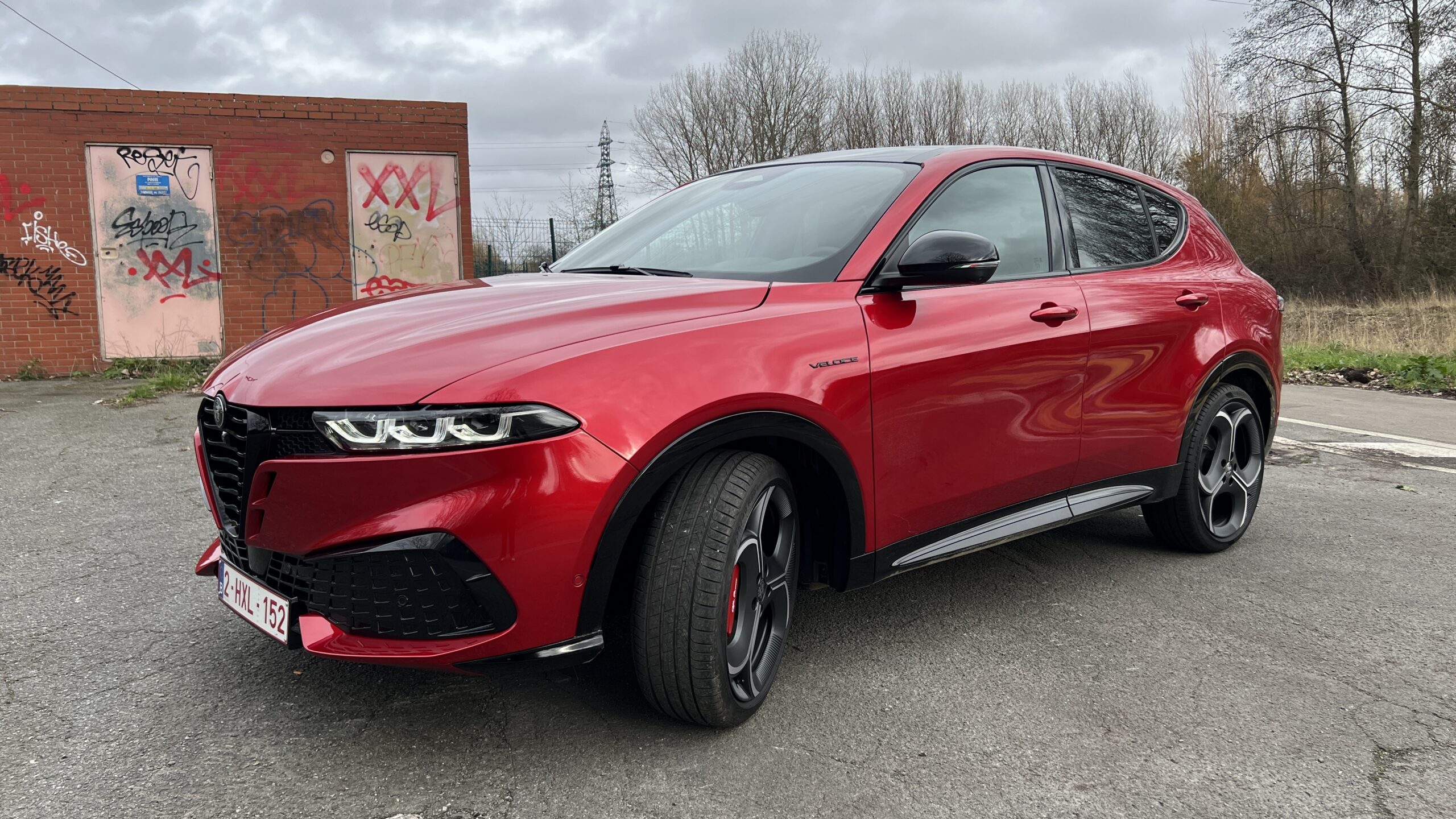
After a week behind the wheel of the Tonale Ibrida 2026, we quickly understood Alfa Romeo’s strategy: evolve without turning everything upside down. The Tonale keeps its identity, its style, and that very Italian way of leaning on emotion rather than pure numbers. In real life, we focused on what truly matters day to day: the atmosphere on board, how easy it is to live with, and how it feels on the road. This refresh is more about refinement than revolution; and that is exactly how it comes across.
Dimensions and exterior design: a sharper face, no dramatic change
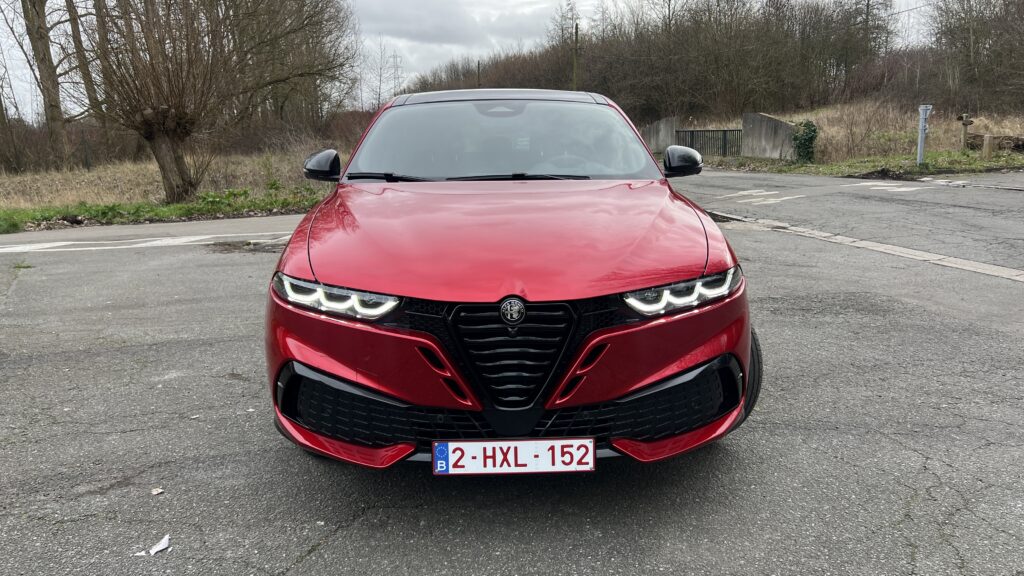
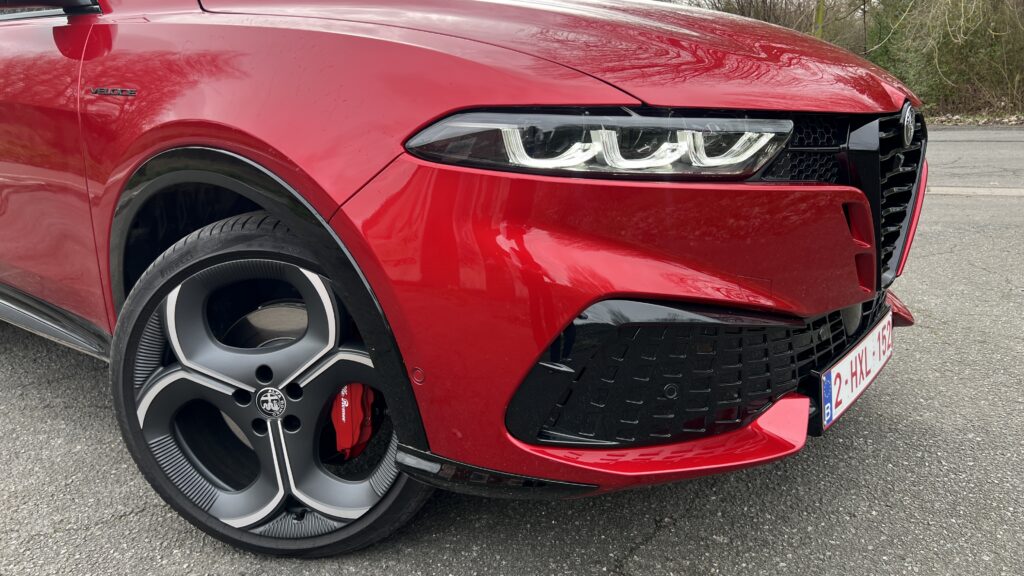
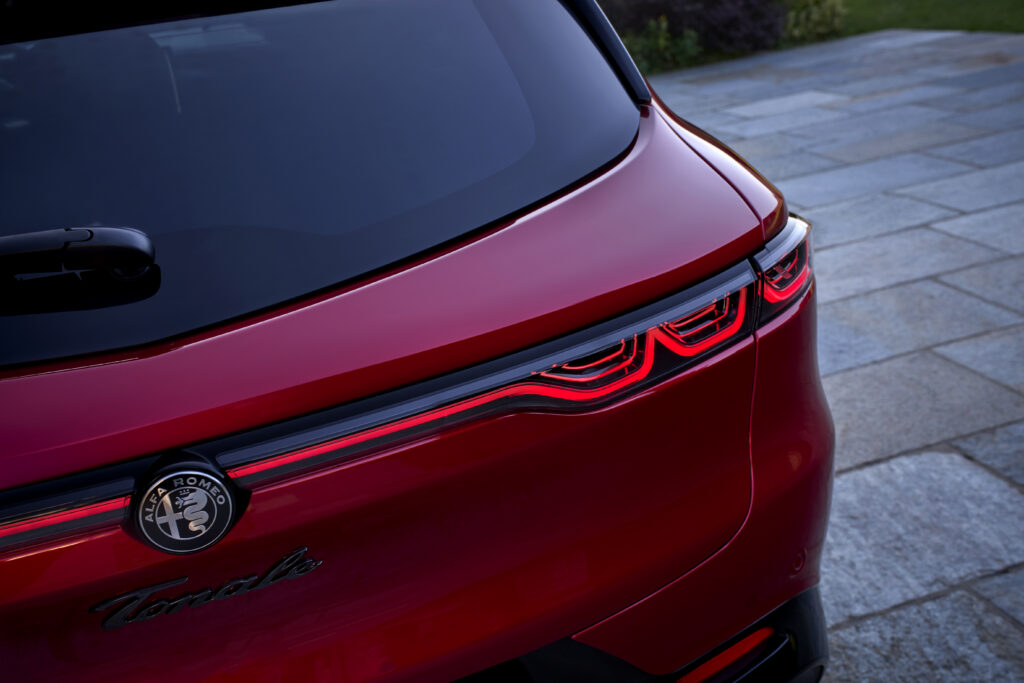
At first glance, the Tonale 2026 is instantly recognizable, yet the front end looks tighter and more settled. The bumper has been reshaped with air intakes that appear wider, and the signature triangular grille now features a more geometric pattern. Overall, the effect is subtle but more contemporary; as if the car gained clarity rather than trying to reinvent itself.
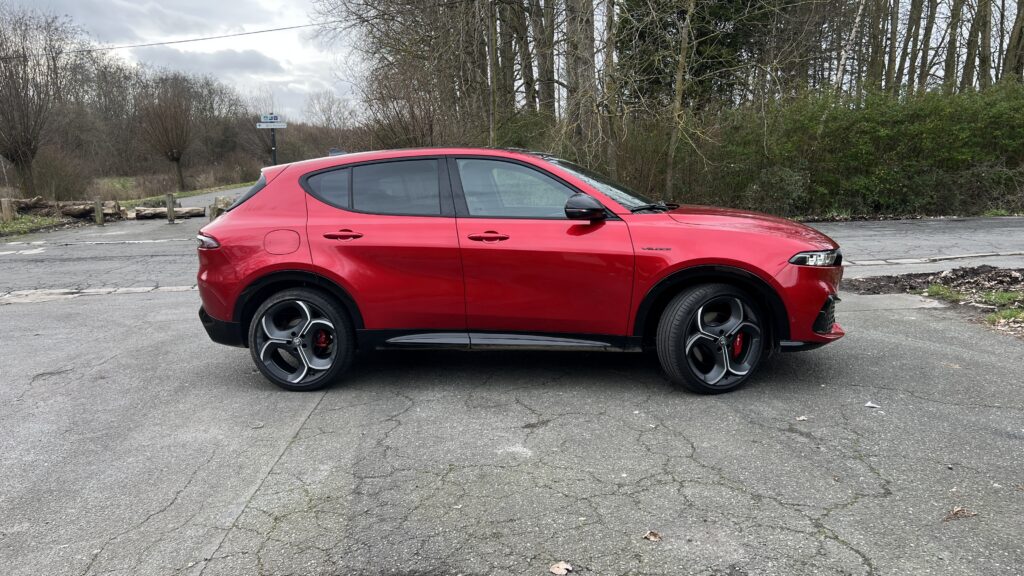
From the side, it still reads as a compact SUV with a naturally dynamic stance, prioritizing fluid lines over brute force. A few detail changes give the impression of a slightly more planted posture; and the new 19 or 20 inch wheels play a big role in the character. Depending on the paint, the Tonale can even shift its attitude: elegant in restrained shades; more expressive in the brighter hues that feel unmistakably Alfa.
Interior design and ergonomics: plenty of charm, not always cutting edge
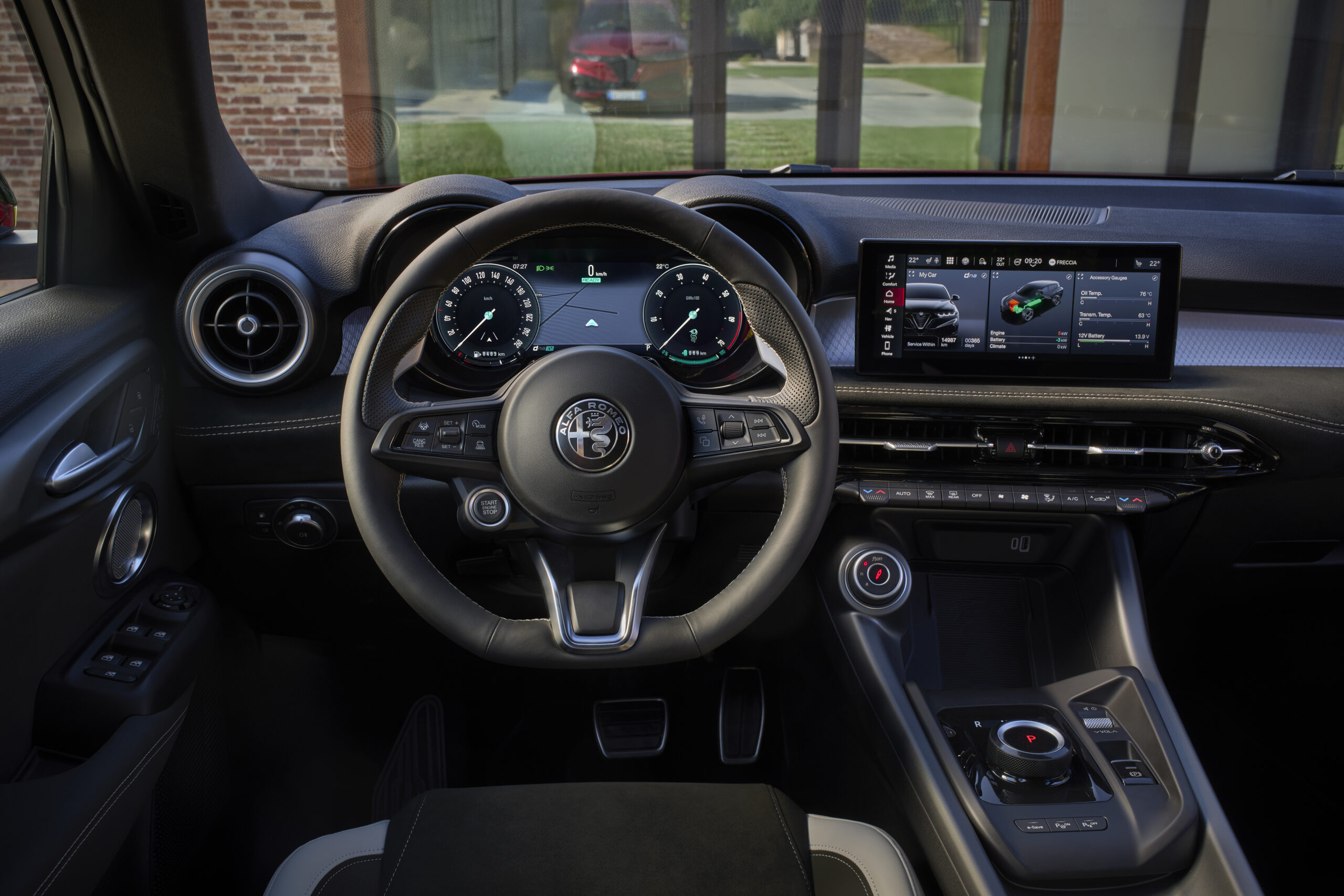
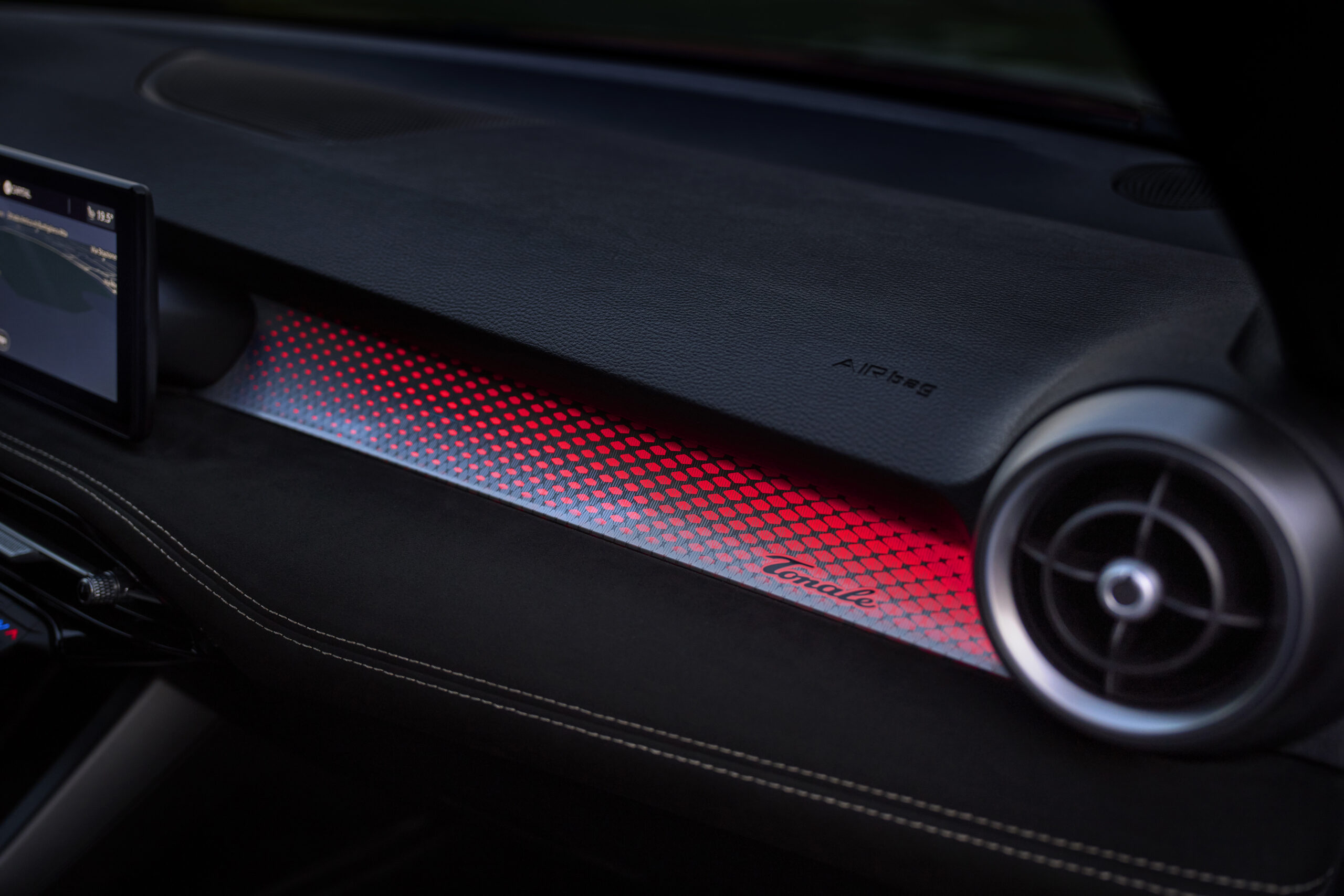
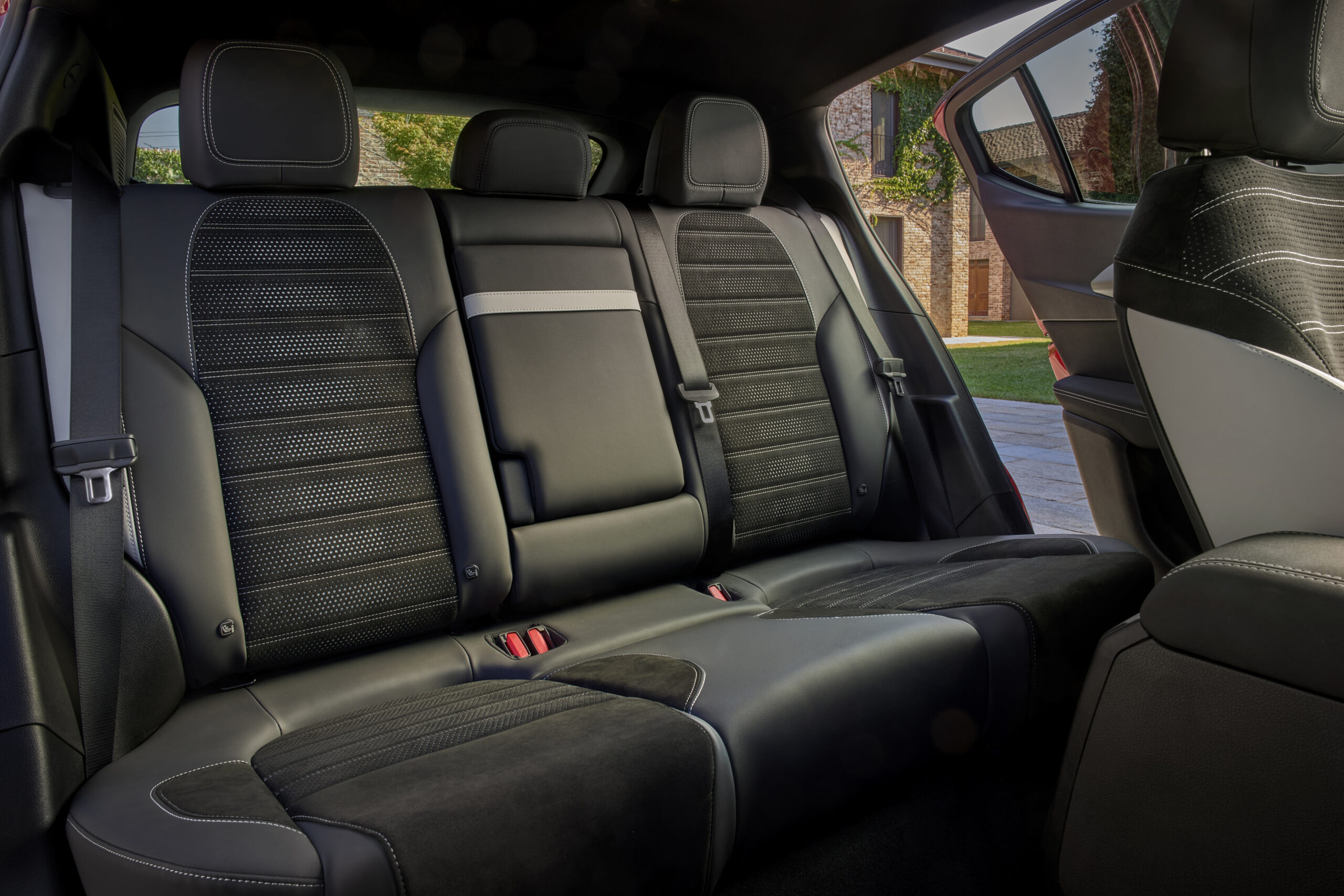
Inside, we found what makes the Tonale appealing: a cabin designed to seduce, with trims and materials that change noticeably from one version to another. Fabric, Alcantara, leather, and in some cases two tone themes; all of it adds real personality, and we instantly feel we are in an Alfa. The seats, with their distinctive look, remain comfortable over longer drives, even if their lateral support does not turn the Tonale into a corner carver.
The most visible change sits on the center console: the traditional gear lever is replaced by a rotary selector. The idea is elegant and cleans up the space, but in use, it can feel a little artificial, with a gesture that lacks crisp feedback. On the digital side, the instrument display and central screen modernize the experience, yet we do not always get the smoothness we now expect, especially compared with the best systems on the market.
Powertrains: a broad lineup, from sensible to more tech focused
The Tonale continues to rely on a diverse range of engines. We can opt for a 130 hp Diesel for long distance driving, a mild hybrid gasoline unit around 175 hp for everyday versatility, or a Q4 plug in hybrid that blends gasoline and electric power for roughly 270 to 280 hp with all wheel drive. That variety means we can pick a Tonale that matches how we actually drive, not just a trim badge.
The plug in hybrid promises strong electric range on paper, especially in the city, but in real conditions we were closer to around sixty kilometers. That still makes sense for regular daily routines, as long as we can recharge consistently. One more point: the entire range comes with an automatic transmission, with behavior that can vary depending on the powertrain.
Driving experience: enjoyable and composed, yet the front end lacks conversation
On the road, the Tonale felt genuinely pleasant, especially at normal to brisk pace. The chassis is well controlled and the car enjoys a flowing series of bends, making it feel more alive than many compact SUVs that prioritize neutrality above all else. We never felt like we were driving a simple appliance; there is intent, and a quiet desire to make us smile on the right road.
In plug in hybrid form, the first kilometers in electric mode are smooth and quiet, which suits calm urban driving. The transition to the gasoline engine is generally progressive, even if the engine can become more noticeable at low rpm, sometimes with mild vibrations. The automatic transmission feels more polished in its shifts than before, helping day to day smoothness without completely losing responsiveness when we switch to a more spirited approach.
The main frustration remains the steering and the front axle. Feedback is limited, with a slightly digital feel that cuts into the emotional connection when we try to drive precisely. And depending on wheel size, ride comfort can become firmer over rough surfaces; something we inevitably notice when we live with the car for a full week.
Conclusion: the Tonale Ibrida 2026; the pros and the cons
After a week, we came away with a Tonale that improves without denying what it already is. The updated front end brings a touch more presence, the cabin keeps its attractive atmosphere, and the car remains enjoyable to drive in real world use, especially on open roads. Yet a few imperfections remain, notably in steering feel and some aspects of the in car tech experience.
Pros
- Italian style still compelling; subtle refresh that works
- Broad powertrain choice, including a plug in hybrid with all wheel drive
- Dynamic chassis that is enjoyable on winding roads
Cons
- Steering lacks feedback; the front end does not communicate enough
- Rotary selector looks elegant but feels less satisfying to operate
- Infotainment not always as smooth as the best systems
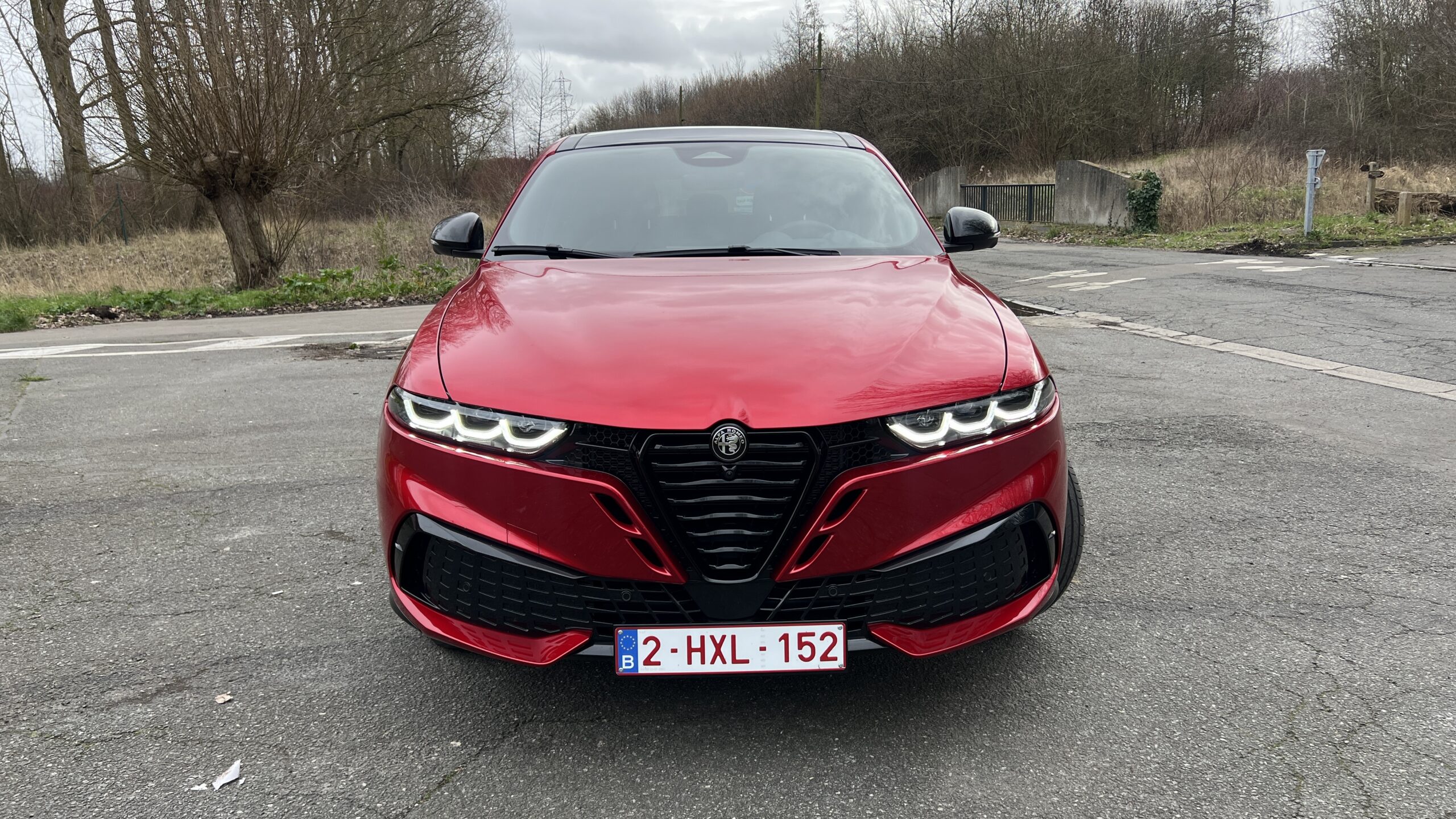
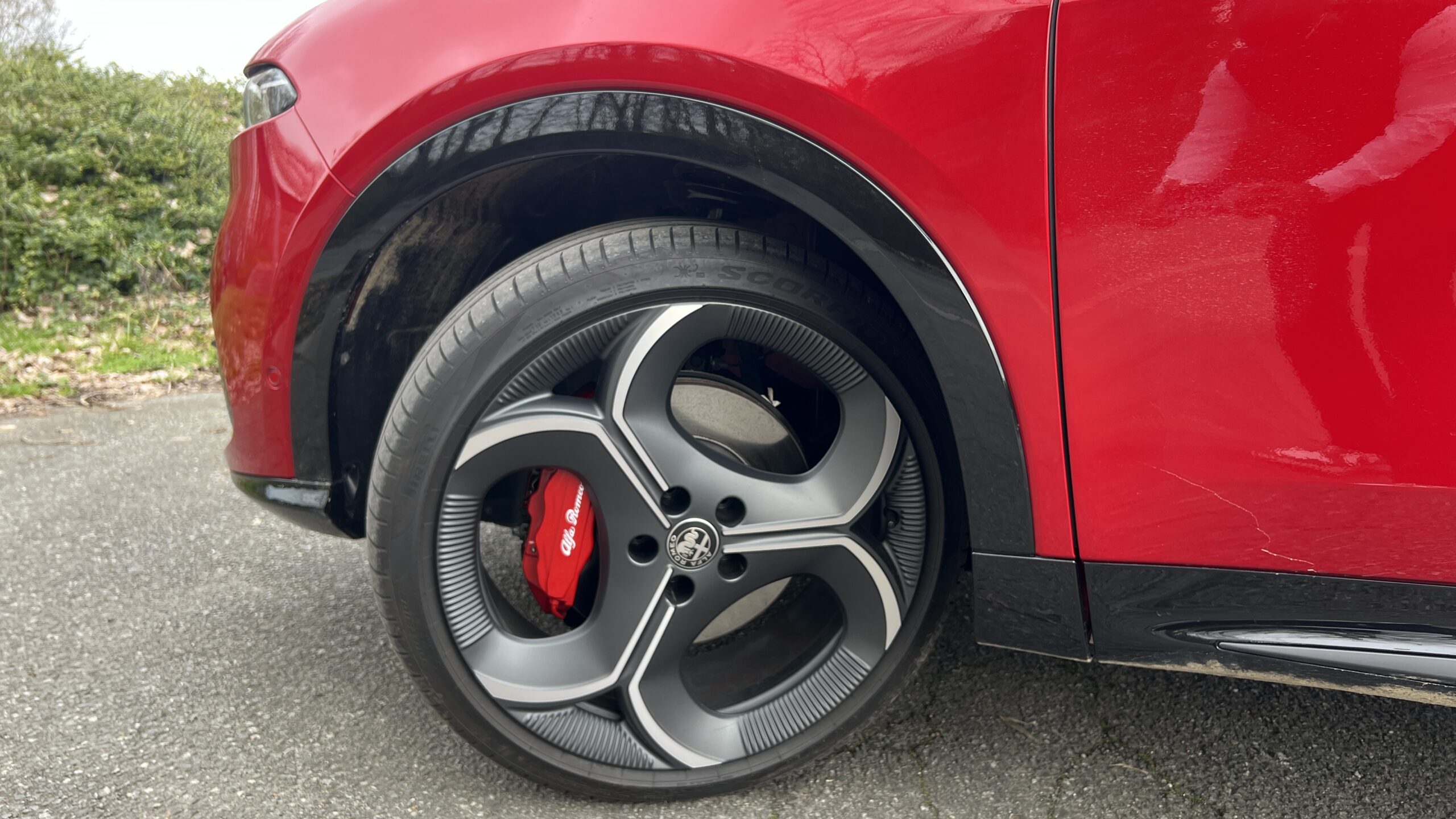
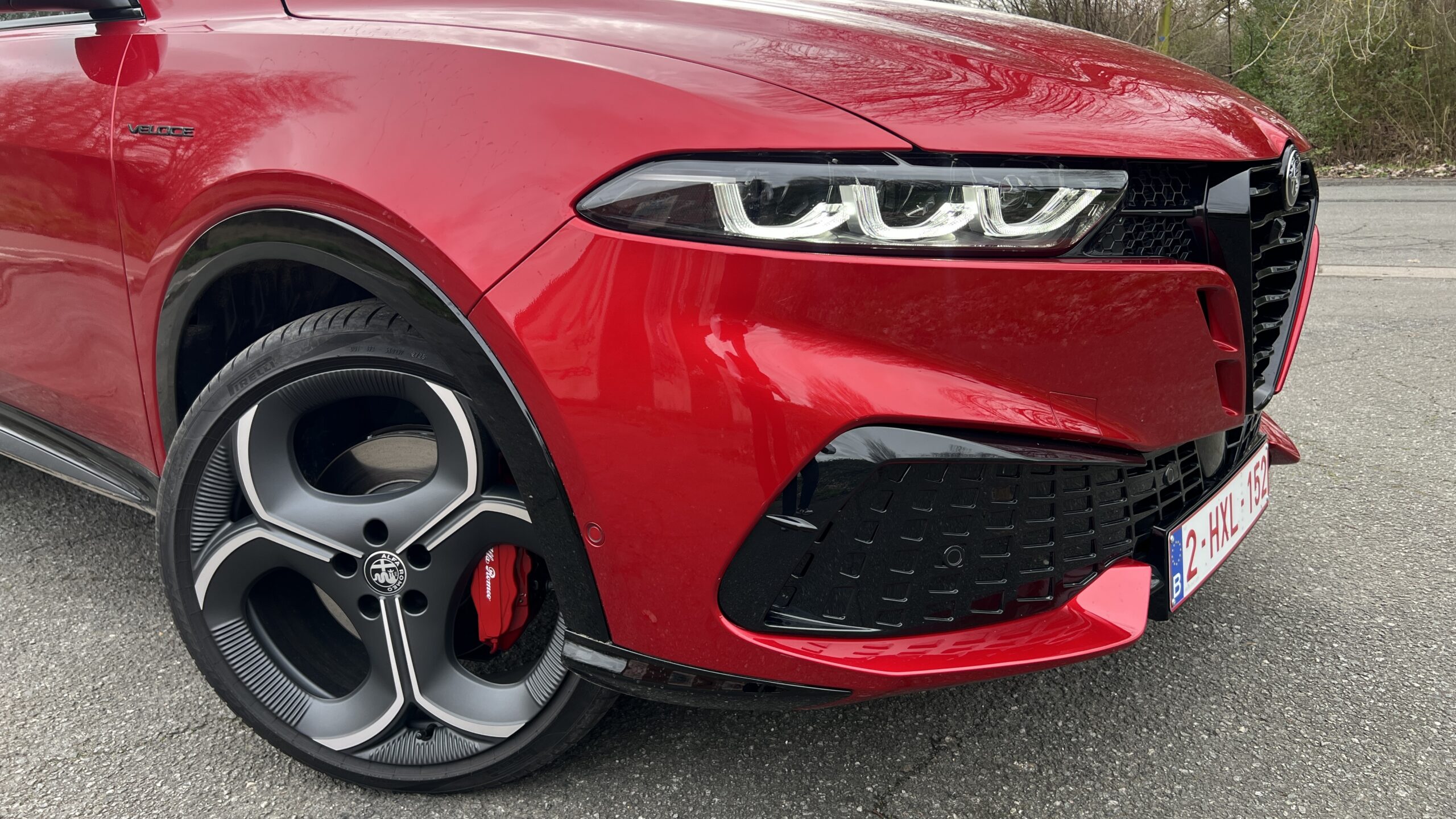
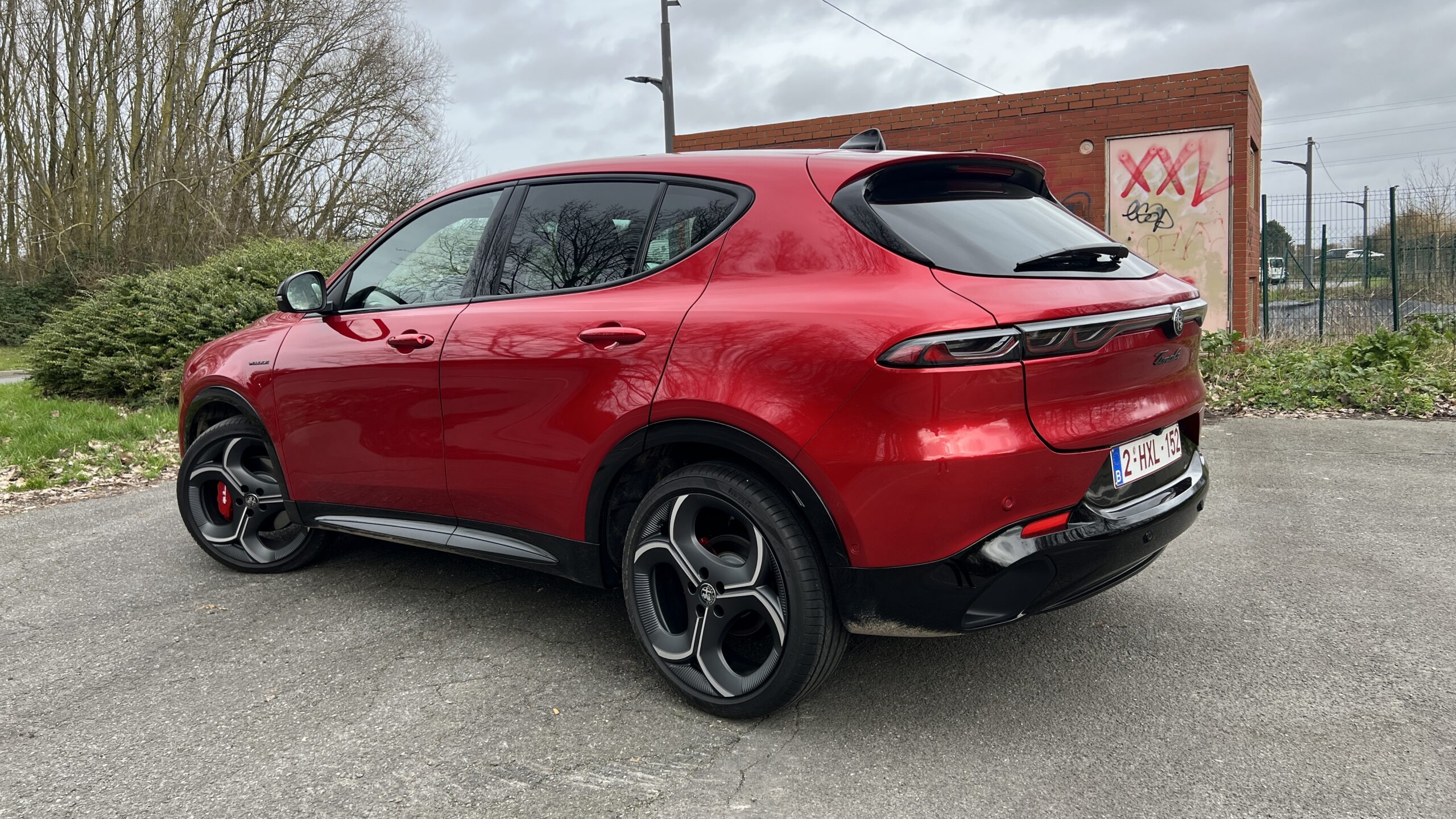
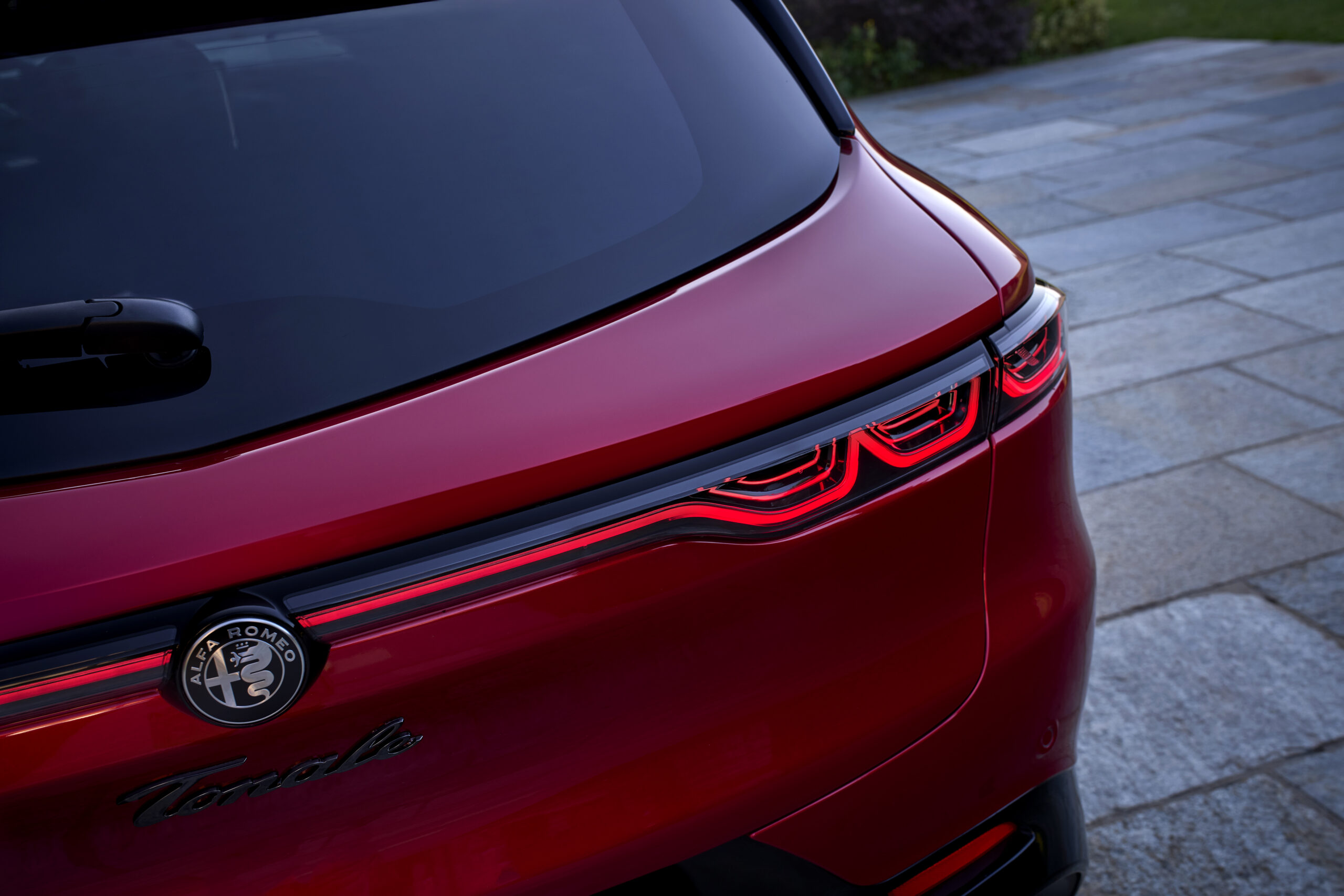
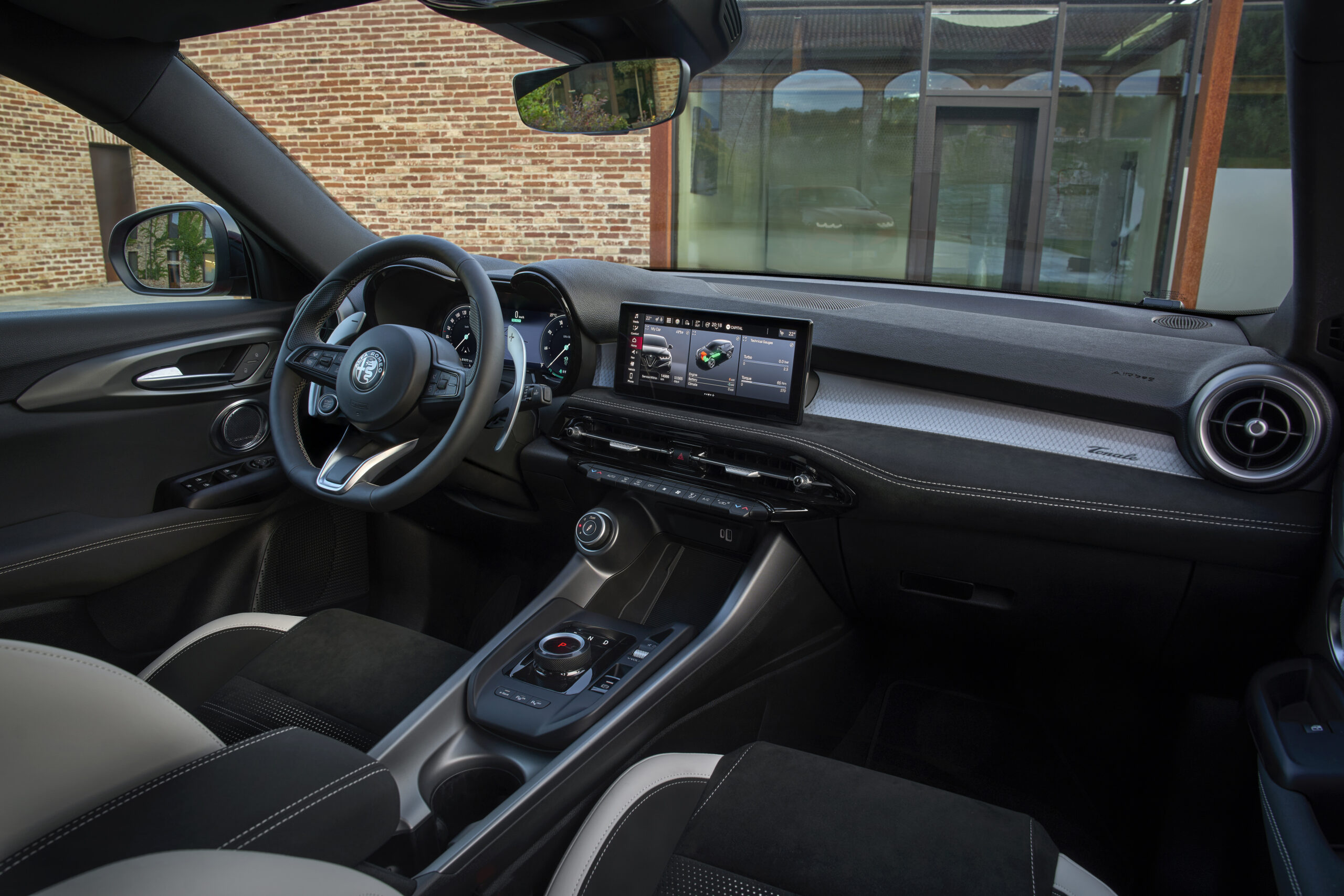
Photo : – Jean-Pierre Ndu / GUS
– Stellantis press