Test drive – Lancia Ypsilon HF : The Return of the Performance Badge, Now Electric
 Jean-Pierre Ndu
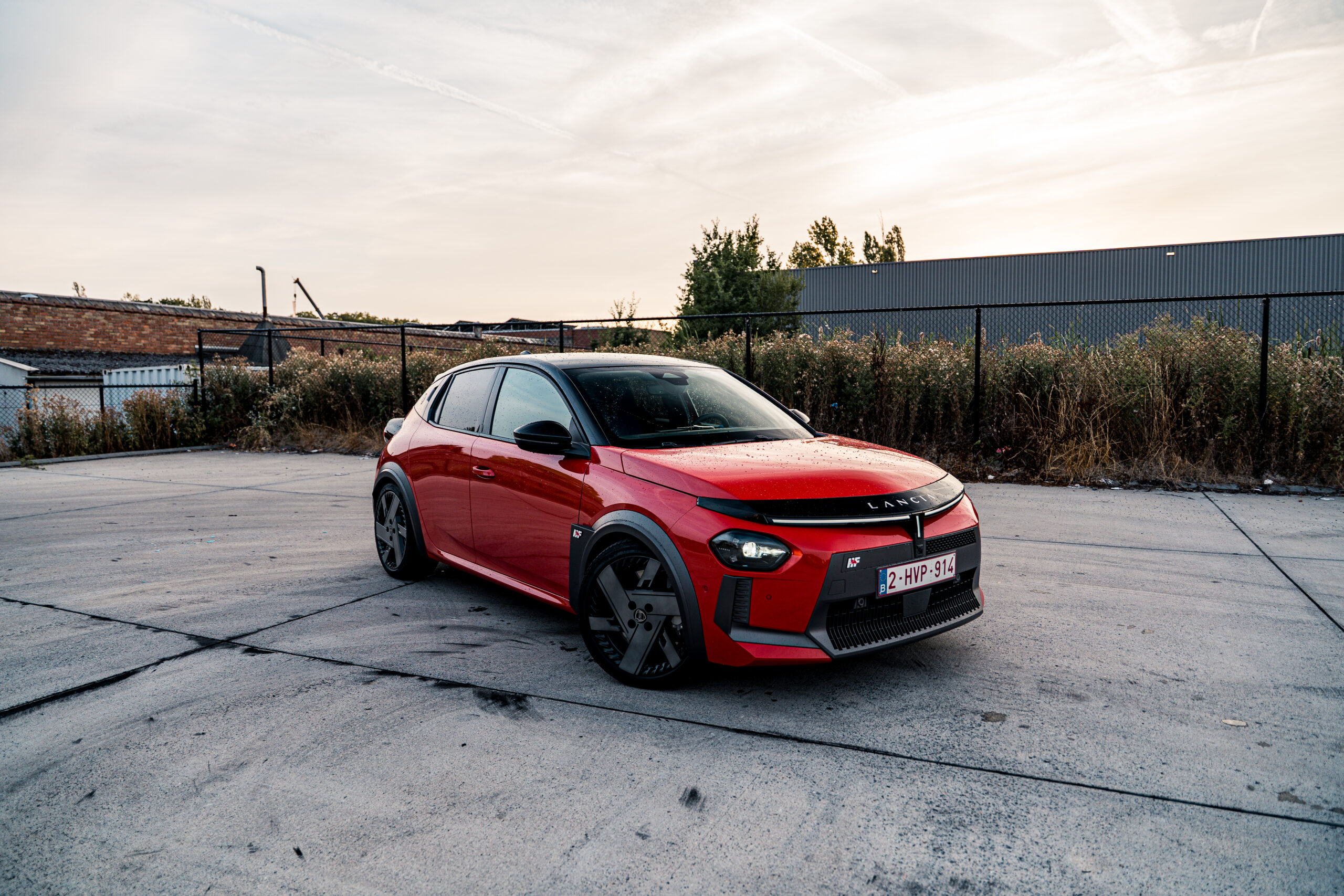
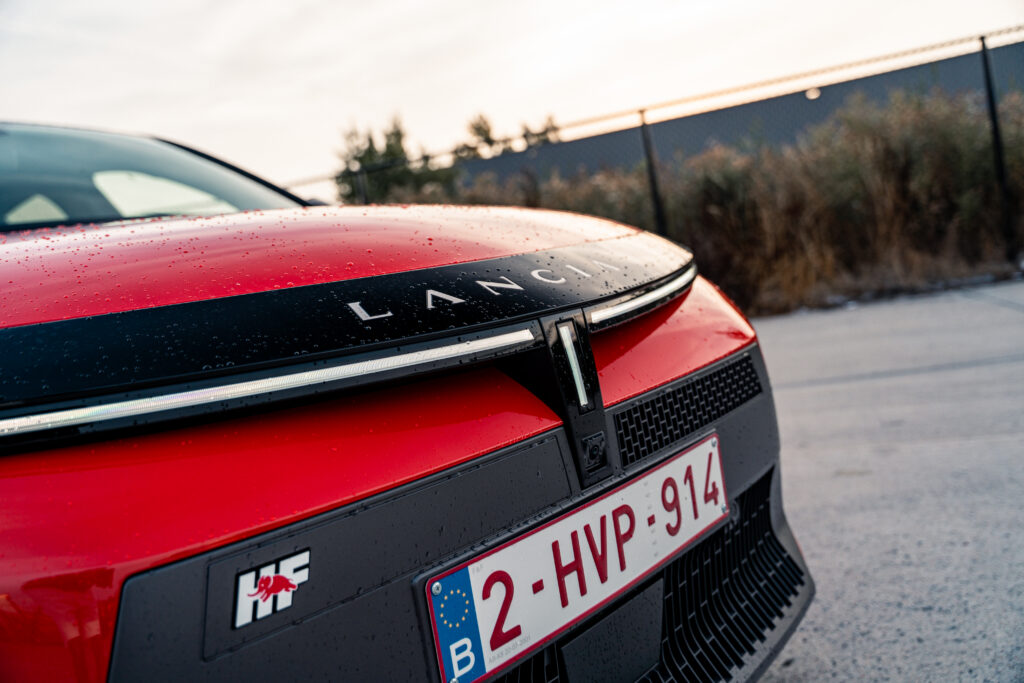
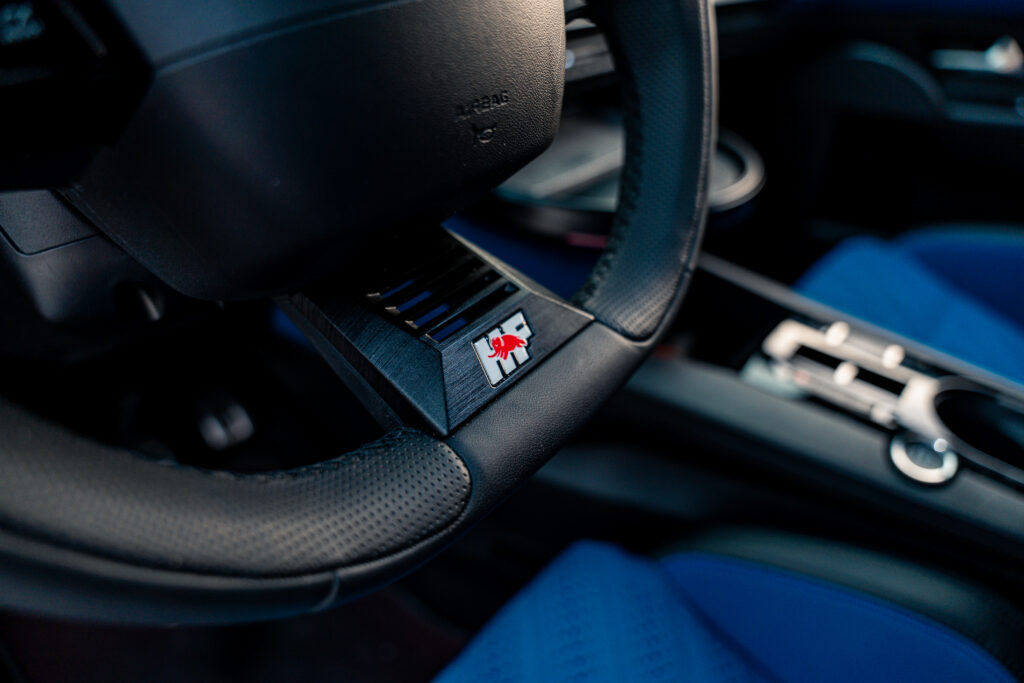
The HF badge carries real weight at Lancia. It takes us back to a time when the Italian brand was one of the biggest names in rallying, with cars such as the Stratos, 037 and Delta Integrale. In 2026, that famous badge returns on a small electric hatchback, and with 280 hp, a mechanical limited-slip differential and a seriously reworked chassis, the new Ypsilon HF is clearly more than a nostalgic badge exercise.
Design and Interior : Sportier Inside and Out
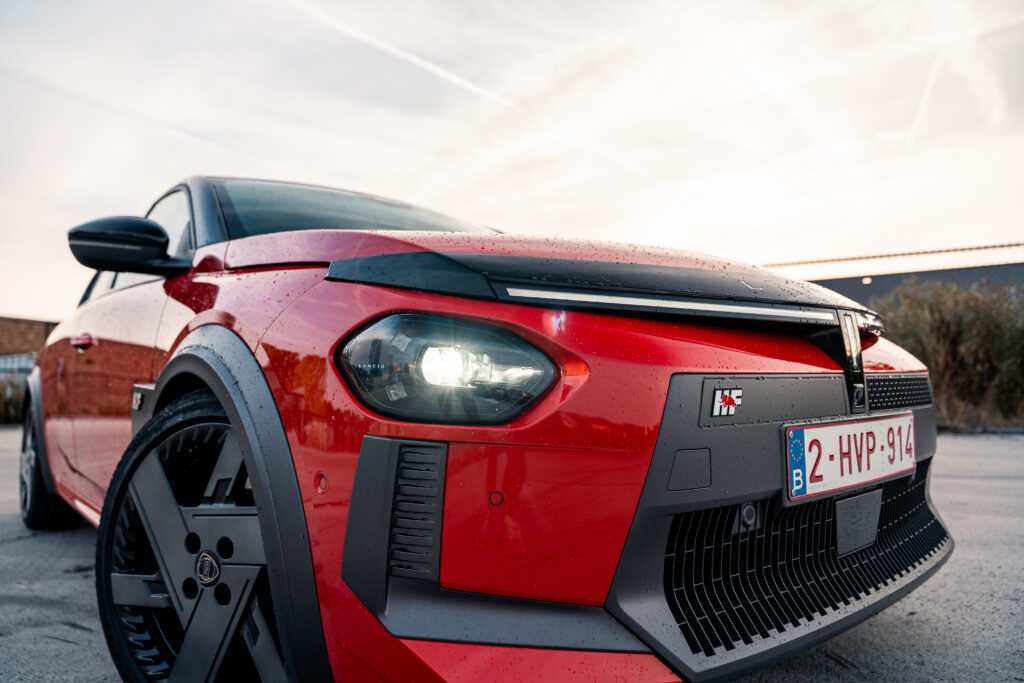
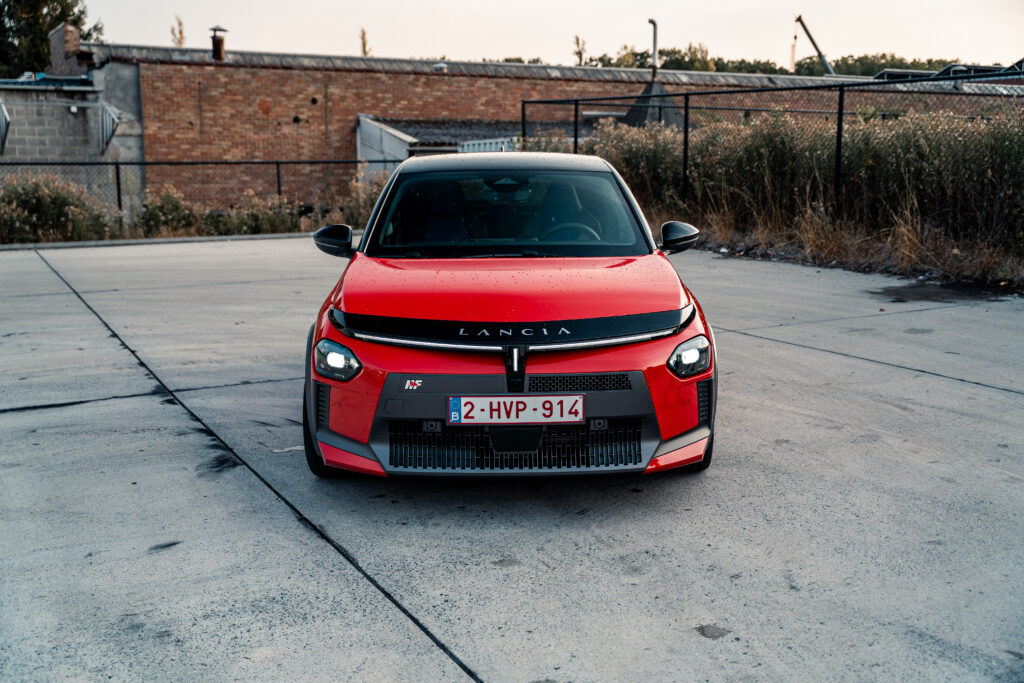
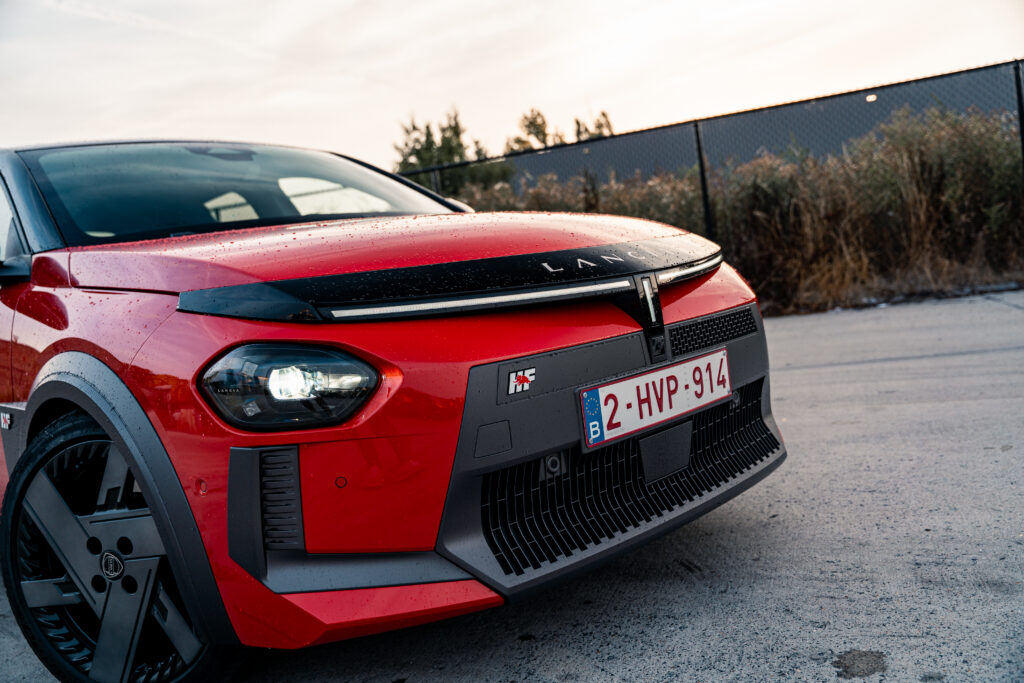
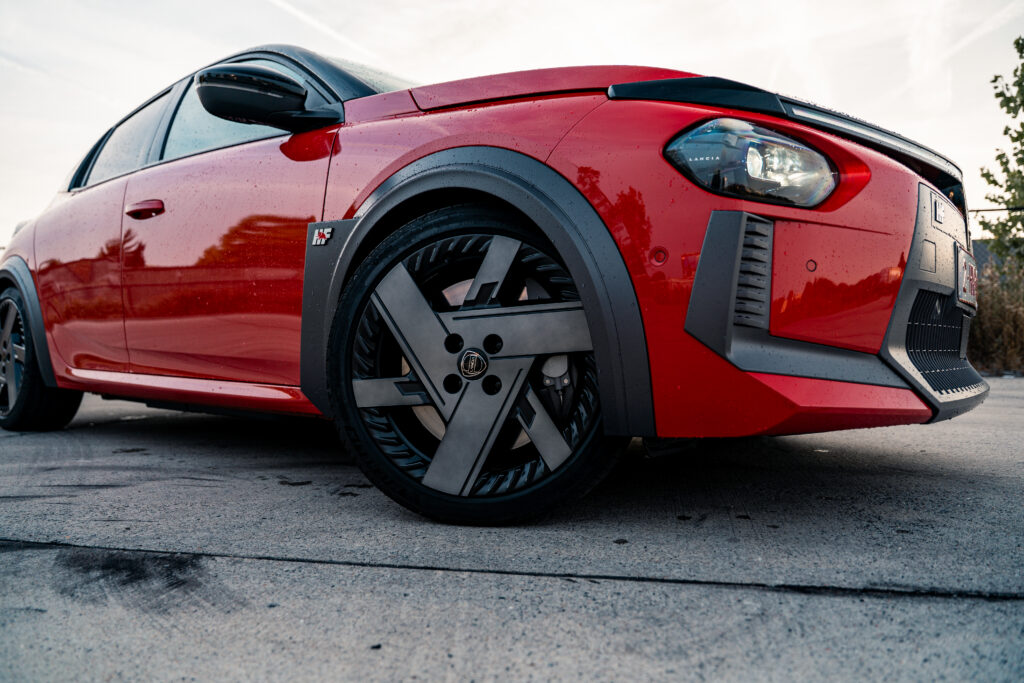
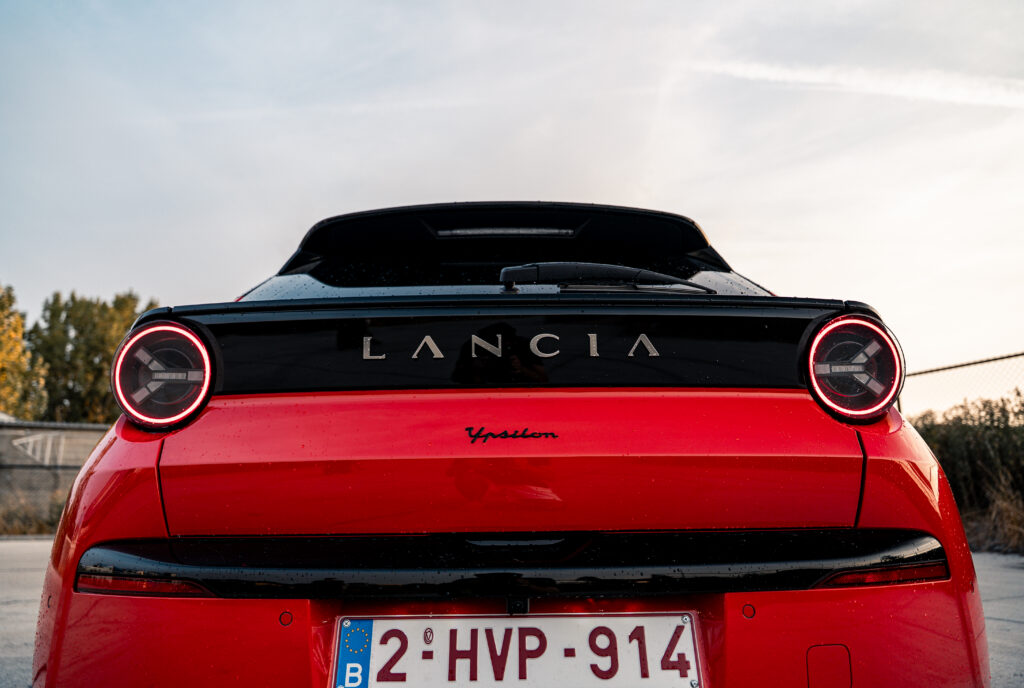
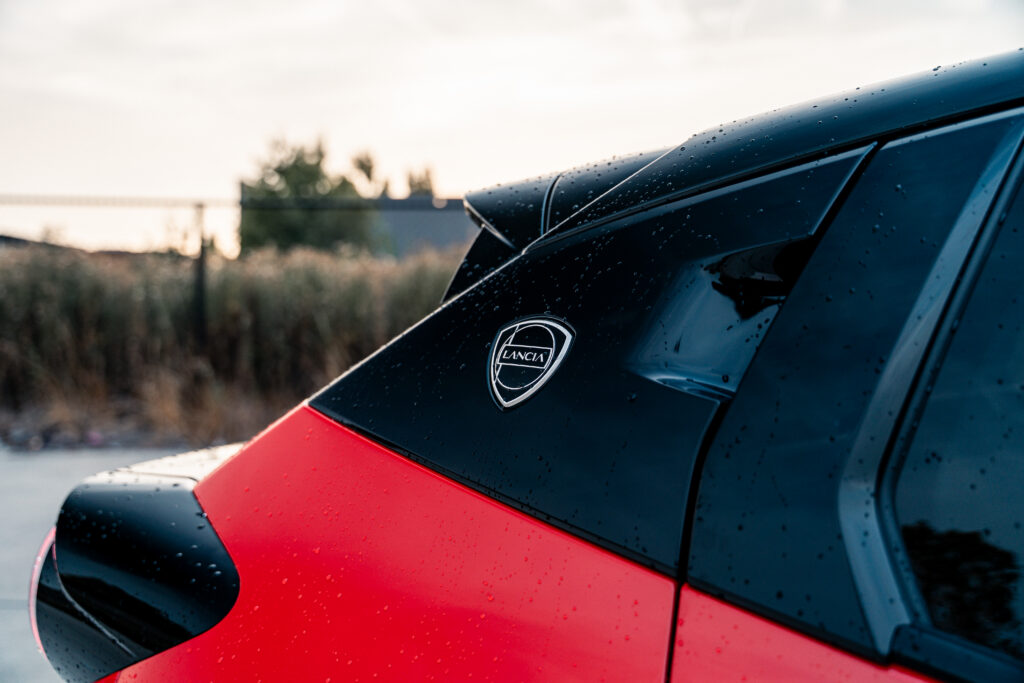
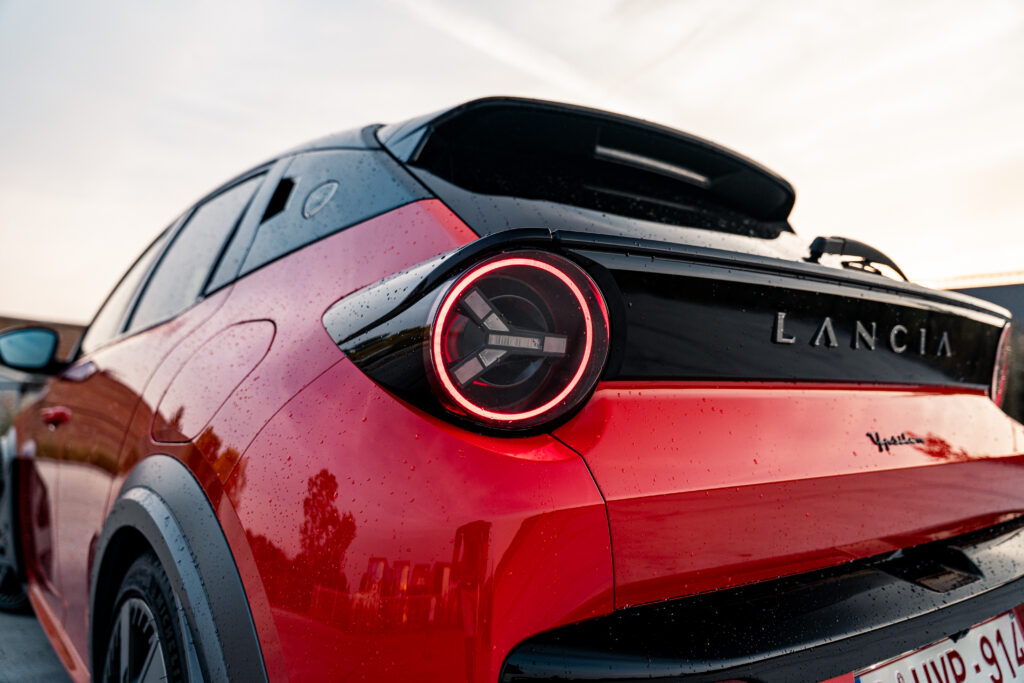
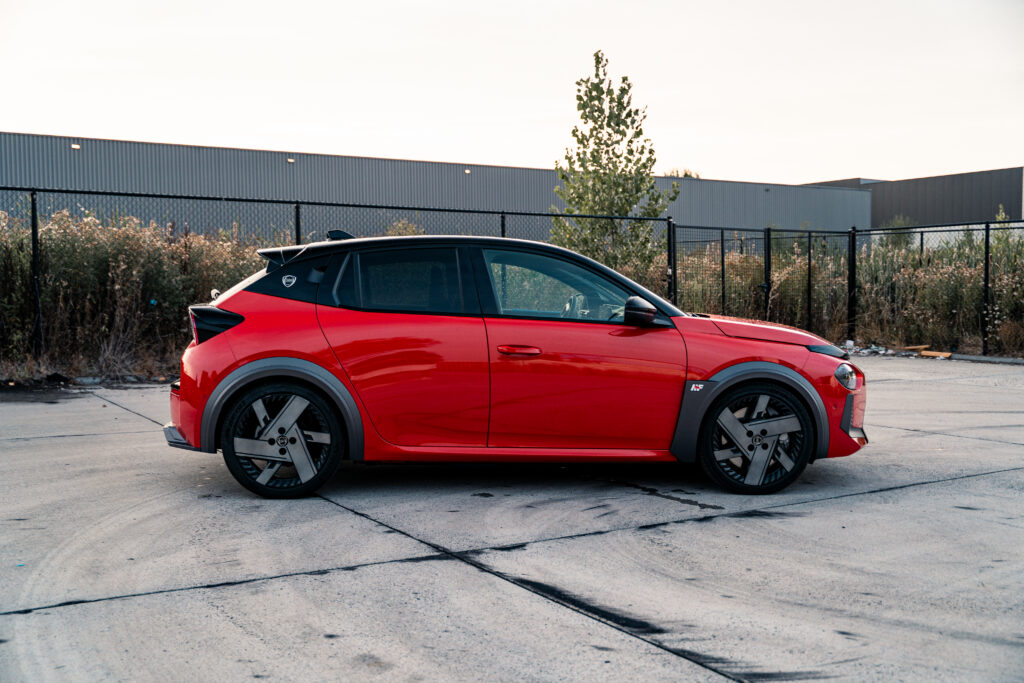
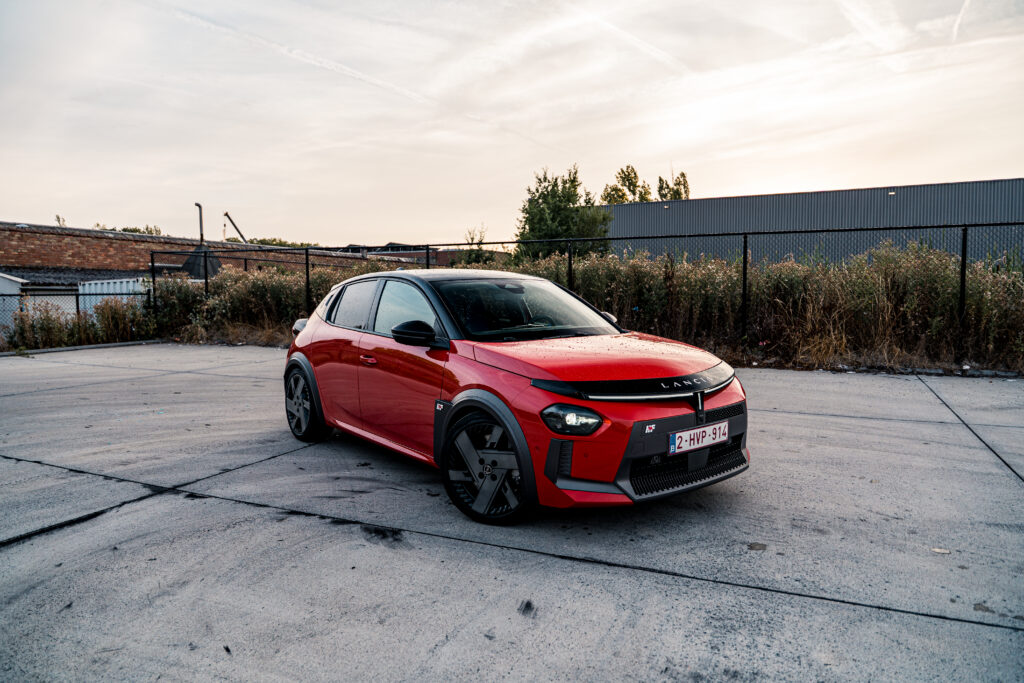
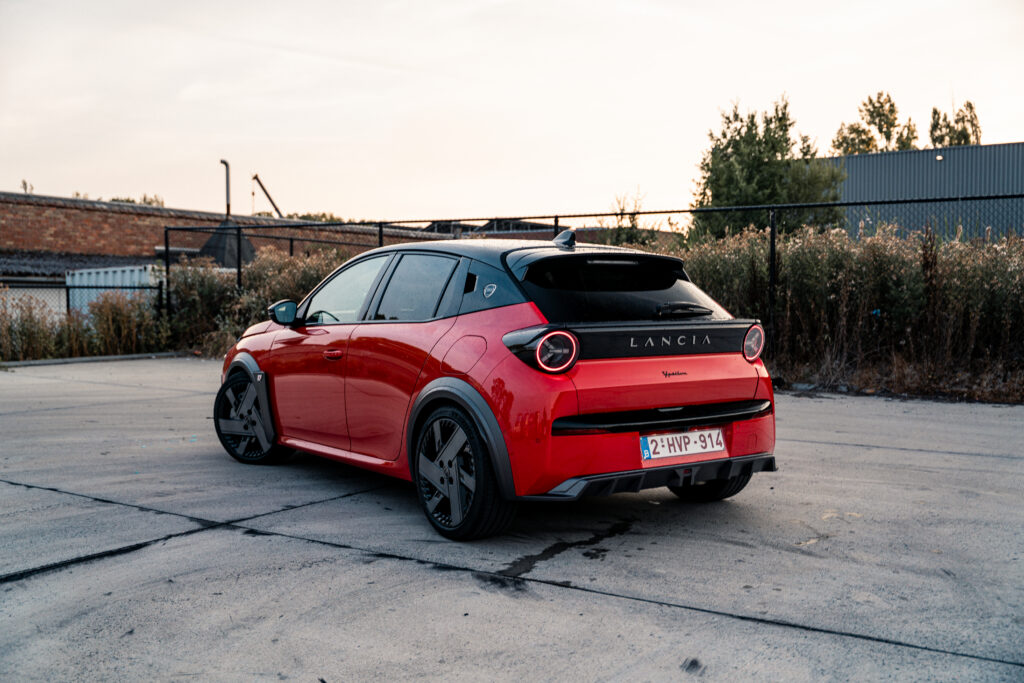
The basic shape remains that of the new Ypsilon, but the HF gets enough changes to completely alter its stance. The wheel arches are wider, the body sits 20 mm lower, the tracks are broader and the 18-inch wheels fill the arches nicely. At the rear, the diffuser adds another sporty touch, while the round lights inspired by the Stratos reinforce the Lancia identity.
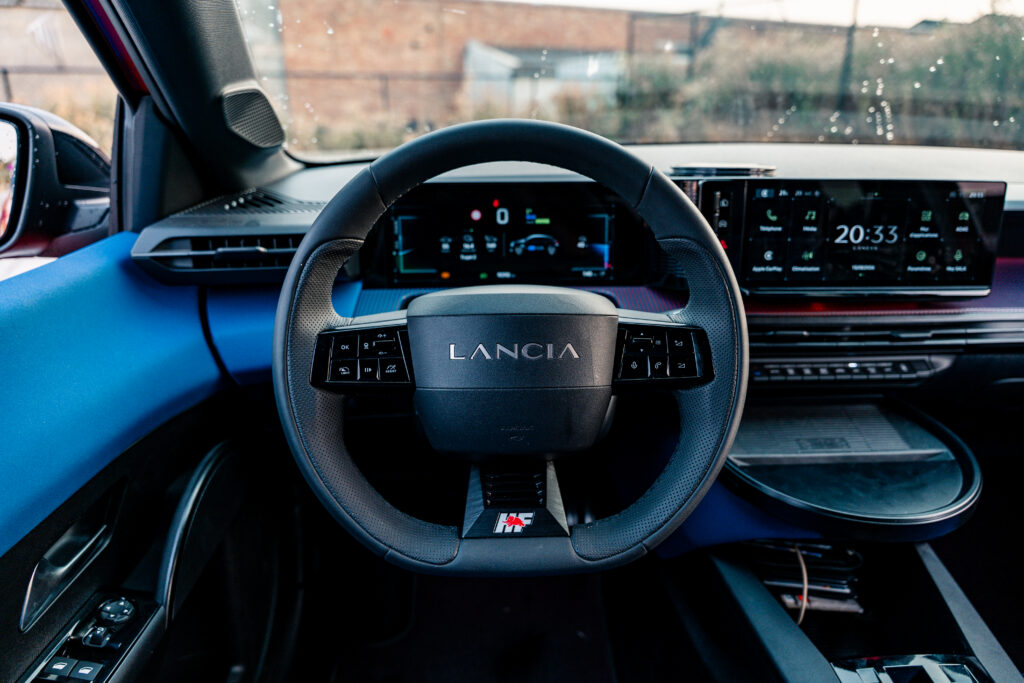
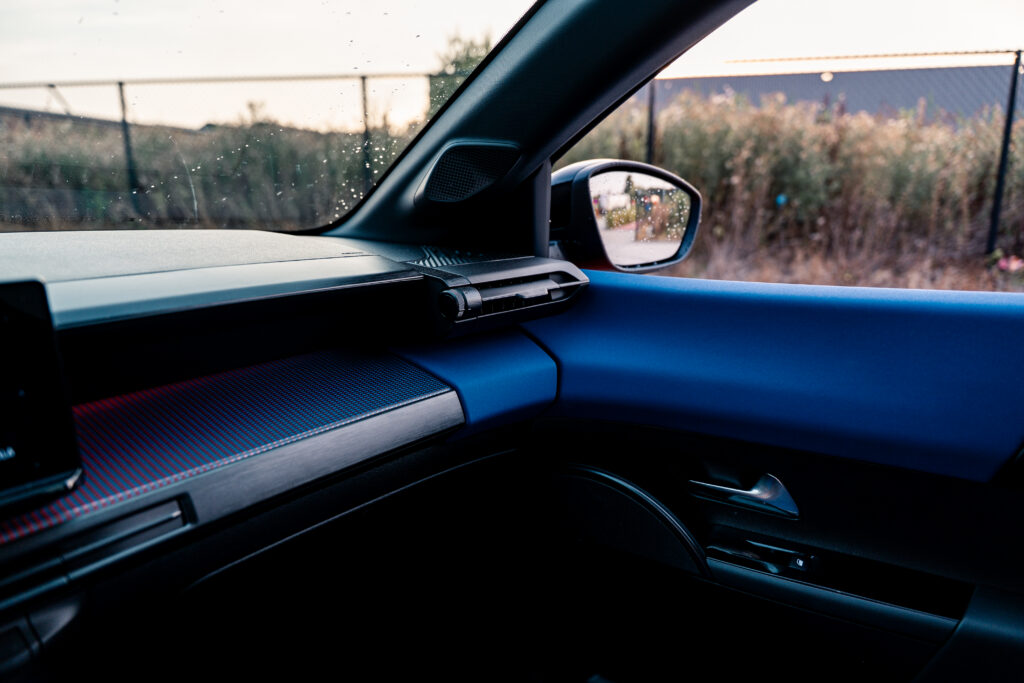
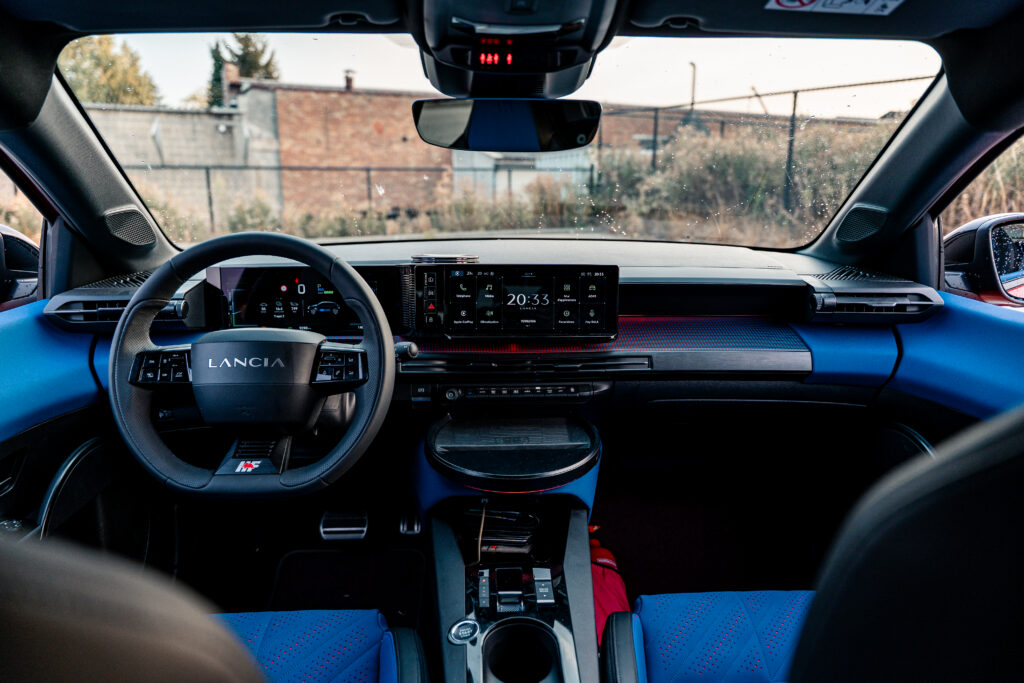
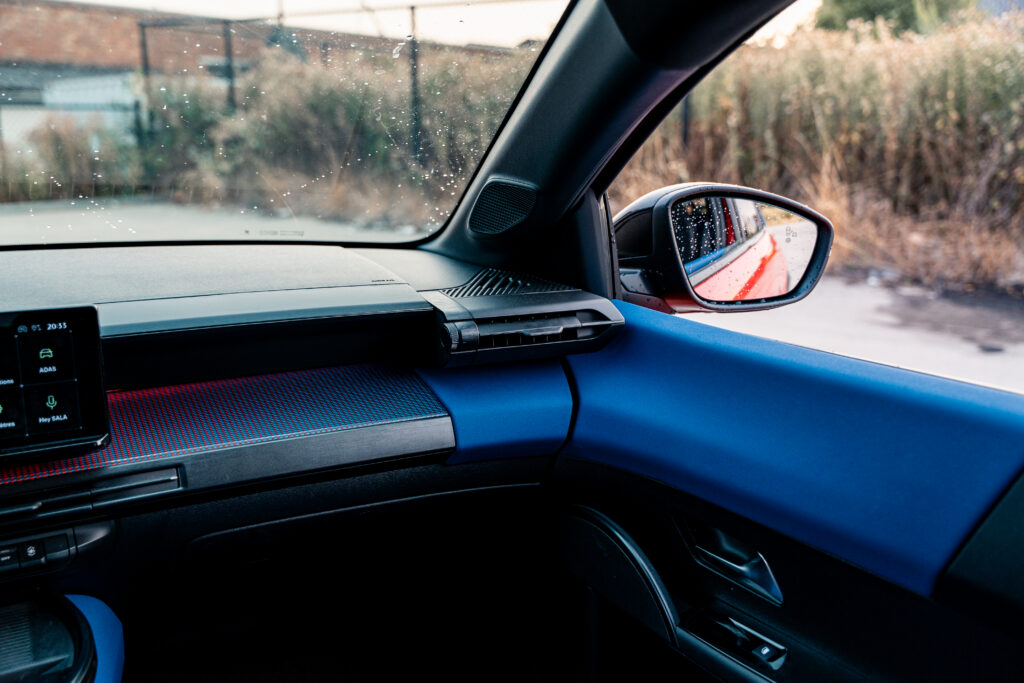
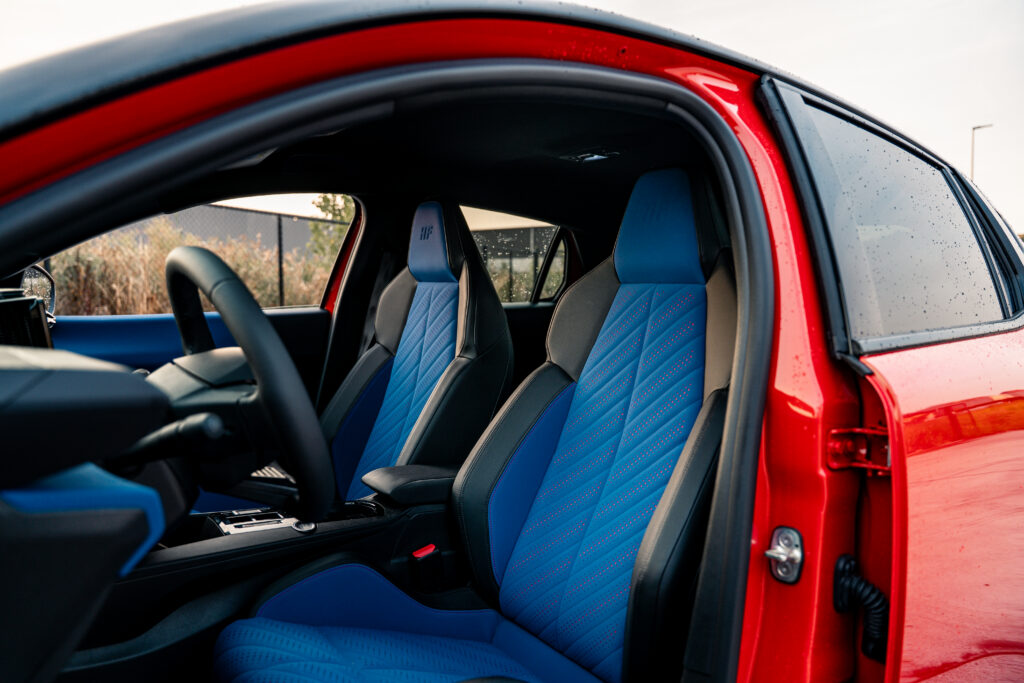
Inside, the black and blue Sabelt bucket seats immediately set the tone. They offer excellent support while remaining comfortable enough for everyday use, and the driving position is one of the first things we appreciated. Blue accents continue across the cabin, while the two 10.25-inch displays handle the digital side. We also like the fact that Lancia has kept physical controls for the climate system and volume, which makes everyday use much easier.
280 hp, but the Torsen Is the Real Star
The Ypsilon HF uses an electric motor producing 280 hp and 345 Nm, sent exclusively through the front wheels. The 0 to 100 km/h sprint takes just 5.6 seconds, and the response is instant. There is no gear change and no waiting for the power to arrive: press the accelerator and the car simply goes.
What surprised us most, however, was not the straight-line performance but the way the car puts its power down. With 280 hp going through the front axle, we expected more wheelspin and more torque steer. In reality, the Ypsilon HF manages its power remarkably well, largely thanks to its mechanical Torsen limited-slip differential. On a winding road, that differential becomes the heart of the driving experience. You turn in, aim for the apex and the front end immediately feels keen to follow. Then, when you get back on the accelerator, the car does not simply push wide. The Torsen helps the front axle find grip and allows you to apply power surprisingly early. You still feel a little movement through the steering wheel under hard acceleration, but rather than making the car unpleasant, it gives it some much-needed character.
On the Road: This Is Where It Comes Alive
A winding road is where the Ypsilon HF makes the most sense. The front end is sharp, the steering has enough weight to inspire confidence and the car reacts quickly when you change direction. The rear axle also plays its part. Lift slightly on corner entry and you can feel it helping the car rotate, without ever becoming intimidating.
That is what makes the HF enjoyable. It is not just fast in a straight line. It actually makes you want to look for the next corner. The chassis has been seriously reworked, with stiffer dampers, stronger anti-roll bars and large 355 mm front brake discs with four-piston callipers. Under hard braking, the stopping power is impressive, although the pedal does not always feel completely natural because of the transition between regenerative and mechanical braking.
The firm setup is also noticeable in town. At low speeds, rough surfaces and speed bumps make their way into the cabin quite clearly. Interestingly, the suspension feels better as speed increases. This is a car that clearly prefers being driven.
An Electric GTI With a Different Kind of Character
The biggest adjustment is still the lack of sound. You accelerate hard and the speed builds quickly, but there is no rising engine note or gearshift to accompany it. At first, the car can almost feel slower than it really is. Then you look at the speedometer.
Thankfully, the chassis compensates for much of that missing mechanical drama. The way the front end works, the Torsen differential and the reactions through the steering wheel keep the driver involved. After a few kilometres on a good road, you stop thinking about the fact that it is electric and start focusing on the way it drives. That is probably the biggest compliment we can give it.
Range and Everyday Use
The battery offers around 51 kWh of usable capacity, with official range sitting between roughly 370 and 417 km WLTP, depending on the tyres fitted. In normal use, that is enough for everyday driving. But once you start making proper use of those 280 hp, consumption rises quickly.
That is perhaps the biggest contradiction of the Ypsilon HF. It constantly encourages you to accelerate earlier and take the longer, twistier road, but those are exactly the conditions that reduce range the most. DC fast charging is limited to 100 kW, with around 24 minutes required to go from 20 to 80 percent.
The HF also remains a small Ypsilon underneath all the performance hardware. Its compact dimensions make it easy to use in town, but rear-seat space and boot capacity remain fairly limited.
Conclusion : A Real HF After All
Bringing the HF badge back on an electric car could easily have turned into nothing more than a marketing exercise. But once you get behind the wheel, it quickly becomes clear that Lancia has genuinely worked on the driving experience.
What stays with us most is not really the 0 to 100 km/h time. It is the way the front end bites into corners, the way the Torsen lets you get back on the power early and the small reactions through the steering wheel that make the car feel alive. Of course, it lacks the sound and mechanical character of the great performance Lancias of the past, but it has something just as important: it makes you want to drive.
And in the end, that is exactly what the HF badge should still mean.
The Pros
- 280 hp in a small hatchback
- Highly effective Torsen differential
- Sharp front end
- Excellent traction
- Genuinely sporty chassis
- Excellent driving position
- Very good Sabelt seats
- Strong personality behind the wheel
The Cons
- Firm ride at low speeds
- Limited range when driven hard
- DC fast charging limited to 100 kW
- Brake pedal could feel more natural
- Limited rear-seat space
- Less mechanical drama than a traditional hot hatch
Photo credits: © Stefan Caliman / GUS Magazine. All rights reserved.