Test Drive – Jeep Compass 2026 : More Modern, More Electric, but Still a Jeep
 Jean-Pierre Ndu
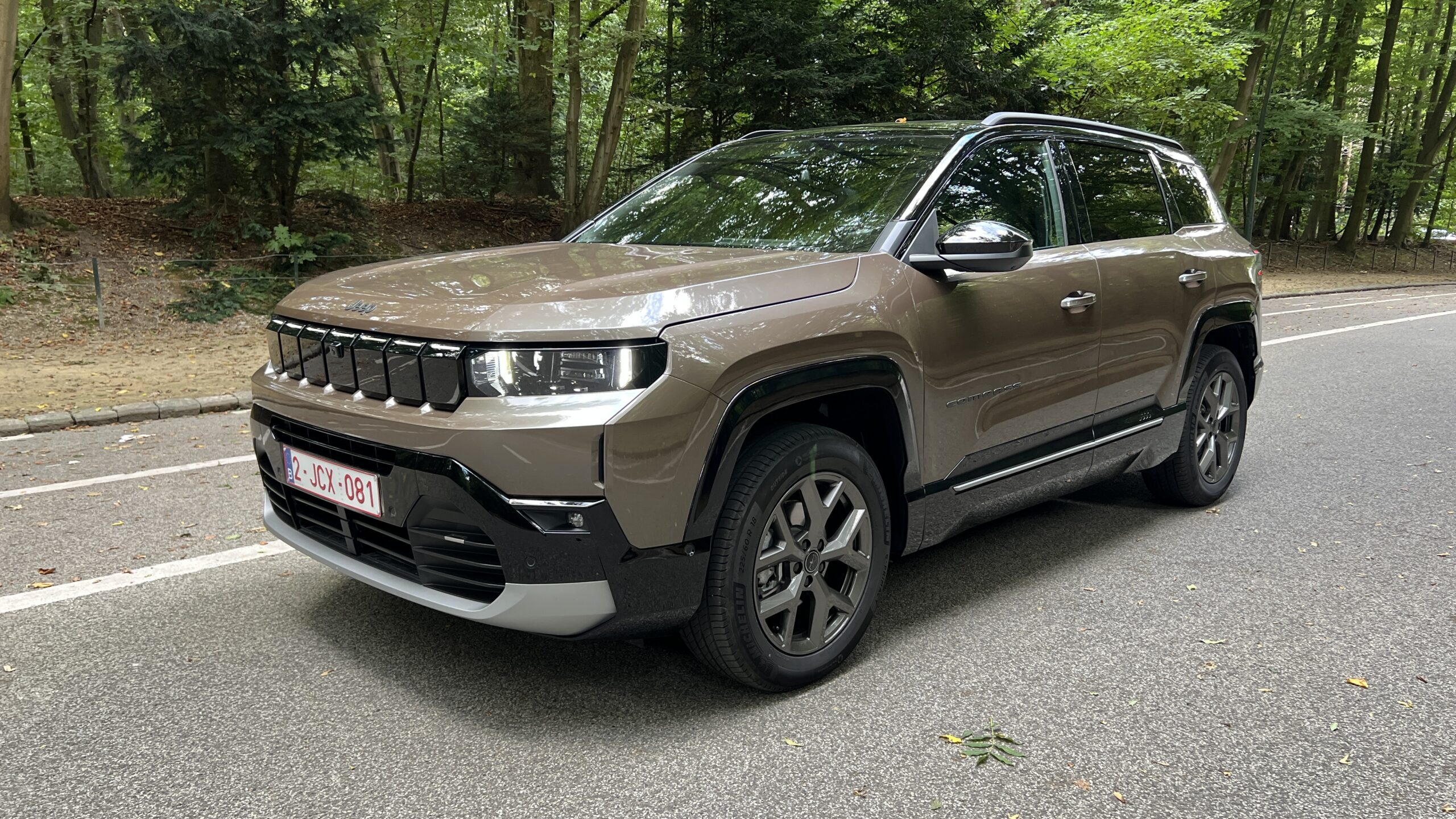
The Jeep Compass changes almost everything for 2026. It is larger, more technological and now available with several electrified powertrains, all built on a completely new platform. From the first few kilometres, though, what matters most is whether it still feels like a Jeep rather than simply another SUV from the Stellantis family.
That question stayed with us throughout the drive. In town, on faster roads and when the surface became rougher, the new Compass constantly tries to balance two personalities: a comfortable everyday SUV and something that still carries a little of Jeep’s adventurous spirit.
Design: Bigger, but Still Recognisable
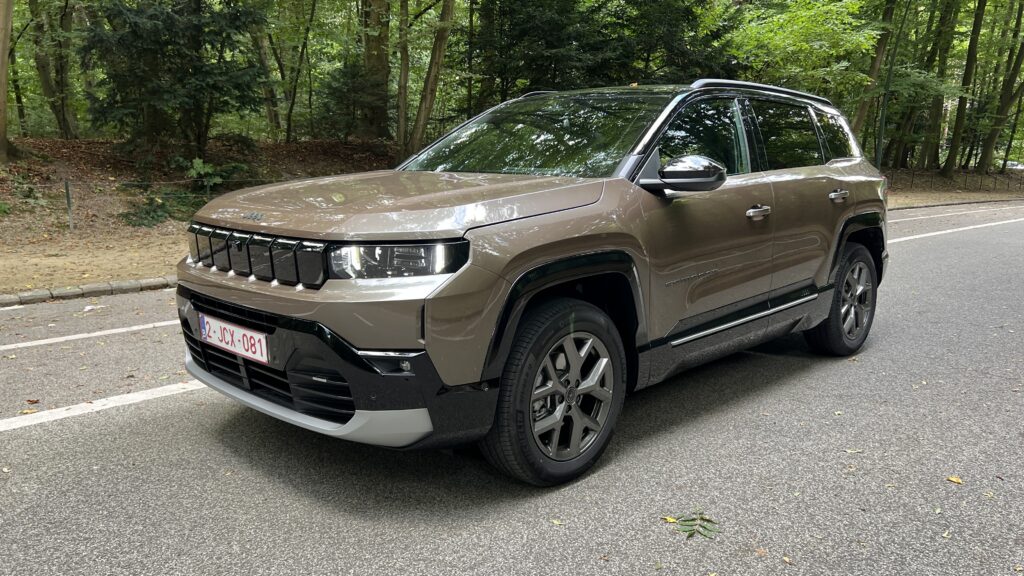
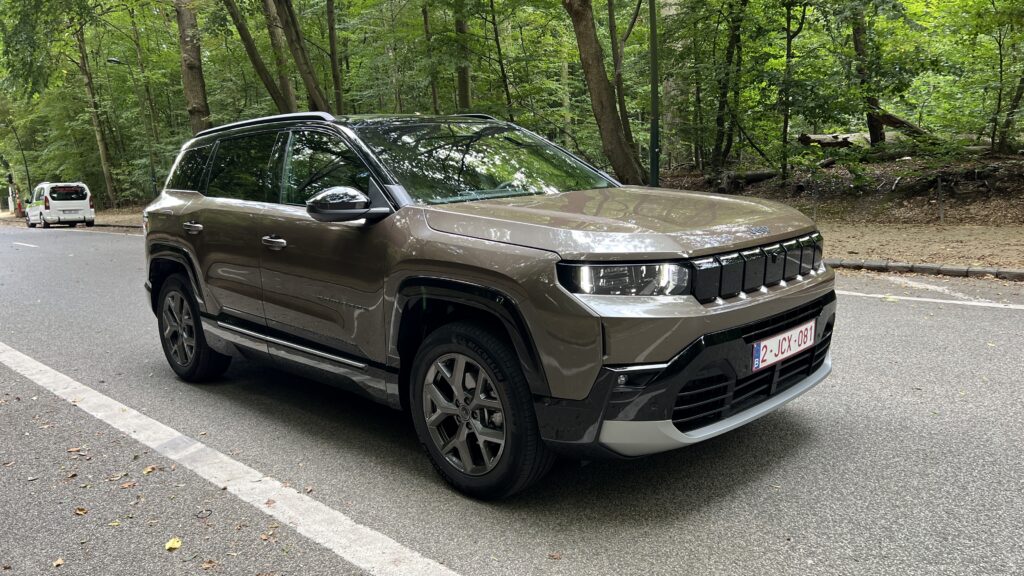
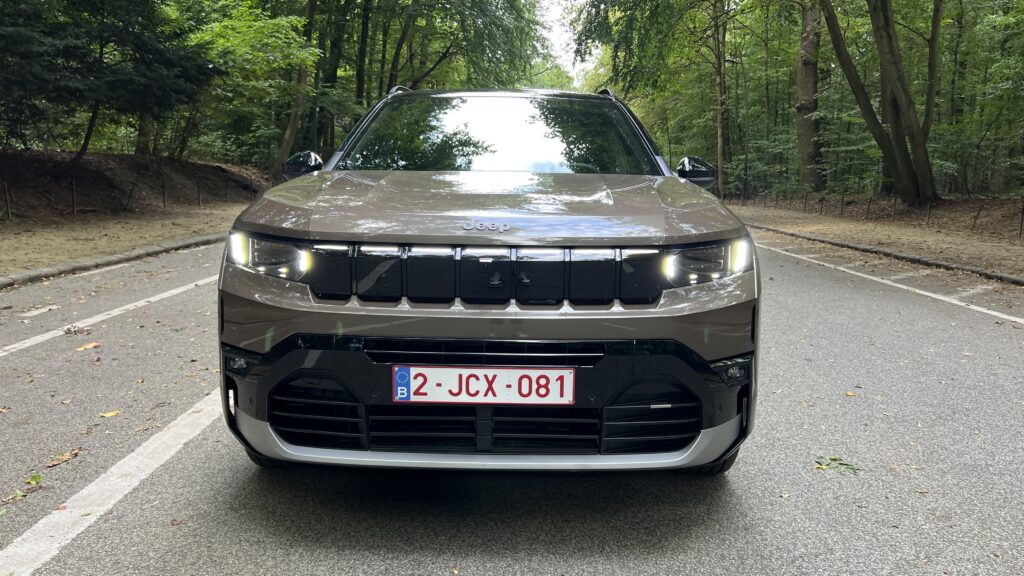
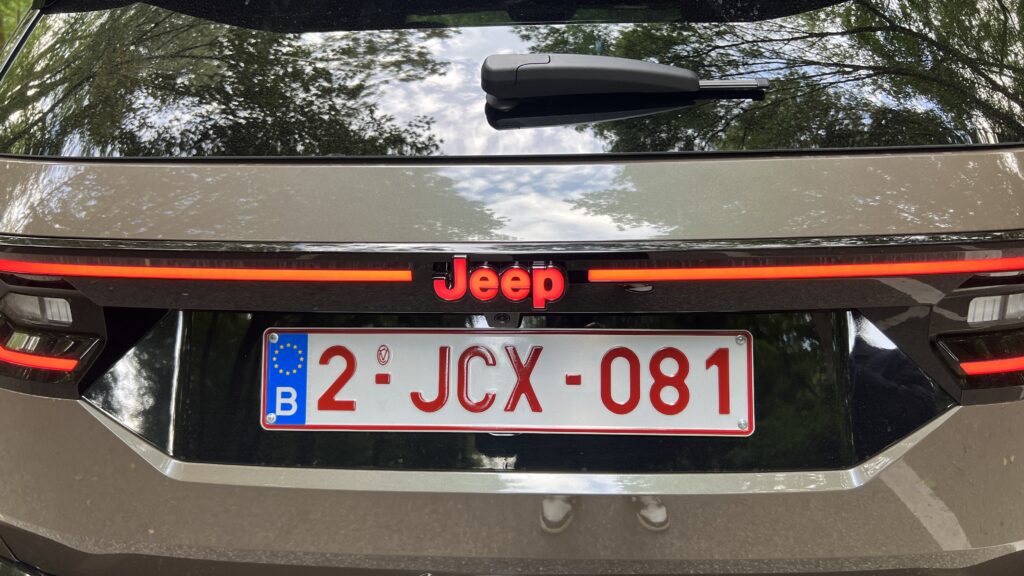
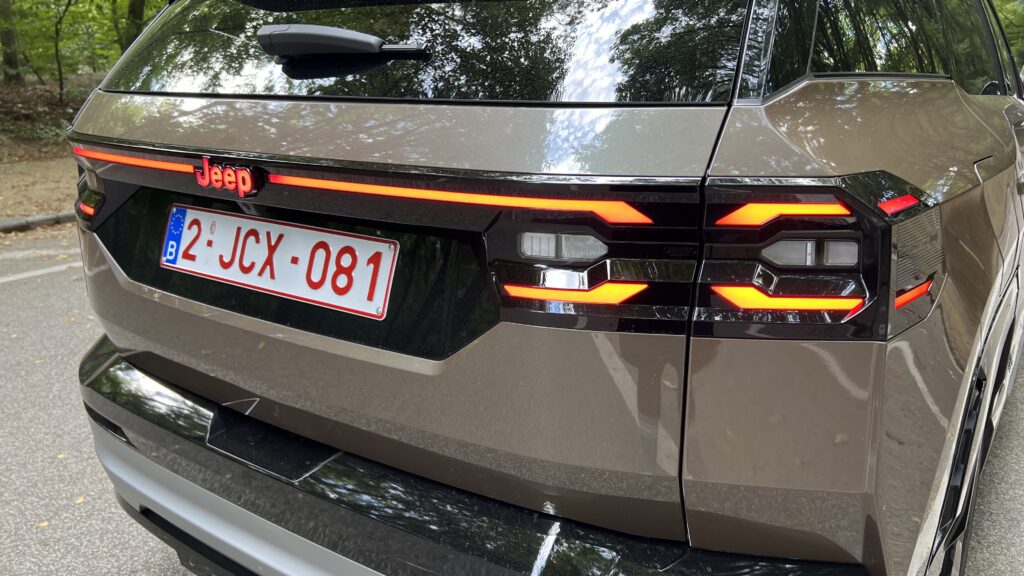
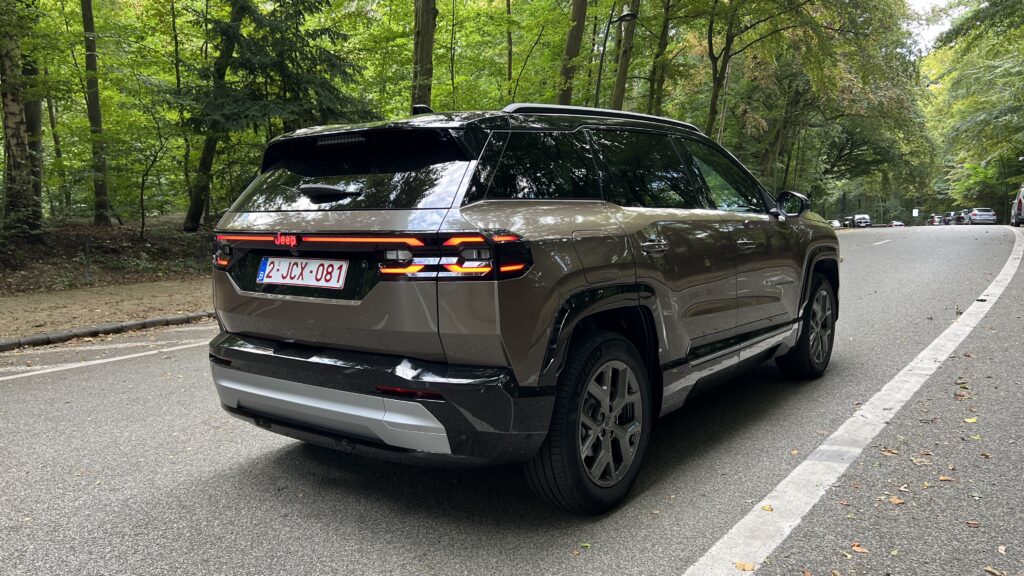
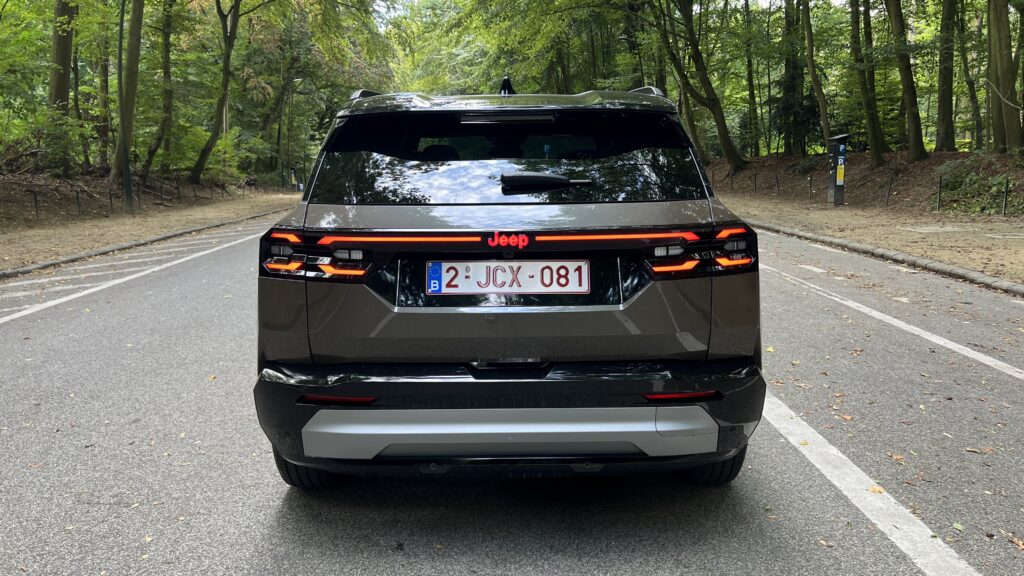
The Compass has clearly grown. At around 4.55 metres long, this new generation is more than 14 cm longer than before and also benefits from a significantly longer wheelbase. Yet the design remains instantly recognisable, with a more angular body, rugged wheel-arch protection and the famous seven-slot Jeep grille, now largely closed for better aerodynamics.
Behind the wheel, the extra size is noticeable without making the car feel oversized. The high bonnet and elevated driving position give you that familiar SUV confidence, while the squared-off design makes the car surprisingly easy to place on the road. In a city car park it still behaves like a modern family SUV, but once the road narrows or the surface deteriorates, the Compass immediately feels more at home than many softer-looking crossovers.
Interior : More Space, More Practicality
The increase in exterior dimensions directly benefits passengers. There is more legroom in the rear, while the extra width makes longer journeys with several occupants easier. Boot capacity has also increased to around 550 litres, making the Compass noticeably more practical than before.
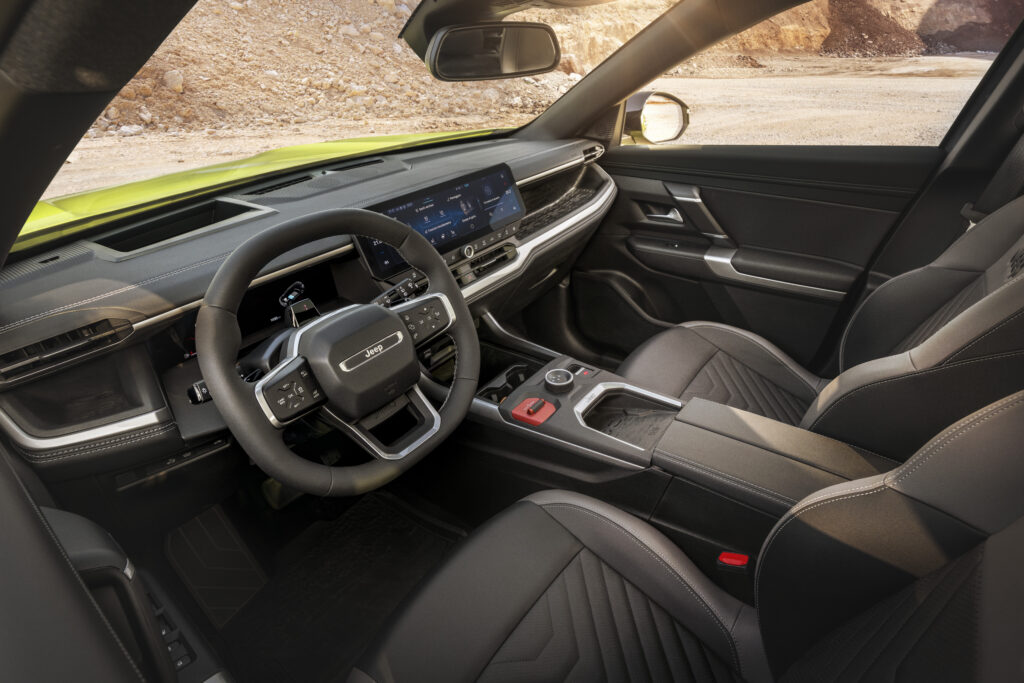
From the driver’s seat, the cabin feels spacious rather than luxurious. The large 16-inch central touchscreen dominates the dashboard, alongside a 10.25-inch digital instrument display. Some materials remain quite basic, but the slightly tougher presentation actually fits the character of the car.
We also liked the number of useful storage areas and the fact that Jeep has kept physical shortcuts for some important functions. That matters more than it sounds when you are actually driving. The infotainment system can still feel a little slow, but once the main shortcuts are set up, the cabin becomes much easier to live with.
Powertrains: Jeep Gets Serious About Electric
The new Compass offers several levels of electrification. The electric Standard Range version combines a motor producing around 213 hp with a battery of roughly 75 kWh, offering close to 500 km of range. The Long Range version increases output to 231 hp and uses a 96 kWh battery, with up to around 675 km WLTP.
That larger battery changes the way you approach the car. On a longer journey, you spend far less time thinking about where the next charging stop might be. You simply settle into the drive, use the space and comfort, and let the kilometres pass.
The most interesting version is naturally the Compass 4xe. The new electric 4xe uses two motors and all-wheel drive, with a combined output of 375 hp. More importantly, the rear motor was developed specifically for Jeep and works with a reduction gear designed to deliver huge amounts of torque at the rear wheels.
On the road, that extra performance is effortless rather than dramatic. Acceleration is strong, overtaking is easy and there is always enough power in reserve. But the real value of the system appears when grip becomes less predictable.
On the Road: Comfortable, Calm and Easy to Trust
The Compass does not try to be the sportiest SUV in its class, and after some time behind the wheel, that feels like the right decision.
The steering is fairly light, but it makes the car easy to place in town and relaxed on the motorway. On faster roads, the Compass stays stable and composed, without constantly encouraging you to push harder.
That is something we appreciated during longer stretches. You sit high, the cabin feels open, road noise is well controlled and the whole car settles into a relaxed rhythm. It is the kind of SUV that makes a long journey feel easier than expected.
On more winding roads, you start to feel the weight and the steering remains quite light, but the Compass never feels clumsy. It prefers smooth inputs and flowing roads rather than aggressive driving, and once you understand that, it becomes an easy car to enjoy.
Off the Beaten Track: Where the Character Changes
Leaving the tarmac gives the Compass a completely different personality.
The 4xe benefits from increased ground clearance, specific suspension tuning and the ability to drive through around 48 cm of water. Approach and departure angles have also been improved, while the Selec-Terrain system adapts the power delivery depending on the surface.
What impressed us most is how little drama there is.
On loose ground or a rough track, the car simply finds grip and moves forward. You can feel the electronics constantly working in the background, but they never make the experience feel complicated.
You quickly gain confidence and start choosing lines that you probably would not attempt in a conventional family SUV. The silence of the electric drivetrain makes the whole experience feel even more unusual: no engine noise, no sudden revs, just torque arriving instantly and the car pulling itself through.
It is obviously not a Wrangler, but it feels considerably more capable than the average SUV wearing rugged body cladding.
A Jeep Born Within Stellantis
The new Compass is based on the STLA Medium platform, also used by the Peugeot 3008 and 5008, Citroën C5 Aircross and Opel Grandland.
You can feel some of that shared DNA in the infotainment system and general architecture, but behind the wheel the Compass still manages to have its own personality.
The driving position, suspension tuning, off-road modes and especially the 4xe system all help separate it from its relatives. That became clearer the longer we drove it.
Sharing a platform does not necessarily mean sharing a character.
Conclusion: Still Heading in the Right Direction
The new Jeep Compass has evolved significantly. It is larger, more spacious, more technological and far more serious as an electric SUV.
What we appreciated most was not a single technical feature, but the way the car adapts. In town it is easy to manage, on the motorway it becomes a comfortable long-distance companion, and when the surface changes, it suddenly feels much more capable than most family SUVs.
In Long Range form, the claimed autonomy makes longer journeys much easier to consider, while in 4xe specification, the all-wheel-drive system gives the Jeep badge real meaning.
There are still a few areas that could be improved, especially the infotainment system and some interior materials. But after spending time behind the wheel, the new Compass feels less like a Stellantis product wearing a Jeep badge and more like a Jeep that has learned how to live in the electric era.
You can use it all week in town, head away for the weekend and, if the road ends, keep going.
And ultimately, that is probably exactly what a Compass should still be able to do.
The Pros
- Up to around 675 km of range
- Very good passenger space
- Larger boot
- Comfortable on long journeys
The Cons
- Infotainment system can still feel slow
- No sliding rear bench
- Electric versions are heavy
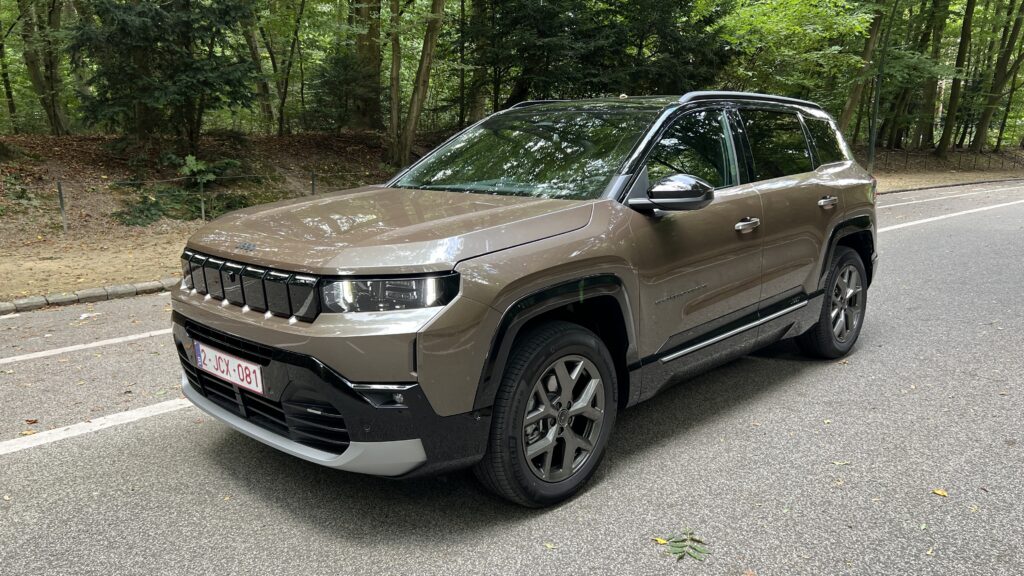
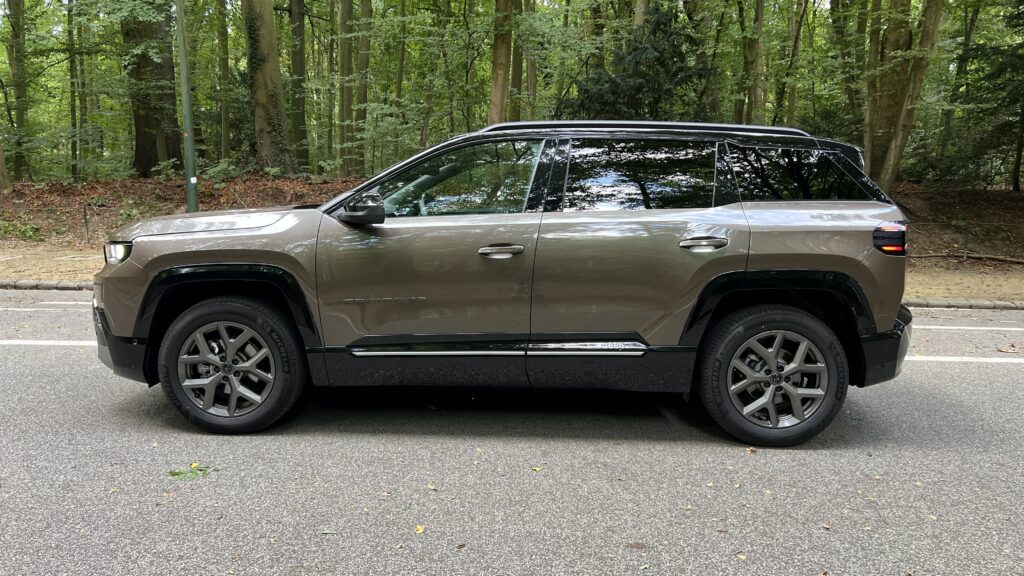
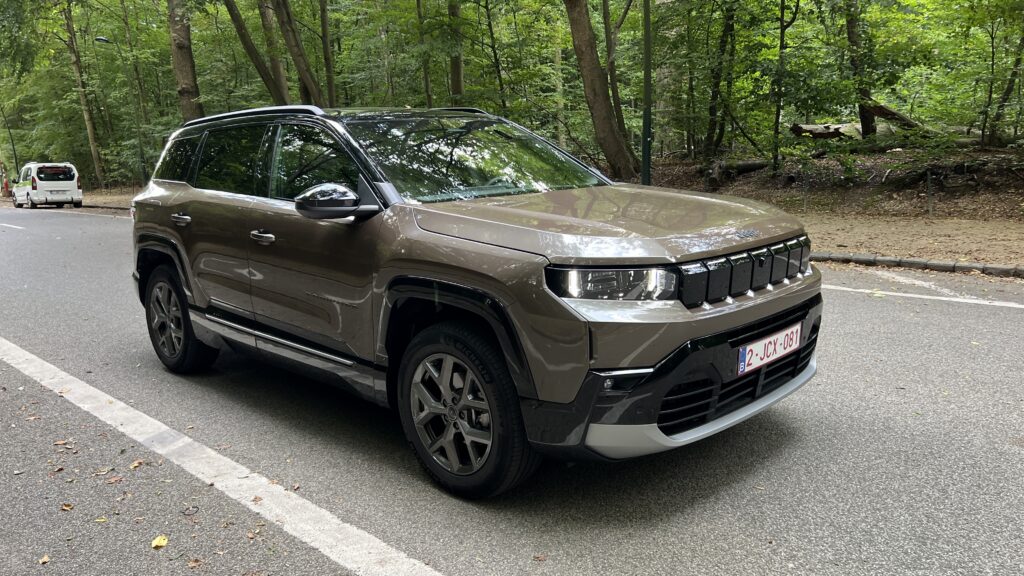
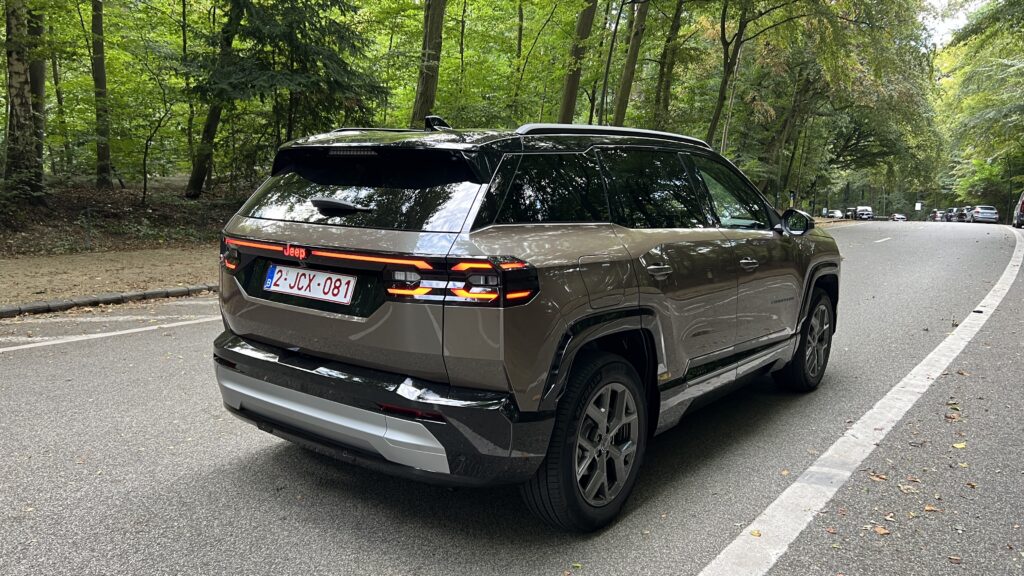
Photo credits: © Jean-Pierre Ndu / GUS Magazine. All rights reserved.