Geoffrey Bawa at Vitra Design Museum: Architecture for the Senses
 Iker
Iker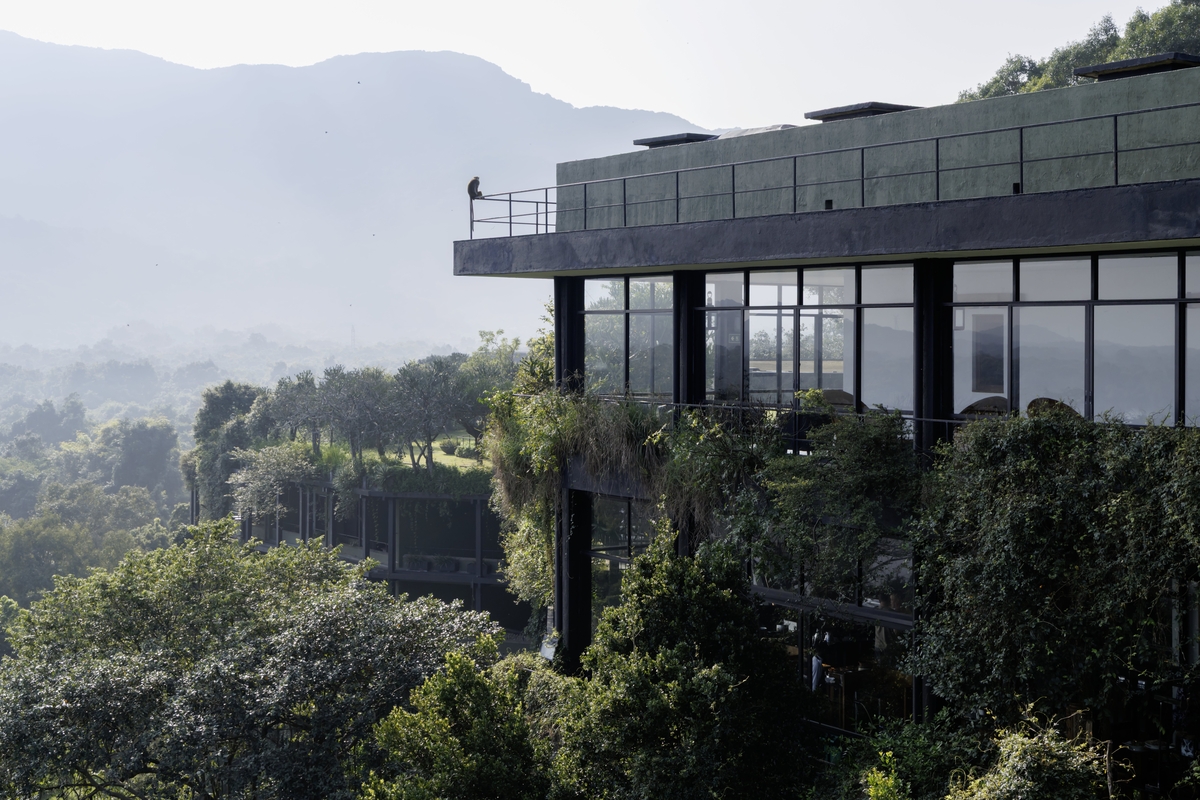
Few architects have understood the relationship between buildings, landscape and human emotion as intuitively as Geoffrey Bawa. From 26 September 2026, the Vitra Design Museum celebrates the Sri Lankan architect with Geoffrey Bawa: Architecture for the Senses, the first major retrospective devoted to his work.
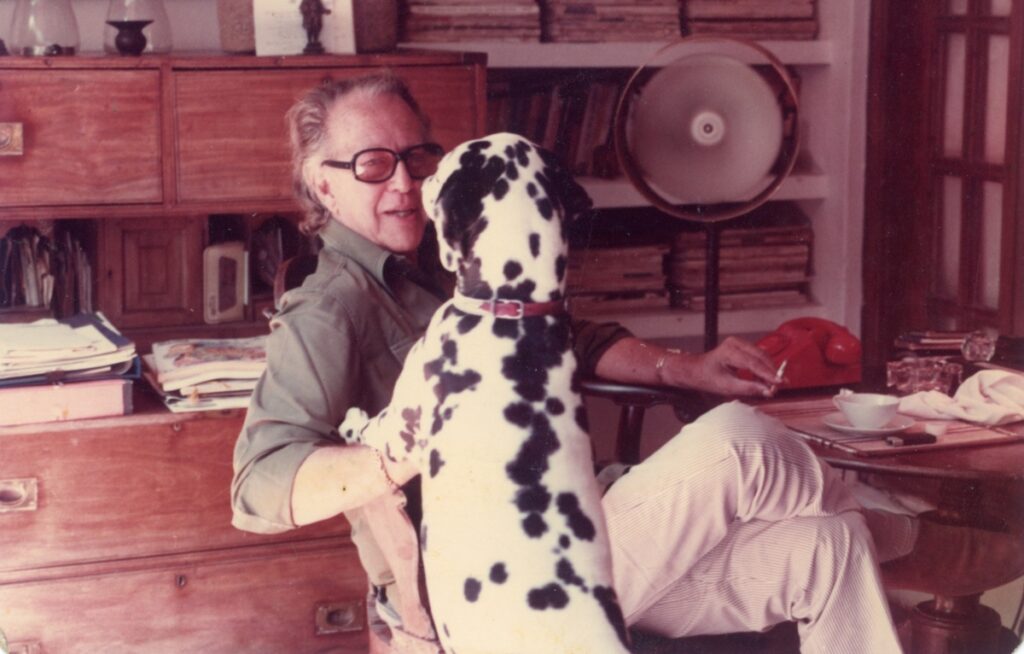
Bawa with one of his four dogs named Leopold, c. 1989
© Geoffrey Bawa and Lunuganga Trusts,
all rights reserved / Vitra Design Museum
Born in Sri Lanka in 1919, Bawa initially trained as a lawyer before turning to architecture and graduating from the Architectural Association in London in 1957. This late beginning did not prevent him from becoming one of the most influential architects in twentieth century Asia. Over five decades, he completed more than 200 projects, ranging from private houses and schools to hotels, factories and Sri Lanka’s parliament.
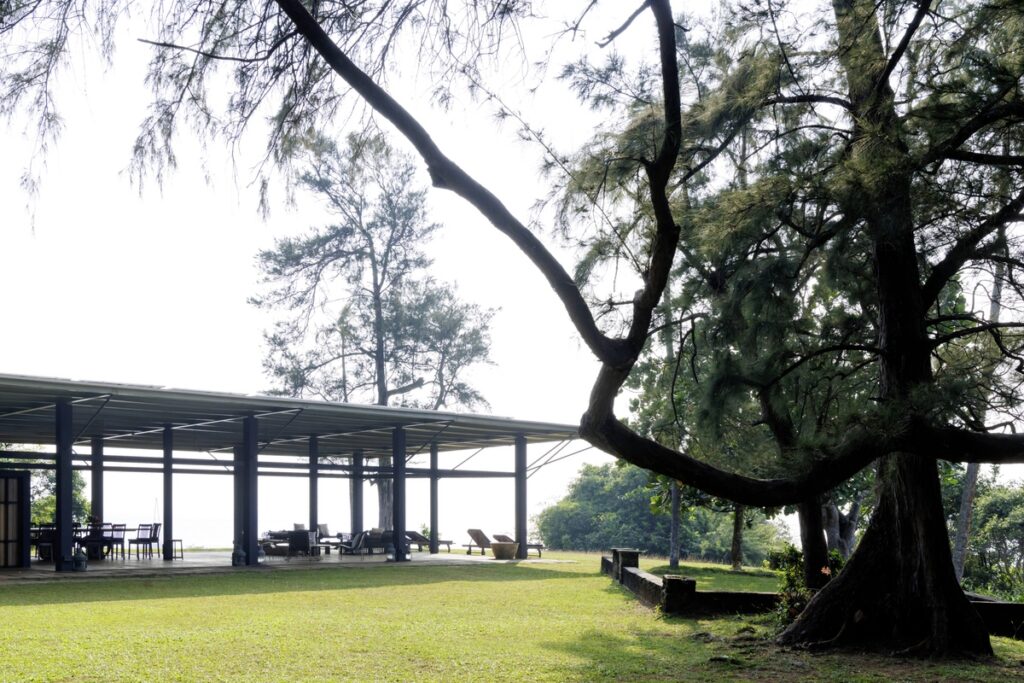
Jayewardene, Mirissa, Sri Lanka.
Photo: Iwan Baan, 2026, © Iwan
Baan
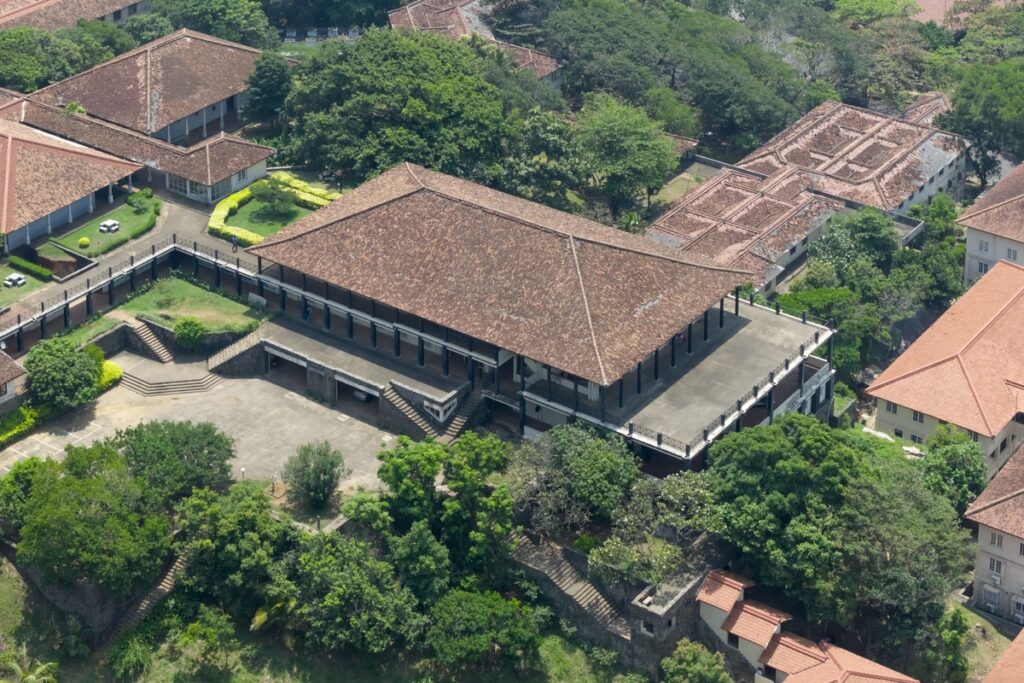
Aerial view, University of Ruhuna,
Matara, Sri Lanka. Photo: Iwan Baan,
2026, © Iwan Baan
Often described as a pioneer of Tropical Modernism, Bawa developed an architectural language in which modernist principles meet local materials, craftsmanship and the natural environment. Yet his work is too rich to be contained within a single label. Buildings such as the Bentota Beach Hotel, the Kandalama Hotel and his own garden estate, Lunuganga, were conceived as experiences rather than isolated objects.
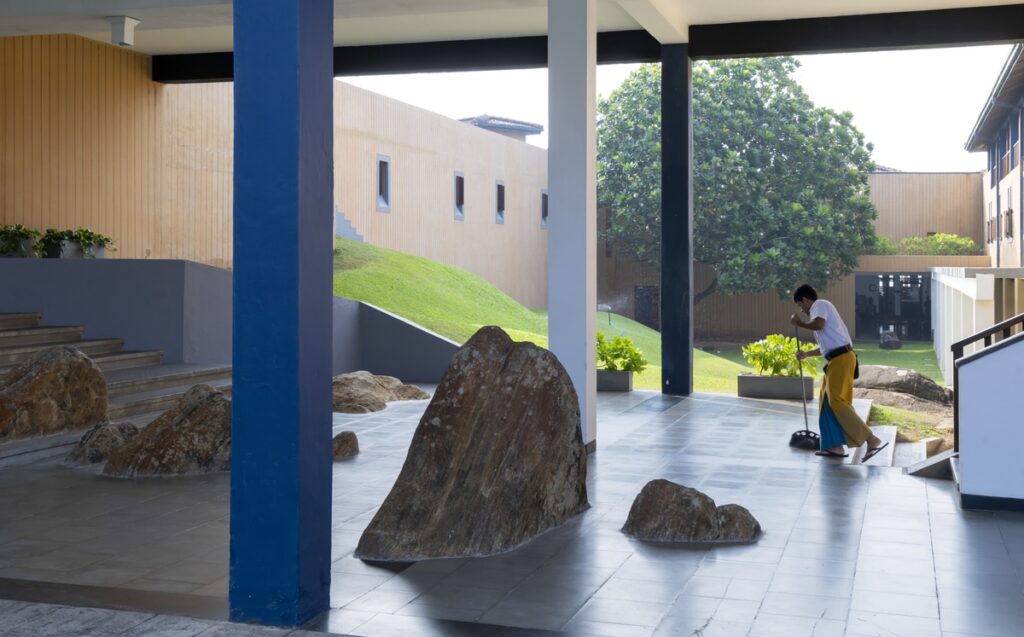
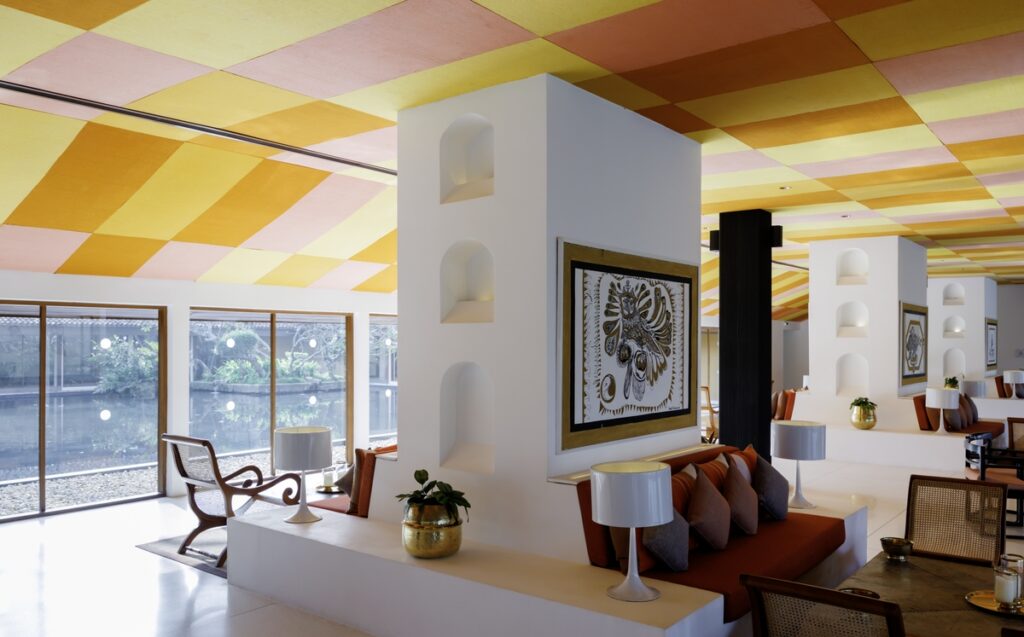
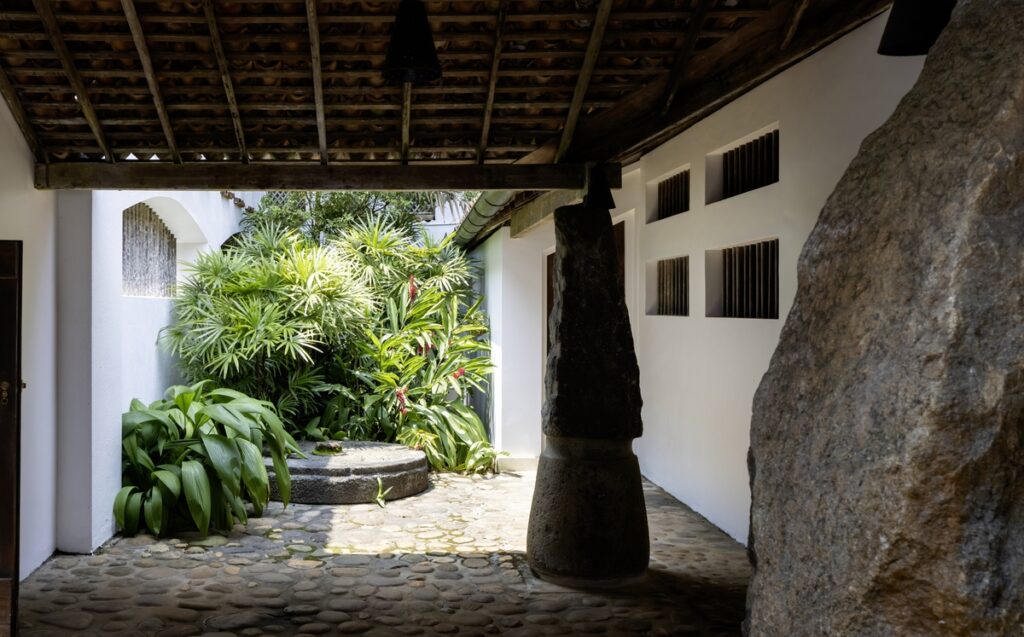
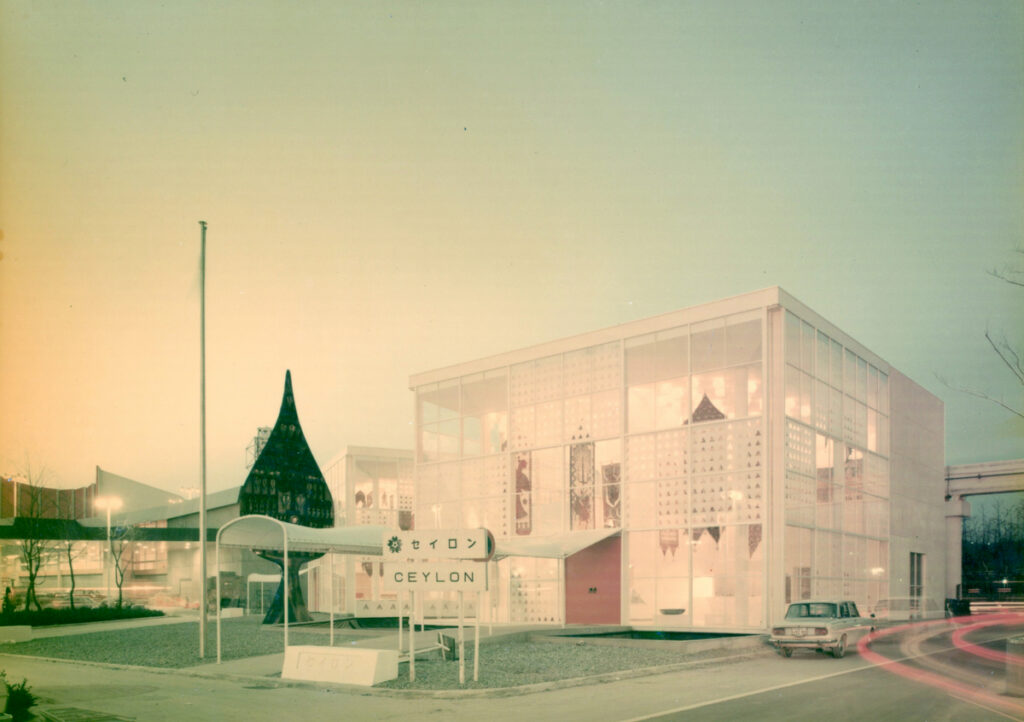
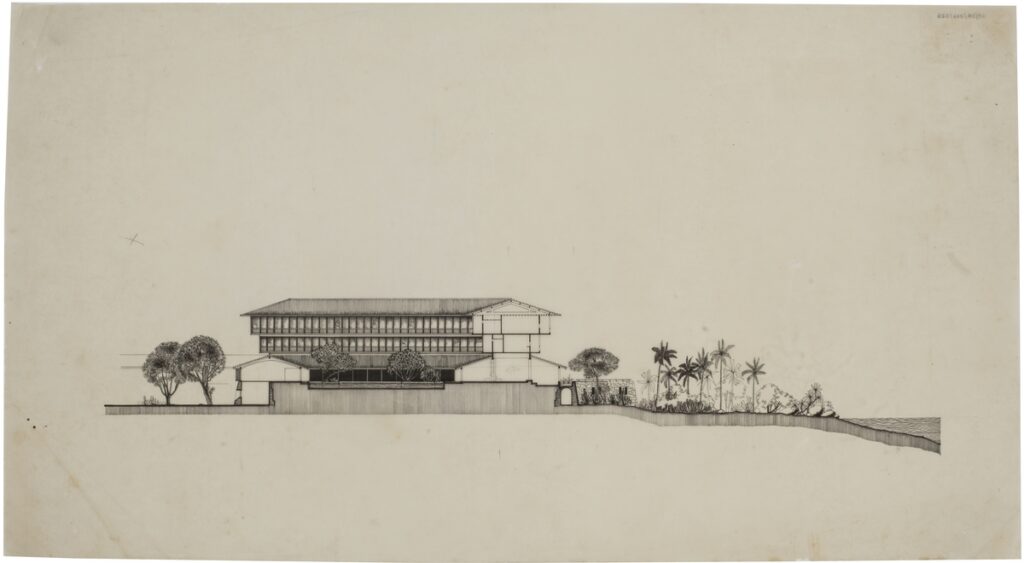
For Bawa, architecture was something to be felt. Rooms open onto courtyards, existing trees become part of the structure and changes in light, temperature and perspective guide visitors through the building. His projects respond to the contours of the land, creating a constant dialogue between interior and exterior.
The exhibition brings together more than 250 drawings, models, pieces of furniture, photographs, artworks and historic films. Newly commissioned images by architectural photographer Iwan Baan reveal how Bawa’s buildings continue to evolve through everyday use. A scenography by Lebanese architect Lina Ghotmeh transforms the museum into an immersive environment inspired by the sensory qualities of his work.
The show also highlights Bawa’s collaborations with Sri Lankan artists and craftspeople, including Ena de Silva, Laki Senanayake and Barbara Sansoni. Their textiles, batik panels and sculptures were never treated as simple decoration. They formed an essential part of spaces where architecture, art and design become inseparable.
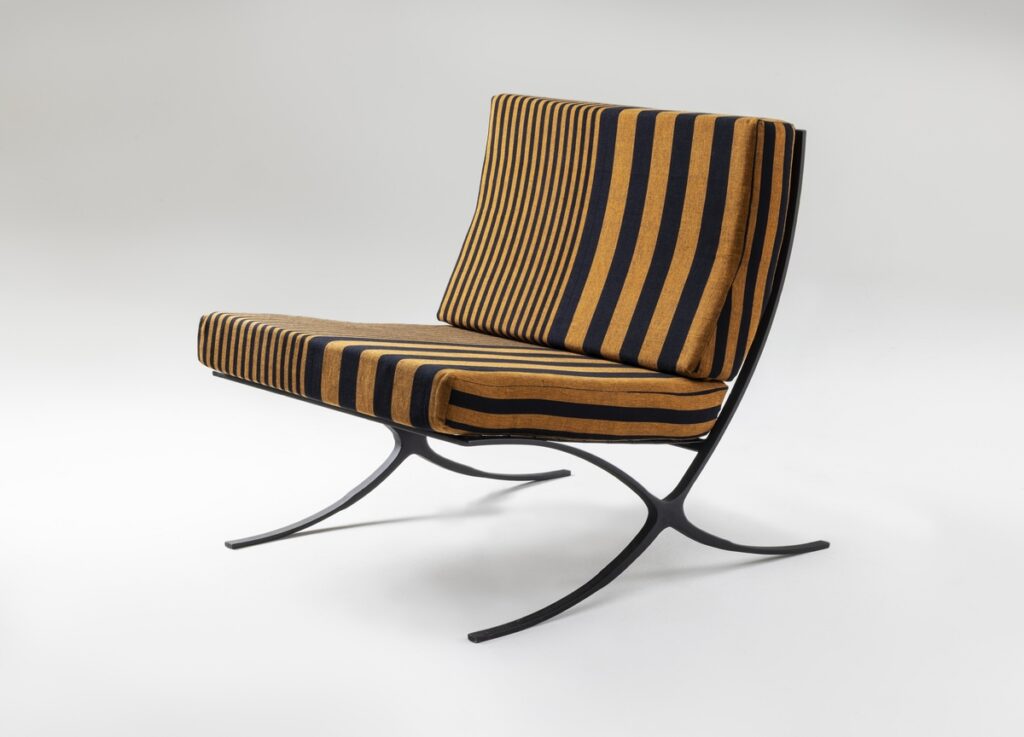
mesh frame upholstered in Barefoot
“Jak and Ebony” fabric by Barbara
Sansoni, c. 1957. Photo: Andreas
Sütterlin, 2026
© Geoffrey Bawa and Lunuganga
Trusts, all rights reserved / Vitra
Design Museum
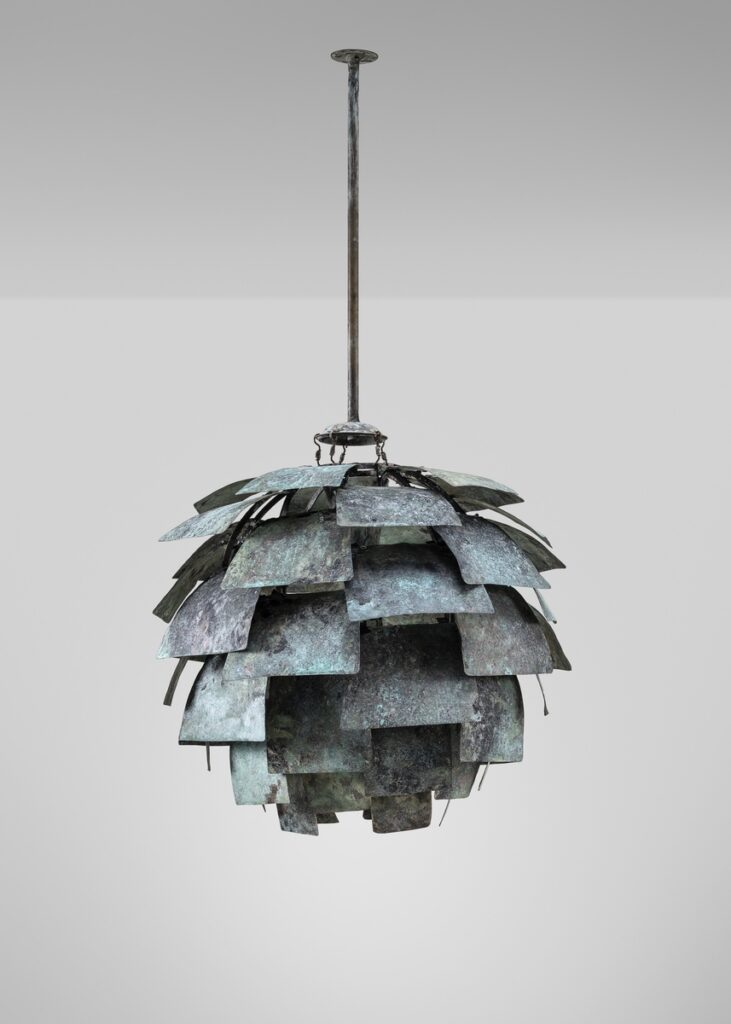
copper, c. 1960. Photo: Andreas
Sütterlin, 2026
© Geoffrey Bawa and Lunuganga
Trusts, all rights reserved / Vitra Design
Museum
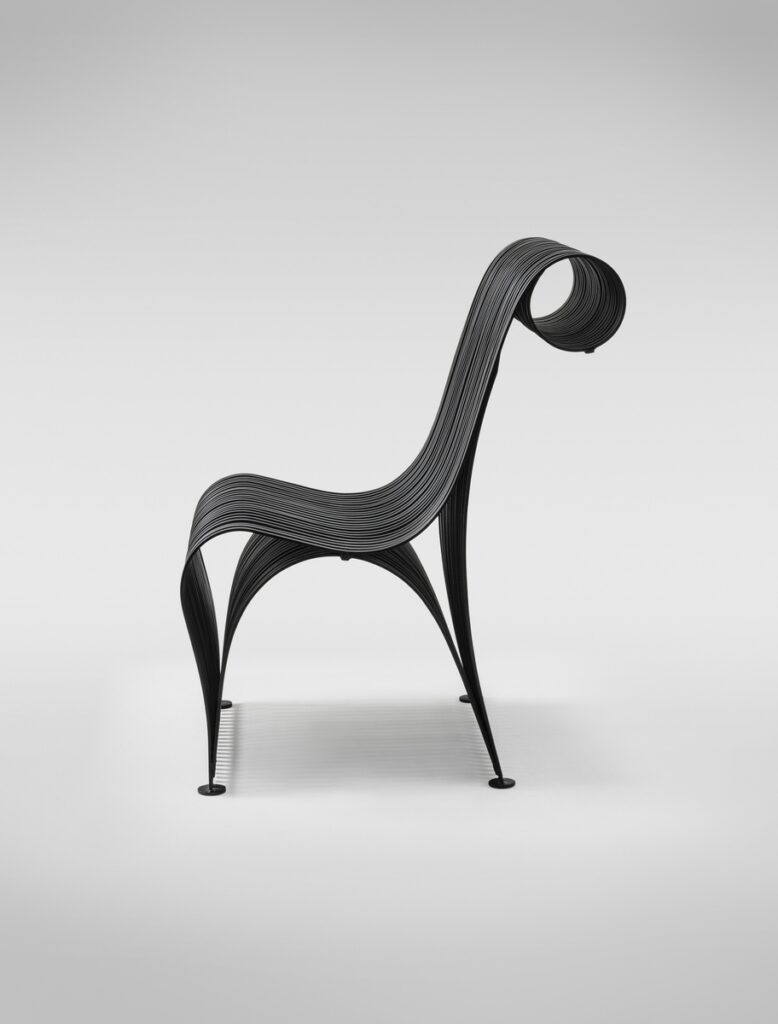
wrought iron coated in black
epoxy, c. 1990. Photo: Andreas Sütterlin, 2026
© Geoffrey Bawa and
Lunuganga Trusts, all rights reserved / Vitra Design Museum
At a time when architecture is reconsidering its relationship with ecology, place and local communities, Bawa’s approach feels remarkably contemporary. His buildings remind us that modernity does not have to erase identity and that sustainability can begin with a careful understanding of climate, culture and landscape.
26 September 2026 to 28 February 2027
Vitra Design Museum
Charles Eames Strasse 2
79576 Weil am Rhein, Germany
www.design-museum.de