
Finding North with the Bell & Ross BR-03 GMT Compass
 Iker
Iker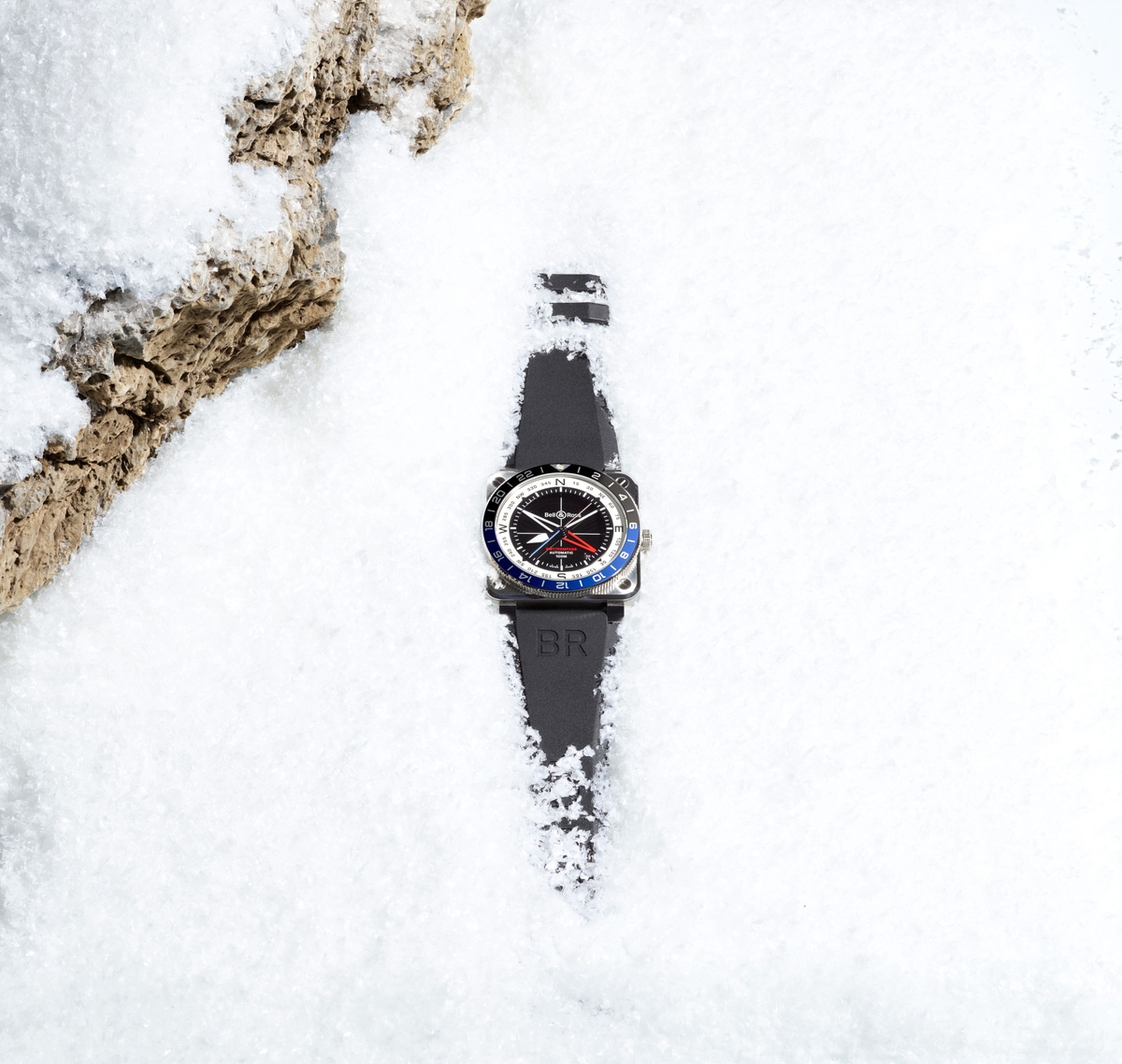
Knowing where you stand can be more grounding than knowing where you are going. Orientation, in this sense, is not about ambition or distance, but about awareness. A steady relationship between body, time, and place. It is the difference between moving through the day and actually inhabiting it.

In a world shaped by constant prompts and automated guidance, choosing to navigate deliberately has become a quiet discipline. It shows up in small, intentional habits. Walking a city instead of tracking it. Packing only what earns its place. Relying on tools that ask for attention rather than remove it.

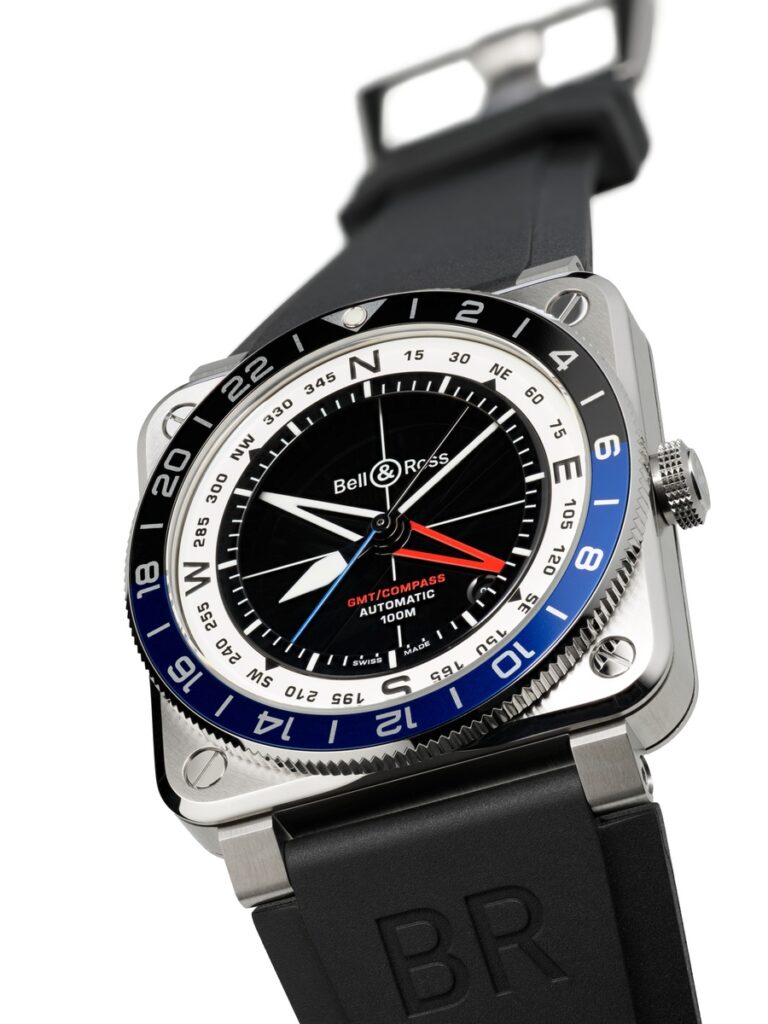
The compass has never been about speed. It does not optimise or anticipate. It asks you to notice the sun, the light, the progression of hours. It places you inside your surroundings instead of abstracting them. That logic carries into objects like the Bell & Ross BR-03 GMT Compass, not as a symbol of adventure, but as an instrument for presence.
Wearing a watch designed around direction subtly recalibrates time. You check it less compulsively. You sense morning slipping into afternoon. You remain aware of where you are, and where you are returning to. Travel becomes less about movement and more about alignment, an internal rhythm meeting external geography.

This matters now because constant connection has left many people oddly disoriented. Contemporary luxury is not access, but clarity. Not more destinations, but a stronger sense of position. Objects that support this way of living do not perform or signal. They operate quietly, built to be used rather than displayed.
Living well today means knowing when to move, when to stay, and how to read the space in between. Finding north, even on familiar ground, is an act of intention. And intention is what gives modern life its quiet depth.