A Tighter Fair, A Sharper Gaze: Inside Art Brussels 2026
 Frederick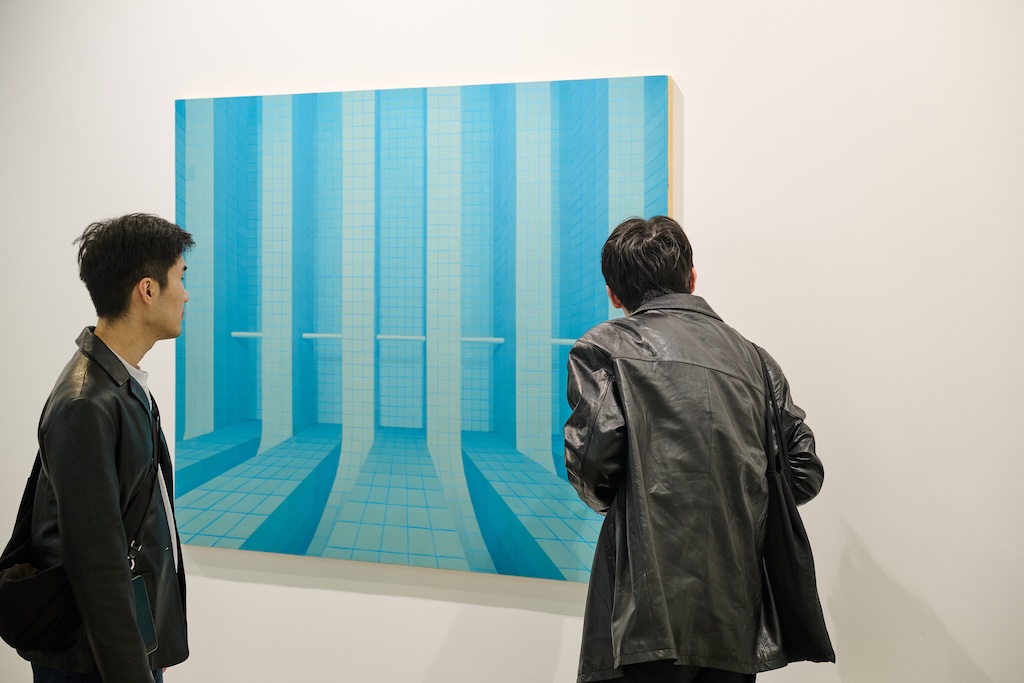
You enter through habit. Ticket scanned, coat folded over the arm, phone in hand but already forgotten. What changes first is not what you see, but how you move.
At Art Brussels this year, the fair tightens its grip without feeling crowded. Fewer galleries, more air. A choreography that asks for attention without insisting on it. You notice it in the pauses – between booths, between works, between your own decisions. The path is clearer, but not simpler.
A sculpture outlines the proportions of a small apartment. You step inside it instinctively, as if testing a rental. The walls are not there, but your body adjusts anyway. Shoulders narrow. Pace slows. You become aware of how space instructs you, how architecture edits gesture. This is not an exhibition about living. It is a rehearsal of it.
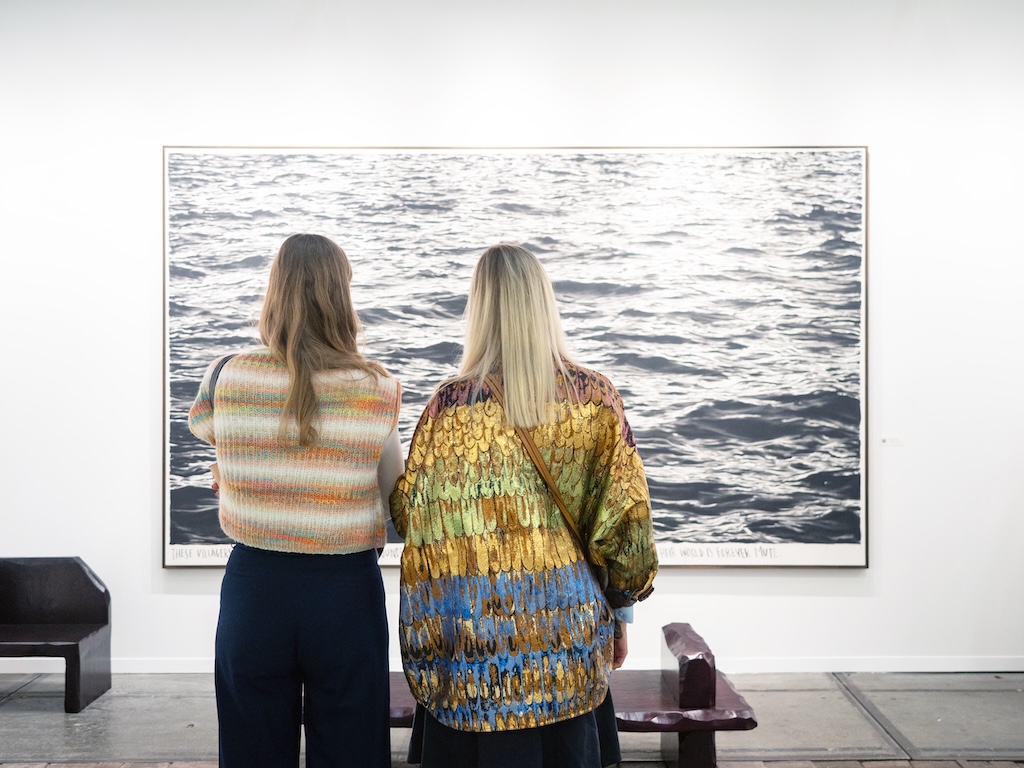
Nearby, a tapestry once hung where a flag should be. Now it sits at eye level, asking for a different kind of allegiance. You don’t salute it. You linger. The shift is small but precise: from symbol to surface, from distance to touch.
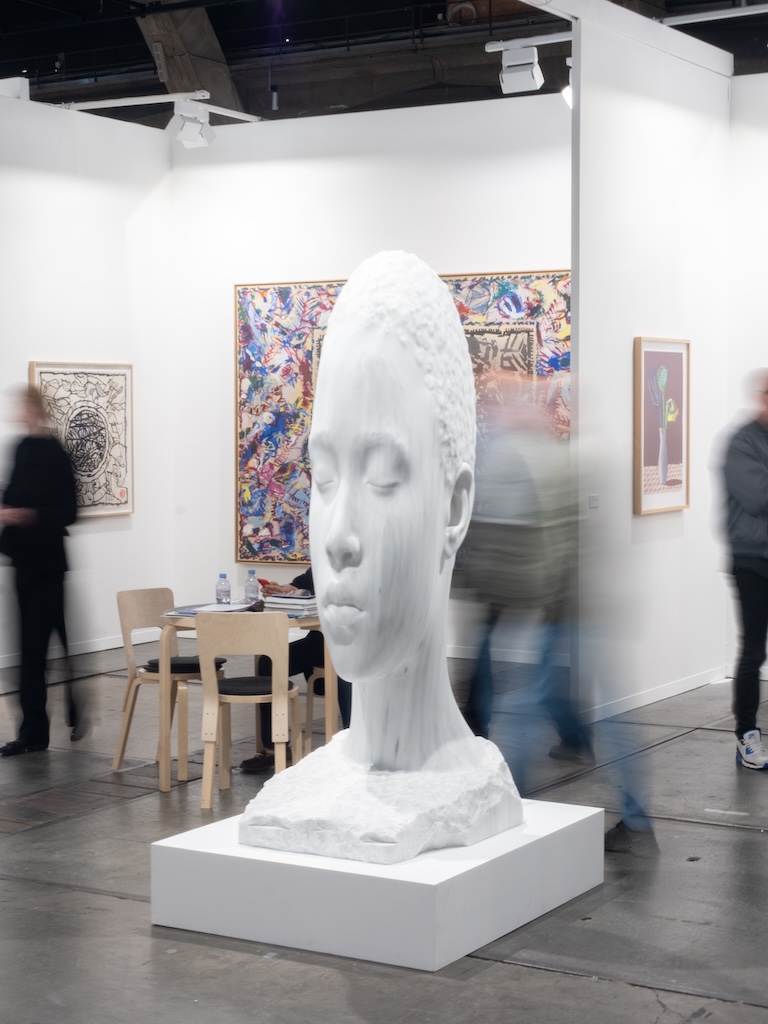
The fair’s new scale makes this possible. It trades spectacle for sequence. Large works are given room to breathe, not dominate. You don’t photograph them immediately. You circle them, the way you would a piece of furniture you might actually bring home.
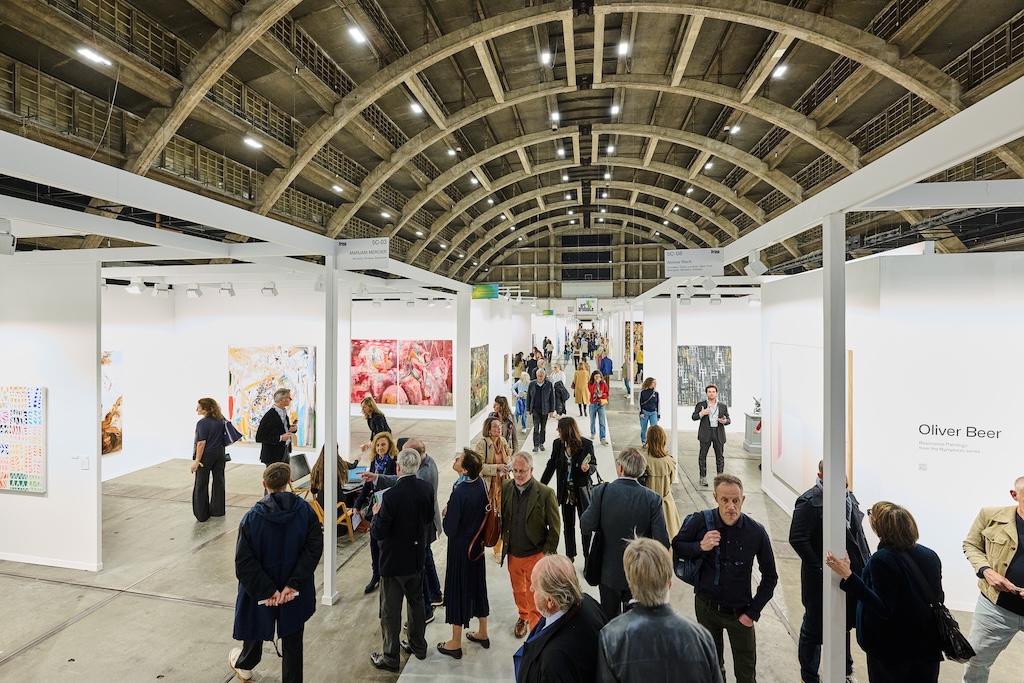
There is a quiet recalibration happening. Collecting is no longer about possession alone, but about alignment—how something fits into the rhythm of a life already in motion. The advisory desk offers guidance, but the real negotiation happens internally, between what you want and how you want to live with it.
Elsewhere, a small wall of anonymous works sells for the same price. You buy without knowing the artist. It feels less like a gamble than a relief. Taste, freed from authorship, becomes a physical response again. You choose what holds your attention, not what holds its value.
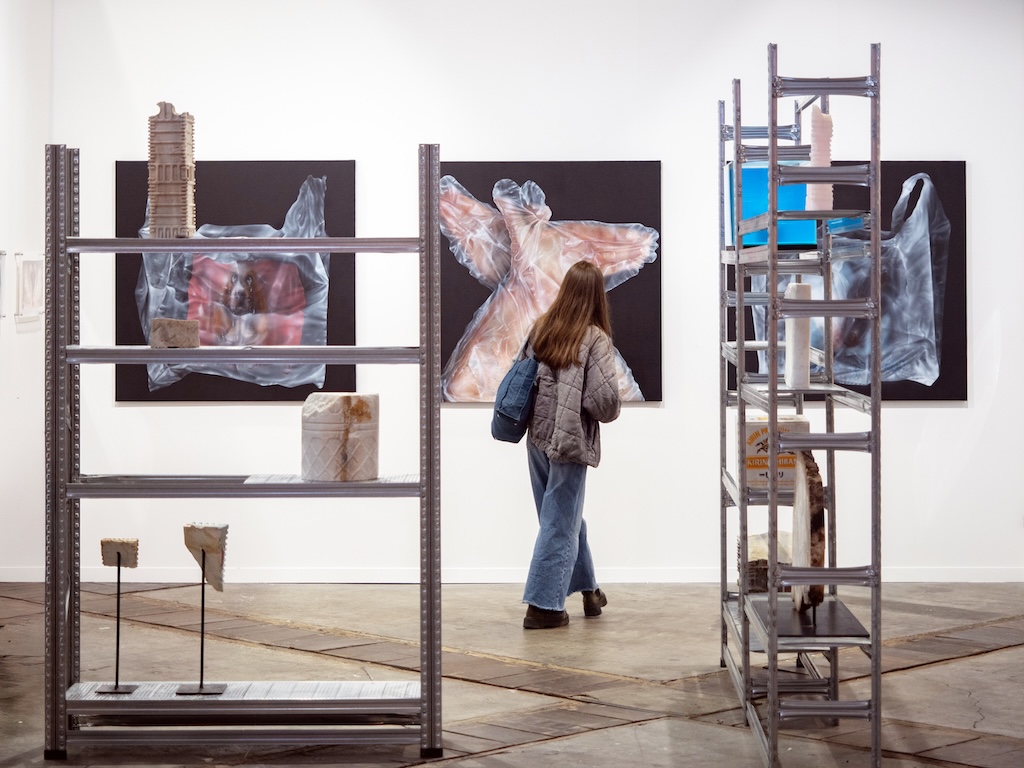
Across the fair, materials repeat: paper folded until it becomes structure, wood assembled into something temporary, paint applied like a record of movement rather than a final image. Nothing feels fixed. Everything suggests a state of use.
This is the shift. Art is no longer staged as an object to decode, but as a condition to enter. You don’t stand in front of it for long. You pass through it, carry it, adjust around it.
By the time you leave, the city feels slightly edited. Doorways narrower. Surfaces more deliberate. You notice how you place your keys, how long you pause before sitting down.
Culture doesn’t end at the exit. It follows you home, quietly rearranging what you thought was already set.