
Test drive – Volkswagen T-Roc (2026) : The Sales King Embraces Maturity
 Jean-Pierre Ndu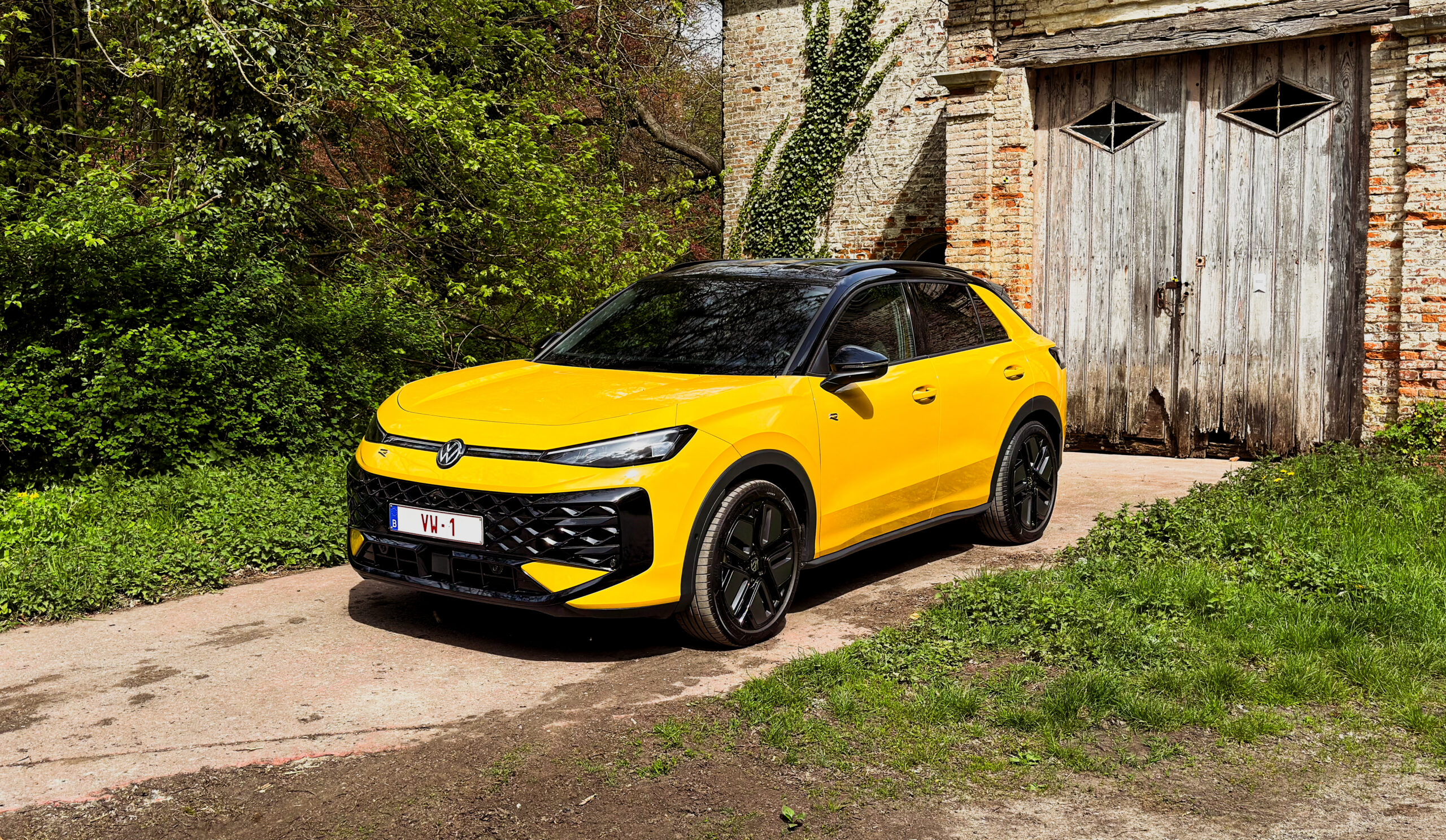
Two million units sold, the Golf overtaken in 2023, and a near-uninterrupted place on the sales podium since its launch in 2017: the T-Roc is no longer a challenger, it’s an institution. And that very status made its renewal particularly delicate. We got behind the wheel of this new generation on Belgian roads, and it quickly became clear that Volkswagen did its homework.
A larger footprint and a more confident design
The first thing that stands out is the size. The T-Roc grows by 12 centimeters to reach 4.37 meters in length, positioning itself more clearly between the T-Cross and the Tiguan within the range.
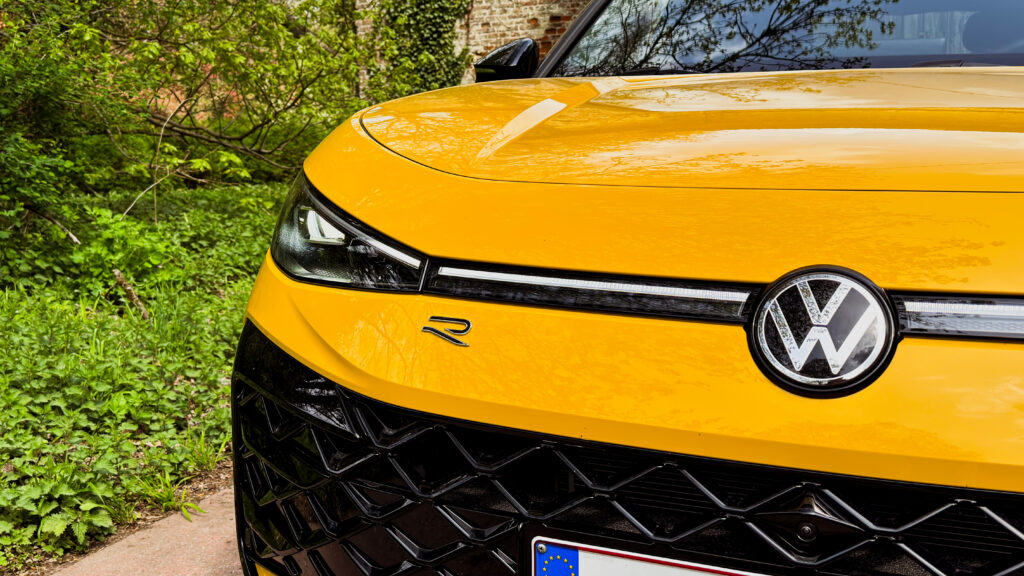
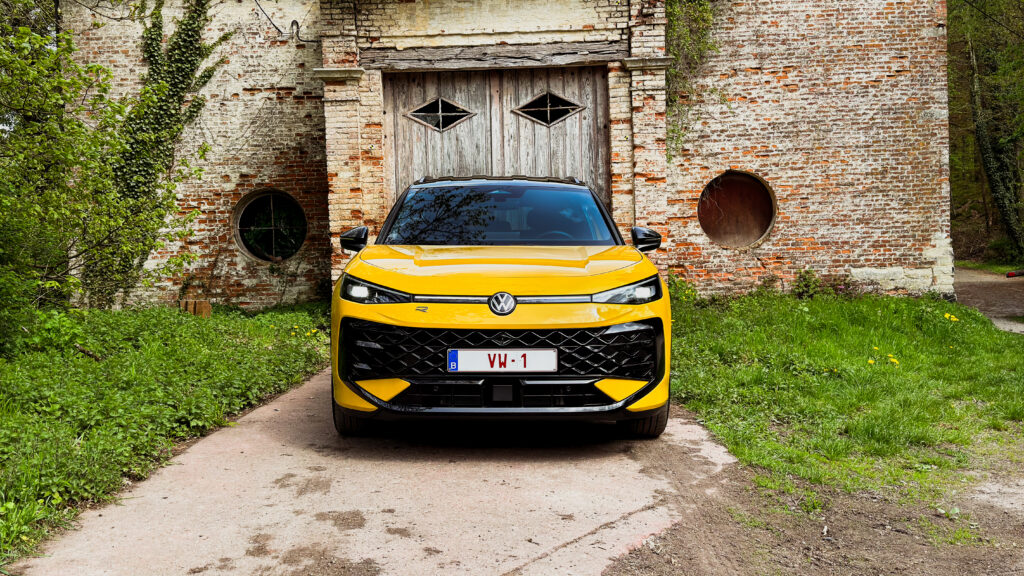
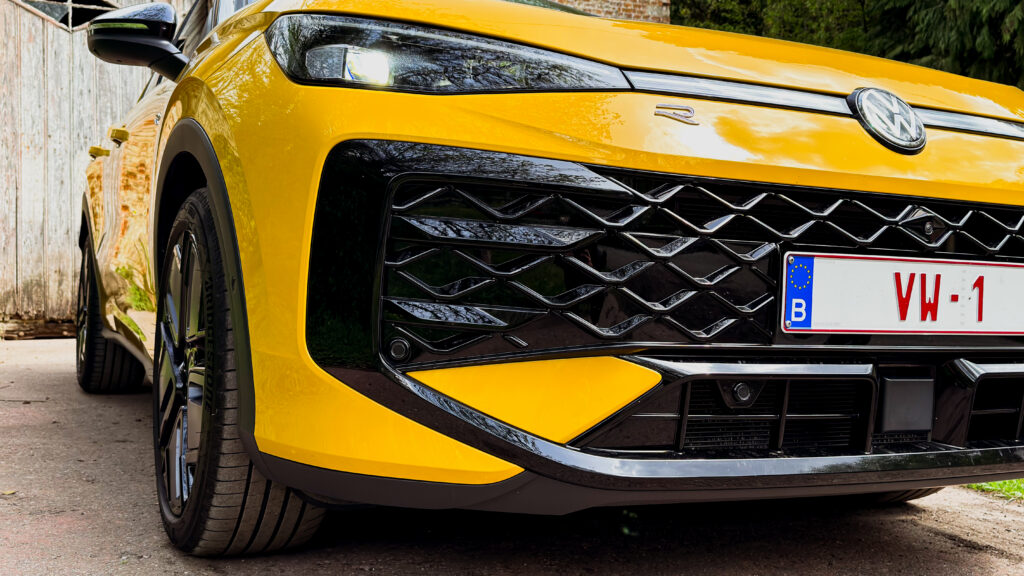
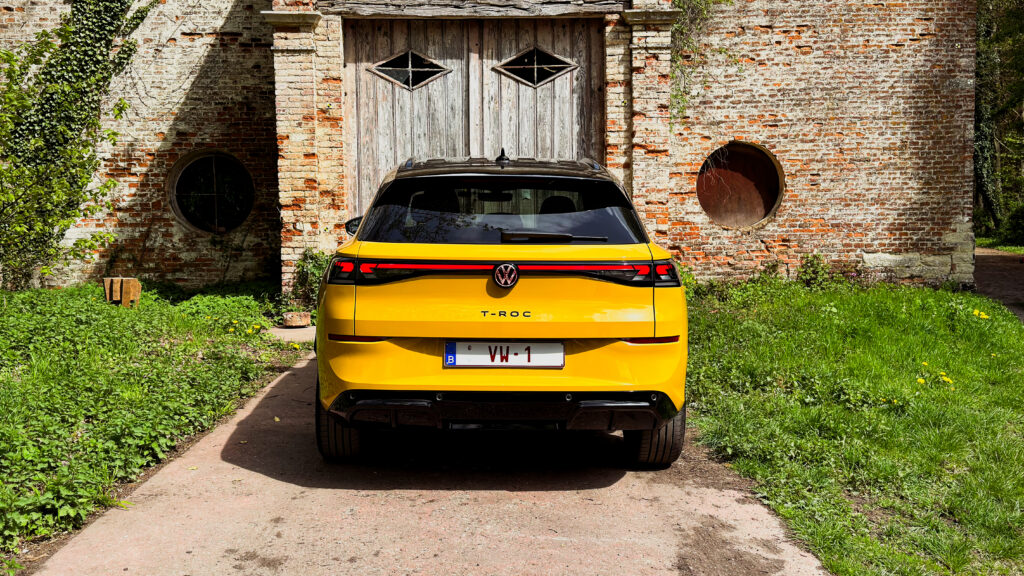
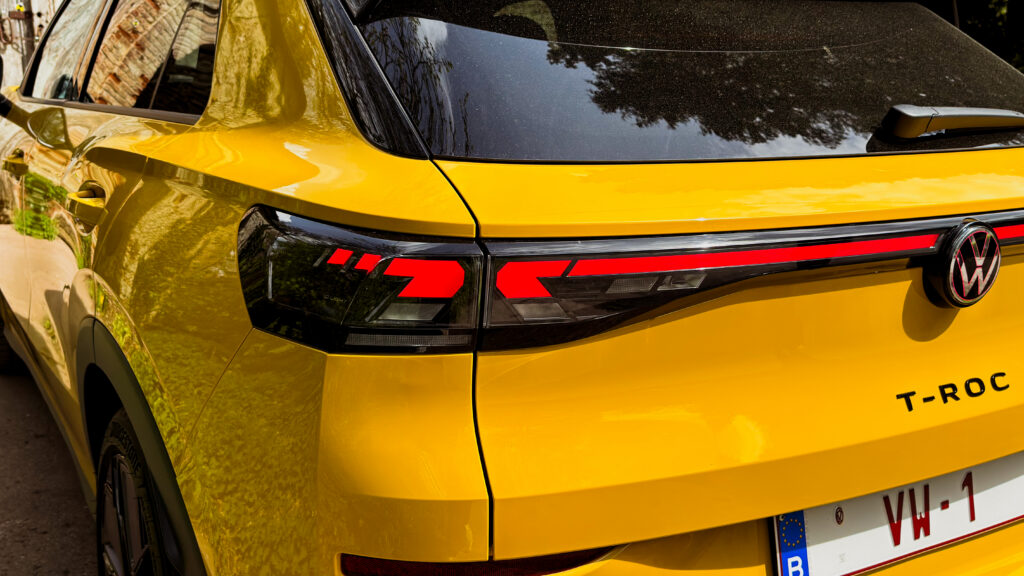
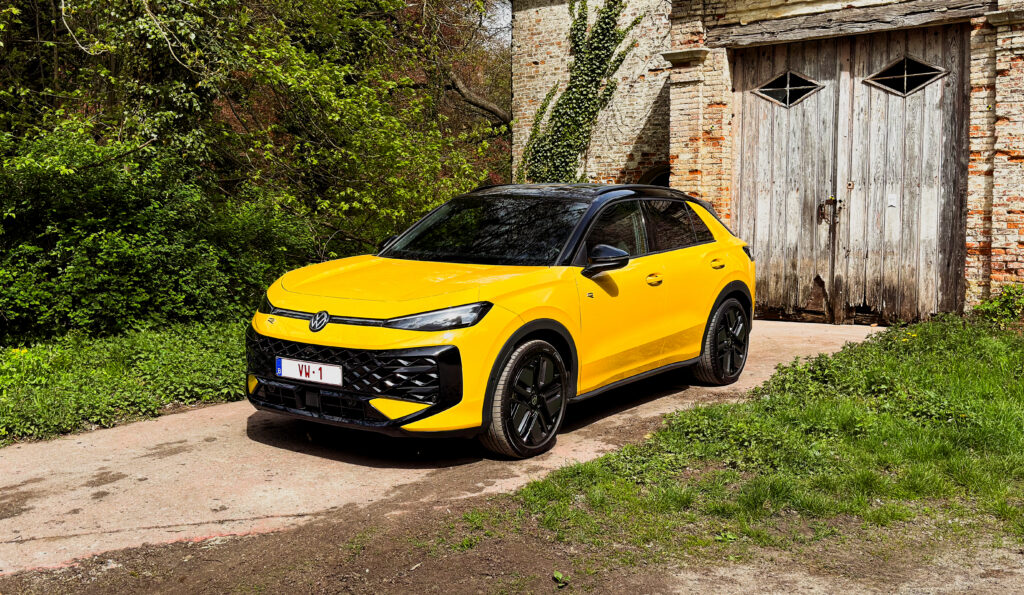
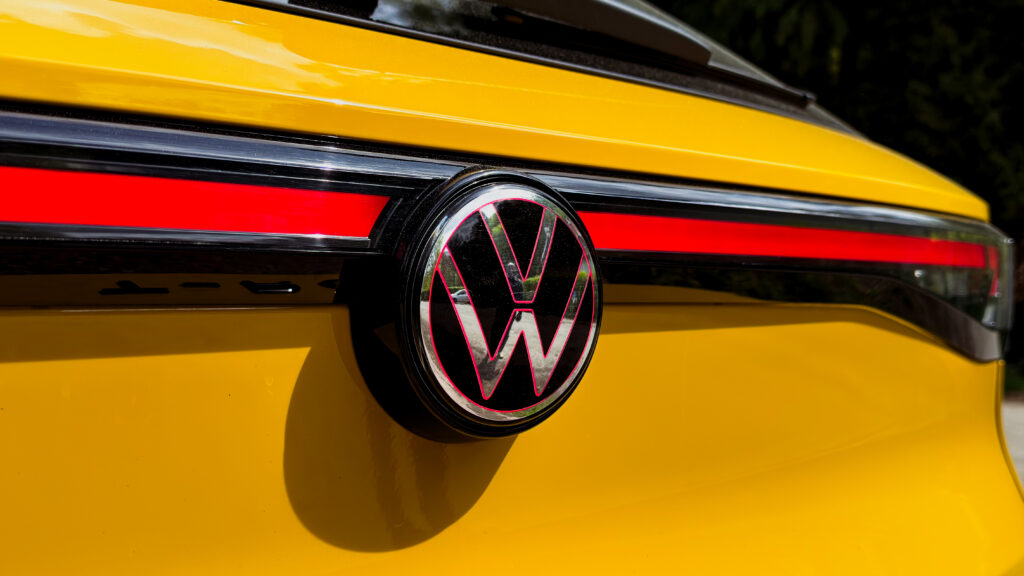
Stylistically, the connection with the Tiguan, renewed in 2023, is immediate. It adopts a similar structured grille, matching LED light signatures at both front and rear, and a centrally illuminated rear logo, a first for Volkswagen. From the side, the sloping roofline and inclined C-pillar preserve that subtle SUV-coupé character that suits it well.
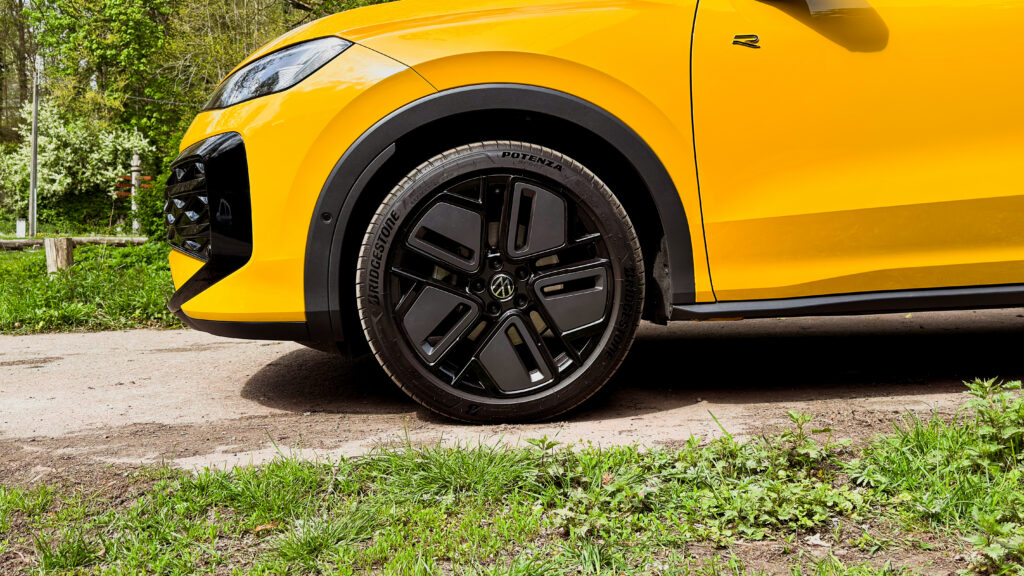
Volkswagen also introduces 19- and 20-inch wheels depending on trim level, along with four new exterior colors, including an optional Celestial Blue. A small recommendation: avoid the 20-inch wheels if comfort is a priority, as they noticeably firm up the ride.
Inside, it feels like a more accessible Tiguan
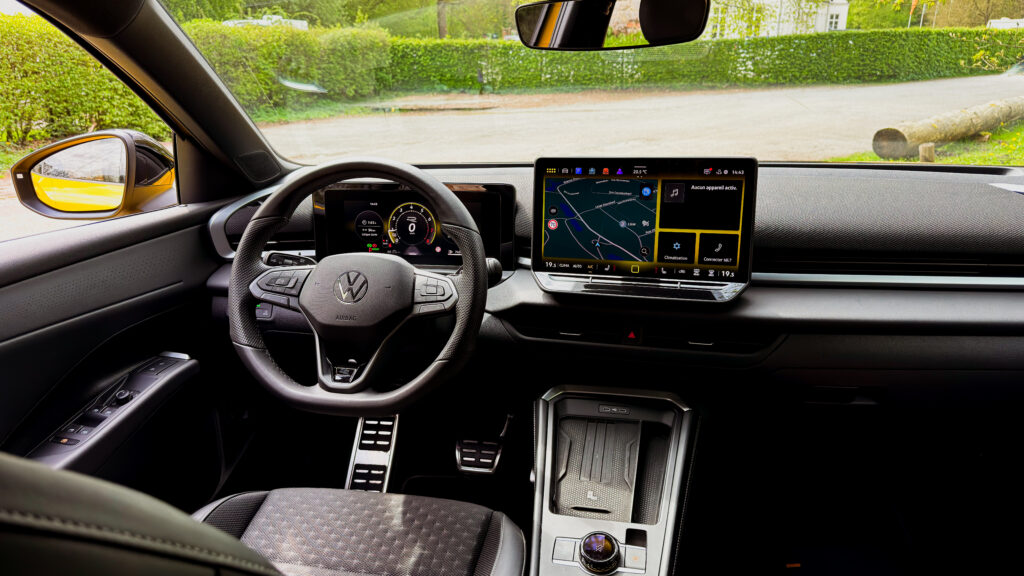
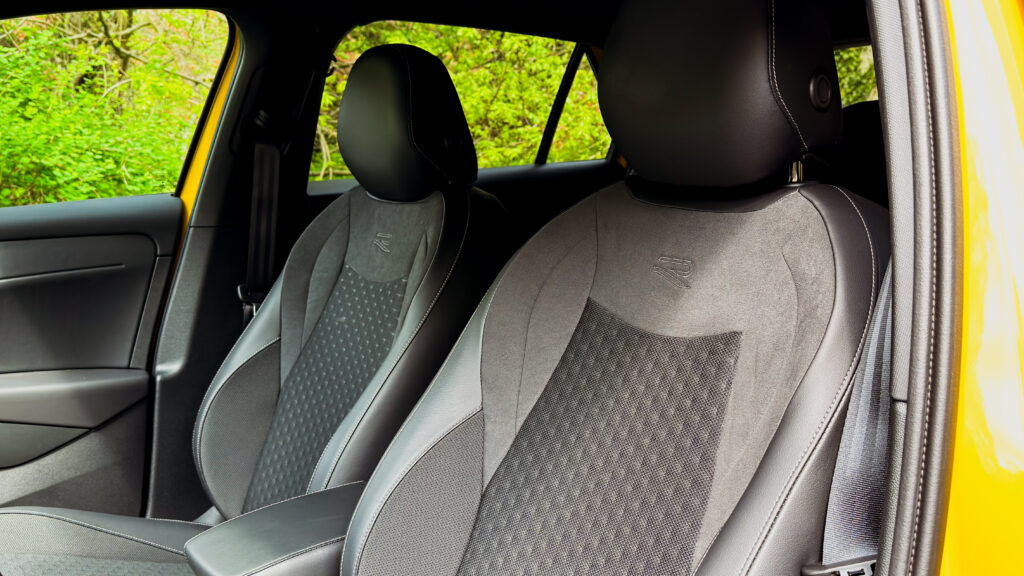
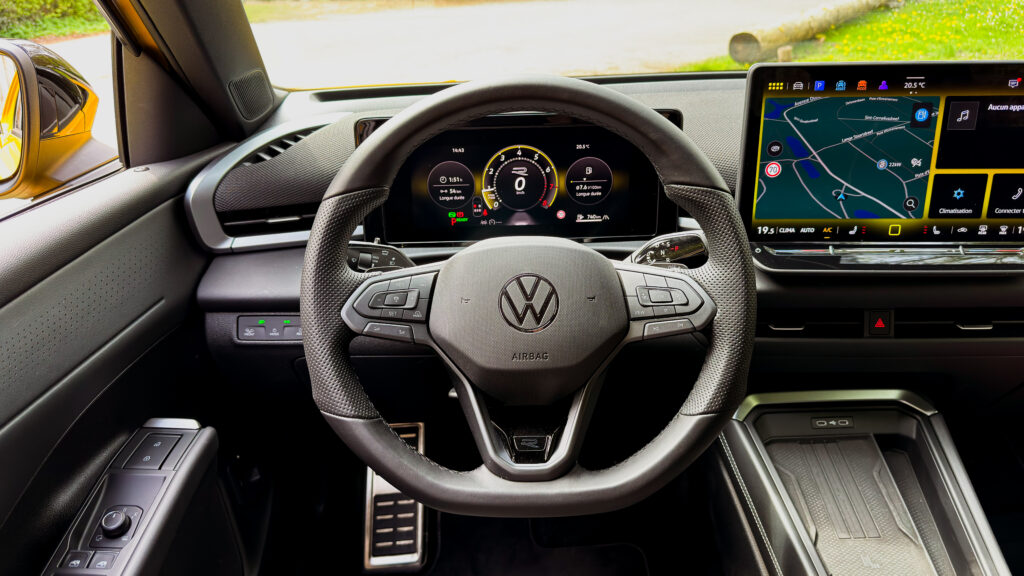
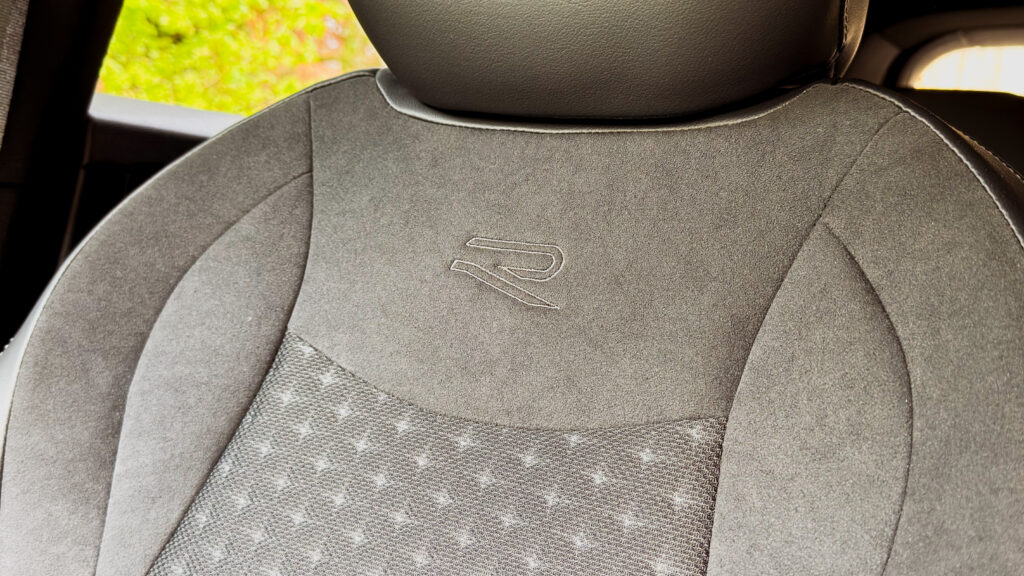
The moment you open the door, the leap in quality over the previous generation becomes obvious. Hard plastics have given way to softer surfaces, panel fit feels more precise, and the overall atmosphere is much more refined and cohesive.
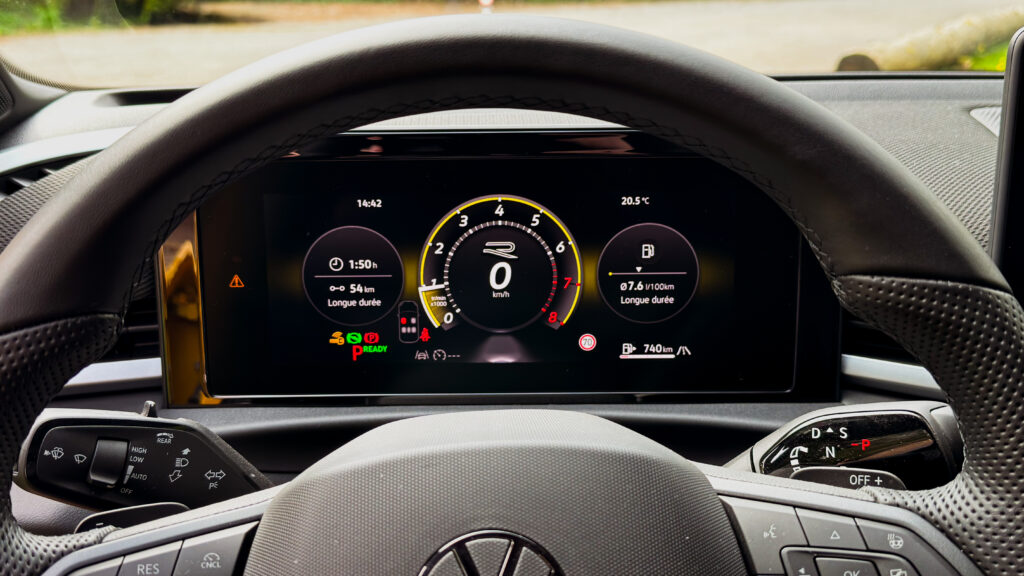
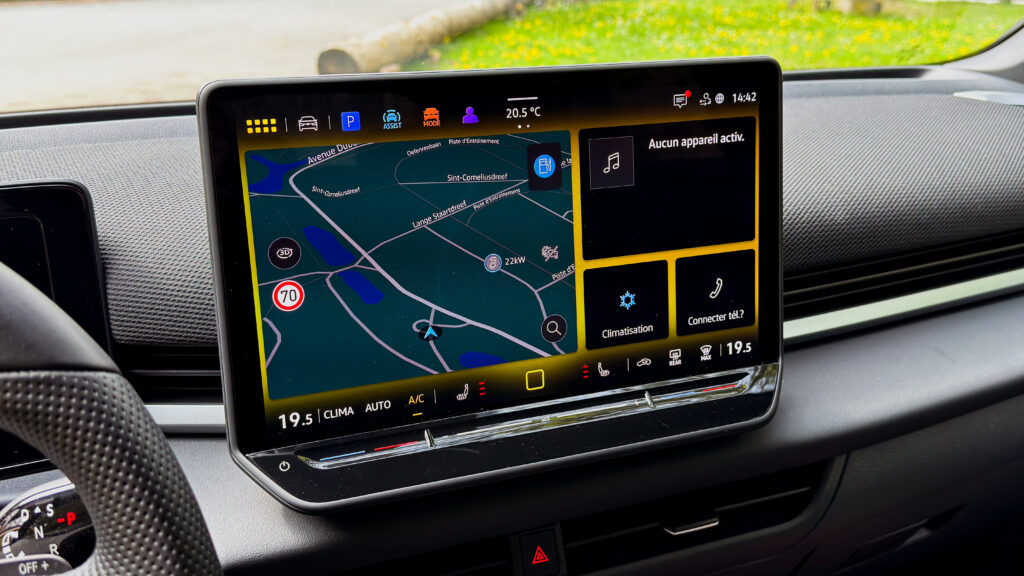
Ahead of the driver, a 10-inch digital instrument cluster sits alongside a central screen ranging from 10.3 to 12.9 inches depending on trim. The MIB4 infotainment system operates smoothly, menus are well organized, and both Apple CarPlay and Android Auto work wirelessly. The voice assistant, now enhanced with ChatGPT integration, delivers surprisingly relevant responses.
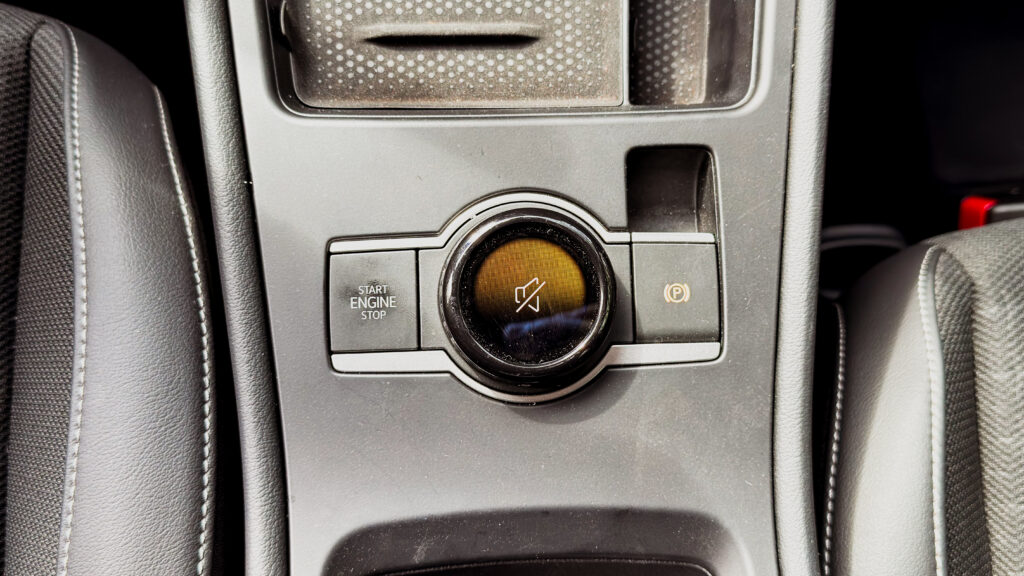
Good news on the ergonomics front: physical buttons return to the steering wheel, replacing the overly sensitive touch controls of the previous model. A rotary controller on the center console, borrowed directly from the Tiguan, manages volume and driving modes with satisfying precision.
Space also improves noticeably. The additional 9 centimeters between the axles translates into more rear legroom, while the trunk capacity grows to 475 liters, expanding to 1,350 liters with the rear seats folded. A head-up display also appears as an option, still relatively rare in this segment.
Petrol only, but not without electrification
Diesel disappears from the catalog entirely. The 2026 T-Roc focuses exclusively on electrified petrol engines, all paired with a DSG7 automatic gearbox. The manual transmission has also officially disappeared.
The entry-level model is the 1.5 eTSI 116 hp with 48V mild-hybrid technology and DSG7. Its mild hybrid assistance helps reduce fuel consumption in everyday driving and makes it particularly suitable for urban and suburban use.
The version we tested was the 1.5 eTSI 150 hp with 48V mild-hybrid technology and DSG7. It strikes an excellent balance between performance and efficiency. Volkswagen claims 0–100 km/h in 8.9 seconds, while real-world consumption sits around 6 L/100 km, with torque available from low revs.
Coming in summer 2026 is the 2.0 eTSI 204 hp with 4Motion all-wheel drive and DSG7. This version targets drivers requiring more traction or living in regions with harsher winters.
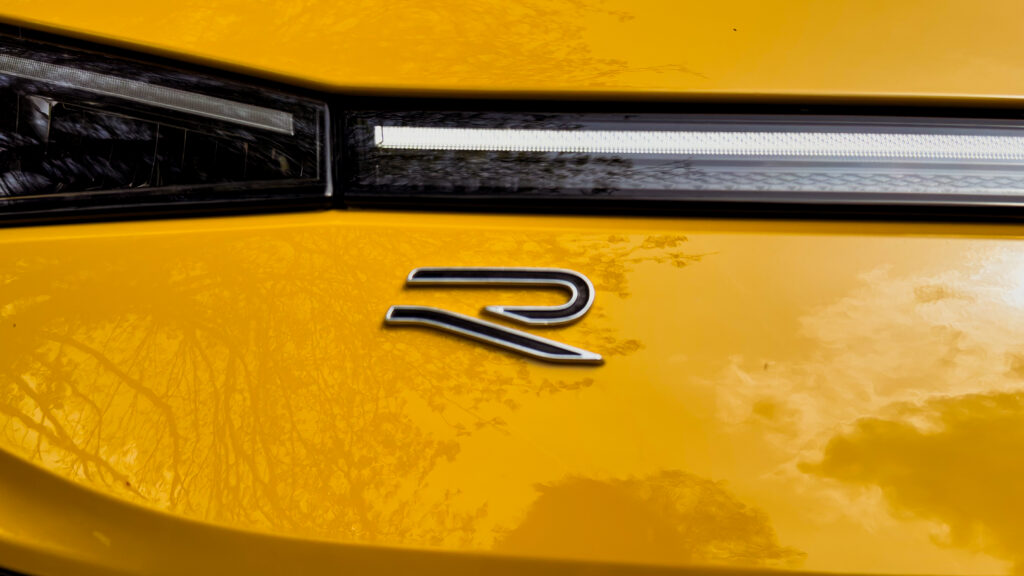
Autumn 2026 will see the arrival of plug-in hybrid variants producing 136 hp and 170 hp, marking a major first for the model. A 330 hp T-Roc R is also expected in 2027.
On the road, the T-Roc doesn’t try to impress
You settle in, start driving, and almost immediately feel comfortable. That’s the T-Roc’s promise: no dramatic surprises, just a reassuring sense of ease that settles in naturally. Body movements are well controlled, the front axle feels precise, and small road imperfections are absorbed without effort.
The 1.5 eTSI 150 hp behaves with reassuring confidence. Torque arrives early in the rev range, overtaking is smooth, and our mixed driving consumption hovered around 6 L/100 km, nearly matching official WLTP figures. The 48V system frequently shuts the engine off when possible, clearly helping efficiency.
There are, however, a few reservations. The DSG7 transmission lacks subtlety: in Normal mode it can feel smooth but occasionally too relaxed, while Sport mode becomes somewhat overenthusiastic without truly finding a middle ground. Most drivers will likely remain in Normal mode and accept the compromise.
Sound insulation remains acceptable but not exceptional at motorway speeds, and the suspension feels somewhat firm over speed bumps, especially with the optional 20-inch wheels.
On faster roads, however, the T-Roc excels. Stable, composed, and equipped with driver assistance systems that never become intrusive, it significantly reduces fatigue during long journeys. Travel Assist can even handle automatic lane changes, while Park Assist Pro allows remote parking through a smartphone.
Our verdict
This 2026 T-Roc is the result of careful craftsmanship: keeping what worked, correcting what irritated drivers, and elevating the overall experience. Interior space, once a weakness, now feels entirely adequate. Perceived quality has genuinely improved, and although it may not deliver thrills, its driving experience offers genuine day-to-day serenity.
Still, it suffers from a visual identity that has become more blended into the Volkswagen range, and an options strategy that can quickly inflate the final price.
The T-Roc has become wiser, more balanced, and more mature. That is both its greatest strength and perhaps its only real limitation.
A best-seller fully embracing the price of maturity. The real question is whether you’re ready to pay it.
Pros
- Modernized and coherent design
- Significantly improved interior space
- Stable and relaxing driving experience
- Generous trunk capacity
- Physical buttons are back
Cons
- Optional extras quickly become expensive
- DSG7 gearbox lacks refinement
- Cabin insulation could be better





%20:%20The%20Sales%20King%20Embraces%20Maturity&media=https://gus.world/wp-content/uploads/2026/05/IMG_2963-scaled.jpeg)